
Assisted vs Independent Living at Senior Living Facilities

Opening Doors to the Spectrum of Senior Living Freedom
The expanding universe of senior housing options explained
In recent decades, senior housing has flourished into a colorful spectrum of lifestyle choices. From vibrant age-restricted 55 plus communities to supportive long-term care facilities, options keep multiplying. Families now access detailed senior housing options explained by specialists, rather than relying on guesswork. These opportunities empower older adults to align their surroundings, services, and social connections with personal aspirations. The core categories include independent living, assisted living, skilled nursing, memory care, and continuing care retirement communities.
Geography also influences selection, because climates, taxes, and cultural amenities differ across states. Some seniors favor bustling urban senior apartment rentals, while others choose tranquil rural cottages. Communities for seniors 55+ often combine resort style recreation with handy maintenance services. Aging in place options inside the continuum of care communities further reduce disruptive future moves. For quick comparisons, many families consult a nationwide senior living facilities directory that lists amenities, licensure, and pricing.
Independent living and assisted living demystified
Independent living resembles a maintenance-free neighborhood designed around active wellness programs and hospitality services. Residents enjoy private senior apartment rentals, chef-prepared meals, and scheduled transportation without mandatory medical oversight. Safety features such as grab bars, emergency call systems, and gated entries enhance peace of mind. Because healthcare is not bundled, the cost of independent living generally covers housing, dining, and recreation. Neighbors bond through hobby clubs, fitness classes, and holiday celebrations that nurture social connections for older adults.
Assisted living, by contrast, layers personal care assistance for activities of daily living onto the hospitality model. Certified aides help with bathing, dressing, medication management, and mobility while encouraging maximum independence. Licensed nurses coordinate with physicians, ensuring chronic conditions are monitored inside the regulated long-term care facility setting. Families appreciate customizable assisted living care plans that adjust hours as needs evolve. Both environments support aging goals, yet the difference between assisted living and independent living centers on daily support intensity.
Navigating senior living near you with the Senior Living Facilities platform
Researching senior living near me used to involve dozens of phone calls and brochures scattered across the kitchen table. The Senior Living Facilities platform condenses that process into three intuitive steps: search, compare, and connect. First, users enter a zip code to reveal communities offering independent or assisted living in the desired state. Filters highlight pet-friendly policies, transportation services, or memory care wings within a continuum of care campus. Transparent profiles replace marketing fluff with licensing details, staff ratios, and verified resident reviews for trustworthy decision making.
Next, the comparison dashboard lines facilities side by side, exposing the real cost of assisted living versus independent living amenities. Interactive maps shorten driving distances for families planning frequent visits and spotting senior living near you quickly. When ready, users click connect to schedule tours or request personalized guidance from certified advisors. Advisors explain financing options, including veterans benefits, long-term care insurance, or bridge loans bridging home sale timing. This streamlined assisted living locator service turns overwhelming research into an empowered stride toward an enriched retirement community lifestyle.
Flourishing in Independent Living Communities
Active wellness programs and purposeful amenities
Independent living communities thrive when every activity encourages motion, learning, and laughter. Fitness studios, walking trails, and aquatic centers anchor daily schedules that nurture cardiovascular health without feeling clinical. Culinary teams teach heart-smart cooking classes, reinforcing nutrition goals while satisfying sophisticated palates. Creative studios buzz with pottery wheels, digital photography workshops, and lifelong-learning lectures from local universities. These purposeful amenities transform housing options for seniors into campuses where curiosity never retires.
Team members continually refine calendars through resident feedback, ensuring programs stay fresh and meaningful. Morning yoga might evolve into chair Pilates, accommodating varying mobility while preserving challenge. Technology kiosks guide balance assessments, allowing wellness coaches to personalize goals and track progress. Prospective residents can quickly search senior living communities near me to see which locations feature indoor saltwater pools or pickleball courts. With transparent details posted online, families evaluate independent living amenities before ever stepping through the lobby doors.
Social connection for older adults through vibrant calendars
Human connection fuels emotional health, so independent living professionals weave community threads into every event. Welcome committees greet newcomers and pair them with interest buddies, reducing first-week jitters and sparking friendships. Monthly cultural festivals celebrate regional cuisines, music, and art, inviting residents to share personal heritage stories. Intergenerational volunteer projects unite elders with local students, creating purpose beyond campus boundaries and boosting confidence. Even small group coffee chats combat isolation, reminding retirees that neighbors remain only a knock away.
Calendars intentionally balance grand celebrations with intimate gatherings. Book clubs dissect contemporary novels, whereas craft beer tastings showcase regional microbreweries for adventurous palates. Planned excursions to theaters and botanical gardens leverage accessible transportation services for seniors, eliminating driving stress. Because staff photograph highlights and post them on secure portals, distant family members witness loved ones dancing, laughing, and thriving. This social tapestry proves that a senior living community can feel both vibrant and deeply personal.
Safety and convenience are built into modern senior apartment rentals
Independent living design marries stylish aesthetics with subtle safety engineering. Wide doorways accommodate rollators without screaming “medical.” Lever-style knobs, non-slip flooring, and illuminated bathroom grab bars protect joints and dignity alike. Smart thermostats adjust temperatures automatically, preventing heat extremes that can endanger aging skin. Emergency call systems integrate with wearable devices, summoning on-site responders within moments if assistance is needed.
Convenience features extend beyond the apartment door. Covered walkways shield residents from rain while linking residences to dining venues and wellness centers. Concierge desks coordinate prescription deliveries, dry cleaning, and pet-sitting for weekend getaways. Scheduled shuttles connect tenants with nearby museums and physician offices, shrinking the world while preserving freedom. Together, these details turn senior apartment rentals into secure launching pads for adventurous days and restful nights.
Understanding the cost of independent living and financial planning
Independent living pricing bundles housing, dining, and recreation, yet excludes personal care that assisted living covers. Monthly fees often replace property taxes, home insurance, and surprise repair bills, simplifying budgeting for retirees on fixed incomes. Financial advisors encourage seniors to compare net costs against remaining in maintenance-heavy houses, especially when factoring in lawn services or rising utility rates. Predictable expenses empower residents to allocate discretionary funds toward travel, hobbies, or grandchildren’s milestones. Therefore, the cost of independent living becomes an investment in freedom rather than merely rent.
Families weighing assisted living vs independent living sometimes feel overwhelmed by spreadsheet analysis. A concise comparison of independent vs assisted living guide clarifies service tiers, entrance fees, and contract structures. Veterans benefits, long-term care insurance riders, and tax deductions can further offset expenses. Senior Living Facilities advisors model various scenarios, revealing how downsizing can preserve assets for future healthcare. Transparent discussion instills confidence and prevents sticker shock when paperwork arrives.
Indicators that independent living in the state of your choice is the right fit
Certain signals suggest an older adult will blossom in an independent setting. They manage medications reliably, drive safely, and keep medical appointments without prompting. Household chores feel tedious, yet personal grooming remains effortless. Social calendars may appear thin, but curiosity for new friendships still burns brightly. These traits indicate readiness for maintenance-free living rather than hands-on care.
Geography also shapes suitability. Warm climates appeal to arthritis sufferers, while bustling metros entice culture enthusiasts craving symphonies and museums. Resources on independent and assisted senior living in Florida showcase sun-kissed campuses steps from beaches and golf courses. Meanwhile, mountain regions lure hikers who value crisp air and panoramic trails. Senior Living Facilities’ filters allow families to match climate, amenities, and budget, ensuring the chosen senior living facility aligns with lifestyle dreams.
 Thriving with Assisted Living Support
 Thriving with Assisted Living Support
Personal care assistance for activities of daily living
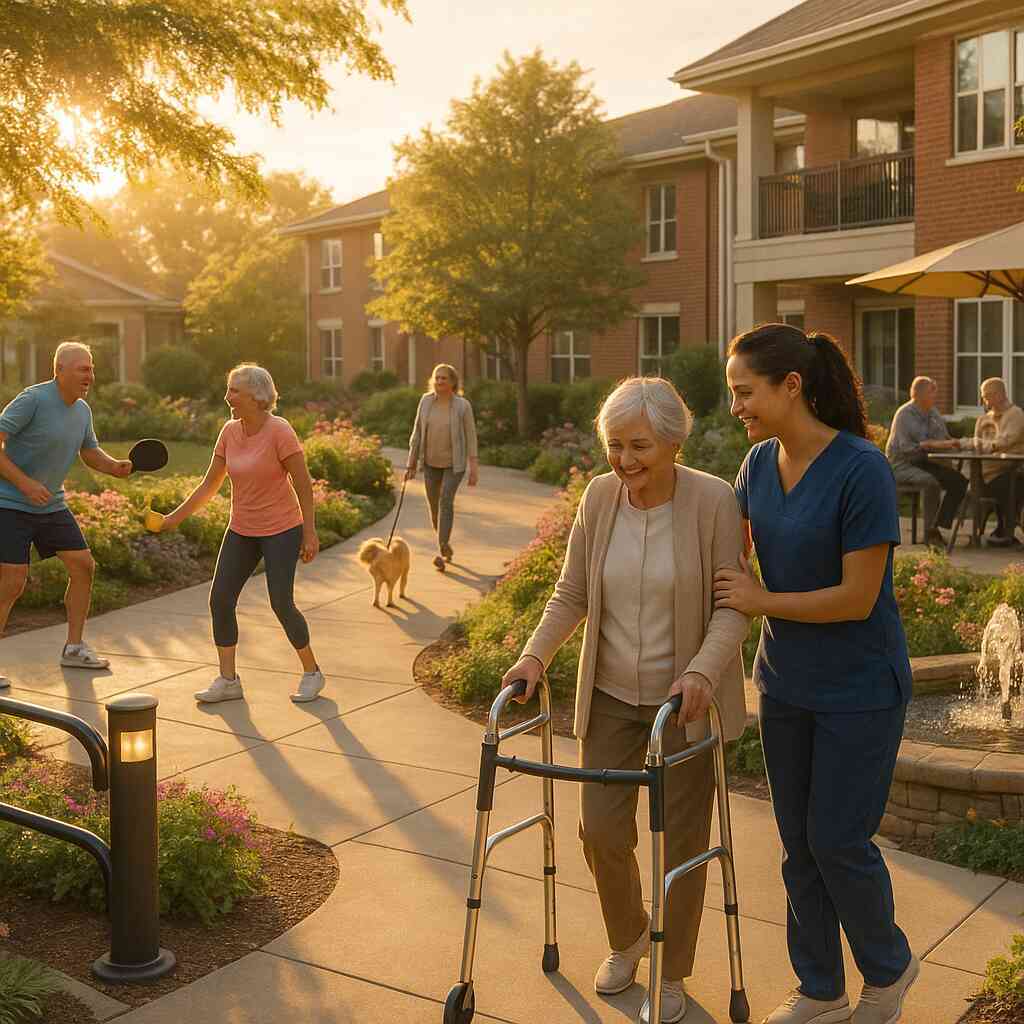
Assisted living shines when compassionate aides step in with respectful personal care assistance for seniors. Staff help residents bathe safely, dress stylishly, and navigate suites that already feature safety grab bars. These everyday victories preserve dignity while reducing fall risk, supporting true activities of daily living support without feeling clinical. Because chores like laundry and bed making disappear, older adults redirect energy toward friends, hobbies, and gentle fitness. Families often discover that this steady help provides the decisive difference between assisted living and independent living success.
Beyond hands-on grooming, teams coordinate meals and housekeeping for seniors who prefer social dining over solitary cooking. Residents still choose outfits, menu items, and schedules, illustrating how assisted living vs independent living distinctions revolve around choice rather than limitation. For deeper insight, explore our in-depth comprehensive assisted living overview article that details staffing credentials and breakthrough care technologies. Reading together lets relatives begin choosing the right level of senior care with shared confidence. Ultimately, expertly delivered support transforms routine moments into gateways for renewed purpose and social connection for older adults.
Medication management and nursing support in licensed long term care facilities
Many chronic conditions require vigilant dosing schedules that overwhelm even organized pillboxes. In a licensed long-term care facility, on-site nurses maintain electronic charts, reconcile prescriptions, and coordinate refills with local pharmacies. Robust medication management in assisted living reduces errors, hospital readmissions, and caregiver stress. Meanwhile, quick wound checks or blood-pressure reviews occur without leaving the community, saving residents from exhausting trips. Because medical oversight is continuous, families sleep better, knowing professional nursing support in assisted living is always near.
Proactive health monitoring also encourages aging in place options within the same residence. When balance declines, therapists may add strengthening exercises, preventing setbacks that could push someone toward nursing homes for the elderly. This gradual adjustment illustrates the continuum of care communities’ philosophy-meeting evolving needs without disruptive moves. Therefore, medication oversight is not an isolated service; it interlocks with wellness coaching, transportation services for seniors to specialists, and pet-friendly senior living policies that keep emotional bonds intact.
Customizable assisted living plans within the continuum of care communities
No two residents share identical histories, so assisted living care plans must flex. During admission, nurses conduct thorough assessments covering mobility, cognition, and lifestyle goals. The resulting blueprint outlines scheduled reminders, dining preferences, and hobbies, ensuring each senior apartment rental with services feels personalized. Plans remain living documents; quarterly reviews invite residents and families to fine-tune support levels. Such transparency builds trust and proves that senior living facilities value resident autonomy as highly as safety.
Continuum of care communities magnify this customization by allowing residents to shift service tiers without uprooting. A neighbor might begin in independent living amenities, add light housekeeping later, then request bathing assistance when arthritis flares. Because staff already know routines, transitions feel seamless, sustaining the cherished retirement community lifestyle. Additionally, integrated campuses simplify financial planning for senior housing since one contract covers multiple stages, shielding savings from sudden fee spikes.
Weighing the cost of assisted living against home care and nursing homes for the elderly
Calculating the cost of assisted living involves more than rent numbers on glossy brochures. Monthly fees bundle three chef-prepared meals daily, 24-hour staffing, and utilities that often exceed separate home invoices. When comparing against hourly home-care aides, remember to add mortgage, taxes, and emergency repairs that never vanish. Conversely, nursing home rates include intense medical care that many seniors do not yet require, so paying for that level early wastes resources. Therefore, side-by-side spreadsheets reveal assisted living as a mid-range, value-packed choice.
Financial advisors also highlight predictable billing that shields budgets from surprise roof leaks or furnace failures. Veterans benefits, bridge loans, and long-term care insurance can offset costs further, letting families focus on well-being instead of invoices. Moreover, onsite clinics shorten travel, reducing fuel and ride-share expenses. When families use a senior living facility search tool, they quickly view transparent pricing, discover any entrance fees, and verify available discounts. Clear numbers empower informed, future-focused decisions.
Preparing for a seamless transition from independent to assisted living
Early planning turns potential upheaval into a celebration of new support. Begin by touring favorite assisted living locations long before services are needed. Observe staff greetings, taste meals, and note accessible outdoor paths. Sharing observations with loved ones encourages family involvement in care decisions and eases anxieties. Additionally, engaging an assisted living locator service streamlines appointment scheduling and gathers licensure documents in one digital hub.
Next, sort household items thoughtfully, keeping treasured photos and downsizing duplicates. Familiar décor inside the new suite nurtures comfort and continuity during the transition from independent to assisted living. Encourage friends from communities for seniors 55+ to visit soon after move-in, reinforcing existing friendships alongside new ones. Because transportation services for seniors remain available, residents can still attend cherished clubs off-site, maintaining their identity. With preparation, the shift feels less like leaving home and more like expanding possibilities within a supportive senior living facility.
Crafting a Confident Choice for the Next Chapter
Key differences between assisted and independent living at a glance
Assisted living vs independent living decisions often begin with support needs. Independent living amenities focus on freedom, fitness studios, and social calendars. In contrast, assisted environments add consistent activities of daily living support that preserves dignity. The difference between assisted living and independent living also shows in staffing ratios and medication oversight. Finally, the cost of assisted living bundles personal care, whereas the cost of independent living covers hospitality and recreation only.
Residents also weigh future flexibility. Continuum of care communities allow seamless upgrades without relocating from beloved neighbors. Aging in place options reduce upheaval when mobility changes. Safety features in senior apartments-grab bars, smart lights, and secured entries-exist in both models but are monitored more closely in licensed long-term care facilities. Understanding these nuances empowers families to choose the right level of senior care confidently.
Family involvement and planning strategies for smooth moves
Family involvement in care decisions transforms potential stress into teamwork. Start by discussing current health, social goals, and daily routines with each stakeholder. Shared calendars help relatives schedule tours, gather medical records, and compare senior apartment rentals with services. Early conversations also reveal preferences for pet-friendly senior living or faith-based activities. Open dialogue strengthens trust and ensures expectations align before any deposits are placed.
Financial planning for senior housing should follow quickly. Relatives list ongoing expenses, then model the cost of independent living against mortgage, taxes, and repairs. When health needs increase, spreadsheets shift to the cost of assisted living plus future therapy budgets. Bridge loans, veterans benefits, and long-term care insurance can reduce out-of-pocket strain. Clear numbers prevent conflict during the transition from independent to assisted living later on.
Leveraging the assisted living locator and community comparisons on Senior Living Facilities
The Senior Living Facilities platform streamlines every step. A single senior living facilities search reveals communities for seniors 55+ alongside urban towers and rural cottages. Filters showcase transportation services for seniors, meal plans, and nursing support in assisted living. Interactive maps pinpoint senior living near me, shortening travel time for relatives. Because data feeds update daily, users know vacancy status before calling.
Side-by-side dashboards compare independent living wellness programs, assisted living care plans, and pricing. Click-through charts display apartment layouts, pet policies, and emergency response averages. For deeper insight, readers can explore our guide to top strategies for choosing senior housing today. That article breaks down contract language, entrance fees, and refund clauses in plain English. Armed with facts, families negotiate confidently instead of guessing.
Moving forward toward an enriched retirement community lifestyle
Selecting a residence marks the beginning, not the end, of the retirement community lifestyle journey. Social connection for older adults flourishes through shared gardens, music nights, and volunteer drives. Meals and housekeeping for seniors free time for art classes or grandchild visits. Pet-friendly senior living policies keep beloved companions close, easing emotional transitions. Reliable transportation services for seniors extend freedom beyond campus gates.
Ultimately, informed choices lead to fulfillment. Whether embracing independent living amenities or selecting personalized assisted living care plans, residents gain safety, companionship, and purpose. Senior Living Facilities stands ready to guide every step with transparent data, compassionate advisors, and national reach. Begin exploring options today and craft the next chapter with confidence and joy. A vibrant, secure, and engaging home is waiting.
Frequently Asked Questions
 Frequently Asked Questions
Question: How do I decide whether independent living amenities or assisted living care plans are the right level of senior care for my loved one?
Answer: Begin by assessing how confidently your loved one completes activities of daily living such as bathing, dressing, meal preparation, and medication management. If they are largely self-sufficient but crave social connection for older adults and freedom from home maintenance, independent living at a seniors living community may be ideal. Should daily tasks feel unsafe or exhausting, a licensed long-term care facility that provides personal care assistance for seniors is the safer choice. Using the Senior Living Facilities search tool, you can compare both environments side by side, view staff-to-resident ratios, and even schedule advisor calls to pinpoint the level of support that preserves dignity while maximizing independence.
Question: What is the real cost difference between assisted living and independent living in communities for seniors 55+, and which expenses does each cover?
Answer: The cost of independent living typically bundles rent for senior apartment rentals, chef-prepared meals, basic utilities, and a robust calendar of independent living wellness programs. Assisted living pricing includes all of those hospitality services plus hands-on care-medication reminders, help with grooming, and 24-hour nursing support in assisted living. While monthly assisted living fees are higher, remember that they replace the expense of in-home aides, emergency call systems, and frequent medical transport. Senior Living Facilities’ comparison dashboard itemizes every fee, so families can see at a glance how property taxes, home repairs, and private caregivers measure against one predictable monthly invoice.
Question: How do Senior Living Facilities streamline the search for senior living near me and assist with the transition from independent to assisted living?
Answer: Our assisted living locator service condenses research into three steps: search, compare, and connect. Enter a ZIP code to reveal senior living near you, filter for pet-friendly senior living, transportation services for seniors, or continuum of care communities, and then place preferred options on a comparison dashboard. When care needs change, the same advisors coordinate new assessments, update assisted living plans, and arrange moving logistics-ensuring a seamless transition from independent to assisted living without starting the search from scratch.
Question: In the blog Assisted vs Independent Living at Senior Living Facilities, safety features in senior apartments were highlighted-what specific design elements should we look for during tours?
Answer: Look for lever-style door handles, non-slip flooring, illuminated bathroom grab bars, step-free showers, and wide doorways that accommodate mobility devices. Smart thermostats, emergency call pendants, and secured building entries add extra protection. Covered walkways between residences and dining venues prevent slips in wet weather, while well-lit parking lots and common areas enhance evening mobility. These subtle yet critical safety features in senior apartments allow residents to age in place confidently.
Question: Can my parents age in place within a continuum of care community, keep their pet, and still receive medication management in assisted living when needed?
Answer: Absolutely. Many continuum of care communities listed on Senior Living Facilities are pet-friendly and designed for aging in place options. Residents may start in independent living with their companion animal and later add medication management in assisted living without leaving the campus. On-site nurses reconcile prescriptions, coordinate refills, and monitor vital signs, ensuring health stability while your parents enjoy the emotional benefits of keeping their beloved pet close.
Admin
Expert contributor specializing in senior living care. Dedicated to providing families with clear, actionable advice.