
Comparing Senior Living Facilities with Modern Cohousing

Rethinking Home Base: The New Dialogue Between Senior Living Facilities and Modern Cohousing
Defining Senior Living Facilities and the Seniors’ Community Landscape
Traditional senior living facilities stretch across a wide spectrum, from vibrant independent living communities to highly regulated nursing homes. Each property type offers a distinct blend of housing, hospitality, and health-care services designed to meet changing needs over time. Residents may enter as active adults and progress toward assisted living plans or long-term care facility wings as their conditions evolve. The physical setting often resembles a campus, with private or semi-private apartments anchored by centralized amenities such as dining rooms, fitness studios, and clinical suites. Because of strict licensing requirements, these communities must maintain clear safety protocols, professional staffing structures, and round-the-clock response systems.
The senior living marketplace has matured rapidly and now includes boutique rental housing for seniors, sprawling resort-style campuses, and urban towers marketed as age-restricted communities for adults 55+. Consumer expectations have shifted alongside the broader wellness movement; today’s older Americans want purposeful environments that encourage social connection, nature immersion, and lifelong learning. Operators respond by curating on-site cultural calendars, transportation services, and technology-enabled portals for family updates. Yet even with fresh amenities and smart-home sensors, the model still places most decision-making power in the hands of management rather than residents, sparking growing interest in alternatives such as modern cohousing for older adults.
Modern Cohousing for Older Adults: Emergence and Ethos
Cohousing started as a grassroots experiment in Scandinavia and has steadily gained traction across North America. Instead of a top-down provider culture, residents form intentional neighborhoods where they design, finance, and govern the property collectively. Private dwellings sit alongside shared kitchens, gardens, workshops, and multipurpose common houses that host everything from yoga sessions to movie nights. For older participants, this structure delivers a powerful counterweight to isolation while preserving personal autonomy. Members craft their own caregiving agreements, schedule volunteer rotations, and keep decisions transparent through democratic processes.
The ethos extends beyond mere brick and mortar. Modern cohousing for older adults weaves interdependence into daily rhythms: neighbors swap skills, check on each other after appointments, and celebrate milestones together. Although fewer formal care services exist on-site, proactive planning-sometimes through partnerships with home-care agencies-allows residents to age in place gracefully. Environmental stewardship also ranks high; many projects showcase solar arrays, rainwater capture, and organic food production, making them appealing to seniors seeking eco-friendly senior living without sacrificing comfort.
Why This Senior Living Facilities Comparison Matters for Families
Families balancing work, caregiving, and rising costs face a pivotal question: Should Mom move into a senior living facility or join a cooperative neighborhood? The answer rests on priorities such as health status, budget, desired level of control, and appetite for community engagement. By exploring both options side by side, decision-makers can pinpoint where built-in medical oversight truly outweighs the value of resident-led culture-or vice versa. Understanding trade-offs early prevents reactive choices made after a health crisis, improving emotional outcomes for everyone involved. This comparison therefore acts as a strategic roadmap, guiding families toward secure, fulfilling futures rather than defaulting to whatever vacancy appears first.
Bricks, Greenery, and Shared Spaces: The Anatomy of Place
Housing Options for Seniors: From Elevator Towers to Pocket Neighborhoods
Senior housing once meant towering high-rises with double-loaded corridors, but today the palette is far richer. Architects craft pocket neighborhoods where cottages cluster around pedestrian lanes, offering front porches that naturally spark conversation. In urban areas, mid-rise developments with elevators, underground parking, and rooftop terraces are increasingly popular. Each configuration carries implications for mobility, wayfinding, and spontaneous interaction, so touring a variety of layouts helps clarify what genuinely feels like home. Whether you lean toward cosmopolitan density or garden intimacy, the physical form should nurture both independence and connection.
Cohousing groups often select sites near public transit, cafés, and libraries, blending private senior apartment rentals with community-owned greenways. Meanwhile, many assisted living locations still occupy suburban parcels optimized for vehicular access and service deliveries. These land-use patterns shape daily routines: Will residents walk to the pharmacy or rely on scheduled vans? Can grandchildren safely ride bikes within the complex? Examining micro-scale details-like the distance from apartment doors to activity hubs-also reveals subtle barriers or catalysts for engagement.
Eco-Friendly Senior Living: Sustainable Design Features
Energy stewardship has moved from the fringe to the mainstream across senior housing markets. High-performance insulation, triple-pane windows, and photovoltaic panels help control utility expenses while reducing carbon footprints. Rain gardens manage stormwater runoff, and native plantings attract pollinators, creating seasonal color and outdoor therapy for residents. Many facilities now pursue third-party environmental certifications, assuring families of measurable accountability. Such credentials appeal to retirees who spent careers championing conservation and wish to leave a lighter legacy.
Modern cohousing often pushes sustainability even further through shared electric-vehicle fleets and tool libraries that minimize consumer waste. Some projects repurpose existing structures-think former schools or motels-saving embedded energy and preserving neighborhood character. Seniors thereby enjoy eco-friendly living without paying boutique premiums, because collective buying power lowers the cost of green materials. When sustainable design meets age-friendly features like zero-step entries and looped walking paths, the result feels both forward-thinking and nurturing.
Senior Apartment Rentals with Shared Amenities: Kitchens, Gardens, and Workshops
Shared resources sit at the heart of both upscale senior living communities and cooperative housing, yet the spirit of usage differs. In a conventional senior living facility, a commercial kitchen produces chef-led menus, and residents select entrées during fixed seatings. In cohousing, neighbors co-create meal rosters, rotating cooking duties and sharing family recipes. The act of preparation becomes an event rather than a service, strengthening bonds while cutting grocery costs.
Gardens follow a similar split. Many assisted living plans include manicured courtyards that residents mostly admire from benches, whereas cohousing sites dedicate raised beds to resident stewardship. Workshops and art studios likewise transform passive spectators into active makers. Seniors rediscover dormant talents-woodturning, fiber arts, even small-engine repair-adding layers of purpose to everyday life. This intentional programming combats loneliness and demonstrates that aging in place within a senior cohousing community can still feel productive and fulfilling.
Safety First: Senior Safety Features in Modern Cohousing and Assisted Living
Safety remains non-negotiable regardless of setting. Assisted living regulations demand sprinkler systems, secure medication rooms, and call buttons in every suite. Professional caregivers conduct nightly rounds, and electronic records track health interventions. For families managing chronic conditions or memory loss, this built-in oversight provides genuine peace of mind. Emergency departments also appreciate the standardized documentation these facilities supply during patient transfers.
Cohousing communities tackle risk through design and neighbor vigilance rather than formal staffing. Clustering homes around well-lit common areas ensures rapid assistance if someone stumbles. Universal-design elements-lever handles, curbless showers, contrasting floor materials-prevent accidents before they happen. Some neighborhoods form volunteer safety committees to schedule fire drills, install AED devices, and negotiate group telehealth subscriptions. The result is a robust, albeit informal, safety net that values mutual responsibility as highly as code compliance.
Technology-Enabled Senior Living: Weaving Connectivity Into Daily Life
From smart thermostats that learn comfort patterns to pill dispensers that alert caregivers, technology permeates contemporary senior housing. Assisted living operators invest in enterprise platforms that integrate electronic health records with wearable sensors flagging unusual movement or sleep patterns in real time. Families access dashboards to monitor hydration, meal attendance, and daily living activities without constant phone calls. Such transparency builds trust and catches small issues before they escalate.
Cohousing residents, by contrast, tend to adopt consumer devices that amplify autonomy rather than oversight. Voice-activated assistants simplify lighting control, shopping lists, and appointment reminders. Mesh Wi-Fi covers outdoor courtyards so residents can video-chat with family while tending their gardens. Tech committees hold peer workshops to ensure no one gets left behind. Whether wired into a corporate network or powered by community enthusiasm, connectivity now underpins safety, learning, and social connection across the full spectrum of senior living.
The Human Equation: Culture, Care, and Cost
Communal Dining and Resident-Led Activities: Fueling Social Connection
Nutrition intersects with friendship whenever people share a table. In many senior living facilities, chefs craft seasonal menus and dietitians balance nutritional needs, accommodating special requirements like gluten intolerance or renal diets. Mealtimes double as reliable social anchors, ensuring no resident goes a day without conversation. Theme nights-luau dinners, jazz brunches, harvest feasts-keep palates curious and memories vibrant. Staff often incorporate resident suggestions, though the ultimate decisions still rest with management.
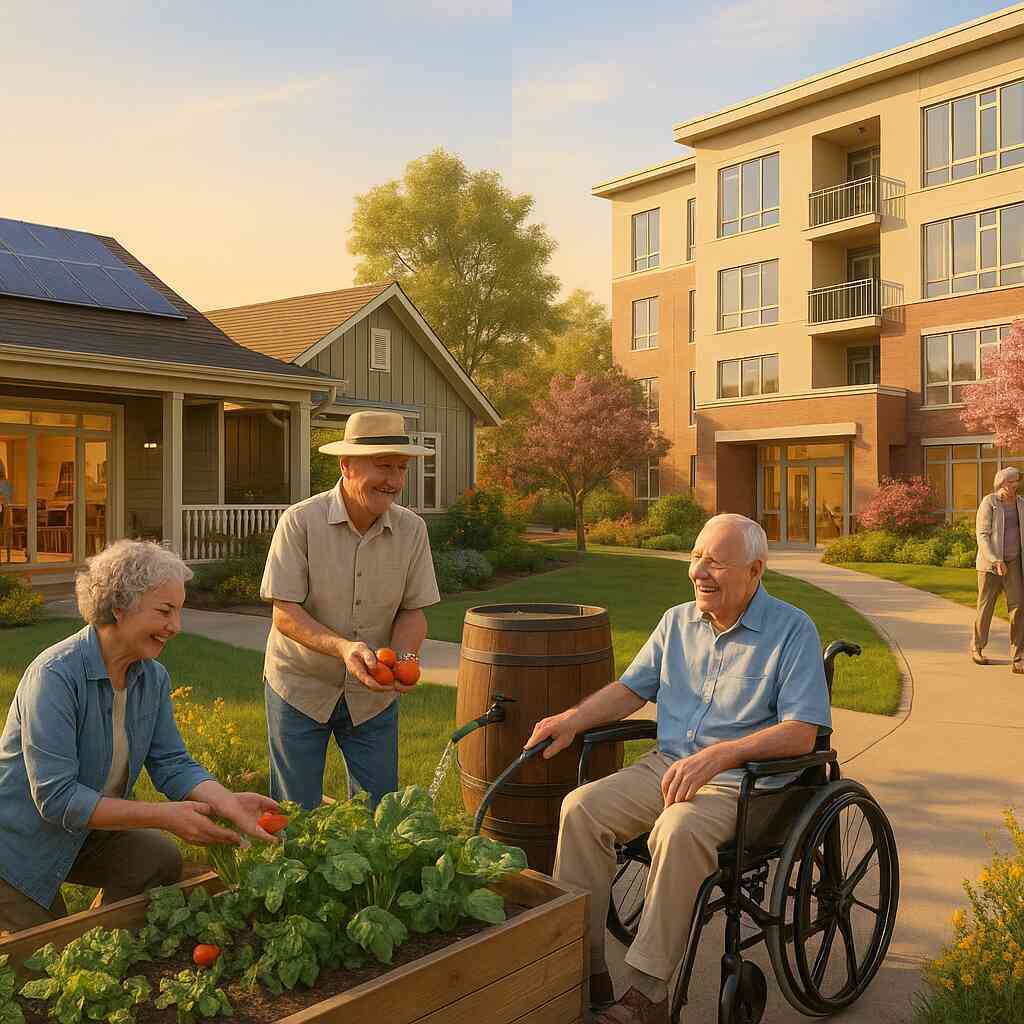
Cohousing flips this dynamic by empowering residents to curate both menu and ambiance. Potluck traditions invite experimentation and storytelling about family heritage dishes. Cooking teams cross-pollinate skills-a retired surgeon might learn sourdough baking from a former schoolteacher. Monthly town-hall meetings set event calendars covering film salons, bird-watching walks, and language classes taught by residents themselves. This participatory model strengthens social connection by transforming every neighbor into a potential mentor or collaborator.
Assisted Living Plans Versus Neighborhood-Based Care in Collaborative Housing
Assisted living plans provide tiered help with bathing, dressing, and medication management, billed à la carte or as bundled packages. Licensed aides track vitals, coordinate with physicians, and document interventions for compliance. Such predictable scaffolding benefits seniors managing progressive diseases, because care upgrades can occur seamlessly within the same apartment. However, costs can escalate quickly as care intensity climbs, and some residents feel defined by their tier classification.
Neighborhood-based care in collaborative housing unfolds more organically. Informal check-ins, chore swaps, and meal trains cover many routine needs long before professional help becomes necessary. When skilled care is required, residents may hire home-health nurses collectively, dividing travel surcharges and improving scheduling efficiency. Although this approach demands more coordination from aging adults themselves, it also nurtures reciprocity and dignity. The contrast highlights a philosophical difference: assisted living locations sell a service; cohousing cultivates mutual aid.
Caregiver Support and Transportation Services: Navigating Daily Logistics
Family caregivers often juggle medical appointments, prescription refills, and grocery runs on top of their own responsibilities. Senior living facilities aim to lighten that load by providing on-site clinics, pharmacy drop-offs, and scheduled shuttles to local attractions. Dedicated concierge desks manage pet grooming, package deliveries, and handyman requests, freeing relatives to focus on quality time rather than errands. Robust transportation services extend residents’ autonomy, enabling them to attend concerts, volunteer engagements, and worship services without needing to drive.
In cohousing, logistical solutions run on collective creativity. Car-sharing cooperatives replace individual vehicles, and sign-up boards coordinate rides to farmers’ markets or medical campuses. Tech-savvy neighbors help others order medication online, while wellness committees track upcoming preventive screenings. These grassroots systems require active participation yet foster interdependence that many older adults find more satisfying than transactional staff relationships. By blending peer support with selective outsourcing, collaborative neighborhoods craft flexible solutions tailored to how residents actually live.
Cost Comparison of Senior Living Options: Shared Equity and Rental Models
Sticker shock often drives early research. Full-service senior housing can carry monthly fees rivaling luxury mortgages, especially when layered with escalating care tiers. On the positive side, predictable billing bundles property taxes, utilities, meals, and activities, simplifying budgeting for seniors who prefer an all-inclusive arrangement. Entrance-fee models can even refund a portion to estates, protecting generational wealth under certain conditions.
Cohousing finances work differently. Some projects use a shared equity model where members purchase homes at market rate but agree to resale caps, preserving affordability for future buyers. Others offer rental housing through cooperative corporations that own land collectively, keeping monthly dues lower by eliminating third-party profit margins. Participating in the development process-attending design sessions, serving on committees-can sometimes substitute for a portion of the cash investment, making entry feasible across a range of income levels. Families analyzing long-term costs should examine not just dollars but also intangible returns: agency, connection, and environmental impact.
Closing the Circle: Integrating Heart and Data in Your Senior Housing Journey
Aligning Wellness Programming with Personal Aspirations for Aging in Place
The most fulfilling housing choice supports both physical vitality and emotional resonance. Begin by mapping personal aspirations-continuing a gardening passion, mentoring youth, or practicing tai chi at sunrise. Then evaluate how each setting’s wellness programming aligns with those goals. A senior living facility might boast a fully equipped greenhouse, while a cohousing site promises communal composting and seed-sharing circles. Consider also spiritual nourishment through meditation rooms or interfaith gatherings that honor life transitions.
Include practical metrics like walkability scores, air-quality indices, and access to mental-health resources in your assessment. Balanced evaluation blends hard data with personal instinct, producing sharper clarity than sentiment alone. Ultimately, aging in place within a senior cohousing community or an assisted campus should feel like a platform for ongoing growth rather than a retreat from society. When both heart and facts point in the same direction, confidence replaces uncertainty.
Using an Assisted Living Locator to Explore Senior Living and Intentional Communities
Online tools accelerate research by aggregating floor plans, pricing, and resident reviews in one place. A robust assisted living locator lets you filter by care level, lifestyle preferences, and geographic radius, reducing thousands of listings to a workable shortlist. Photos and virtual tours provide useful visual context, but always schedule in-person visits to test acoustics, taste the food, and observe interpersonal dynamics. Bring a checklist covering emergency procedures, staff turnover rates, and resident council structures to keep tours focused and productive.
For those interested in cohousing, explore intentional community directories, social media groups, and regional meet-ups. Many forming projects welcome guests at design meetings, offering a level of transparency rarely seen in traditional development. Regardless of path, maintain a comparative spreadsheet tracking amenities, governance models, and wait-list lengths. This disciplined approach transforms an overwhelming search into a manageable decision-making process.
Action Steps to Connect, Compare, and Choose Through the Senior Living Facilities Platform
Gather everything you have learned and use the search tool to find senior communities near you. The platform spans all fifty states, enabling side-by-side views of senior housing options, assisted living locations, and emerging cooperative models. Save favorites, record tour impressions, and share personalized links with family members for real-time input. When questions arise, the Senior Living Facilities advisory team is ready to decode licensing jargon or outline funding strategies.
If you discover a vibrant collaborative neighborhood not yet listed, consider using the platform’s add listing feature so other families can benefit-community thrives on shared knowledge. Trust your observations throughout the process; the right choice is the place where smiles feel genuine, hallways echo with laughter, and future plans spark excitement. Moving forward deliberately converts the daunting maze of senior housing into an empowering path toward security, purpose, and joy.
Frequently Asked Questions
Question: How can Senior Living Facilities help me perform a senior living facilities comparison between a licensed senior living facility and a resident-run cohousing neighborhood?
Answer: Our platform lets you search senior living options across all 50 states, then filter by property type-independent living campuses, assisted living locations, long-term care facility wings, or modern cohousing for older adults. By placing these housing options for seniors side by side, you can view licensing levels, staffing ratios, communal dining formats, sustainability features, and pricing models in a single dashboard. Detailed profiles, resident reviews, and virtual tours give you the data you need, while our advisory team explains regulatory differences so you can confidently weigh a senior living facility versus cohousing without hours of separate research.
Question: What are the key pros and cons of communities for seniors 55+ when choosing between assisted living plans and neighborhood-based care in collaborative housing?
Answer: Assisted living plans inside a regulated senior living facility provide 24/7 caregivers, medication management, and predictable bundled costs-ideal for progressive medical conditions. The trade-off is less resident control over daily schedules. Neighborhood-based care in cohousing relies on mutual aid, shared transportation services, and group contracts with home-health agencies, which preserves autonomy and lowers fees but requires active participation. Senior Living Facilities summarizes these pros and cons for each listing so families can match lifestyle preferences, caregiver support expectations, and budget to the right setting.
Question: How does the cost comparison of senior living options-such as rental housing for seniors in intentional communities-stack up against traditional senior apartment rentals with on-site services?
Answer: Rental housing for seniors in self-governed cohousing often features lower monthly dues because residents share equity in common assets and handle some maintenance themselves. Traditional senior apartment rentals inside full-service senior housing include meals, housekeeping, and activities in one predictable payment, which can feel simpler but more expensive. Our cost calculator on Senior Living Facilities breaks down entrance fees, monthly service packages, care-level surcharges, and resale restrictions so you can see the true lifetime outlay for each model.
Question: Safety is a major theme in this comparison-how do technology-enabled senior living solutions strengthen safety in both environments?
Answer: Licensed senior living facilities deploy enterprise platforms: wearable fall detectors sync with electronic health records, smart thermostats adjust to individual comfort, and family dashboards track daily living statistics. Modern cohousing for older adults embraces consumer technology-voice-activated assistants, mesh Wi-Fi for telehealth calls, and community-owned AED devices-backed by neighbor check-ins. Listings on Senior Living Facilities indicate which technology features are already installed and which can be added, helping you select future-proof senior housing.
Question: Can the Senior Living Facilities assisted living locator connect me with eco-friendly senior living near me, including sustainable senior cohousing projects?
Answer: Absolutely. Use our assisted living locator to filter for eco-friendly senior living, selecting certifications like LEED or net-zero energy as well as shared amenities such as solar arrays, compost programs, and pollinator gardens. The same search surfaces cooperative neighborhoods with rainwater capture and electric-vehicle fleets. Whether you prefer a green-certified assisted living facility or a pocket neighborhood near public transit, our database ensures you can find quality care without compromising your environmental values.
Admin
Expert contributor specializing in senior living care. Dedicated to providing families with clear, actionable advice.