Emergency Preparedness In Senior Living 2026 Updates
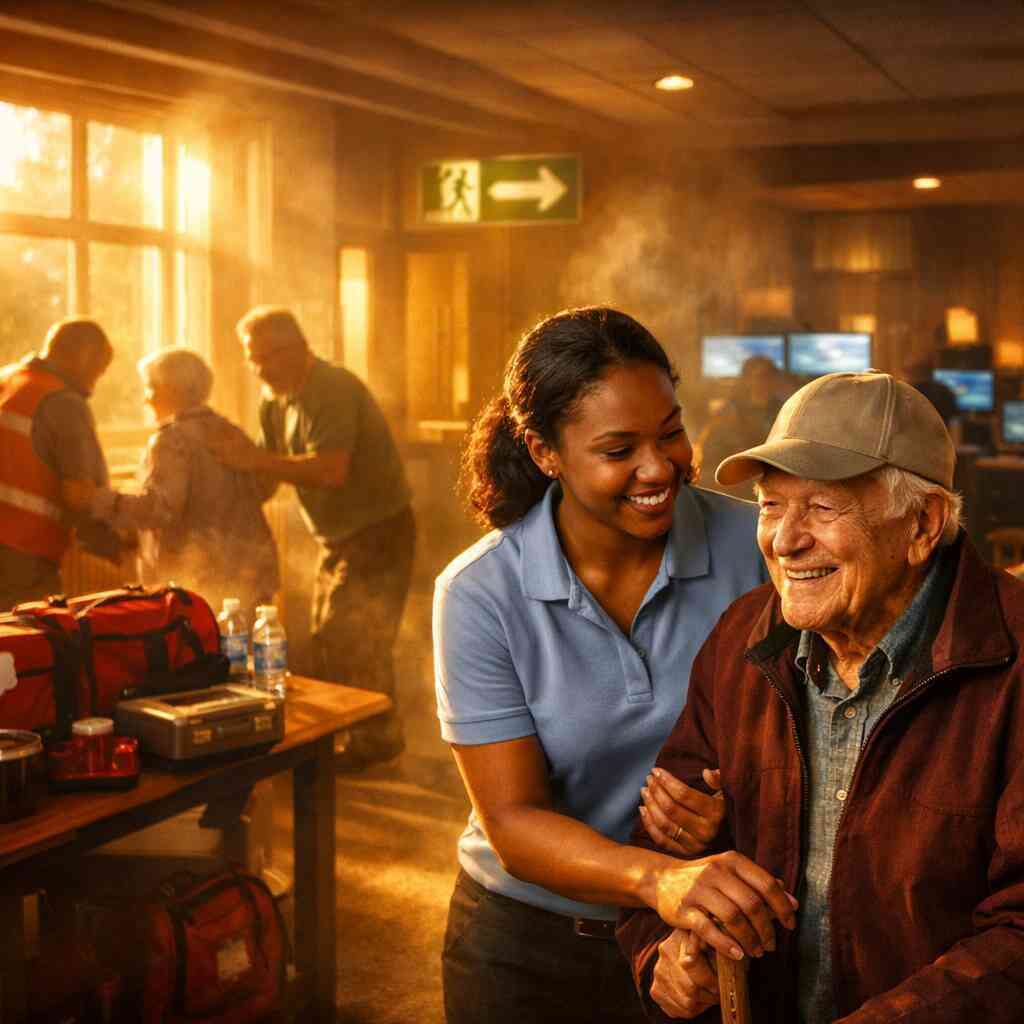
The New Frontier of Senior Safety Beyond 2025
The landscape of safety for older adults is undergoing a profound transformation. Emergency preparedness for senior living is no longer a static checklist but a dynamic, integrated philosophy. This new frontier moves beyond basic compliance to build truly resilient ecosystems where resident wellness and security are inseparable. Modern senior living facilities are now architecting holistic safety cultures that anticipate novel threats and empower every individual. Consequently, families seeking peace of mind must look for communities that embody this evolved, proactive stance. The commitment to excellence in this area defines the leading senior living communities and safety standards today.
Redefining Emergency Preparedness for Modern Senior Living
Gone are the days when disaster readiness in senior communities meant a binder on a shelf. Contemporary preparedness is a living, breathing component of daily operations, woven into the very fabric of community life. It encompasses everything from advanced medical emergency response in senior housing to psychological support systems during a crisis. This redefinition acknowledges that a one-size-fits-all plan is insufficient for diverse populations across independent living, assisted living, and nursing homes. Proactive facilities now conduct regular senior living facility emergency drills that simulate complex, multi-hazard scenarios. Ultimately, this approach ensures that resident safety during community disasters is maintained with dignity and efficiency, a core value for any exceptional senior living facility.
Why 2026 Demands a Paradigm Shift in Senior Community Safety
Emerging threats, from intensified weather patterns to new public health challenges, necessitate a fundamental rethink. The evolving regulatory landscape and technological advancements also drive this imperative shift in 2026 senior living safety protocols. Communities must now plan for cascading failures where a power outage triggers communication breakdowns and medical device failures. This paradigm shift requires integrating data analytics into risk assessment and moving from reactive to predictive safety models. Therefore, a community’s value is increasingly measured by its adaptive capacity and investment in next-generation solutions. Families should prioritize facilities that demonstrate this forward-thinking mindset in their emergency response plans for assisted living and other care models.
Integrating Resident Wellness with Disaster Readiness
True preparedness harmonizes physical safety protocols with the emotional and social well-being of residents. A comprehensive plan addresses activities of daily living in emergencies, ensuring routines and personal comforts are disrupted as little as possible. This integration means emergency supply kits include familiar foods and comfort items, not just water and batteries. It also involves training staff to provide reassurance and clear communication to reduce anxiety during an event. Furthermore, wellness integration ensures that health care continuity in senior housing is preserved, with robust plans for medication management during emergencies. This human-centric focus transforms a crisis plan from a logistical document into a promise of sustained care and compassion.
Architecting Resilient Senior Living Ecosystems
Building a resilient community requires intentional design across physical infrastructure, operational procedures, and human networks. This architectural approach views the senior living facility as an interconnected system where each component strengthens the whole. From the foundational emergency response plans for assisted living to the intricate web of external partnerships, every element must be robust and interoperable. Consequently, resilience is not an added feature but the core structural principle of modern senior housing. This section explores the critical blueprints for constructing these unshakable ecosystems that protect our most vulnerable populations.
Advanced Emergency Response Plans for Assisted Living Evolution
Modern assisted living plans have evolved into sophisticated, multi-layered documents that are both specific and flexible. These advanced plans account for the full spectrum of resident acuity and mobility, detailing precise roles for every staff member. They incorporate clear evacuation procedures for nursing homes and assisted living wings, with dedicated teams for mobility assistance. Importantly, these plans are dynamic, updated continuously with insights from drills and real-world events. They also include detailed annexes for specific threats, ensuring a tailored response whether the crisis is medical or environmental. This evolution represents the gold standard in operational readiness that families should actively look for.
Next-Generation Communication Systems for Senior Community Emergencies
Reliable information flow is the central nervous system of any effective emergency response. Next-generation communication systems for senior community emergencies now integrate redundant, multi-modal channels. These systems may include mass notification apps, dedicated emergency alert radios, and robust internal PA systems, all functioning simultaneously. The goal is to ensure alerts reach staff, residents, and family members instantly, regardless of power or cellular network status. Furthermore, these systems facilitate real-time coordination with external responders, creating a unified command structure. Investing in such technology is a non-negotiable component of modern disaster readiness in senior communities.
Shelter-in-Place Protocols Reimagined for Modern Senior Housing
Shelter-in-place protocols for assisted living have been radically redesigned for extended duration and comfort. Modern protocols transform common areas into fortified havens with independent power, climate control, and emergency supplies. These spaces are pre-stocked with emergency supply kits for senior living facilities that include food, water, medical supplies, and entertainment. Protocols now explicitly plan for maintaining air quality and managing waste if occupants cannot leave for days. This reimagined approach turns a defensive tactic into a strategy for maintaining community and care under sustained pressure. It is a critical capability for senior apartment rentals and care facilities alike.
Medical Emergency Response Integration Across Care Continuums
Seamless medical response is paramount, especially in settings like a long-term care facility. Integration means connecting on-site clinical teams with local EMS, hospitals, and even virtual health providers during a crisis. Plans must detail the rapid triage and treatment of residents, ensuring medication management during emergencies is flawless and auditable. This continuum of care also involves having portable medical records and advanced directives readily accessible for evacuations. Ultimately, this integrated medical response framework saves lives by eliminating delays and confusion when every second counts. It is the hallmark of a community dedicated to comprehensive senior living facilities emergency preparedness.
Environmental Threat Mitigation for Every Senior Living Facility
The physical environment presents diverse challenges that require equally diverse preparedness strategies. A senior living facility in coastal Florida faces different primary threats than one in tornado-prone Texas or earthquake-conscious California. Therefore, effective environmental threat mitigation is not generic but meticulously tailored to local risks and community design. This section delves into the specific strategies that protect residents from natural and man-made environmental dangers. From fire to flood, a robust plan addresses each hazard with precision, ensuring the safety of every resident in housing options for seniors.
Severe Weather Preparedness Tailored to Regional Senior Housing
A one-size-fits-all approach to weather is dangerously inadequate. Severe weather preparedness for elderly housing must be hyper-local, informed by historical data and future climate projections. For instance, a senior living facility in Florida disaster readiness plan prioritizes hurricanes, with specific protocols for boarding windows, generator fuel, and post-storm safety. Conversely, a senior living facility in Texas severe weather protocols plan would emphasize tornado safe rooms and extreme heat response. This tailored planning extends to senior living facilities in California emergency plans, which must rigorously address earthquakes and wildfires. Regional customization is the cornerstone of credible natural disaster preparedness for seniors.
Fire Safety Innovations in Senior Apartments and Independent Living
Fire safety updates in senior apartments now leverage smart technology and improved materials to create safer environments. Innovations include advanced smoke and heat detection systems that pinpoint location and automatically alert the fire department. Sprinkler systems are more effective and less disruptive, while fire-resistant building materials are becoming standard in new construction. Importantly, evacuation planning now incorporates assistive devices and clear pathways for residents with mobility challenges. Regular, resident-inclusive fire drills ensure everyone understands the sound of alarms and the nearest exits. These innovations are critical for protecting residents in independent living communities where self-sufficiency is encouraged.
Flood Preparedness Strategies for Long-Term Care Facilities
Flood preparedness for long-term care facilities is a complex logistical challenge, especially for non-ambulatory residents. Strategies begin with site risk assessment, elevating critical infrastructure like electrical panels and backup generators above potential water levels. Facilities in flood zones maintain pre-positioned sandbags and water barriers, along with detailed plans for moving residents to higher floors. The plan must also address utility failure preparedness in senior housing, as floods often knock out power and water. Contingencies for emergency water supply for senior communities and food safety during prolonged emergencies are absolutely essential. This multi-layered defense is vital for facilities in vulnerable areas.
Seasonal Emergency Planning: Heat Waves to Winter Storms
Seasonal shifts demand specific and proactive planning cycles. Heat wave emergency plans for seniors involve monitoring indoor temperatures, ensuring HVAC reliability, and identifying residents most vulnerable to heat stress. Hydration stations and cool-down areas become critical community resources during extreme heat. Conversely, winter storm readiness in senior communities focuses on preventing isolation, ensuring ample heating fuel, and managing icy walkways. Plans include checking on residents in senior apartment rentals and arranging for snow removal to maintain access for emergency services. This seasonal rhythm of preparedness ensures year-round vigilance and protection.
Operational Excellence in Crisis Management
Even the most brilliant plan is worthless without the operational excellence to execute it. This excellence is forged through relentless training, robust logistics, and seamless external coordination. It transforms written protocols into instinctive, effective action by every staff member. Operational readiness ensures that a senior living community functions as a cohesive unit under extreme stress. This section examines the backbone of crisis management: the people, supplies, and partnerships that make resilience a reality.
Staff Training Certification for Senior Living Emergency Scenarios
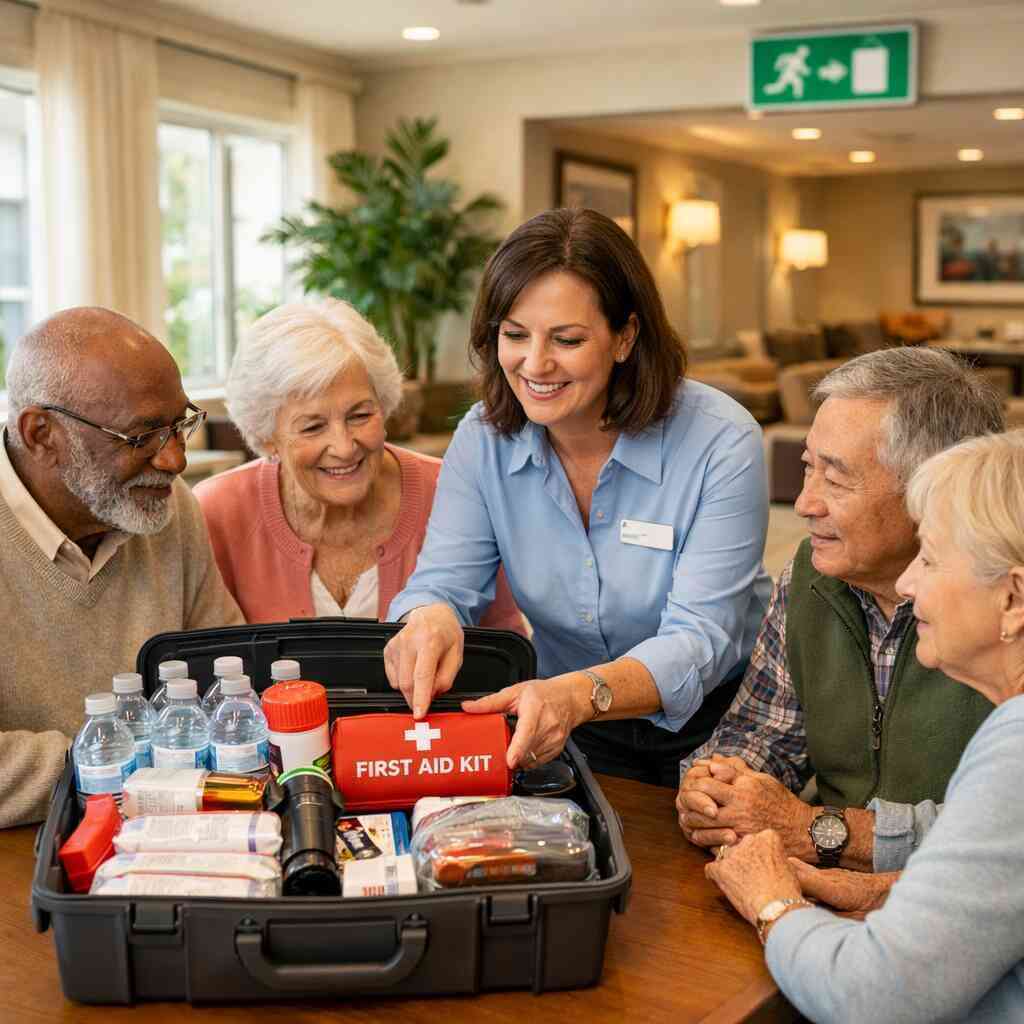
Competency must be verified, not assumed. Staff training for senior living emergencies has evolved into a formal certification process covering a wide range of senior living emergency scenarios. This training goes beyond basic first aid to include crisis communication, crowd management, and operating emergency equipment. Emergency preparedness certification for staff is now a recurring requirement, with annual refreshers and skill validations. Drills are increasingly unannounced and high-fidelity, testing staff under realistic pressure. This investment in human capital is the single most important factor in ensuring resident safety during community disasters.
Emergency Supply Chain Management for Senior Communities
A crisis can disrupt normal delivery channels for days or weeks. Proactive emergency supply chain management for senior communities involves maintaining strategic reserves of critical items. This includes not only food, water, and medical supplies but also oxygen, prescription medications, and durable medical equipment. Management strategies involve rotating stock, vetting multiple local and regional suppliers, and establishing priority resupply agreements. A robust plan also considers medication management during emergencies, ensuring an uninterrupted supply for all residents. This logistical foresight prevents a secondary crisis within the primary emergency.
Utility Failure Preparedness in Modern Senior Housing
Modern life depends utterly on continuous power, water, and communications. Utility failure preparedness in senior housing is therefore a dedicated component of operational planning. This involves installing and meticulously maintaining backup generator requirements for senior facilities to power medical devices, elevators, and climate control. Plans also address water purification and storage if municipal water fails. Furthermore, communication systems for senior community emergencies must have battery and generator backups to remain operational. Regular testing of these backup systems is a non-negotiable operational discipline for any reputable community.
Coordinating with Local Emergency Services for Optimal Response
No senior community is an island during a disaster. Proactive coordinating with local emergency services is a mandatory element of operational excellence. This involves inviting fire, police, and EMS to tour the facility, understand its layout, and review emergency plans. Many communities establish formal memoranda of understanding for mutual aid and priority response. This coordination ensures that external responders are familiar with the location of high-need residents and critical infrastructure. Such partnerships are a force multiplier, dramatically improving the speed and effectiveness of any external aid.
Technological Integration and Human-Centric Solutions
The future of safety lies in the thoughtful marriage of advanced technology with deeply human-centric care. Smart systems provide unparalleled awareness and speed, while compassionate frameworks address fear and uncertainty. This synergy creates an environment where residents feel both physically secure and emotionally supported. For families evaluating options, the presence of both technological sophistication and a palpable culture of care is a key differentiator. This balance is what defines the next generation of safe senior living communities.
Smart Technology for Emergency Alerts in Senior Living
Smart technology for emergency alerts in senior living is revolutionizing how warnings are disseminated and received. Integrated systems can now send geographically targeted alerts to digital signage, resident room tablets, and wearable devices simultaneously. These systems can automatically trigger environmental controls, like closing air dampers during a fire or locking doors during a security threat. The integration of the Internet of Things (IoT) allows for real-time monitoring of everything from pipe temperatures to resident wellness patterns. This creates a proactive safety net that can often prevent emergencies before they start. Exploring these senior living facilities tech trends boosting safety 2026 is crucial for understanding modern community standards.
Personal Emergency Response Systems (PERS) and Beyond
While traditional Personal Emergency Response Systems (PERS) pendants remain vital, the technology has exploded. Modern systems include fall detection accelerometers, GPS location for residents who may wander, and two-way voice communication. The next evolution integrates these systems with the community’s broader health monitoring and emergency response platform. This allows a call for help to instantly provide staff with the resident’s location, medical history, and even real-time vital signs. This seamless integration ensures that help is not just on the way, but is already informed and prepared.
Mobility Assistance and Evacuation Strategy Innovation
Evacuating residents with limited mobility is one of the most complex challenges in emergency planning. Contemporary mobility assistance evacuation strategies employ specialized equipment like evacuation chairs, tracked stair-descent devices, and even inflatable slides. Innovative planning includes pre-designating “areas of refuge” with fire-rated walls and doors where residents can safely await assistance. Furthermore, transportation for medical evacuations is pre-arranged with vendors who have accessible vehicles and trained personnel. These strategies ensure that every resident, regardless of physical ability, has a clear and executable path to safety.
Psychological Support Frameworks During Community Disasters
The emotional toll of a disaster can be profound, especially for older adults. Effective psychological support during emergencies is now a formal component of elite emergency plans. This involves training staff in psychological first aid to calm and reassure residents during and after an event. Frameworks include maintaining familiar routines as much as possible and creating “comfort teams” to provide companionship. Plans also address health care continuity in senior housing for mental health services, ensuring therapy and counseling are not interrupted. This holistic care acknowledges that recovery is emotional as well as physical.
Building Toward Unshakable Senior Community Security
The journey toward ultimate security is continuous, built on a foundation of regulation, culture, and informed choice. It requires a commitment to never becoming complacent and to always seeking improvement. For the industry, this means anticipating regulatory changes and fostering a pervasive culture of safety. For families, it means knowing what questions to ask and what standards to demand. This final section charts the path forward, empowering all stakeholders to contribute to creating environments where seniors can thrive without fear.
The Future of Emergency Preparedness Regulations in Senior Care
The regulatory landscape is constantly evolving to meet new challenges. The future of emergency preparedness regulations in senior care will likely mandate more integrated, technology-enabled, and frequently tested plans. Expect stricter requirements for backup generator requirements for senior facilities, cybersecurity protections, and infection control protocols. Staying ahead of these emergency preparedness regulations for senior care is a key responsibility for all providers. Communities that proactively adapt not only ensure compliance but also demonstrate leadership in resident protection. For ongoing insights, resources like our article on top 7 compliance changes at senior living facilities 2026 can be invaluable.
Creating a Culture of Safety in Every Senior Living Facility
Regulations set the floor, but culture determines the ceiling. Creating a culture of safety in every senior living facility means making preparedness everyone’s daily responsibility, from management to maintenance. This involves regular resident emergency preparedness education, open discussions about safety, and empowering staff and residents to report potential hazards. It celebrates safety milestones and learns transparently from drills. This culture ensures that safety protocols are lived values, not just forgotten rules. It is this ingrained mindset that truly makes a community resilient and trustworthy.
Your Next Steps in Finding Prepared Senior Living Near You
Armed with this knowledge, your search for a secure community becomes more focused and informed. Start by using our assisted living locator to find options in your desired area. When you visit or contact a seniors living community, ask specific questions about their emergency plans, staff training, and technology investments. Inquire about their last full-scale drill and how they communicate with families during a crisis. Compare communities not just on amenities, but on the depth and sophistication of their safety infrastructure. Let us help you connect with communities that make your loved one’s security their highest priority, because finding a true haven of care and safety is the most important decision you can make.
Frequently Asked Questions
Question: How can I find a senior living facility that has updated its emergency response plans for assisted living to meet 2026 senior living safety protocols?
Answer: At Senior Living Facilities, we make it easy to find communities that prioritize cutting-edge safety. Our platform allows you to search, compare, and connect with senior living facilities and assisted living locations that have evolved beyond basic checklists. When you use our assisted living locator, look for communities that describe dynamic, integrated emergency response plans for assisted living. These advanced plans include regular senior living facility emergency drills, detailed evacuation procedures for nursing homes, and robust shelter-in-place protocols for assisted living. We help you identify facilities that treat disaster readiness in senior communities as a core operational philosophy, ensuring they are prepared for everything from medical emergency response in senior housing to natural disaster preparedness for seniors. Trust our database to guide you to communities where resident safety during community disasters is the highest priority.
Question: What should I look for regarding staff training and communication systems when evaluating a senior living community’s emergency preparedness?
Answer: This is a critical area, and Senior Living Facilities helps you ask the right questions. You should look for communities that invest in formal emergency preparedness certification for staff and conduct regular, realistic training for senior living emergencies. Our listed communities often feature next-generation communication systems for senior community emergencies, which include redundant, multi-modal alerts to keep staff, residents, and families informed. We recommend prioritizing facilities that demonstrate excellence in staff training for senior living emergencies and have clear emergency contact systems for independent living and care wings. This ensures that during any incident, from a power outage contingency plan for seniors activation to a severe weather event, the team is certified, coordinated, and can execute plans flawlessly to maintain health care continuity in senior housing.
Question: How do modern senior living facilities handle specific environmental threats like hurricanes, heat waves, or winter storms?
Answer: Leading senior living facilities and senior housing communities we list employ threat-specific, regional strategies. For instance, a senior living facility in Florida disaster readiness plan will have detailed hurricane preparedness protocols, while a community in Texas would focus on tornado safety in senior housing communities and heat wave emergency plans for seniors. Our platform helps you find communities with tailored severe weather preparedness for elderly housing, which includes robust backup generator requirements for senior facilities, emergency water supply for senior communities, and food safety during prolonged emergencies. Whether you’re looking at senior apartment rentals or a long-term care facility, we connect you with options that have proven strategies for winter storm readiness in senior communities, flood preparedness, and more, all part of a holistic natural disaster preparedness for seniors approach.
Question: Can Senior Living Facilities help me find a community that integrates technology for safety, like personal emergency response systems (PERS) and smart alerts?
Answer: Absolutely. A key part of our service is helping you find seniors living communities that leverage technology for enhanced safety. We list communities that utilize advanced personal emergency response systems (PERS) with features like fall detection and GPS, integrated with the facility’s broader emergency response. Furthermore, we highlight housing options for seniors that deploy smart technology for emergency alerts in senior living, creating a proactive safety net. When you compare communities on our site, look for mentions of these tech trends boosting safety, which are crucial for everything from cybersecurity threats to senior living systems mitigation to daily wellness monitoring. This technological integration is a hallmark of the modern, resilient ecosystems discussed in resources like our blog post on Emergency Preparedness In Senior Living 2026 Updates.
Question: What role does coordination with local services and a culture of safety play in a facility’s emergency preparedness?
Answer: This is the foundation of true operational excellence. Senior Living Facilities prioritizes connecting you with communities that understand emergency preparedness is a team effort. We recommend facilities that actively engage in coordinating with local emergency services, ensuring fire, police, and EMS are familiar with their layout and plans for transportation for medical evacuations. Beyond external partnerships, the best communities for seniors 55+ foster a pervasive culture of safety in every senior living facility. This includes resident emergency preparedness education, psychological support during emergencies, and empowering everyone to be part of the safety solution. This culture ensures that plans for utility failure preparedness in senior housing or medication management during emergencies are lived values, giving you and your loved one complete confidence in their disaster readiness in senior communities.
Senior Living Facilities Editorial Team
Expert contributor specializing in senior living care. Dedicated to providing families with clear, actionable advice.