Exploring Future of Assisted Living Facilities in Winter
 Opening the Doors of Winter Ready Assisted Living
 Opening the Doors of Winter Ready Assisted Living
Why cold climate senior living facility innovations matter
Older adults feel temperature changes more intensely, so winter-ready senior living facilities must prioritize reliable warmth. Thermal stress can amplify chronic conditions, making cold climate senior living facility innovations a health necessity, not a luxury. Communities that install redundant heating, draft-free windows, and rapid-response maintenance crews significantly lower hospitalization risks. In addition, eco-friendly systems cut operating costs, keeping rental housing for seniors affordable during peak utility months. Families who understand these benefits quickly see why properly designed environments translate into both comfort and longer, healthier lives.
Extreme weather also threatens mobility, cognition, and mood, intensifying fall risks and seasonal depression. Forward-thinking senior housing adds heated walkways, indoor garden atriums, and adaptive lighting to counteract dark days. These upgrades encourage continuous movement and social connection, two pillars of successful aging. When blizzards strike, resilient infrastructure shields residents from isolation while safeguarding critical medical equipment. Consequently, innovations support not only physical safety but emotional well-being, reinforcing the value of investing in winter-specific design.
Shifting expectations of residents in a seniors’ living community
Today’s older adults enter a senior living community with higher lifestyle expectations than previous generations. They demand technology-enabled independence, boutique wellness programming, and sustainability credentials alongside traditional care. As a result, senior living facilities must evolve from shelter providers into experiential hubs offering smart thermostats, virtual fitness, and green building certifications. Residents view these features as baseline qualities, especially in regions where winter occupies half the year.
Personalization also shapes expectations. A senior living facility now tailors thermal settings, dietary options, and activity calendars to individual preferences. Residents want chef-crafted comfort foods that still support heart health, plus snow-safe excursion plans that ensure adventure continues despite icy streets. Communities that deliver this customization foster loyalty, boost occupancy, and differentiate themselves in crowded markets. By listening closely to seniors’ unique winter needs, operators transform seasonal challenges into memorable perks.
How the Senior Living Facilities platform simplifies the search for winter ready care
Families often feel overwhelmed comparing heating systems, snow safety protocols, and infection-control policies across dozens of assisted living locations. The Senior Living Facilities platform removes this stress by aggregating verified data on every winter-critical feature, from backup generators to flu-shot clinics. Interactive filters let users prioritize must-haves like indoor fitness trails or proximity to emergency hospitals, shortening decision time dramatically.
Furthermore, the platform doubles as a trusted search platform for senior care near you that highlights regional nuances, such as mountain climate transportation or lakeshore wind patterns. Expert advisors translate technical specifications into plain language, ensuring families grasp why one community’s heated garage might trump another’s scenic view during an ice storm. This guidance empowers consumers to select the safest, most comfortable option before the first snowflake falls.
Warm Architecture Cool Planet Infrastructure Innovations Keeping Senior Housing Comfortable
Thermal comfort strategies for senior housing with eco-friendly heating solutions
Senior housing thermal comfort strategies begin with airtight envelopes that block drafts before they threaten older adults’ health. Triple-paned windows, insulated doors, and well-sealed attics keep indoor temperatures stable even when blizzards rage outdoors. Winter-ready senior living facilities then pair passive design with active eco-friendly heating solutions, such as high-efficiency boilers that recover waste heat. By maintaining steady warmth, communities protect residents from cardiovascular stress triggered by sudden chills. They also reduce utility bills, freeing funds for enrichment programs that brighten gloomy months.
Forward-thinking operators now favor geothermal loops and air-source heat pumps that sip electricity while delivering generous, quiet warmth. These systems eliminate combustion fumes, boosting indoor air quality for residents with respiratory conditions. Solar thermal panels pre-heat water, cutting boiler run-time and carbon output simultaneously. Facilities that monitor indoor humidity prevent dry-skin discomfort common during prolonged furnace use. Together, these measures create holistic, environmentally responsible comfort that meets modern expectations.
Retrofitting senior apartment rentals with energy efficient heating and insulation
Many aging buildings were constructed before today’s efficiency standards, yet they still host thousands of older renters. Effective retrofits start with an infrared scan to locate heat loss around windows, foundations, and rooflines. Crews then add dense-pack cellulose insulation, seal rim joists, and install balanced ventilation that exchanges stale air without wasting heat. The result is senior apartment rentals with energy-efficient heating that rival new construction for coziness and cost control. Residents notice fewer cold spots and enjoy lower winter utility charges that fit fixed incomes.
State incentives and federal tax credits can offset the capital required for deep energy upgrades. For instance, programs encouraging energy-efficient senior apartments in Michigan provide grants for high-performance windows and variable-speed heat pumps. Owners who leverage these resources often recoup investments within several heating seasons through reduced fuel consumption. Enhanced comfort also drives occupancy, making retrofits a win for both financial and human well-being. Transparent communication about upgrade timelines keeps residents informed and engaged throughout construction.
Smart thermostat integration in assisted living for personalized comfort
Smart thermostat integration in assisted living transforms a generic heating schedule into a personalized comfort plan. Residents choose temperature ranges that reflect their medical conditions and personal preferences, while staff receive alerts if rooms drift outside safe thresholds. Voice-activated controls aid individuals with limited mobility, fostering independence without sacrificing oversight. Data from occupancy sensors allows the system to lower the heat in empty suites, trimming waste without compromising health. Families appreciate knowing loved ones enjoy consistent, gentle warmth day and night.
Analytics generated by networked thermostats support predictive maintenance, flagging boilers that short-cycle or radiators that underperform. Assisted living plans increasingly pair these insights with remote dashboards accessible to caregivers on tablets. When combined with wearable devices, thermal data can even correlate comfort levels with sleep quality or blood pressure trends. Strict privacy protocols ensure health information remains secure while still delivering actionable insights. In turn, facilities refine energy budgets and clinical strategies simultaneously.
Designing rental housing for seniors with heated walkways and snow melt systems
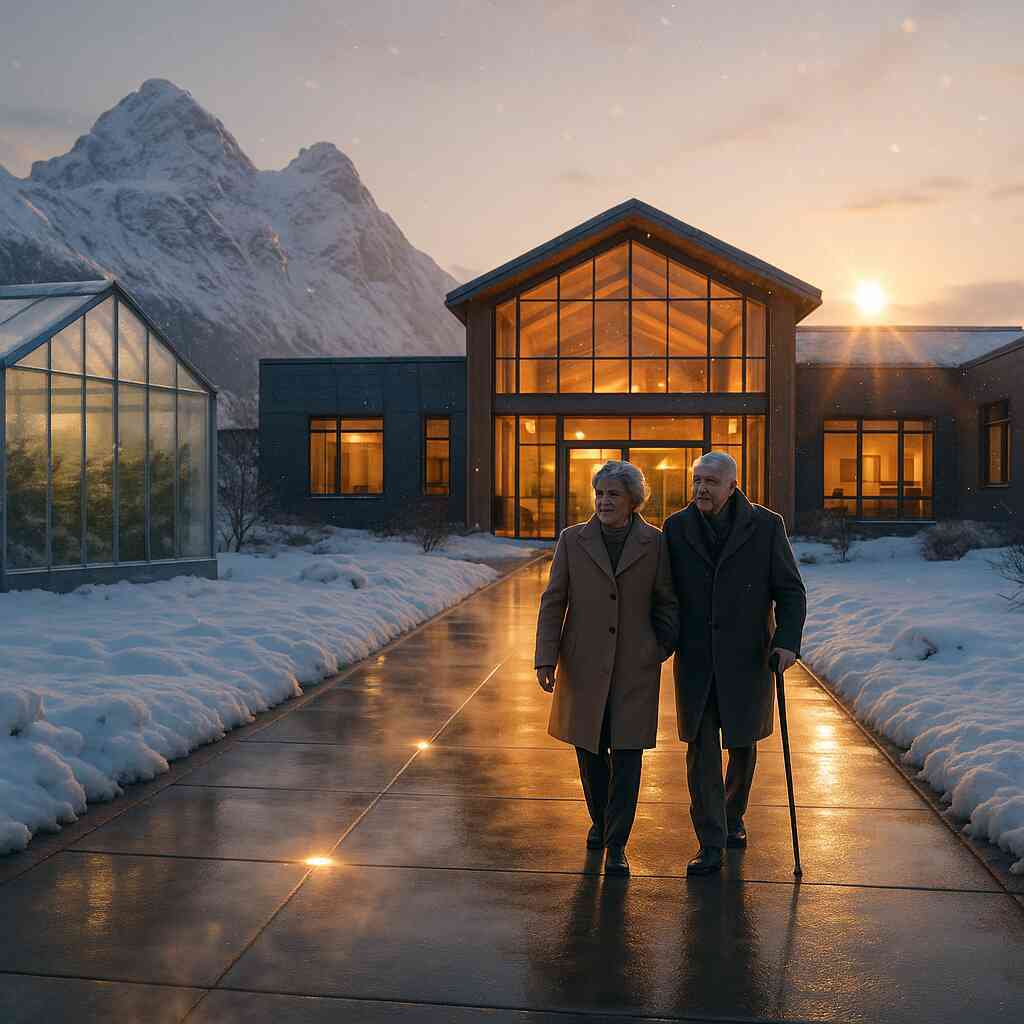
Rental housing for seniors with heated walkways tackles two winter hazards at once: frigid exposure and dangerous ice buildup. Embedded hydronic tubing circulates warm glycol beneath concrete paths, melting snow before it compacts into slick surfaces. Residents enjoy safe, dry routes to dining rooms, mailboxes, and shuttle stops without wrestling heavy boots or salt buckets. The system also preserves mobility aids, preventing corrosion on wheelchairs and walkers that salt can cause. Reliable egress boosts mental health by shrinking feelings of confinement during storms.
Operators integrate walkway heating controls with weather forecasts, activating systems only when precipitation and low temperatures overlap. This smart automation conserves energy while meeting seniors living community snow safety protocols that regulators increasingly scrutinize. Handrails with embedded heating elements further support winter fall prevention programs for seniors, offering warm, dry grips during icy gusts. Illuminated path edges enhance visibility in early sunsets, rounding out a comprehensive exterior safety design. Ultimately, these measures extend outdoor seasons, encouraging daily movement and social interaction despite relentless cold.
Health Shield Beyond the Flu: Comprehensive Winter Wellness and Safety Protocols
Winter vaccination drives at senior living facilities and nursing homes for the elderly
Winter vaccination drives anchor the health shield strategy used by winter-ready senior living facilities. Clinical teams schedule on-site clinics before viral peaks, reducing resident travel during icy weeks. Pharmacists explain vaccine updates in plain language, boosting confidence and participation among newcomers. Families receive digital reminders through the assisted living locator winter move guidance portal, ensuring consent forms arrive promptly. Consequently, immunization rates climb, and outbreaks drop significantly across housing options for seniors in cold regions.
Yet, outreach alone does not guarantee success, so engagement tactics evolve constantly. Facilities host “wellness cafés” where residents discuss side-effect myths over herbal tea. Peer ambassadors from communities for seniors 55+ winter wellness groups share personal stories, making information relatable. Multilingual materials support diverse populations, reinforcing inclusivity. When residents feel respected and heard, they embrace preventive care, safeguarding everyone under one warm roof.
Assisted living plans for seasonal illness prevention and infection control
Assisted living plans for seasonal illness prevention begin with layered defenses that mirror hospital protocols, yet feel homelike. Touch-free handwashing stations appear at every dining room entrance, promoting habit formation through strategic placement. Air purifiers with medical-grade HEPA filters complement senior housing thermal comfort strategies, capturing pathogens without chilling the environment. Regular surface testing identifies high-risk zones, allowing rapid sanitation before symptoms spread. Transparently published metrics build family trust and regulatory goodwill.
Operational policies adapt to local epidemiology, illustrating cold climate senior living facility innovations in real time. When community transmission rises, communal seating adjusts to spacious configurations, preserving social connection safely. Staff rotate between neighborhoods less often, reducing cross-unit exposure while maintaining personalized service. Digital dashboards track absenteeism, enabling managers to activate contingency staffing quickly. These assisted living plans for seasonal illness prevention prove that vigilance and warmth can coexist gracefully.
Remote health monitoring in assisted living during winter for proactive care
Remote health monitoring in assisted living during winter bridges the gap between early symptom detection and swift intervention. Wearable sensors track vital signs continuously, alerting nurses when respiratory rates shift subtly. This technology shines during storms, when hospital trips become riskier. Real-time dashboards flag deviations, empowering clinicians to adjust medications before complications escalate. Family portals provide peace of mind, displaying colorful trends instead of cryptic numbers.
Integration with smart thermostat systems deepens insight by correlating room temperature with wellness markers. If a resident’s oxygen levels dip as temperatures fall, maintenance teams inspect heating within minutes. Predictive analytics highlight residents at higher risk for pneumonia, guiding proactive physician visits. As a result, remote health monitoring in assisted living during winter transforms reactive care into a constantly adapting safety net.
Nutrition and comfort foods that boost immunity in a long term care facility
Nutritionists craft winter menus that soothe the soul while bolstering immunity in every long-term care facility kitchen. Slow-simmered soups blend antioxidant-rich root vegetables with lean proteins, delivering warmth and resilience together. Fortified oatmeal offers soluble fiber and vitamin D, counteracting limited sunlight. Residents enjoy the flavors of tradition without the hidden sodium that can strain aging hearts. Consequently, plates become both protective armor and culinary nostalgia.
Meal programs align with individualized care plans, reflecting dietary restrictions and cultural preferences. Dietitians collaborate with gardeners who maintain indoor herb walls, adding fresh aroma even during blizzards. Cooking demonstrations teach residents how nutritional comfort foods in senior living facilities support energy and mood. Family recipe exchanges nurture community bonds, linking generations around healthy comfort cuisine. Through mindful nourishment, immunity gains extra layers of defense.
Staff training for blizzard emergencies and continuity of medical care
Staff training for blizzard emergencies combines scenario drills, cross-discipline education, and resilient leadership coaching. Teams practice shelter-in-place protocols, testing generator operations and backup communication tools simultaneously. Pharmacy liaisons verify that essential medications remain stocked for at least one week. Transportation coordinators rehearse alternate routes with city plow departments, ensuring dialysis appointments continue despite road closures. Every drill concludes with debrief sessions that translate lessons into updated policies.
Collaborations with regional experts further strengthen readiness for long-term care facility storm preparedness. An occupational therapist from fall prevention programs in Wisconsin senior facilities demonstrates indoor mobility strategies when outdoor paths ice over. Maintenance staff learn to install portable ramps swiftly, keeping evacuation corridors accessible. Clinical leaders review telemedicine partnerships, guaranteeing uninterrupted physician contact if travel halts. Through relentless preparation, residents feel safe, and families trust the community’s unwavering commitment.
Paths Without Ice Snow Safe Mobility and Transportation
 Paths Without Ice Snow Safe Mobility and Transportation
Seniors living community snow safety protocols and fall prevention programs
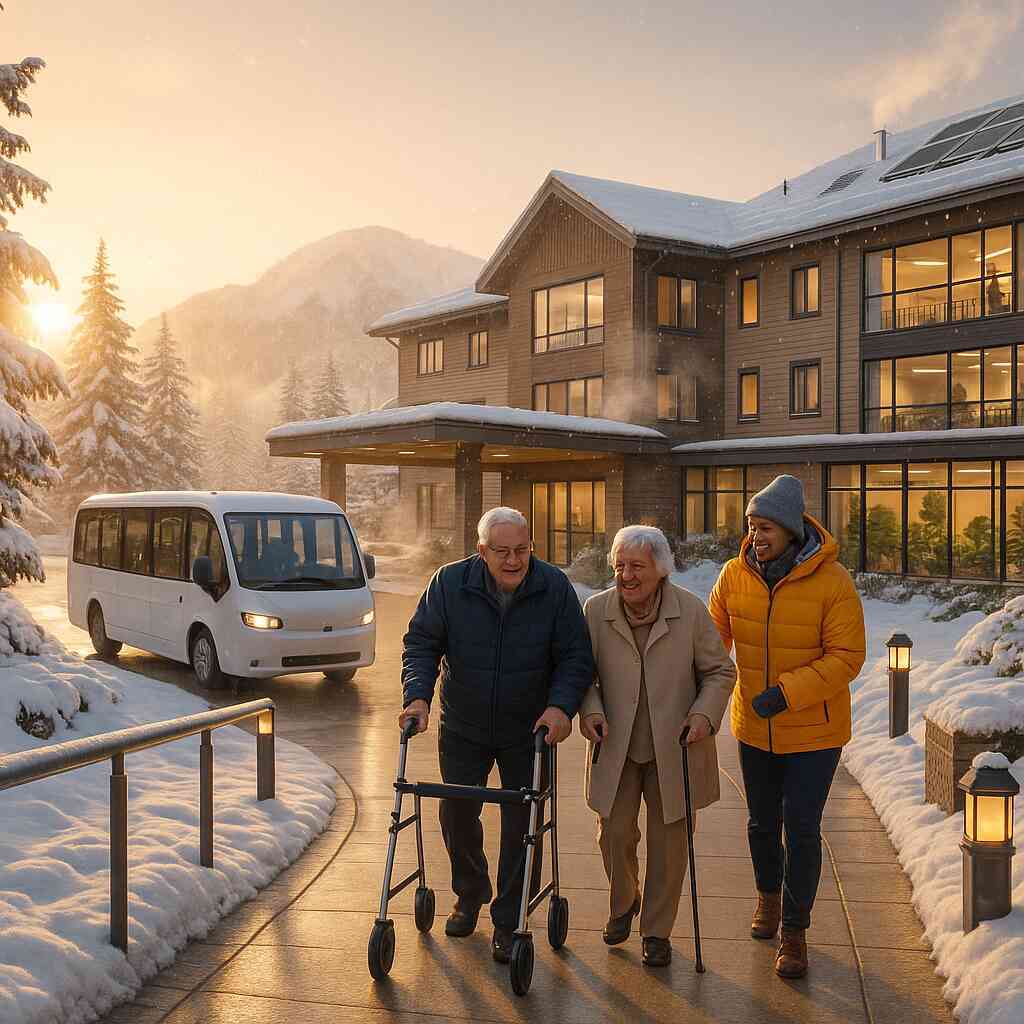
Slip accidents spike when ice coats entrance ramps, so communities develop meticulous snow safety protocols. Grounds teams inspect walkways hourly, documenting conditions through cloud dashboards that notify nursing supervisors instantly. De-icing products selected for seniors’ wheelchairs melt frost without corroding mobility aids. Maintenance logs integrate with electronic health records, allowing clinicians to correlate surface conditions with reported bruises. Because data drives improvement, every storm sharpens next week’s prevention playbook.
Winter fall prevention programs for seniors extend beyond shovels and salt. Physical therapists teach micro-step gait techniques that stabilize balance on unpredictable terrain. Residents practice with weighted ankle cuffs indoors, then graduate to supervised outdoor drills when conditions normalize. Vision clinics verify that glare-reducing lenses are available for dazzling snowfields, further cutting risk. By weaving clinical support into daily routines, the seniors living community’s snow safety protocols become a culture rather than a list of chores.
Shuttle services and proximity to public snow transit routes for senior living near you
Reliable transportation maintains dignity, so operators run heated shuttles every daylight hour. Drivers receive specialized training in anti-lock braking on icy inclines, ensuring calm rides to pharmacies and worship services. Vehicles carry portable traction mats, allowing quick recovery if parking lots glaze unexpectedly. GPS systems factor in real-time plow routes, shortening travel during active snowfall. Residents track arrivals through voice-accessible apps, reducing outdoor wait times.
Strategic site selection also includes proximity to cleared bus lines and accessible rail stops. Families searching “senior living near me” often filter communities within walking distance of public snow transit routes, knowing redundancy matters when engines fail. Urban planners coordinate with facility managers, lobbying municipalities to prioritize sanding around elder hubs. Clear signage and sheltered depots protect cognition-impaired riders from wrong turns. Consequently, seamless multimodal networks transform brutal weather into a manageable inconvenience rather than a social barrier.
Indoor fitness trails and assisted living locations offering year round movement
Because cabin fever undermines cardiovascular health, architects carve climate-controlled walking loops through common areas. Rubberized flooring mimics outdoor friction levels, letting residents maintain gait patterns developed during summer strolls. Benches every thirty yards offer rest points without breaking momentum. Window walls usher natural light onto the path, synchronizing circadian rhythms despite early sunsets. Interactive murals update weekly, gamifying distance goals for friendly competition.
Some regions lead by example, including the senior living communities in Minnesota with indoor walkways that stretch several city blocks under glass. Their success proves that ambitious infrastructure pays dividends in lower rehab costs and higher resident satisfaction. Assisted living locations offering year round movement integrate biometric kiosks along the trail, capturing pulse and oxygen levels without needles. Data funnels to wellness coaches who adjust exercise prescriptions before fatigue spirals. Empowered residents celebrate milestones on digital leaderboards broadcast during mealtime, fostering motivation even when blizzards rage outside.
Long term care facility storm preparedness for evacuation or supply runs
Evacuation readiness begins with mapping every resident’s mobility classification and required medical devices. Color-coded door tags match triage lists stored on encrypted tablets, enabling orderly departures when seconds matter. Facilities pre-stage all-terrain wheelchairs and inflatable transfer sleds near fire exits, eliminating frantic searches during low visibility. Partnerships with local snowmobile clubs provide backup traction vehicles capable of traversing blocked roads. Regular drills occur under simulated power outages, reinforcing muscle memory crucial during real chaos.
Supply resilience receives equal attention. Pantry managers follow a just-in-case inventory model, stockpiling high-calorie shelf-stable meals for seven days. Pharmacy fridges plug into dual generator circuits, guaranteeing insulin potency if municipal lines fail. Satellite phones maintain contact with regional emergency commands, coordinating airlifts when highways close. This layered long term care facility storm preparedness framework replaces anxiety with confidence, assuring families that essential care continues unbroken even when nature tests every seam.
Winter Wellness Engagement Keeping Spirits Bright
Intergenerational holiday events in communities for seniors 55 plus
Festive programs thrive when toddlers, teens, and grandparents share laughter under one roof. Communities for seniors 55+ invite nearby schools, scouting troops, and music academies to co-create pageants where every age group shines. Story-circles let elders teach traditional crafts while children demonstrate trending dances, fostering mutual respect. Attendance skyrockets because residents feel purpose, not pity, when they headline celebrations. Learn how purposeful planning amplifies joy through this season by exploring holiday tradition engagement for seniors in winter.
Organizers schedule rehearsals during daylight to ease travel and accommodate differing energy patterns. Adaptive seating ensures wheelchair users share front-row views beside energetic grandchildren, eliminating hierarchy. Nutritionists serve allergy-conscious cookies so everyone enjoys safe treats without medical interruptions. Afterwards, photo booths email memories instantly, strengthening family bonds beyond campus walls. These inclusive touches convert ordinary parties into signature experiences that market the community all year.
Creative use of indoor spaces for gardening art and virtual travel
Snowstorms no longer freeze residents’ passions when atriums transform into lush micro-gardens. Raised beds at seated height allow arthritis-friendly planting of herbs that later season communal soups. Nearby, art studios rotate supplies from watercolor to digital tablets, encouraging exploration without costly field trips. This creative flexibility supports winter wellness senior living in Vermont and other snowy states where outdoor activities pause. Continuous sensory engagement counters seasonal depression more effectively than passive entertainment alone.
Operators repurpose underused conference rooms into immersive projection domes. Virtual reality headsets whisk residents to tropical beaches, famous museums, or cherished hometowns within minutes. Occupational therapists guide sessions, turning escapism into cognitive therapy that sharpens recall. Regular surveys capture emotional outcomes, informing future program tweaks that keep experiences fresh. By layering botanical scents, tactile crafts, and digital adventures, staff nourish every learning style despite icy forecasts.
Senior living near me holiday engagement calendars and volunteer opportunities
Families searching “senior living near me” often weigh communities’ social calendars as heavily as medical ratings. Transparent event listings detail choir concerts, menorah lightings, and multicultural potlucks, proving managers respect diverse traditions. Facilities also publish volunteer opportunities, inviting neighbors to read stories, knit scarves, or escort residents on shopping runs. These collaborations expand social networks while easing loneliness common during long evenings. Blog updates covering the autumn-to-winter transition in senior living near you highlight upcoming festivities and signup links.
Effective calendars use color-coded categories so residents quickly spot fitness, spiritual, or creative options. Digital reminders flash on in-room smart displays, helping memory-impaired individuals attend chosen sessions independently. When blizzards cancel transportation, staff livestream events, maintaining continuity. Post-event feedback forms empower residents to influence future scheduling, reinforcing agency. Such responsive planning showcases a culture that values voice over convenience.
Technology for social connection combating seasonal isolation
Modern platforms keep friendships active even when ice seals doors shut. Voice-activated tablets let residents start video chats without complicated menus, preserving dignity. Private networks host book clubs, trivia nights, and faith services, blending safety with spontaneity. Tutorials on winter-ready assisted living resources online guide newcomers through basic settings, minimizing frustration. As a result, digital confidence climbs, and isolation plummets.
Data analytics monitors participation, prompting caregivers to invite less active individuals personally. Wearable devices sync with communal leaderboards, turning daily step counts into friendly competitions that spark hallway conversations. Staff moderate forums gently, ensuring civility and preventing scams. Regular cybersecurity workshops teach residents to recognize phishing, protect their emotional and financial well-being. With technology as an ally, community warmth endures regardless of outdoor chill.
Data and Resilience Blueprint Data Driven Preparedness for the Next Storm
Assisted living locator insights guiding winter move decisions
Data gathered by our assisted living locator winter move guidance tools tracks snowfall history, road reliability, and emergency room proximity. Families compare these metrics with occupancy trends to avoid last-minute relocations. The locator also rates generator uptime, giving peace of mind during prolonged outages. Interactive dashboards translate technical scores into color-coded risk levels any grandchild can understand. Informed choices reduce both moving stress and future evacuation probability.
The same portal cross-references medical profiles with community climate records, suggesting ideal humidity ranges for respiratory conditions. Personalized alerts recommend sites where indoor gardens offset short daylight cycles. When users bookmark options, the system forecasts travel windows with minimal ice risk, simplifying logistics. Tutorials link to winter-ready assisted living resources online, empowering relatives to pack snow-safe clothing and medication coolers. Preparation becomes proactive instead of reactive.
Predictive analytics for staffing and supply management during cold snaps
Machine learning now parses historical attendance, flu reports, and weather feeds to forecast staffing needs by the hour. Administrators schedule float nurses before storms, preventing overtime spikes while maintaining ratios. The model also predicts kitchen inventory burn rates, prompting early orders of shelf-stable meals and extra hydration fluids. Suppliers appreciate advance notice, so delivery trucks arrive before roads freeze.
Sensor networks monitor fuel levels in real time, triggering automatic reorders when thresholds dip. Predictive analytics flags probable medicine shortages, guiding pharmacists to secure alternate distributors quickly. Dashboards visualize every risk on one screen, allowing managers to allocate resources calmly. Residents never see behind-the-scenes tension; they simply experience seamless care despite swirling snow.
Renewable microgrids and backup power for uninterrupted senior care
Cold climate senior living facility innovations increasingly rely on solar canopies feeding lithium batteries that run silently through dark evenings. Micro-turbines harvest wind along ridgelines, complementing daylight production. These hybrid microgrids isolate automatically when utility lines fail, preventing life-support disruptions. Combined heat and power units capture waste warmth, slashing boiler usage even during heavy clouds. Sustainability and safety merge without compromise.
Facilities broadcast live power status on lobby monitors, reassuring residents and staff. Maintenance teams review analytics that predict inverter wear, scheduling repairs long before malfunctions. Insurance premiums drop because blackout risks plummet, offsetting installation costs within a few heating seasons. Families favor communities where oxygen machines never depend on a single external wire. Energy independence therefore becomes a market differentiator, not merely a green badge.
Regulatory trends shaping cold climate senior living facility standards
Regulators now require redundant heating loops, storm-rated insulation values, and on-site fuel reserves sufficient for several days. Inspection checklists extend to snow-melt system response times and walkway illumination lux levels. Proposed guidelines encourage the integration of climate dashboards that residents can access, fostering transparency. Communities meeting higher tiers gain expedited licensing renewals and public recognition, boosting reputation.
Policy drafts often mirror insights from emerging senior living trends for 2025 snowy regions. Stakeholders contribute performance data, shaping standards that balance feasibility with resident safety. Grants reward early adopters of geothermal retrofits, accelerating industry-wide change. As codes evolve, Senior Living Facilities updates comparison filters, ensuring families see compliance scores instantly. Continuous alignment between data, design, and regulation keeps seniors warm, safe, and empowered.
Embracing the Season: Building Future Proof Winter Ready Senior Living
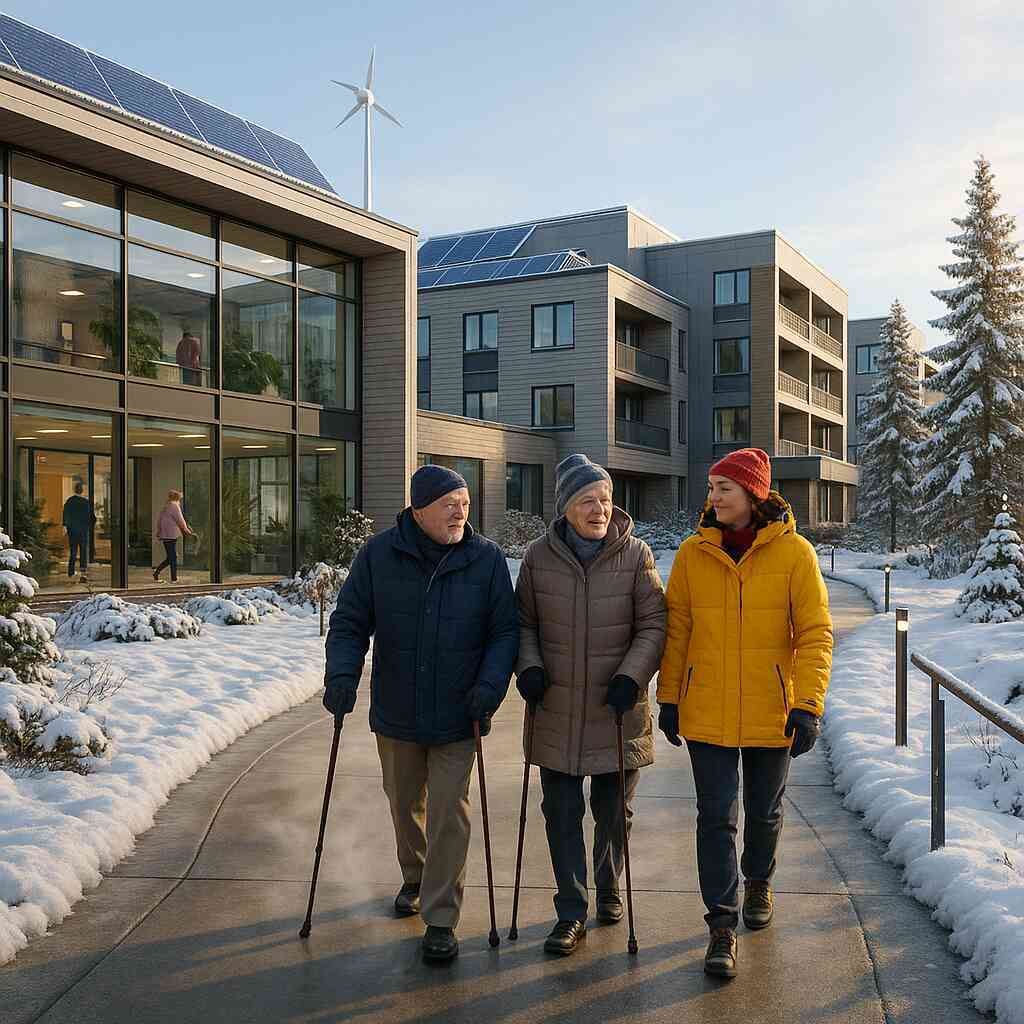 Embracing the Season: Building Future Proof Winter Ready Senior Living
Key takeaways for families evaluating senior living near you
First, prioritize communities with layered heating, backup power, and documented snow removal timelines. Those features reveal whether a senior housing provider truly understands the risks of cold climate living. Second, verify that indoor mobility amenities-like exercise loops and heated walkways-extend activity options when sidewalks freeze. Third, review infection-control reports and winter vaccination schedules, because strong clinical protocols protect loved ones when hospitals fill quickly. Fourth, explore social calendars packed with intergenerational and virtual events; robust programming counters seasonal isolation. Finally, use the assisted living locator winter move guidance tools to compare these factors objectively, eliminating guesswork and stress.
Even geography demands scrutiny. Families seeking mountain views may appreciate the assisted living choices in Colorado during the snow season that balance adventure with reliability. Others might favor coastal regions where lake-effect storms prompt extra insulation standards. Always ask about shuttle frequency, proximity to plowed transit routes, and vendor contracts for emergency supplies. Tour a potential residence after a storm if possible; real-time conditions often reveal maintenance culture better than brochures do. By evaluating these tangible markers, relatives ensure seniors experience warmth, autonomy, and peace of mind all winter.
Collaborative action items for operators designers and caregivers
Operators should convene cross-functional winter readiness teams that include maintenance, nursing, culinary, and resident representatives. Weekly meetings foster rapid feedback loops that refine snow safety protocols and energy budgets simultaneously. Designers must specify passive solar corridors, super-insulated envelopes, and flexible common areas that transform from garden rooms to therapy gyms as daylight shrinks. Caregivers can integrate remote monitoring dashboards with smart thermostats, linking comfort data to clinical alerts for proactive interventions. Together, these disciplines create housing options for seniors that feel secure without feeling clinical.
Continuous education galvanizes these improvements. Host annual drills that simulate generator failures, medication shortages, and transport disruptions, then update standard operating procedures based on lessons learned. Incentivize staff certifications in geriatric winter wellness and fall prevention programs for seniors, reinforcing professional growth. Share performance metrics with residents through lobby displays to build communal accountability. Invite local universities to study outcomes, transforming the community into a living laboratory that advances industry standards. Collaboration, transparency, and curiosity turn ordinary facilities into resilient examples.
A vision of inclusive resilient communities for snowy regions
Imagine a seniors living community where residents sip herbal tea beside sun-lit atriums while wind howls unnoticed outside. Energy-positive buildings harvest geothermal warmth, eliminating fossil fuel bills and shrinking carbon footprints. Indoor walking paths connect to VR studios, allowing residents to hike rainforests before attending chef-led soup classes rich in immune-boosting nutrients. In these spaces, winter ceases to be a constraint and instead becomes a backdrop for creativity and connection.
Senior Living Facilities stands ready to guide every family toward that vision. Our nationwide database highlights senior living near me results that already meet tomorrow’s benchmarks today. By combining rigorous data with compassionate advisors, we simplify searches and accelerate informed decisions. Join us in championing inclusive, resilient, future-proof environments where older adults not only endure winter but thrive within it. Together, we can transform the snow season from a challenge into an opportunity for excellence.
Frequently Asked Questions
Question: How do Senior Living Facilities help my family compare winter-ready senior living facilities that feature energy-efficient heating, smart thermostats, and rental housing for seniors with heated walkways?
Answer: Our platform gathers verified data on every cold-climate enhancement a community offers-from geothermal boilers to snow-melt sidewalks. Simply enter your ZIP code and use filters such as eco-friendly heating solutions in senior housing, senior apartment rentals with energy-efficient heating, or heated walkways. Side-by-side comparisons show utility-cost estimates, back-up power specs, and seniors living community snow safety protocols, so you can quickly see which options deliver the safest, coziest environment. Because Senior Living Facilities covers all 50 states, you’ll find accurate senior living near me results whether you live in the Rockies or along a windy Great Lake.
Question: What specific innovations should I look for when I use the assisted living locator winter move guidance to choose a cold climate senior living facility?
Answer: Start with layered heating (high-efficiency boilers plus in-room smart thermostat integration in assisted living), reliable renewable microgrids, and sealed building envelopes that support senior housing thermal comfort strategies. Next, review seniors living community snow safety protocols-heated entrances, illuminated handrails, and on-site maintenance that clears ice every hour. Finally, evaluate assisted living plans for seasonal illness prevention, such as winter vaccination drives at senior living facilities and remote health monitoring in assisted living during winter. Our locator turns these technical details into easy color-coded scores so you can schedule a safe winter move long before the first storm.
Question: The blog Exploring Future of Assisted Living Facilities in Winter highlights eco-friendly heating; can Senior Living Facilities connect us with communities already using geothermal loops, solar thermal, or heat-pump technology?
Answer: Absolutely. When you search for seniors living near you, select the Green/Eco Heating filter. We flag communities that use geothermal fields, air-source heat pumps, or solar thermal pre-heat systems-all key cold climate senior living facility innovations. Each profile lists expected carbon savings, indoor humidity control, and maintenance records. Our advisors can even arrange virtual tours where facility engineers explain how these systems keep residents warm while cutting costs.
Question: How do Senior Living Facilities verify the effectiveness of winter fall prevention programs for seniors and other snow safety measures?
Answer: We require documentation of each community’s seniors living community snow safety protocols before they appear on the site. That includes inspection reports on heated walkways, incident logs showing reduced slip rates, and staff training certificates for blizzard emergencies. We also request photos and third-party audits. Ratings update in real time, so if a nursing home for the elderly improves lighting or upgrades handrails, its score reflects the change within days. Families can trust that every claim has been cross-checked, not just self-reported.
Question: Can Senior Living Facilities recommend communities for seniors 55+ with winter wellness programs-like indoor fitness trails, intergenerational holiday events, and shuttle services to public snow transit routes-near me?
Answer: Yes-use our Lifestyle & Engagement filter set. We highlight assisted living locations offering indoor fitness trails, senior living near public snow transit routes, and holiday engagement calendars packed with intergenerational events. Interactive maps show shuttle loops and proximity to cleared bus lines. You’ll see which communities for seniors 55+ winter wellness programs include gardening atriums, virtual travel lounges, and nutritional comfort foods in senior living facilities. With one click you can connect to staff, schedule tours, or join upcoming festive events-even during peak snow season.
Admin
Expert contributor specializing in senior living care. Dedicated to providing families with clear, actionable advice.