Honoring Veterans in Senior Living on Memorial Day 2026
The Sacred Pause of Memorial Day in Senior Living Communities
Memorial Day arrives each year as a sacred pause, a collective inhalation of gratitude that washes across the nation. In senior living environments, this day takes on a profoundly intimate hue, especially for those who have worn the uniform. The hush that falls over the courtyards and common rooms is not merely respectful silence but a living, breathing acknowledgment of sacrifice and service. Families and caregivers alike become witnesses to a quiet, dignified ritual of memory that transcends the ordinary holiday observance. Within these walls, the cost of freedom is not an abstract concept but a deeply personal ledger of fallen friends and bygone battles. Senior living facilities transform into sanctuaries where the nation’s debt of honor is paid in the currency of remembrance, one veteran at a time.
Understanding the Duty to Remember in Communities for Seniors 55+ with Military History
Communities designed for older adults who share a military legacy understand that remembering is a sacred duty, not a casual option. The very architecture of these settings-the flagpoles, the shadow boxes in hallways, the veteran memorial walls-speaks a silent language of reverence that new residents immediately recognize. Whenever a gathering of former service members occurs, the conversation naturally drifts toward those who never made the journey home. This instinctive turn toward memory ensures that younger staff and visiting families absorb living history firsthand. In many places designed for an older demographic, the act of recalling names and faces becomes a shared moral compass. The result is a culture where honoring courage and sacrifice is woven into the fabric of everyday life, not just reserved for holidays.
Facilities that cater to those who served often integrate a formal ritual of remembrance into their annual calendar. Leaders in these communities for seniors 55+ with military history meticulously plan moments of silence, bell-ringing ceremonies, and roll calls of the departed. Each event serves as a bridge, connecting the present generation with the valor of the past in a tangible, emotionally resonant way. Residents who might struggle with memory loss still feel the emotional gravity of these ceremonies, responding to the music and the solemn tone. Family members frequently express profound gratitude for an environment that treats their loved one’s service as a cornerstone of identity. This deliberate cultivation of remembrance ensures that no hero fades quietly into oblivion.
Furthermore, the duty to remember extends beyond those who served to include Gold Star families within the community. Spouses and siblings who lost loved ones on foreign soil find that senior living spaces provide a compassionate container for their grief. Support groups often form organically, offering a consistent source of comfort and validation. The simple act of displaying a photograph of a fallen service member next to a lit candle can spark a conversation that heals deep wounds. Administrators recognize that bereavement without recognition can become a heavy, silent burden. By making remembrance a collective enterprise, these communities turn personal sorrow into a shared testament of love and loyalty. Ultimately, the duty to remember becomes the emotional bedrock upon which the entire community stands.
How Senior Housing for Veterans Transforms into Hallowed Ground for Reflection
Senior housing options for those who served possess a unique ability to shift from everyday residences into hallowed ground for reflection on Memorial Day. The transformation begins with a palpable stillness that descends as the morning sun touches the manicured lawns. Residents who once patrolled jungles, deserts, or frozen mountain passes gather with an unspoken understanding of what the day demands. Every corridor, lounge, and garden path echoes with the invisible footsteps of those who are present only in spirit. Staff members report a discernible change in the atmosphere-a hush that carries more weight than any applause. In these moments, senior housing for veterans becomes less a building and more a cathedral of memory.
The physical environment intensifies this sacred shift through intentional design and decorative choices. Portraits of residents in their military uniforms line the walls, accompanied by biographies that remind everyone of the courage housed within. American flags are placed at half-staff with a reverence that teaches younger generations about respect for the fallen. Flickering electric candles in windows serve as beacons, signaling to the surrounding neighborhood that the community is in mourning and gratitude simultaneously. Outdoor spaces, including meditation gardens and flagstone patios, become quiet alcoves for personal prayer and contemplation. This careful integration of symbolic elements transforms the entire property into a living memorial. Consequently, residents feel seen and honored in a way that generic housing could never replicate.
Moreover, the concept of hallowed ground is not limited to physical infrastructure but extends to the relational atmosphere cultivated year-round. Staff trained in military cultural competency approach every interaction with a deeper appreciation for the resident’s life story. When a World War II or Vietnam veteran shares a fragmented memory, caregivers lean in with patience and respect, recognizing the sacred nature of the revelation. The trust built over months of compassionate care allows the emotional floodgates to open when Memorial Day arrives. Tears are shed without shame, and hands are held in solidarity. This emotional safety morphs the community into a space where even profound grief feels welcome. In a world that often rushes past pain, senior housing becomes a consecrated refuge for the weary warrior’s soul.
Acknowledging the Quiet Grief of Elderly Heroes in Long-Term Care Facilities
The quiet grief that elderly heroes carry within long-term care settings often masks itself behind stoic facades and well-rehearsed smiles. Caregivers in these environments learn to read the subtle cues-a trembling lip during the national anthem, a distant stare at the horizon, a fidgeting of gnarled fingers over a folded flag. Unlike the explosive mourning of younger years, the grief of the aged veteran simmers beneath the surface, requiring a gentle and patient approach. Memorial Day in a long-term care facility for those who served becomes a careful excavation of buried sorrow, conducted with the softest tools of empathy. The aim is not to unearth trauma for its own sake but to honor it with dignity. By acknowledging this silent anguish, staff members validate a lifetime of invisible burden. Thus, healing moves from a clinical concept to a communal practice.
Professional teams in nursing homes for the elderly and veteran care settings understand that grief can manifest in physical and cognitive symptoms. A resident may withdraw from social dining, experience disrupted sleep, or exhibit increased confusion as the holiday approaches. Trained memory care directors and social workers recognize these signs as anniversary reactions tied to past combat losses. The interdisciplinary approach includes offering one-on-one counseling sessions and encouraging participation in gentle, symbolic activities. Aromatherapy paired with soft military hymns can soothe a troubled mind without requiring words. Staff also collaborate with chaplains and hospice volunteers to provide spiritual first aid. This holistic model ensures that the emotional well-being of the aging hero receives the same priority as physical health.
Families play a crucial role in acknowledging their loved one’s grief during this solemn season. Often, adult children and grandchildren assume the veteran wishes to avoid the topic entirely, fearing that bringing up the past will cause distress. However, experts in geriatric mental health note that guided recollection can reduce feelings of isolation and depression. A simple question about a surviving comrade’s nickname can open a treasure chest of meaningful stories and release pent-up sorrow. Senior living staff often facilitate these intergenerational conversations by providing memory prompts and comfortable settings. The act of family members bearing witness to tears transforms the dynamic from pity to profound respect. In this way, long-term care facilities become the stage for a powerful drama of legacy and love.
Crafting Meaningful Patriotic Remembrance Activities Across Senior Living
The act of crafting meaningful patriotic remembrance activities requires more than surface-level decorations and a barbecue. Senior living communities that excel in this realm treat the holiday as a curriculum of gratitude, blending sensory stimulation with historical education. Every event is designed to meet residents where they are physically and cognitively, ensuring that no one feels excluded from the ritual of honor. Activities range from solemn ceremonies that stir the soul to gentle crafts that engage trembling hands in a purposeful task. The goal is to weave patriotism into the fabric of the day so seamlessly that it feels as natural as breathing. By doing so, these programs combat the isolation that can haunt older adults and replace it with a warm, collective pride. This holistic approach transforms a single day into a cornerstone of community identity.
Memorial Day Flag Raising Ceremonies and Wreath Laying in Senior Living Courtyards
The morning of Memorial Day in senior living communities often begins with a crisp, dignified flag raising ceremony that sets the emotional tone for the entire day. Veteran residents don their garrison caps and service medals, lining up with a discipline that decades have not faded. A color guard, sometimes composed of active-duty volunteers from a nearby base, executes the precise mechanics of the ritual while every eye tracks the rising flag. The solemnity is broken only by the sound of a lone bugler playing a haunting rendition of “Taps,” its notes lingering in the air like a whispered prayer. This sensory symphony reaches residents who may be non-verbal, communicating honor through sound and ceremonial movement. Following the flag raising, a carefully chosen wreath-adorned with red, white, and blue blooms-is placed before a memorial plaque. Such events serve as the heart of veteran-centric senior apartment rentals, grounding the community in tradition.
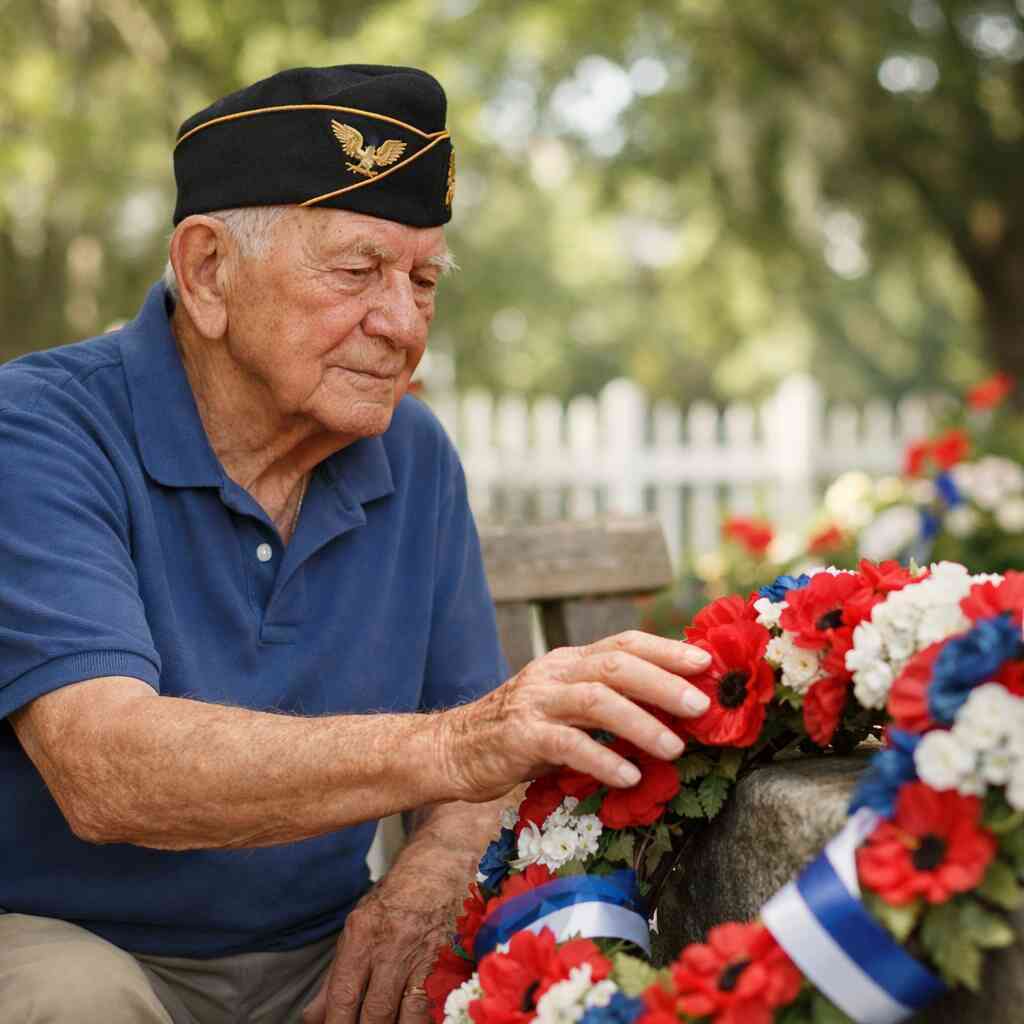
The wreath laying component carries a weight of symbolism that many residents find deeply cathartic. Each flower and ribbon represents a specific sacrifice, a life cut short, or a family forever changed. Often, the honor of placing the wreath is given to the oldest living veteran in the facility or to a Gold Star spouse who still carries the flame of a lost love. Observers describe a palpable shift in the courtyard atmosphere as the wreath is laid, a collective exhale of reverence. Staff members and family guests instinctively bow their heads, participating in a ritual that transcends religious boundaries. This act of communal homage reaffirms that the fallen are not forgotten and that their legacy blooms anew each year. For many aging warriors, participating in this ritual provides a closure that had eluded them for decades.
Beyond the central ceremony, many communities amplify the impact by involving residents in creating the wreaths and preparing the ceremonial space. A group of residents may gather in the arts and crafts room days earlier to assemble the wreath from donated flowers and hand-tied ribbons. This preparatory work becomes a rich opportunity for storytelling, as each veteran shares memories of a comrade they wish to honor. The tactile experience of arranging the foliage allows those with limited mobility to contribute meaningfully to a communal goal. Physical therapists often note the fine motor benefits, but the emotional rewards far outweigh any clinical gain. When the completed wreath is finally carried to the courtyard, the makers feel a profound sense of ownership and connection. This inclusive approach ensures that the ceremony belongs to everyone, not just a select few.
Memorial Day Storytelling Circles That Air Honor Flight Memories and Camaraderie
Storytelling circles offer veterans a chance to air their Honor Flight memories and battlefield camaraderie in a safe, respectful environment. These gatherings are typically held in a quiet library corner or a sunlit garden nook, with chairs arranged in an intimate circle that promotes eye contact and connection. A facilitator, often a social worker with training in reminiscence therapy, gently guides the conversation with open-ended prompts. Veterans who have remained silent about their service for half a century suddenly find their voices when surrounded by peers who understand the unspoken subtext. The stories that emerge are not always tales of heroism; they are often about the friend who shared a last cigarette or the cook who made a birthday cake from rationed ingredients. These deeply human narratives weave a tapestry of authenticity that teaches younger listeners what history books often omit. The power of the circle lies in its unconditional acceptance, transforming personal memory into a shared treasure.
The inclusion of Honor Flight memories adds a particularly poignant dimension to these storytelling circles. Many veterans have participated in an Honor Flight to visit the memorials in Washington, D.C., an experience that often serves as a catalyst for late-life emotional processing. In the safe confines of a senior living community, they vividly recount the surprise mail call on the plane, the applauding crowds at the airport, and the silent tears shed at the Vietnam Wall. These reflections carry a freshness that belies the decades that have passed since their actual service. Family members sitting on the periphery often hear details they never knew, leading to a deeper appreciation of their loved one’s inner world. Staff document some of these stories for future Memorial Day reflections in seniors living community gatherings, ensuring the legacy endures. Ultimately, the circle becomes a sacred space where time collapses and heroes speak freely.
To sustain engagement, communities often incorporate sensory triggers that unlock deeper memories during the storytelling. The scent of shoe polish might be diffused to recall the nightly ritual of preparing boots for inspection, or a piece of canvas might be passed around to evoke the feel of a tent. A playlist of 1940s swing music or 1960s rock can instantly transport the group back to the emotional landscape of their youth. These multi-sensory cues are particularly effective for residents with cognitive decline, as they bypass damaged neural pathways and tap directly into emotional memory. Caregivers observe increased eye contact, brighter affect, and spontaneous physical gestures during these enhanced sessions. The storytelling circle thus becomes a therapeutic intervention disguised as a social event. Through these carefully crafted experiences, the silence of trauma gives way to the healing rhythm of spoken memory.
Veteran Memorial Gardens as Living Legacies in Assisted Living Locations
Veteran memorial gardens serve as living legacies that blend horticultural therapy with perpetual remembrance in assisted living locations. These gardens are often designed in collaboration with local master gardeners and resident veterans, ensuring that every plant and pathway carries meaning. Color palettes of red, white, and blue dominate the landscape, with salvia, petunias, and alyssum creating a patriotic carpet that blooms from spring through fall. A central monument, perhaps a stone bearing the insignias of each military branch, anchors the space in solemn purpose. Benches are positioned to offer solitary contemplation, while a bubbling fountain provides a soothing soundtrack that masks the noise of daily life. For residents who find large ceremonies overwhelming, this garden offers a quiet, personal way to honor their fallen friends. It stands as a testament that memory can root itself in the earth and grow more beautiful with each passing year.
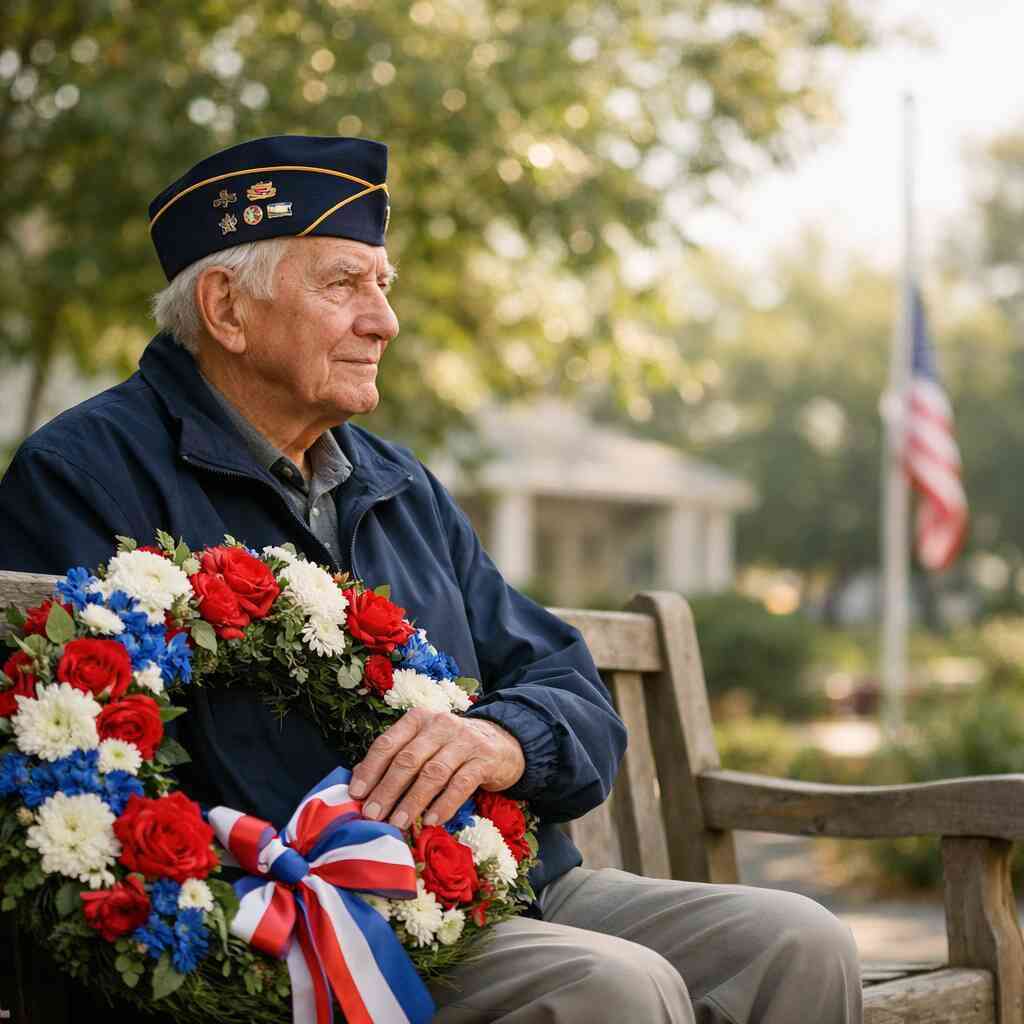
The therapeutic value of these gardens extends far beyond the visual beauty, engaging residents in the physical act of nurturing life. Raised planting beds allow wheelchair-bound veterans to prune, water, and plant flowers without straining their bodies. The repetitive, purposeful motions of gardening have been shown to reduce cortisol levels and improve fine motor function in older adults. Moreover, the act of caring for a living thing often rekindles a sense of purpose that combat veterans lost upon returning to civilian life. Master gardeners from the local extension office frequently volunteer their time to teach the seniors about soil composition and seasonal blooms, creating an intergenerational exchange of knowledge. This hands-on engagement transforms the garden from a static memorial into a dynamic, healing organism. Every blossom becomes a word in a silent prayer of gratitude, and every weed pulled is a rejection of despair.
Additionally, veteran memorial gardens serve as a powerful tool for communicating the community’s values to prospective residents and their families. When touring assisted living locations, families often stop and absorb the quiet dignity of a well-maintained memorial garden, instantly recognizing a culture of honor. The garden acts as a living resume, wordlessly testifying to the facility’s commitment to those who served. Some communities host an annual dedication ceremony in the garden, where new names are etched into memorial pavers or new rose bushes are planted. These events are often featured in the promotional materials of a Georgia assisted living locator for military families, guiding them toward the right choice. The garden becomes a signature feature that differentiates a thoughtfully managed community from a generic option. As the seasons change, the perpetual cycle of growth and renewal offers a comforting metaphor for eternal life. In this green sanctuary, the line between the living and the fallen blurs softly into peace.
Intergenerational Memorial Day Observances in Senior Living Near Me
Intergenerational observances bridge the gap between youthful energy and seasoned wisdom, creating a Memorial Day experience that enriches all participants. Schools, scouting troops, and youth orchestras frequently partner with senior living communities to stage collaborative events that educate and inspire. Children arrive with handmade cards, patriotic songs, and wide-eyed curiosity, bringing a contagious vitality that lifts the collective mood. For residents who may feel forgotten by a fast-moving world, the presence of a young person who genuinely wants to hear a war story is a potent antidote to loneliness. These interactions dismantle ageist stereotypes, replacing them with mutual admiration and heartfelt connection. The visit often concludes with a shared activity, such as placing small flags on the graves of veterans in a nearby cemetery. Families searching for an intergenerational Memorial Day observance in senior living near me will find that these events redefine community in the most beautiful way.
The structure of an intergenerational program often involves a carefully planned educational component that maximizes engagement for both age groups. Students might interview veterans using a prepared questionnaire, later compiling their findings into a bound booklet that the community displays in its library. This project-based learning transforms oral history into a tangible artifact, giving the child a sense of accomplishment and the senior a legacy preserved. Teachers report that students return to school with a radically altered perspective on sacrifice, patriotism, and the aging process. Simultaneously, residents feel validated as the keepers of crucial national history, a role that brings renewed self-esteem. The collaborative effort also breaks down the institutional walls that can make senior living feel isolating. When a child’s laughter echoes through the halls, the entire building becomes more alive.
Furthermore, these observances offer a gentle avenue for addressing the complex grief that children may carry for grandparents they have lost. A young person who never met a distinguished relative can find a surrogate in the veteran seated beside them, listening with rapt attention. The senior, in turn, may find a grandchild-like figure who fills an emotional void left by a family that lives far away. This symbiotic relationship often extends beyond the holiday, with pen pal programs and year-round mentorship arrangements sprouting from the initial meeting. Community directors skillfully facilitate these bonds, recognizing their therapeutic potential. Observing a teen gently push a wheelchair around a memorial garden while asking questions about military life illustrates a profound model of care. These moments are the heartbeat of a well-run senior living environment, proving that honor flows best when it’s shared across generations.
Patriotic Craft Activities That Foster Connection in Senior Apartment Rentals
Patriotic craft activities in senior apartment rentals provide a hands-on avenue for fostering connection, creativity, and gentle remembrance. These low-pressure projects invite residents of all ability levels to contribute to a shared aesthetic of gratitude that transforms the building into a gallery of honor. A table spread with red, white, and blue construction paper, glue sticks, and glitter becomes a magnet for social interaction, pulling even the most reserved individuals from their apartments. While fingers work on crafting paper poppies, star-spangled wreaths, or personalized thank-you cards for active-duty troops, conversation flows organically. This shared creative process often dissolves social barriers, allowing a World War II Navy veteran and a retired Army nurse to discover common ground. The resulting handmade decorations are far more precious than any store-bought ornament, imbued with the love and life experience of their creators. Such activities embody the essence of patriotic craft activities for veterans in senior apartment rentals, turning ordinary spaces into sanctuaries of sincere tribute.
The therapeutic benefits of craft-based programming are well-documented by gerontologists and recreational therapists. The repetitive motion of cutting and pasting can soothe anxiety and provide a sense of control for those coping with cognitive decline or physical limitations. Completing a project, no matter how simple, floods the brain with dopamine and reinforces a positive self-image. For a combat veteran who once wielded a rifle and now struggles to button a shirt, mastering a craft project provides a deeply satisfying sense of agency. Staff members are trained to offer adaptive tools that accommodate arthritis or visual impairment, ensuring no one is sidelined. Group crafting sessions also serve as an informal form of peer support, where residents gently encourage one another. The finished products-a door wreath, a window clinger, a tissue paper American flag-stand as symbols of resilience and communal spirit.
Beyond the individual benefits, these craft sessions can be strategically linked to larger community service projects that extend the spirit of honor outward. Residents might assemble care packages for deployed soldiers, filling boxes with handmade items, toiletries, and handwritten notes. This act of giving allows veterans to continue serving their country and supporting the next generation of warfighters, reinforcing a lifelong identity of duty. The apartment community then functions as a home base for ongoing altruism, a feature that often weighs heavily in the decision-making process for families using resources like a Texas senior apartment rentals for veterans search tool. Knowing that a loved one will live among peers who still prioritize service to others brings deep peace of mind. These crafting circles thus evolve into mission command centers, proving that a veteran’s call to serve never truly ends. The glue and glitter become instruments of healing and heritage.
Sustaining the Spirit of Honor Beyond the Holiday
The truest measure of a senior living community’s patriotism is not found in the grandeur of a single ceremony but in the quiet, consistent acts of honor that unfold during the other 364 days. Sustaining the spirit requires integrating veteran recognition into the daily rhythm of life, from the language staff uses to the programs funded in the annual budget. When an environment consistently values military service, veterans feel a persistent sense of belonging that stabilizes their mental health and deepens their social connections. This constancy also reassures families that their loved one is not merely housed but truly cherished. The infrastructure of honor-policy, training, and intentional companionship-becomes the bedrock upon which a dignified old age is built. By weaving respect for service into the fabric of care, senior living facilities elevate their mission from hospitality to vocational reverence. The result is a culture where every day is, in its own way, a small Memorial Day.
Assisted Living Facilities with Veteran Programs Providing Year-Round Recognition
Assisted living facilities that offer dedicated veteran programs provide a scaffold of recognition that supports residents through every season of the year. These programs are not a mere marketing afterthought but a comprehensive commitment that includes staff training in military cultural competence. Caregivers learn to understand the significance of a veteran’s branch of service, rank, and even specific conflict-era experiences. This knowledge allows them to craft personalized care plans that honor the individual’s history rather than inadvertently triggering trauma. Regular town hall meetings invite veteran residents to voice their needs and suggest programming, fostering a sense of ownership and democracy. The walls of these communities often feature rotating displays of uniform patches, commendations, and photographs, turning hallways into corridors of living history. Families evaluating assisted living facilities with veteran programs quickly recognize a profound difference in morale and resident satisfaction.
The backbone of these programs is often a dedicated Veteran Support Coordinator who liaises with local VA offices and veterans’ service organizations. This person assists residents in filing for service-connected disability claims, scheduling medical transport to VA hospitals, and understanding their evolving benefits. The coordinator also orchestrates monthly recognition events, such as Branch of Service birthday parties, where residents celebrate their shared heritage over cake and coffee. These smaller, more frequent gatherings keep the flame of camaraderie burning brightly, preventing the isolation that often follows the post-holiday lull. The coordinator’s office becomes a trusted sanctuary where a veteran can discuss sensitive issues like PTSD triggers or survivor’s guilt. By embedding this specialist role within the staffing model, the facility signals an institutional commitment that goes far beyond symbolism. This structure is what transforms a place of residence into a true home for heroes.
Year-round recognition also extends to dignified end-of-life rituals that honor veterans right up to their final moments. When a resident enters hospice care, a “Final Salute” ceremony may be organized, where members of the community line the hallway at attention while the individual is transported. A Veteran-to-Veteran volunteer program ensures that a fellow former service member is present to hold a hand or say a quiet prayer. The family receives a memory box containing service memorabilia, letters of gratitude, and a recorded oral history, preserving the legacy for grandchildren. These practices, which require meticulous planning and emotional intelligence, profoundly impact the entire community’s perception of death and valor. They transform grief from a solitary burden into a collective ritual of honor. In such environments, the spirit of Memorial Day lives in the courageous, loving farewell offered to each departing comrade.
Navigating Veteran Benefits for Long-Term Care with an Assisted Living Locator for Military Families
Navigating the labyrinth of veteran benefits for long-term care is a task that often overwhelms families during an already stressful transition. An assisted living locator service that specializes in military families becomes an invaluable compass in this complex journey. These professionals understand the nuanced eligibility criteria for programs like the VA Aid and Attendance pension, which can significantly offset the costs of assisted living and nursing home care. They guide families through the paperwork, helping them gather the necessary medical evidence and service records to avoid costly delays. Rather than leaving seniors to navigate a bureaucratic maze alone, the locator acts as a fierce advocate. This advocacy ensures that the veteran benefits for long-term care are fully accessed, honoring the promise made to those who served.
Frequently Asked Questions
Question: How does the blog post Honoring Veterans in Senior Living on Memorial Day 2026 relate to the real-world experience families can expect when searching for veteran-centric senior apartment rentals and communities for seniors 55+ with military history?
Answer: The blog post captures the soul of what our veteran-focused communities deliver every day. When families use Senior Living Facilities to search for housing options for seniors who served, they aren’t just finding a room – they’re discovering a culture of sacred remembrance, flag raising ceremonies, storytelling circles, and intergenerational observances. Our platform connects you with senior living near you that embraces the exact traditions described: wreath laying in memorial gardens, honor flight memory sharing, and a year-round duty to remember. By entering your location, you can compare communities that specialize in patriotic remembrance activities, ensuring your hero lives among peers and staff who transform Memorial Day into a profoundly personal, dignified tribute. This is the living, breathing standard our partners uphold every day.
Question: What types of Memorial Day tributes and veteran memorial gardens can we expect to find when comparing assisted living locations through Senior Living Facilities?
Answer: When you compare assisted living locations with us, you’ll see that the most dedicated senior housing for veterans hosts deeply moving tributes. These include morning flag raising ceremonies with live buglers, wreath laying rituals in meticulously maintained veteran memorial gardens, and sensory-rich storytelling circles where honor flight memories are shared. Many senior living facilities also engage residents in patriotic craft activities for veterans in senior apartment rentals, creating paper poppies or care packages that foster connection. Our listings highlight features like ADA-accessible gardening beds in memorial gardens and scheduled intergenerational observances with local schoolchildren. By using our platform, you can filter for senior housing that offers these exact patriotic events, ensuring your loved one experiences a Memorial Day that truly honors their service in a safe, supportive environment.
Question: Can Senior Living Facilities assist with understanding veteran benefits for long-term care and finding assisted living facilities with veteran programs all year, not just on holidays?
Answer: Absolutely. Navigating veteran benefits for long-term care is one of the most critical services we provide through our assisted living locator for military families. Our skilled team knows how to connect you with assisted living facilities with veteran programs that have dedicated Veteran Support Coordinators who help file for Aid and Attendance pensions, coordinate VA medical transport, and organize monthly recognition events. Beyond Memorial Day, these communities sustain honor through Final Salute ceremonies, veteran-to-veteran volunteer programs, and personalized care plans that respect military history. When you search with us, you can compare nursing homes for the elderly that treat veteran recognition as an everyday mission, not just a holiday moment. We’ll help you find senior living in the state of your choosing that honors your hero’s legacy with consistent, compassionate support.
Question: If I’m looking for a senior living near me that honors fallen heroes and includes combat veteran care in a long-term care facility, how do I begin the process with Senior Living Facilities?
Answer: Begin by entering your location on our site – we cover all 50 states. Our expansive database lets you compare rental housing for seniors and senior apartment rentals that prioritize combat veteran care and Memorial Day reflections. You’ll find communities that host memorial day flag raising ceremonies in senior living, offer compassionate grief support through Gold Star family groups, and integrate memory care protocols sensitive to anniversary reactions. Once you’ve identified assisted living plans that resonate, you can connect directly with the facility or contact our team for personalized guidance. We ensure that every recommendation has a proven culture of honoring fallen heroes, making your loved one’s transition into a senior housing for veterans a move into a true community of reverence and respect.
Admin
Expert contributor specializing in senior living care. Dedicated to providing families with clear, actionable advice.