How Senior Living Facilities Innovate Post-2025
Envisioning the Future: Senior Living Facilities Beyond 2025
Setting the Stage: The New Era of Senior Living
As we move past 2025, the landscape of senior living facilities is poised for a transformative evolution. The driving forces behind this metamorphosis include demographic changes, technological advancements, and evolving expectations of the aging population. By proactively adapting to these dynamic shifts, senior living facilities aim to offer environments that not only meet the basic needs of older adults but also enhance their quality of life significantly. These facilities are envisioning a future where seniors can experience enriched living conditions, bolstered by community-centric values and cutting-edge solutions. As a result, the stage is set for a fresh era in future senior living innovation, where personalization and holistic care take precedence.
Predicting Trends with Technological Integration
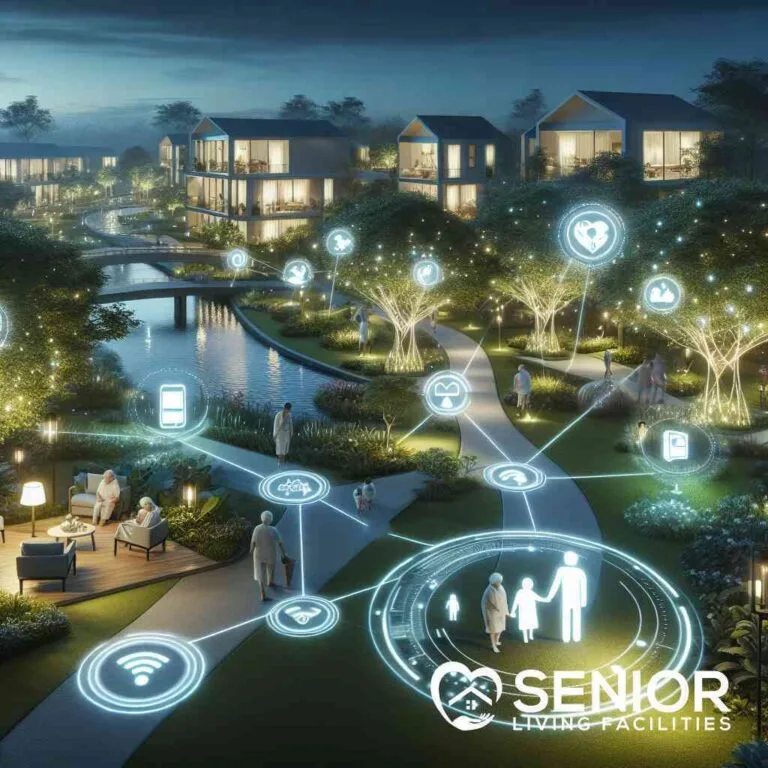
The rise of technology is intrinsically linked with the future of senior living. Integration of smart systems and devices promises to redefine the landscape of senior care. Facilities are increasingly investing in technologies that cater to health monitoring, security, and daily conveniences. As technological advancements in senior care unfold, the incorporation of artificial intelligence (AI), virtual reality (VR), and the Internet of Things (IoT) will not merely be about convenience but also about enhancing personal independence and safety. Senior communities are actively exploring these technologies to offer a more adaptable and responsive environment to their residents, ensuring that technology becomes a seamless part of daily life in senior living communities.
The Role of Community and Connection in the Post-2025 Landscape
Community and connection will remain cornerstones of senior living in the years following 2025. The evolving demographic of seniors underscores the importance of cultivating environments that foster engagement and social interaction. Future senior living facilities are increasingly transitioning towards models that encourage active participation and reinforce social bonds among residents. Organized activities, interest-based clubs, and community events are becoming integral to the daily lives of seniors. Post-2025, there will be a greater emphasis on creating opportunities for communal living that simultaneously respect individual privacy needs, thereby ensuring a balanced and fulfilling lifestyle for all residents.
Innovative Transformations in Senior Care
Technological Breakthroughs: Virtual Reality and AI in Senior Living
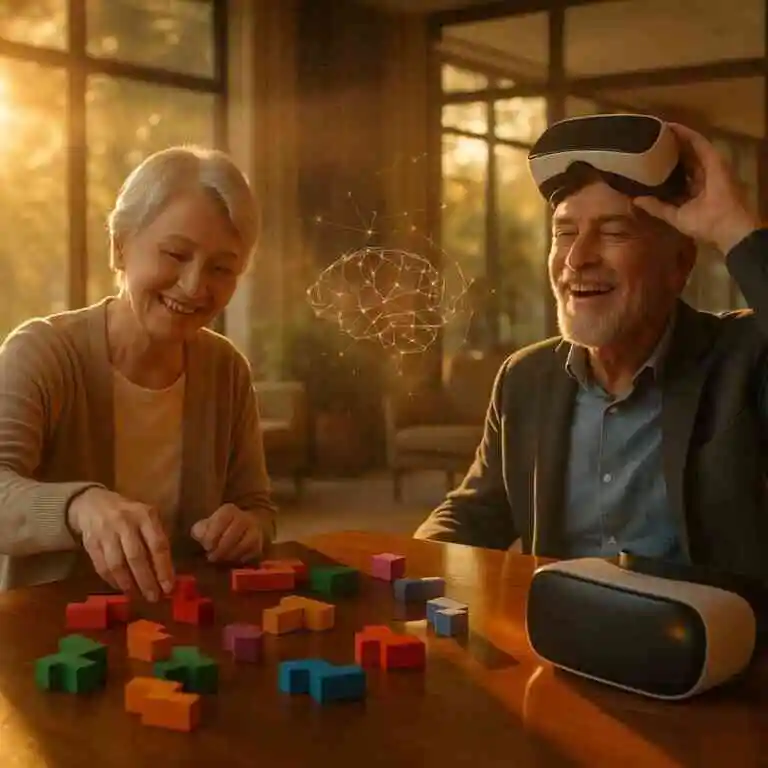
Technological innovation in senior living facilities is taking a leap with the integration of virtual reality innovations for the elderly and AI. These technologies are not only transforming how seniors interact with their environment but also how they engage with each other. Through virtual reality, seniors can revisit places from their past or explore new worlds, significantly enhancing their cognitive engagement. AI, on the other hand, plays a crucial role in customizing care by analyzing health data and predicting needs, which helps caregivers to deliver more personalized services. The potential for these AI solutions for senior living to improve quality of life is immense, as they offer tailored health programs and interactive experiences.
Revolutionizing Health Monitoring and Telehealth Services
The landscape of health monitoring for seniors is rapidly evolving with advancements in wearable technology and telehealth services. These technologies are pivotal in shifting the paradigm of senior care from reactive to proactive. Wearable devices track vital signs, ensuring that any aberrations in health are detected early. Meanwhile, telehealth advancements for senior care are particularly transformative as they facilitate remote consultations, reducing the need for frequent hospital visits. This not only ensures timely medical attention but also promotes independent living among seniors. The convenience offered by telehealth is unmatched, making healthcare more accessible and less intrusive for seniors.
Redesigning Spaces: Sustainable and Adaptive Senior Housing
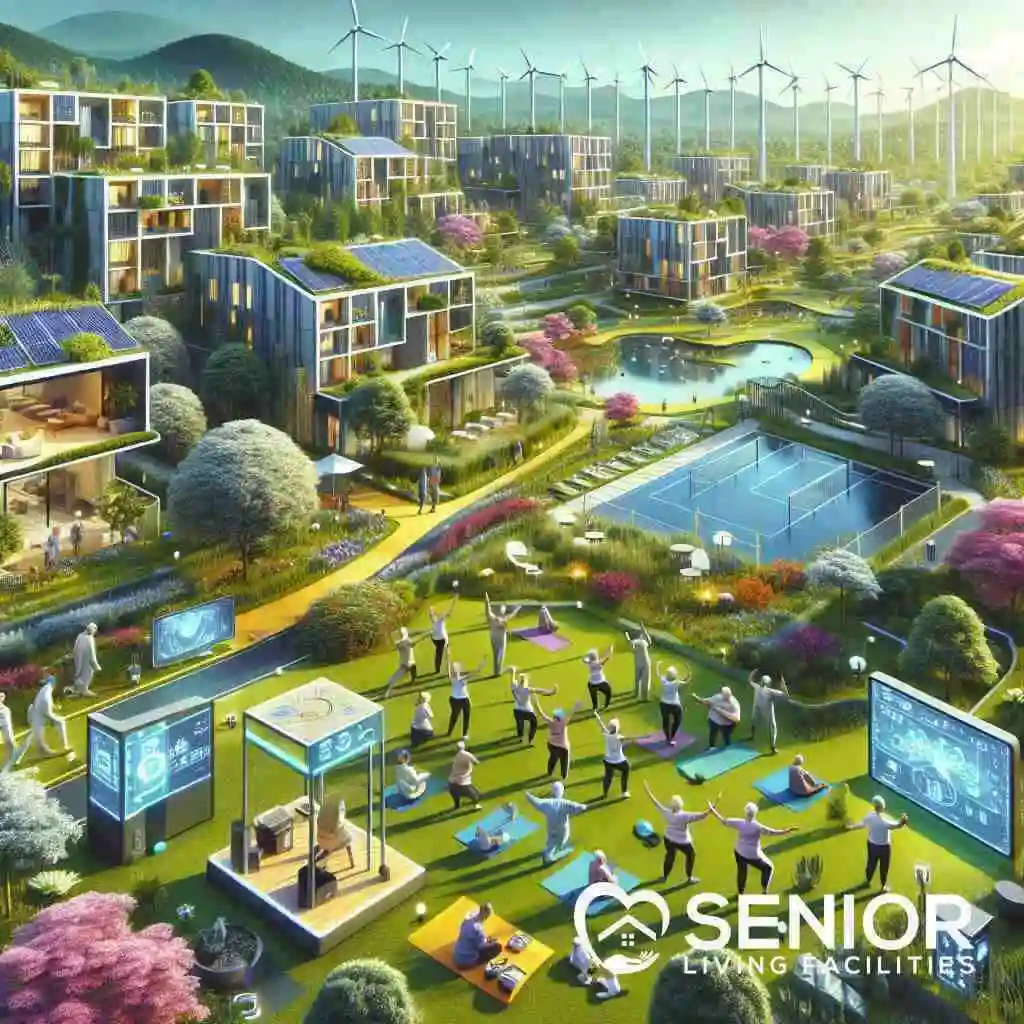
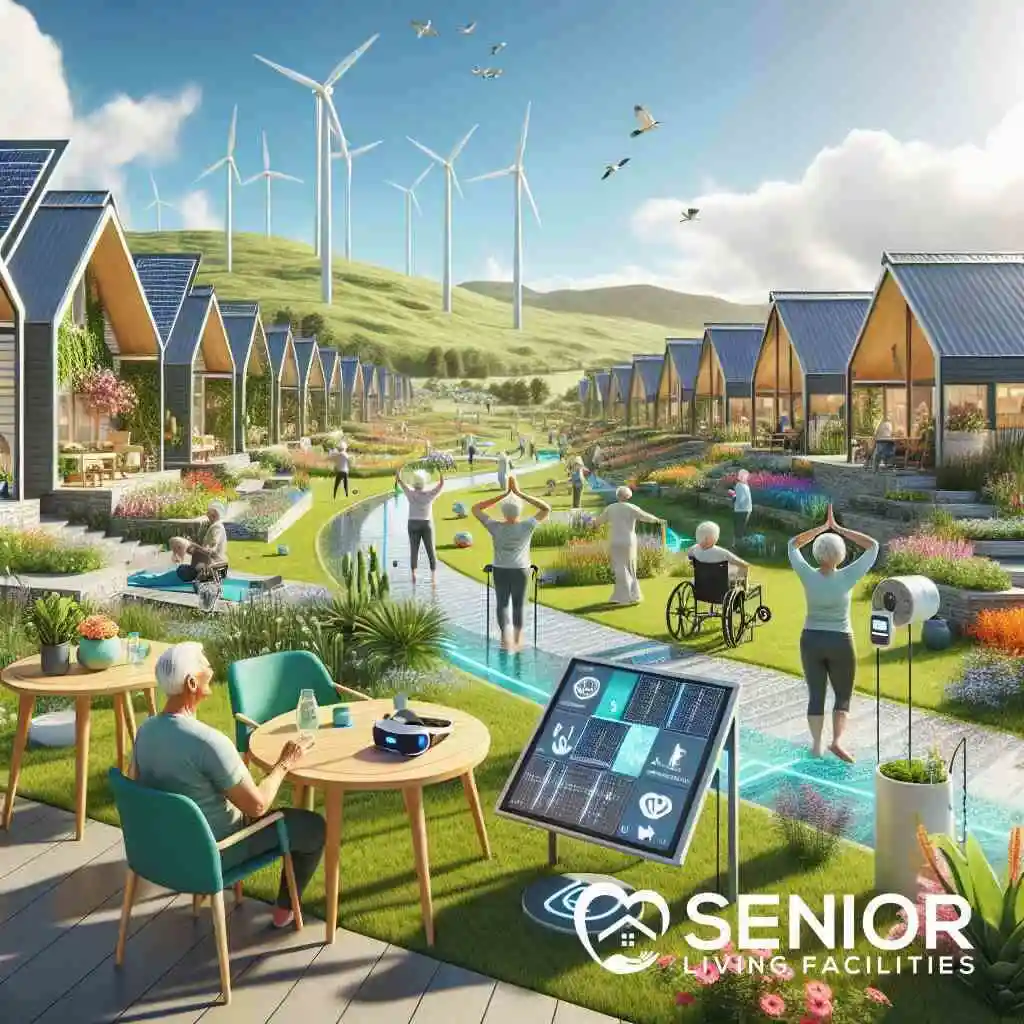
The future of senior living facilities is also about transforming physical spaces to be more sustainable and adaptable. Sustainable senior housing design is becoming increasingly important as facilities strive to lower their carbon footprint and improve energy efficiency. These designs often incorporate green building materials and energy-efficient systems that cater to the specific needs of seniors. Moreover, there is growing interest in adaptable living spaces that can be easily modified to accommodate the changing mobility and health needs of seniors. By prioritizing both sustainability and adaptability, senior living communities are setting new standards for environmentally responsible and senior-friendly housing.
Advanced Personalization and Inclusivity in Senior Communities
Crafting Personalized Care Plans for Diverse Needs
As we look ahead post-2025, senior living facilities are geared towards crafting personalized care plans that cater to diverse needs. Every senior is unique, and thus, requires tailored care and attention. Personalized care initiatives in senior communities focus on offering care models that go beyond generic solutions. This individual-centric approach takes into account the health, preferences, and lifestyle choices of each resident. Facilities are increasingly utilizing data analytics and AI to gain insights that lead to more accurate and effective care strategies. The integration of technology also facilitates the development of personalized daily routines, ensuring that each resident receives the optimal level of care and support they deserve.
Fostering Social Inclusivity: Interactive Wellness Programs
In the framework of senior living, social inclusivity holds paramount importance. Post-2025, facilities are expected to roll out intriguing interactive wellness programs for the elderly that go beyond conventional activities. These programs are meticulously designed to cater to a wide spectrum of interests, promoting interaction amongst residents. Communities are focusing on creating environments that nurture camaraderie while respecting the individuality of each senior. The inclusion of hobbies, cultural events, and technology-driven social platforms encourages a sense of belonging and active engagement. Such initiatives are crucial in combating loneliness and enhancing mental well-being among seniors, fostering a thriving community spirit.
Building Smart and Eco-Friendly Senior Facilities
The future of senior communities lies in the development of smart homes for elderly living and eco-friendly infrastructure. These facilities aim to harmonize cutting-edge technology with sustainable practices to create living spaces that are both innovative and environmentally responsible. By incorporating smart home technology for seniors, these homes provide enhanced safety, security, and convenience. Energy-efficient systems and sustainable building materials are set to become the standard, ensuring minimal environmental impact. The adaptability of these spaces is a focal point, allowing modifications as per changing needs, ensuring the longevity and relevance of the living environment in enriching the lives of its senior residents.
The Intersection of Health, Wellness, and Technology
Smart Homes: Elevating Elderly Resident Experiences
Smart homes are becoming a cornerstone in senior living facilities, striving to elevate elderly residents’ experiences. By integrating advanced smart home technology for seniors, these facilities offer spaces that enhance convenience and safety. Smart technologies provide seamless automation of daily tasks, such as adjusting lighting, temperature, and even making daily reminders. These homes are designed for ease of use, ensuring that seniors, regardless of their tech-savviness, can navigate their environments with confidence and ease. The automation features in smart homes are particularly advantageous for seniors with mobility challenges, providing them with a means to maintain independence and a higher quality of life.
Beyond automation, smart homes foster connectivity, crucial for enhancing social interactions among seniors. Virtual assistants, equipped with health-monitoring capabilities, can notify caregivers and family members of unusual patterns, ensuring timely interventions and assessments. This aspect of connectivity also extends to security measures, where smart technology efficiently monitors entrances and alerts residents to visitors. Another vital component lies in entertainment and leisure, with digital platforms offering various options from streaming services to virtual reality games, helping to keep seniors mentally active and engaged. By emphasizing smart technology, senior living facilities can create environments that are not only practical but also adaptable to the evolving needs of their residents.
Digital Transformation in Medical and Daily Support Systems
The digital transformation in medical and daily support systems is revolutionizing the care landscape within senior living communities. One significant aspect is the integration of aging in place technology for seniors, allowing them to remain in familiar environments while still receiving top-tier medical care. Wearable devices and remote monitoring systems enable continuous tracking of vital health indicators, providing real-time data to caregivers and medical professionals. These devices alert caregivers to any potential health issues, thereby preventing escalation and ensuring prompt intervention. This transformation reduces emergency room visits and fosters preventive care while promoting peace of mind for both seniors and their families.
Telehealth services, another crucial facet of this transformation, have made accessing healthcare significantly more convenient. Seniors can attend virtual consultations without the need to travel, thus improving attendance rates for routine check-ups and ensuring continuity of care. This not only reduces stress on seniors but also opens avenues for specialist consultations that might not be locally available. Moreover, digital solutions extend to daily supportive systems within facilities, offering tailored medication management programs that ensure timely and accurate dosage administration. By digitizing these systems, senior living communities enhance their efficiency, safety, and responsiveness, ultimately enriching the residents’ living experiences and catering to their needs in a personalized manner.
Legacy of Innovation: Sustainably Shaping Senior Living
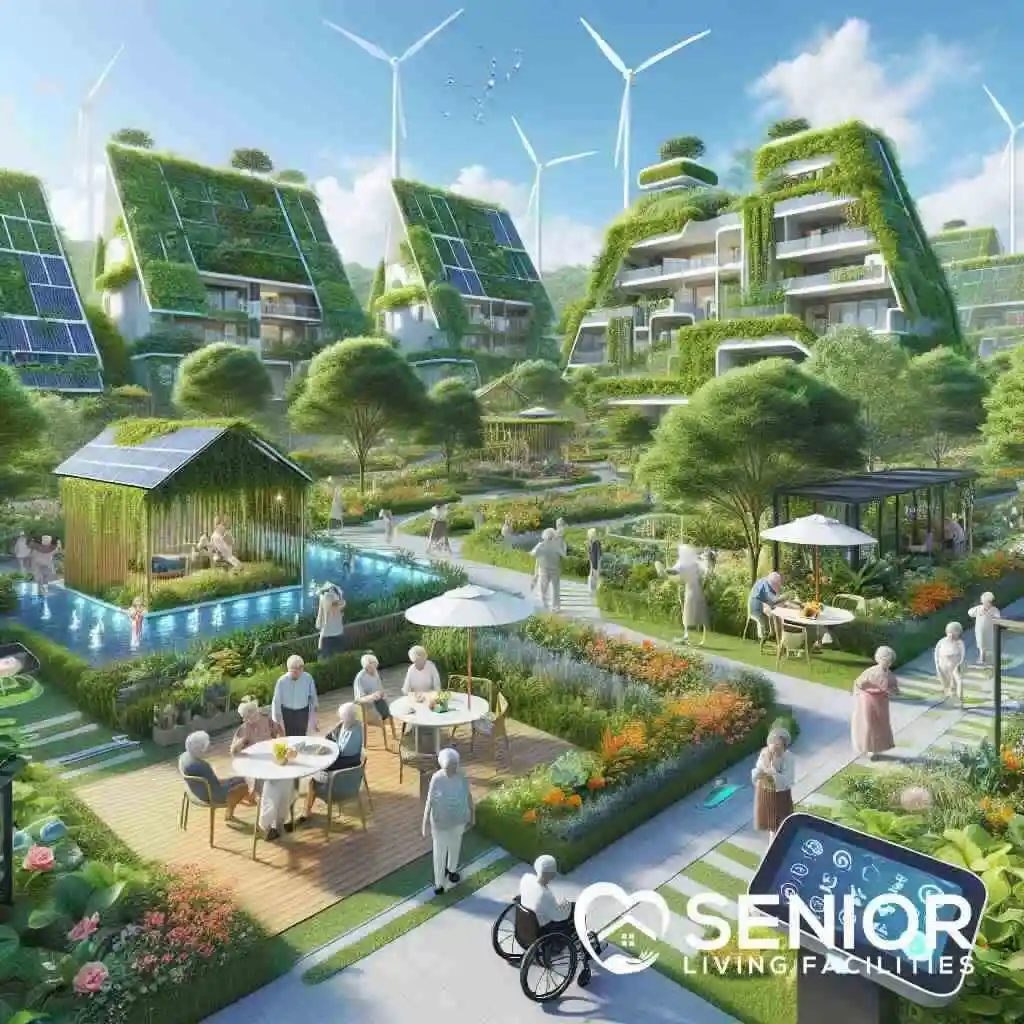
A legacy of innovation continues to shape the future of senior living communities, focusing on sustainability and advanced technology. The introduction of sustainable senior housing design is a pivotal element, addressing the environmental concerns associated with traditional senior living facilities. Emphasizing the use of renewable energy sources and ecological materials, these designs seek to minimize the carbon footprint while creating healthier living environments. Innovations in building materials not only enhance energy efficiency but also contribute to improved indoor air quality, pivotal for the elderly population.
Adaptable spaces play a significant role in these sustainable designs, offering flexibility to modify environments as residents’ mobility and health needs change over time. This adaptability ensures that facilities remain relevant and supportive throughout the residents’ later years. Furthermore, these sustainable infrastructures incorporate technologies that minimize waste and promote resource conservation, aligning the facilities with broader environmental goals. As senior living communities continue to integrate these innovative approaches, they are creating legacies that not only address current needs but also set standards for future developments, ensuring that future generations of seniors can thrive in environments that are both nurturing and forward-thinking.
Conclusion: Charting the Way Forward for Senior Living
Reflecting on the Vision for Future Senior Living
The vision for the future of senior living is a tapestry woven with innovation, sustainability, and personalization. As we stride into the post-2025 era, the future of senior living is characterized by environments designed to prioritize both the mental and physical well-being of residents. Facilities are leaning towards more inclusive, personalized, and technology-driven care models to enhance everyday living for seniors. Through improving senior life quality, communities are committed to constructing living spaces that seamlessly integrate comfort and health, providing seniors not just with a place to live, but a place to thrive. The focus on technology and community engagement ensures that senior residents are not left behind in this rapidly advancing digital age, making the vision for senior living increasingly bright and promising.
Communal and Individual Innovations Driving Change
The move towards a more advanced and accommodating senior living landscape is propelled by both communal and individual innovations. Communities are adopting senior social connection technologies to facilitate stronger bonds among residents. This ensures that social isolation becomes a thing of the past, promoting a supportive network within senior living facilities. On an individual level, facilities are utilizing personalized care initiatives in senior communities, ensuring all members receive care that aligns with their unique health needs and lifestyle preferences. These innovations are the heart of the shift towards a new paradigm in senior living post-2025, supporting not just physical wellness but holistic well-being.
Embracing the Journey Towards a More Connected, Technologically-Advanced Future
The pathway forward in senior living is paved with opportunities for enhanced connectivity and technological advancements. Embracing this journey means integrating smart home technology for seniors within living facilities, allowing them to lead more independent and secure lives. These advancements, coupled with environmental initiatives, are setting the stage for sustainable senior housing design that not only meets current needs but anticipates future demands. Through these proactive measures, senior living communities are not only embracing change but are excellently positioned to make profound impacts on the quality of life for seniors across the nation. As we continue to innovate and connect, the horizon promises a future where technology, care, and community align harmoniously, revolutionizing the way we perceive aging and senior living.
Frequently Asked Questions
Question: How will the senior living technology advancements discussed in ‘How Senior Living Facilities Innovate Post-2025’ enhance the quality of life for seniors?
Answer: The senior living technology advancements showcased in ‘How Senior Living Facilities Innovate Post-2025’ are set to revolutionize senior care. By integrating smart home technologies within elderly residences, we ensure enhanced convenience and safety. Technologies like virtual reality, AI, and telehealth solutions are not just innovative but offer a significant upgrade to personal independence and safety. This digital transformation in senior care allows for personalized care plans, real-time health monitoring, and remote consultations, ensuring that seniors can maintain their independence while receiving superior healthcare services right in the comfort of their homes. Our platform, Senior Living Facilities, connects you with communities that embrace these advancements, promising enriched living conditions for all residents.
Question: What sustainable senior housing trends are emerging post-2025, and how do they align with the environmental initiatives of Senior Living Facilities?
Answer: Post-2025, sustainable senior housing trends focus on reducing the carbon footprint and enhancing energy efficiency within living facilities. Our commitment at Senior Living Facilities is to offer environmentally responsible housing options for seniors. This includes utilizing renewable energy sources, adaptive senior living designs, and sustainable building materials that support eco-friendly practices. Our featured communities adopt these sustainable senior housing designs, aligning perfectly with our objective to provide healthier and energy-efficient environments for seniors, thus ensuring both safety and ecological responsibility.
Question: How are interactive wellness programs for seniors transforming community engagement in senior living facilities?
Answer: Interactive wellness programs for seniors are pivotal in advancing community engagement within senior living facilities. Post-2025, these programs are intricately designed to cater to the diverse interests of seniors, fostering social interactions and promoting both physical and emotional well-being. At Senior Living Facilities, communities offer structured activities, interest-based clubs, and cultural events, ensuring seniors enjoy a balanced and fulfilling lifestyle. These initiatives help combat loneliness and improve mental well-being, making our listed communities vibrant and inclusive spaces for all seniors.
Question: How are next-gen assisted living plans being implemented in communities for seniors 55+ offered by Senior Living Facilities?
Answer: Next-gen assisted living plans focus on personalization and adaptability, key components in modern senior living approaches. At Senior Living Facilities, we connect you with communities that implement these advanced assisted living plans by leveraging digital transformations in senior care and smart home technologies for seniors. These plans offer tailored health programs, interactive entertainment options, and easy accessibility to medical services, ensuring each resident receives personalized attention as per their unique lifestyle needs. Our network of assisted living locations is equipped to provide adaptable solutions, ensuring a higher quality of life for every senior.
Question: What role does AI in senior living solutions play in improving the health monitoring advancements for seniors?
Answer: AI in senior living solutions serves as an integral tool in enhancing health monitoring advancements for seniors. This technology allows for the analysis of comprehensive health data, predicting various needs, and facilitating caregivers to deliver personalized services efficiently. At Senior Living Facilities, communities equipped with AI technologies can offer predictive healthcare measures, ensuring timely interventions and reducing medical emergencies. Such AI-driven solutions lead to improved personal independence, making our platform a go-to for families seeking reliable, modern care for their loved ones in a senior living community.
Admin
Expert contributor specializing in senior living care. Dedicated to providing families with clear, actionable advice.