
Memory Care Meaning at Senior Living Facilities Near You
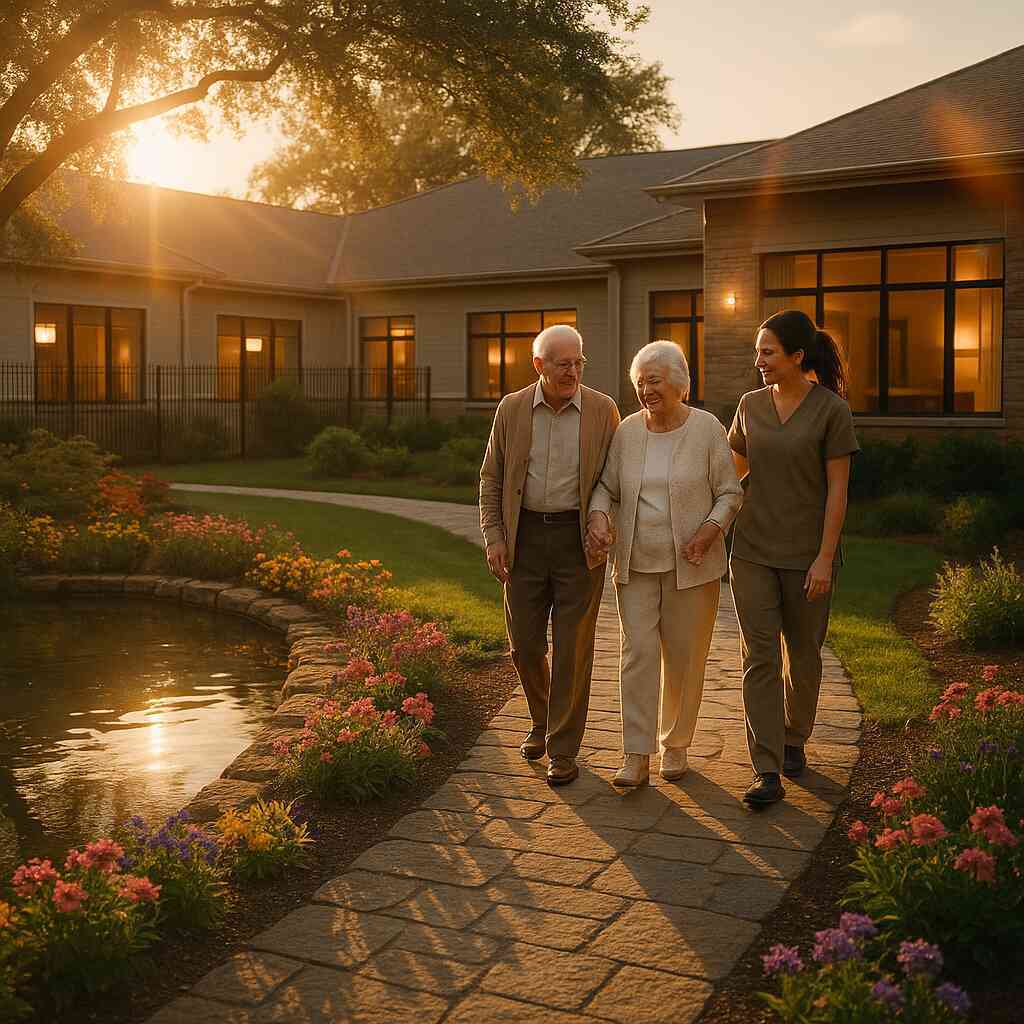
Opening the Door to Memory Care Meaning at Senior Living Facilities
Defining dementia focused assisted living plans in a senior living community
Families beginning their search often ask what truly distinguishes memory support from traditional senior housing. The answer starts with a comprehensive memory care meaning in senior living facilities that blends safety, dignity, and cognitive stimulation under one roof. Dementia-focused assisted living plans outline individualized goals, daily routines, and wellness milestones for each resident. Care teams review those plans frequently, adjusting support as behaviors, medications, or medical conditions change. By treating every older adult as a unique storyteller, a seniors living community builds trust and encourages engagement from the very first day.
A strong plan also clarifies who does what. Licensed nurses monitor chronic conditions and coordinate with physicians, while specially trained caregivers coach residents through activities of daily living. Recreational therapists lead evidence-based reminiscence sessions that spark long-term memories and reduce anxiety. Nutritionists design brain-healthy menus rich in antioxidants and heart-friendly fats. When these disciplines collaborate, dementia-focused assisted living plans move beyond basic supervision toward holistic well-being.
How continuum of care senior housing for dementia supports changing needs
Cognitive decline rarely follows a straight path, so senior living near you must flex with each stage. Continuum of care senior housing for dementia anticipates this journey by integrating independent living, assisted living, and secure memory neighborhoods on the same campus. Residents transfer smoothly between settings when their abilities shift, avoiding disruptive moves across town. Families gain peace of mind knowing the community can serve early-stage forgetfulness and advanced behavioral symptoms alike.
A thoughtful continuum also addresses financial predictability. Many providers lock in monthly rates when residents join earlier lifestyle levels, shielding budgets from sudden hikes later. Coordinated medical oversight reduces redundant appointments and unnecessary hospitalizations. In some regions, examples like the continuum of dementia care in North Carolina communities illustrate how proactive therapies delay functional decline and preserve autonomy longer. When housing, healthcare, and social life evolve together, seniors experience consistent routines that support orientation and comfort.
From independent living to secure memory neighborhoods and everything in between
Not every older adult enters with the same diagnosis. Some still drive and simply misplace keys; others wander or struggle with personal care. Independent living apartments allow capable residents to downsize while enjoying campus amenities and optional cognitive classes. Assisted living adds 24-hour staff, medication oversight, and cueing for daily tasks. Secure memory neighborhoods introduce extra safety layers-controlled exits, color-coded hallways, and smaller staff-to-resident ratios.
These varied settings share one mission: to foster purpose each day. Residents may start in a vibrant book club, transition to sensory gardens, and eventually savor music therapy in a small-group lounge. Families appreciate that friendships, spiritual services, and familiar caregivers remain constant even as support intensifies. By offering everything between low-touch convenience and high-touch supervision, a single senior living facility eliminates the trauma of multiple relocations.
The role of integrated medical and memory care services in a long term care facility
Medical comorbidities frequently complicate dementia, making integrated services vital. On-site clinics, visiting specialists, and telehealth partnerships ensure prompt treatment for infections, pain, or mental-health concerns. Combined with electronic care records, these resources reduce emergency room visits and maintain treatment continuity. Rehabilitation gyms help residents regain strength after falls, while cardiac monitoring keeps heart conditions stable.
Integrated care also empowers proactive brain health. Pharmacists review psychotropic medications to minimize side effects that could worsen confusion. Dietitians collaborate with speech therapists on swallowing assessments, protecting nutrition levels. Palliative consultants discuss goals early, guiding families through future hospice considerations without last-minute stress. When a long-term care facility unites medical and memory expertise under one plan, residents live with greater comfort, security, and dignity.
 Inside Secure Memory Neighborhoods Near You
 Inside Secure Memory Neighborhoods Near You
Evidence based reminiscence therapy and holistic brain fitness activities
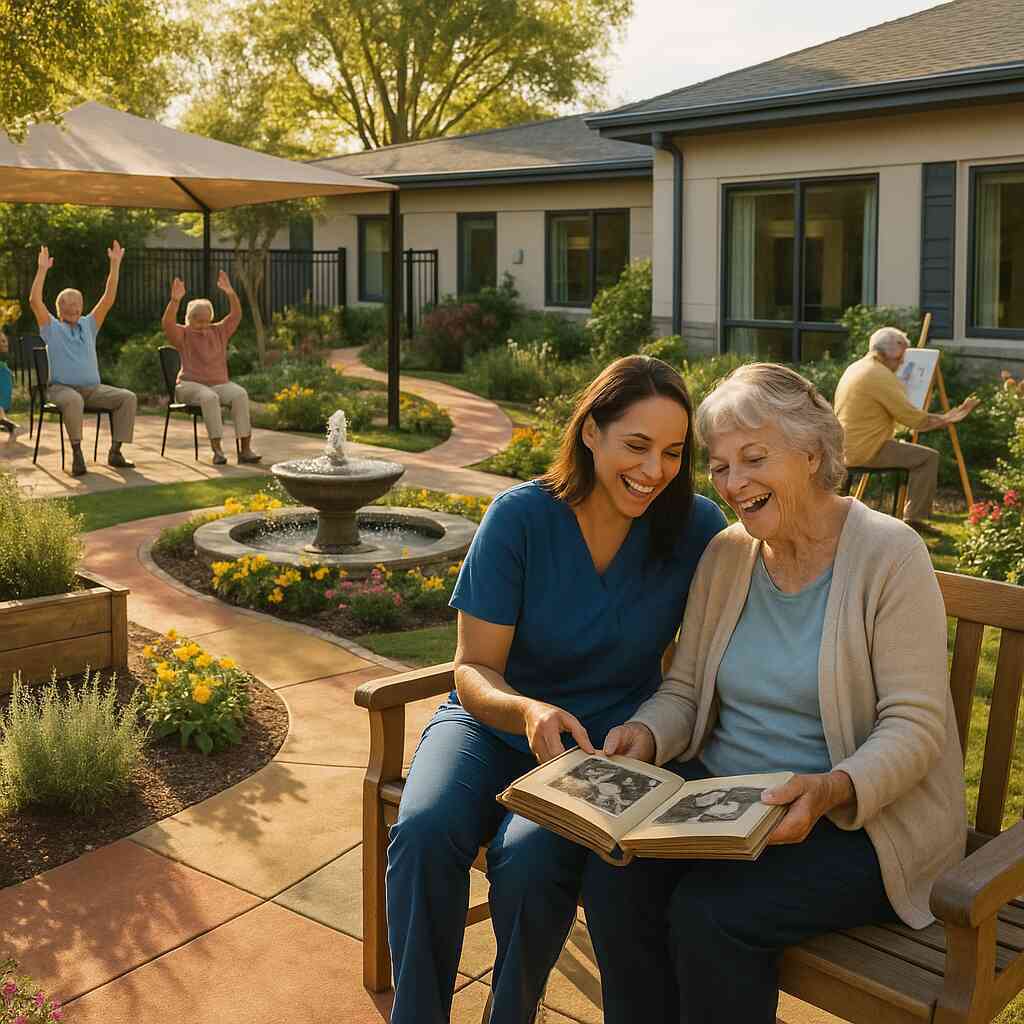
Secure memory neighborhoods schedule evidence-based reminiscence therapy sessions that feel more like friendly storytelling than clinical treatment. Trained facilitators use familiar photos, music, and tactile objects to cue long-term memories and spark conversation. These prompts lower anxiety, strengthen identity, and encourage social connection among residents. Families notice that their loved ones smile sooner and withdraw less during visits. For additional guidance, many communities reference evidence-based reminiscence therapy resources online.
Holistic brain fitness programs expand beyond storytelling to include art, movement, and logic games specifically adapted for cognitive decline. Certified instructors design routines that challenge memory, attention, and coordination without overwhelming participants. This balanced approach creates meaningful successes, which reinforces confidence and reduces frustration. By combining reminiscence with holistic brain fitness activities for older adults, senior living facilities deliver layered stimulation that slows decline while nurturing joy. Residents feel engaged, respected, and consistently motivated to join the next session.
Wandering prevention technology and environmental design for safety
Wandering remains one of the greatest safety concerns for families considering memory care services within senior living facilities. Communities combat risk through wearable GPS devices, motion-sensor entries, and discreet door alerts that notify staff instantly. Color-coded hallways and clearly marked destination rooms support orientation, minimizing anxiety and aimless pacing. Gardens are enclosed with purposeful paths, allowing freedom of movement without exposure to traffic or unfamiliar streets. Such technology and thoughtful design transform secure memory neighborhoods in communities for seniors 55+ into protective yet empowering environments.
Advanced architecture complements electronics by incorporating contrasting floor patterns near exits, which naturally redirect residents away from hazards. Adjustable lighting reduces sundowning agitation by maintaining consistent circadian cues throughout the day. Staff monitor real-time location dashboards, enabling quick response if a resident crosses preset boundaries. These layered strategies mirror best practices seen in secure memory neighborhoods in Alabama senior residences and set new standards for safety nationwide. Families tour these spaces and immediately sense the calm produced by proactive design.
Behavioral symptom management through person centered dementia care pathways
Effective behavioral symptom management begins with thorough assessments that map personal history, triggers, and calming routines. Person-centered dementia care pathways build on this data, offering individualized interventions instead of one-size-fits-all protocols. Caregivers receive ongoing coaching in redirection, validation therapy, and sensory modulation, enabling real-time response without unnecessary medication. Close collaboration with onsite nurses ensures integrated medical and memory care services support emotional stability. The result is decreased agitation, fewer falls, and improved sleep across the community.
Compassionate memory caregivers near me also celebrate micro-victories, reinforcing positive behaviors through praise and purposeful activity choices. Consistent staffing allows genuine relationships, which foster trust and early recognition of subtle mood shifts. Multidisciplinary huddles review progress weekly and refine strategies based on fresh observations. Families appreciate transparent communication and data-driven adjustments that honor their loved one’s dignity. Many benchmark their programs against the success of person-centered memory support near the Tennessee mountains to maintain excellence.
Family caregiver respite and support woven into daily life
Memory care communities understand that Alzheimer’s affects entire families, not only residents. Scheduled respite options give relatives crucial breaks to rest, work, or enjoy personal pursuits without worry. Short-term stays, day programs, and overnight guest suites offer flexible solutions tailored to caregiver schedules. Dedicated social workers host support groups, webinars, and one-on-one counseling that normalize feelings of guilt and fatigue. These resources position families as partners, not spectators, in the care journey.
Regular education sessions demystify disease progression, financial planning, and hospice considerations for late-stage Alzheimer’s, empowering informed decisions. Activity calendars include family-friendly events, fostering continued bonding in familiar surroundings. Staff share weekly updates and photos, ensuring distant relatives remain connected despite geographic barriers. By weaving family caregiver respite in memory care settings into everyday operations, senior living near you reduces burnout and strengthens long-term engagement. Residents benefit from a calm, confident support network that understands their evolving needs.
Selecting assisted living locations for cognitive impairment with a trusted assisted living locator
Choosing the right assisted living locations for cognitive impairment can feel overwhelming when options span every region and price point. Families often start by clarifying clinical requirements, lifestyle preferences, and budget boundaries. A reputable assisted living locator analyzes this information and recommends communities that meet or exceed regulatory standards. Verified reviews, virtual tours, and detailed service breakdowns shorten the research timeline and boost confidence in final decisions. Transparent comparisons highlight differences between specialized memory support housing options for seniors and traditional senior housing.
Senior Living Facilities streamlines this search further, allowing users to locate dementia support housing near me with just a few clicks. The platform’s expansive database lists rental housing for seniors with Alzheimer’s, continuum of care campuses, and long-term care facility profiles. Side-by-side metrics reveal staffing ratios, wandering safeguards, and daily programming details critical for informed choices. Personalized guidance from clinical advisors bridges any remaining knowledge gaps. Families move forward knowing they have matched their loved one with a secure environment that nurtures cognitive health and emotional well-being.
Navigating the Next Chapter with Confidence and Care
Comparing senior apartment rentals offering memory care versus traditional senior housing
Senior apartment rentals offering memory care weave cognitive health programs, secure layouts, and trained staff into daily living, creating specialized support under one roof. Traditional senior housing, while comfortable, usually centers on independent lifestyles and may lack dementia-specific safeguards that prevent wandering or nighttime confusion. Families weighing both options should focus on staffing ratios, environmental cues, and access to therapeutic activities. Cost structures differ as well: memory care bundles supervision, clinical oversight, and meals, whereas standard communities often price services à la carte. A helpful resource for deeper evaluation is comparing memory support versus traditional senior housing, which presents side-by-side metrics that clarify true value.
Moving past numbers, consider resident engagement. Memory-focused rentals schedule holistic brain fitness, sensory gardens, and small-group reminiscence circles that safeguard dignity while stimulating cognition. Traditional residences may offer book clubs and fitness centers, yet lack adaptive programming for cognitive decline. Safety technology also diverges; memory care units employ motion sensors, secured courtyards, and emergency call systems designed for residents who may forget instructions. Finally, integrated medical and memory care services onsite reduce hospitalizations, whereas conventional settings often require external appointments. Knowing these distinctions sharpens decision-making and ensures each senior receives fitting care.
Leveraging compassionate memory caregivers near me for personalized care plans
Compassionate memory caregivers near me bring warmth, consistency, and specialized training that turn daily routines into opportunities for joy. They learn personal histories, favorite songs, and calming phrases that defuse anxiety, thereby advancing person-centered dementia care pathways. By tailoring bathing cues, meal pacing, and conversation topics, caregivers transform tasks into meaningful connections rather than clinical chores. Their insight also helps nurses calibrate medications, preventing side effects that could cloud cognition or trigger agitation. When familiar faces greet residents each shift, trust blossoms and behavioral symptom management improves naturally.
These caregivers thrive inside multidisciplinary teams. Occupational therapists suggest adaptive utensils, while speech therapists refine swallowing strategies that protect nutrition. Social workers coordinate family caregiver respite in memory care settings, ensuring loved ones feel supported rather than sidelined. Regular huddles review sleep logs, mood charts, and incident reports, refining interventions before problems escalate. Senior Living Facilities spotlights communities that prioritize low staff turnover, ongoing education, and compassionate cultures, giving families a reliable benchmark when comparing assisted living locations for cognitive impairment.
Creating a sustainable roadmap for rental housing for seniors with Alzheimer’s
Affordability often shapes where and when families seek rental housing for seniors with Alzheimer’s. A sustainable roadmap begins by mapping projected disease stages against anticipated service layers, from early reminders to advanced nursing care. Continuum of care senior housing for dementia offers predictable monthly bundles that adjust support without abrupt relocations, protecting both finances and emotional stability. Families should review contract clauses covering rate caps, future nursing needs, and hospice transitions to avoid unpleasant surprises. Partnering with a knowledgeable assisted living locator amplifies clarity, highlighting communities whose long-term budgets match household resources.
Financial planning also involves tapping veteran benefits, long-term care insurance, and state assistance programs. An experienced advisor explains eligibility criteria, claim timelines, and proper documentation, preventing costly delays. Meanwhile, an elder-law attorney can safeguard assets, outline power-of-attorney directives, and establish guardianship contingencies. By aligning legal, medical, and housing strategies early, families create resilient frameworks that weather disease progression with grace. Senior Living Facilities integrates these considerations into its search platform, allowing users to filter by cost structures and future care tiers in moments.
Connecting with senior living facilities near you for secure environments and engaging daily activities
Once priorities are clear, families naturally ask, “Where can I find senior living near me that meets all criteria?” Senior Living Facilities answers by aggregating verified listings, virtual tours, and resident reviews across communities for seniors 55+ nationwide. Filters reveal secure memory neighborhoods, integrated medical clinics, and engaging daily activities for seniors with cognitive decline, saving weeks of phone calls. Clinical advisors stand ready to interpret state inspection reports and explain subtle differences among long-term care facility options, ensuring transparency throughout the journey.
During tours, observe daily rhythms: Are residents participating in art therapy, music sessions, or guided walks? Do scent diffusers, soft lighting, and color-coded corridors enhance orientation and calm? Ask about wandering prevention technology in nursing homes for the elderly and staff response times during behavioral episodes. Finally, request program calendars that blend physical exercise, social connection, and spiritual fulfillment, because consistency fuels emotional stability. Armed with this knowledge and the platform’s top tips when choosing a memory care community today-families can confidently select senior living facilities near you that honor safety, purpose, and joy every single day.
Frequently Asked Questions
 Frequently Asked Questions
Question: How do Senior Living Facilities define advanced memory care meaning and what makes their dementia-focused assisted living plans stand out?
Answer: On our platform, advanced memory care meaning blends safety, dignity, and cognitive health into one seamless experience. Communities listed on Senior Living Facilities craft dementia-focused assisted living plans that map each resident’s medical profile, favorite pastimes, and behavioral triggers. Licensed nurses coordinate medications, compassionate caregivers cue activities of daily living, and therapists lead holistic brain fitness activities for older adults. Because these individualized blueprints are reviewed monthly, families know their loved one’s support evolves alongside changing needs. Our detailed community profiles reveal staffing ratios, care plan review schedules, and integrated medical and memory care services so you can quickly spot providers that deliver true person-centered dementia care pathways.
Question: In the article Memory Care Meaning at Senior Living Facilities Near You, the continuum of care concept is emphasized. How does your platform help families locate a continuum of care senior housing for dementia close to home?
Answer: Senior Living Facilities hosts an expansive database spanning all 50 states, making it easy to filter for continuum of care senior housing for dementia in seconds. Simply enter your zip code, select continuum of care under “level of support,” and compare side-by-side listings that integrate independent living, assisted living, and secure memory neighborhoods in communities for seniors 55+. Each listing outlines transition policies, future cost projections, and on-site medical clinics so families can plan a sustainable roadmap for rental housing for seniors with Alzheimer’s without worrying about disruptive moves or hidden fees.
Question: What wandering prevention technology and safety features can I expect in secure memory neighborhoods found through Senior Living Facilities, and how are those features evaluated?
Answer: The secure memory neighborhoods we showcase deploy industry-leading wandering prevention technology in nursing homes for the elderly, such as wearable GPS bracelets, motion-sensor doors, and real-time location dashboards. Environmental designs include color-coded corridors, enclosed sensory gardens, and contrasting floor patterns that gently redirect residents away from exits. During our vetting process, we examine state inspection reports, confirm staff training on emergency protocols, and verify maintenance schedules for all electronic safeguards. These data points are summarized on every listing so you can compare safety readiness at a glance before scheduling tours.
Question: How do compassionate memory caregivers near me influence personalized care plans for memory loss residents, and can Senior Living Facilities connect me with communities that prioritize low staff turnover?
Answer: Compassionate memory caregivers near me transform ordinary routines into meaningful moments by learning each resident’s life story, favorite music, and calming techniques. Their consistency reduces anxiety and improves behavioral symptom management in senior living near you. Our platform spotlights communities with rigorous training programs, below-average turnover, and ongoing education in evidence-based reminiscence therapy. Look for the “Caregiver Stability” badge on a listing-this indicates that at least 75 % of direct-care staff have been employed for one year or more, giving your loved one the comfort of familiar faces every day.
Question: Is respite available for family members, and how do Senior Living Facilities highlight communities offering flexible family caregiver respite in memory care settings along with engaging daily activities for seniors with cognitive decline?
Answer: Yes. Many senior living facilities near you offer day stays, short-term respite suites, and overnight guest programs that let family caregivers recharge without worry. Our search filters allow you to select “family caregiver respite” and “engaging daily activities” simultaneously. Listings then display calendars packed with art workshops, music therapy, and personalized care plans for memory loss residents, ensuring your loved one remains stimulated while you rest. We also list support-group schedules and virtual counseling options so the entire family benefits from a comprehensive network of resources.
Admin
Expert contributor specializing in senior living care. Dedicated to providing families with clear, actionable advice.