
Senior Living Facilities Explain Activities of Daily Living
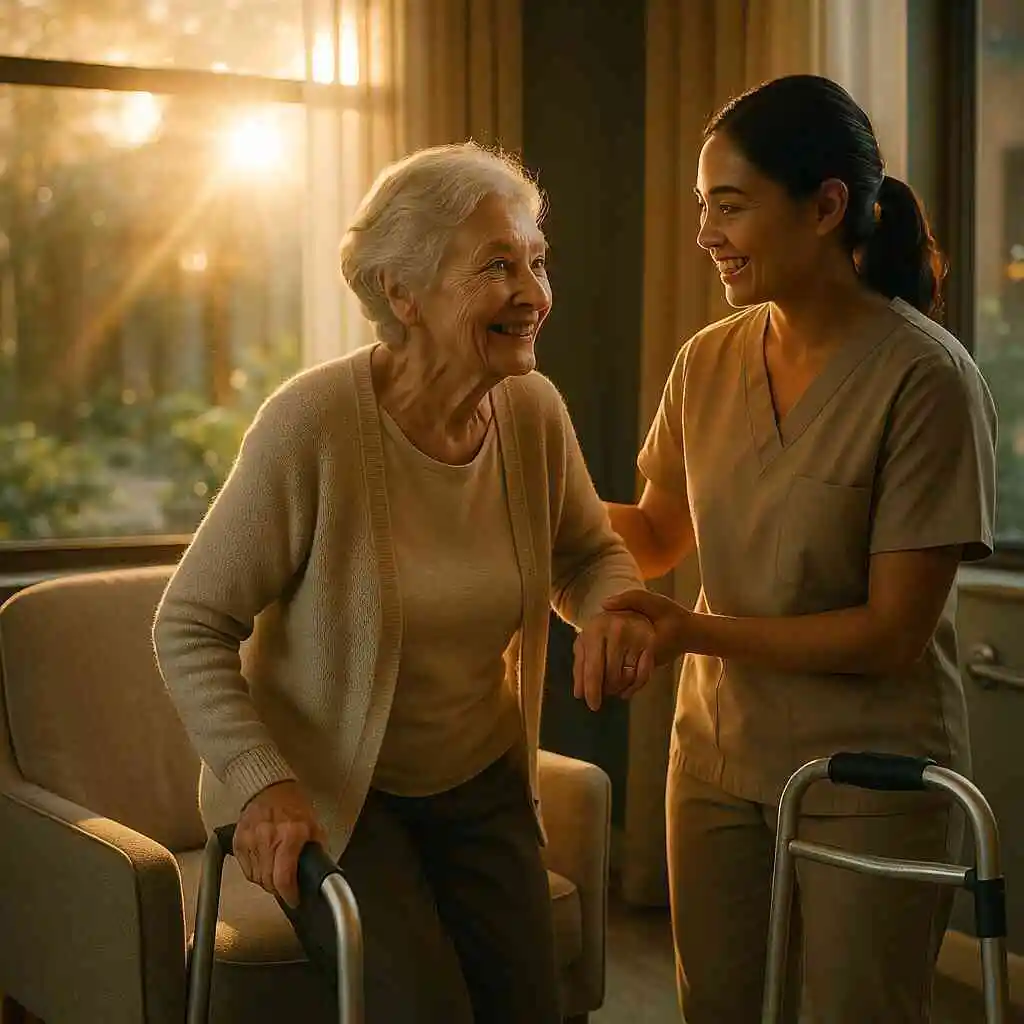
Daily Living Foundations in Senior Communities
Why Activities of Daily Living Define Every Senior Living Journey
Daily life seems ordinary until a familiar task suddenly feels out of reach. Professionals call these essential self-care tasks Activities of Daily Living, or ADLs. Grooming, dressing, eating, and moving safely form the backbone of independence for older adults. When abilities change, the right support maintains dignity and purpose. Our platform’s overview of activities of daily living assistance options highlights practical ways senior living facilities transform worry into confidence every day.
Relying on family for bathing or mobility can strain relationships, yet avoiding help altogether risks injury. Thorough ADL assessments clarify what assistance genuinely promotes wellness. By measuring performance against objective criteria, caregivers set realistic goals and celebrate incremental gains. Seniors who receive tailored ADL support often rediscover hobbies, strengthen social connections, and reduce hospital readmissions. Understanding ADLs frames every conversation about quality of life inside any senior living community.
From Bathing to Medication Management: Mapping Essential Daily Tasks
Most lists divide ADLs into two tiers. Basic activities include bathing, toileting, transferring, continence, dressing, and feeding. Instrumental activities cover cooking, housekeeping, transportation, shopping, and medication management. Together they reveal how a senior navigates each day from sunrise to nightfall. Identifying small friction points early allows for proactive solutions such as grab bars, raised toilet seats, or weekly pill organizers. Families gain peace of mind while residents enjoy measurable safety improvements.
A comprehensive ADL map looks beyond tasks to the emotions each routine can trigger. An older adult who loved elegant attire might feel a deep sense of loss when buttoning a shirt becomes difficult. Similarly, missing a morning medication can jeopardize heart stability and overall confidence. Senior living facility care teams combine empathy with evidence-based protocols to smooth these moments. Occupational therapists, nurses, and activity directors collaborate to replace frustration with achievable steps toward greater autonomy.
Using a Senior Living Locator to Match ADL Needs with the Right Community
Choosing between housing options for seniors can feel overwhelming without clear ADL insights. A senior living locator filters communities by the level of assistance offered, staff credentials, and adaptive technology on site. Prospective residents can quickly narrow thousands of listings to a shortlist aligned with their personal priorities. Transparent comparison tools also empower adult children who live far away yet remain deeply involved in care decisions.
Senior Living Facilities simplifies the search further by presenting verified reviews, virtual tours, and financing guidance on one dashboard. Users can instantly locate communities offering personal care support and request detailed ADL care plans before touring. That data-driven approach transforms guesswork into informed choice, ensuring every new resident arrives at a community ready to nurture – not merely house – their independence.
A Blueprint of Independence: Comprehensive ADL Support across Senior Living Facilities
Personal Care Routines: Bathing, Grooming, and Dressing with Dignity
Bathing assistance begins long before the water flows. Caregivers establish consent, respect cultural preferences, and gather supplies in advance to avoid interruptions mid-task. Warm lighting, non-slip mats, and handheld showerheads turn a vulnerable moment into one of comfort. In many senior apartment rentals, spa-inspired accessible tubs encourage relaxation while maintaining safety standards. Grooming support extends to hair styling, oral hygiene, and nail care – each enhancing self-esteem and social engagement.
Dressing presents another opportunity to honor a resident’s identity. Staff learn a resident’s favorite colors, fabrics, and jewelry, then adapt clothing with Velcro closures or elastic waistbands to reduce frustration. Adaptive equipment such as reachers and button hooks increases participation. Daily wardrobe discussions also reveal changes in swelling or weight that can signal underlying health shifts. Through attentive observation, caregivers transform a routine task into a meaningful health monitoring checkpoint.
Safe Transferring, Mobility Support, and Fall Prevention in Senior Housing
Transferring from bed to chair or toilet challenges balance, muscle strength, and reaction time. Trained aides use gait-belt techniques and guide residents step by step, keeping joint strain minimal. Many communities use sit-to-stand lifts when heavier assistance is needed, protecting both the resident and the caregiver. Regular strength and flexibility classes further reduce reliance on mechanical devices over time.
Environmental design reinforces every transfer. Adequate lighting, contrasting floor colors, and strategically placed grab rails guide movement naturally. In warmer climates, covered walkways prevent slippery outdoor surfaces. Communities offering fall-prevention programs in Arizona senior communities demonstrate how geography matters when designing mobility solutions suited to regional weather conditions.
Dining Independence: Meal Preparation and Nutrition in Communities for Seniors 55+
Cooking engages memory, fine motor skills, and creativity. Independent living residents might only need modified kitchen tools like rocker knives or easy-grip jar openers. Assisted living plans often add cueing, portion monitoring, or diabetic-friendly menu adjustments. A communal dining room provides balanced meals while encouraging conversation and combating the isolation that can suppress appetite.
Meal preparation support also intertwines with medical care. Dietitians coordinate low-sodium, renal-friendly, or texture-modified diets as needed. Staff observe chewing and swallowing patterns, flagging early signs of dysphagia. Technology such as smart plate sensors can alert families when caloric intake drops. By blending culinary thoughtfulness with clinical vigilance, senior housing ensures nutrition continues to fuel vibrant daily life.
Toileting and Continence Care Standards in Long-Term Care Facilities
Maintaining continence preserves dignity and prevents skin breakdown. Scheduled toileting programs anticipate needs rather than react to accidents. High-absorbency products, prompt cleaning, and barrier creams protect fragile skin. Discreet bathroom signage and color contrast help residents with mild cognitive impairment who might otherwise become confused about locations.
Education matters equally. Staff receive specialized training in body mechanics, infection control, and empathetic communication. Residents and families learn about pelvic floor exercises and dietary adjustments that can reduce urgency. These collaborative strategies lower UTI occurrences and improve confidence during outings, enabling fuller participation in community events.
Medication Management and Technology Solutions for Monitoring Daily Activities
Polypharmacy complicates daily routines; missing or doubling a dose can cause significant health complications. Modern assisted living communities deploy electronic medication administration records synced with pharmacy deliveries. Automated dispensers flash, beep, and lock, guiding residents while preventing errors. Licensed nurses oversee prescription reconciliation after hospital discharges to avoid dangerous overlaps.
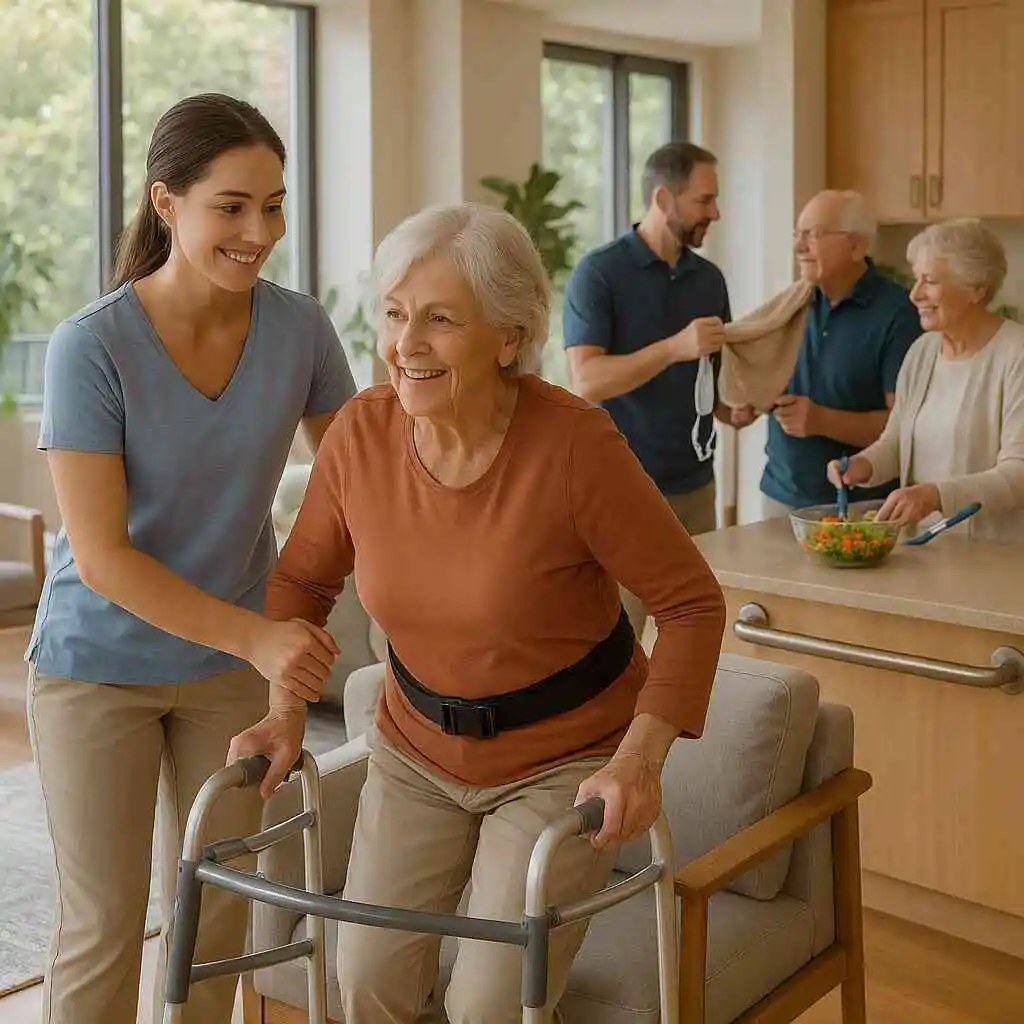
Technology now extends well beyond pills. Wearable devices track heart rate and movement, flagging variances that may stem from skipped medications. Digital dashboards integrate with family portals, providing real-time reassurance without intrusive phone calls. Through smart systems, seniors maintain autonomy while safety nets operate quietly in the background.
Occupational Therapy and Adaptive Equipment: Enhancing ADL Performance
Occupational therapists analyze the individual steps within each ADL and then recommend adaptive tools that bridge capability gaps. A weighted utensil steadies hand tremors; a sock aid eliminates difficult bending. Therapy sessions rehearse these tools until muscle memory forms, building newfound independence into the daily routine.
Communities featuring occupational therapy resources in Illinois retirement housing often pair clinical treatments with group workshops. Residents exchange tips, inspiring peer learning and camaraderie. Frequent reassessment keeps equipment fitting correctly as conditions evolve, ensuring supports continue to empower rather than hinder.
Customized Assisted Living Plans and Care Staff Ratios for Progressive Needs
One size never fits all in senior care. Intake teams evaluate medical history, ADL scores, and personal interests, then craft individualized assisted living plans. These blueprints detail shower frequency, mealtime assistance levels, and preferred communication styles. Clear documentation prevents gaps when shift changes occur.
Appropriate staff ratios translate plans into practice. Facilities assign registered nurses, certified nursing assistants, and rehabilitation specialists according to the needs of their resident population. Ongoing training in cultural competency, dementia care, and technology keeps standards high. Residents experience continuity and trust – key ingredients for embracing support without feeling controlled.
Dementia Care: Integrating ADL Support within Memory-Friendly Environments
Cognitive impairment adds complexity to every ADL. Memory-friendly design uses consistent visual cues, soothing colors, and circular hallways to reduce disorientation. Staff rely on gentle redirection and task segmentation, guiding residents through one simple action at a time. Music or aromatherapy can trigger positive associations, turning a grooming routine into a pleasant experience.
Communities specializing in memory care in New York integrate secured gardens, enabling outdoor time without elopement risk. Customized shadow boxes outside residents’ rooms help them recognize their own doors, decreasing nighttime confusion. By combining thoughtful environments, consistent routines, and skilled empathy, these programs preserve identity even as memory changes.
Elevating Quality of Life through Progressive ADL Strategies
Evaluating ADL Services When Comparing Assisted Living Locations
Families touring communities often focus on aesthetics rather than practical care features. A structured evaluation checklist should prioritize ADL services first. Observe resident-to-staff interactions, ask about nighttime toileting protocols, and review fall statistics. Request sample care plans to gauge documentation depth. Communities that meet or exceed expectations typically share their outcomes openly, which signals genuine transparency.
Digital resources simplify long-distance searches. Families can analyze staffing ratios, therapy offerings, and resident testimonials side by side. Video tours allow relatives to inspect bathroom layouts for grab bars and roll-in showers. Combining objective data with personal intuition ensures that chosen housing supports both present abilities and realistic future needs.
Budgeting for ADL Assistance in Rental Housing for Seniors
Cost conversations become easier when broken into clear components. Base rent covers housing, utilities, and community activities. Tiered ADL packages then add hands-on help, billed by time or service category. Understanding this structure makes it easier to compare costs accurately across providers. Veterans benefits, long-term care insurance, and Medicaid waivers may offset significant portions of personal care expenses.
Financial advisors recommend projecting costs several years forward, including likely increases as care needs grow. Some families create dedicated health savings accounts for future caregiving costs. Transparent fee schedules protect seniors from unexpected invoices and allow them to budget for meaningful extras such as travel or charitable giving.
Continuum of Care: Planning for Future Decline While Preserving Autonomy
Age-related change is inevitable; proactive planning transforms it from a crisis into a manageable transition. Many seniors choose campuses that offer independent living, assisted living, and skilled nursing on a single property. As ADL abilities decline, familiar surroundings and established relationships remain constant, easing emotional stress. Early enrollment in wellness programs may even delay progression to higher levels of care.
Interdisciplinary health care teams track subtle shifts in gait speed, appetite, or cognition, adjusting interventions promptly. Collaborative goal-setting invites residents to voice preferences on end-of-life care, room choices, and spiritual support. This respect for self-determination anchors every service Senior Living Facilities recommends, affirming that autonomy and assistance can thrive side by side.
Frequently Asked Questions
Question: How does Senior Living Facilities assess a senior’s activities of daily living (ADL) needs when helping families compare senior living options nearby?
Answer: The first step in our process is a complimentary ADL assessment conducted by a licensed care advisor. We review each basic and instrumental activity of daily living – bathing, dressing, mobility, toileting, meal preparation, medication management, housekeeping, and more – to establish a clear ability score. That score is then entered into our nationwide senior living locator, instantly filtering communities for seniors 55+ by the exact level of ADL assistance required. Whether you need minimal cueing in an independent living community or hands-on support in a long-term care facility, our comparison dashboard highlights only those senior living facilities that match your needs, budget, and preferred location.
Question: What kinds of personal care routines – such as bathing, grooming, and dressing assistance – can residents expect in the senior housing communities you recommend?
Answer: Every senior living facility listed on our platform adheres to evidence-based personal care standards. Bathing support includes non-slip surfaces, handheld showerheads, and culturally sensitive privacy practices. Grooming help covers hair care, oral hygiene, and nail maintenance performed by certified nursing assistants trained in dignity-centered care. Dressing assistance features adaptive clothing, button hooks, and reachers so residents can participate actively. Because we vet each location for staff competency and care staff ratios, families can trust that daily hygiene routines are delivered safely and respectfully.
Question: In this article on activities of daily living, you highlighted mobility and fall prevention. How do your partnered senior housing providers ensure safe transferring every day?
Answer: Mobility support begins with the environment: contrasting floor colors, strategically placed grab bars, and adequate lighting all guide residents naturally. Care teams are trained in gait-belt techniques, sit-to-stand lifts, and individualized exercise programs that strengthen core muscles. Many assisted living locations also run evidence-based fall-prevention classes led by occupational therapists. All incident data feed into quality-improvement dashboards we review quarterly, allowing us to remove or flag any community that fails to maintain superior safety metrics.
Question: Can Senior Living Facilities help me budget for ADL assistance in rental housing for seniors and explain the cost of customized assisted living plans?
Answer: Absolutely. Our advisors break down expenses into base rent and tiered ADL packages so you can see exactly what you are paying for – whether it is 30 minutes of dressing help per day or comprehensive 24/7 care in a nursing home. We also explore veterans benefits, long-term care insurance, and Medicaid waiver programs that may offset costs. By projecting likely future changes in ADL independence, we show you how an assisted living plan can adapt financially without surprise fees, giving families the confidence to plan years ahead.
Question: How does your senior living locator incorporate technology solutions and staff ratios to support reliable medication management and other ADL assistance?
Answer: When evaluating senior living communities, our locator flags those that use electronic medication administration records, automated pill dispensers, and wearable health monitors. We cross-reference these tools with verified care staff ratios – ensuring licensed nurses are available to reconcile prescriptions after every hospital visit. Facilities that integrate smart dashboards allowing families to view real-time compliance earn priority placement in our search results. This technology-plus-human oversight model meaningfully reduces medication errors and elevates overall ADL performance across feeding, toileting, and mobility tasks.
Admin
Expert contributor specializing in senior living care. Dedicated to providing families with clear, actionable advice.