
Senior Living Facilities Transition Tips For Memorial Day
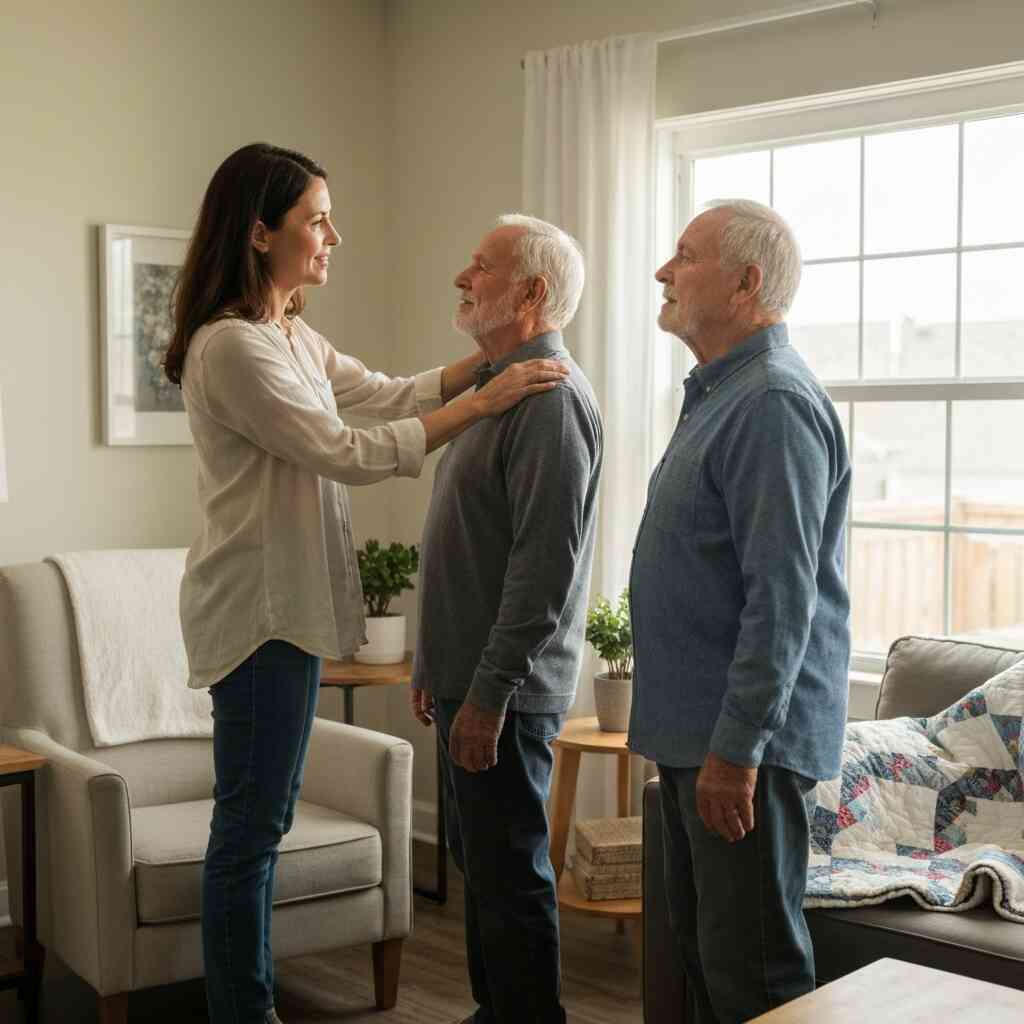
Moving into a new living environment is a significant milestone. As families gather to honor loved ones, many realize their current housing options for seniors no longer meet their daily needs. Whether you are exploring independent living communities or specialized long-term care, this season offers a unique opportunity to turn a new page. Transitions are complex, involving emotional, financial, and logistical considerations that require patience and expert guidance. By focusing on the future while respecting the past, families can find peace of mind. Our mission at Senior Living Facilities is to provide the resources necessary to make this journey smoother for every older American.
Honoring Memories While Building New Foundations
Moving to a new home during a holiday can feel overwhelming, especially when the timing coincides with family gatherings. You might feel a sense of loss as you sort through belongings, leading to hesitation about leaving a long-time family house. Acknowledge that these feelings of grief or anxiety are normal during such a major life change. By transitioning to senior living facilities, you are not losing your past; you are securing your future independence and safety. This time of reflection is a perfect moment to frame the move as a gift of security and companionship.
Recognizing the emotional gravity of moving during a holiday weekend
Holidays act as a lens through which we view family health and well-being. When children visit aging parents, they might notice that the home environment is no longer ideal. This realization often sparks conversations about moving to a more supportive setting. While the timing might seem difficult, the presence of family during the weekend is a massive source of support. Discussing the potential for a move while everyone is gathered ensures the decision is made with collective input and love.
Many families worry that a move will disrupt the continuity of tradition or make a senior feel isolated. However, modern residential care facilities are designed to incorporate family values and celebrate shared histories. Instead of viewing the move as an ending, see it as a way to preserve the energy and health of your loved one. By addressing these changes during a break from work, everyone has the time to process emotions fully. This proactive approach helps reduce the stress that often comes with emergency decisions made during a health crisis.
Assessing the transition to a seniors living community with grace
Grace is a vital tool when you are adjusting to a seniors living community. Change is challenging, and maintaining an open dialogue about your fears or desires is essential. Begin by visiting the site together to see how the staff interacts with residents. Look for evidence of a vibrant culture, such as scheduled activities or active social calendars that encourage resident participation. The staff are trained experts who handle these transitions daily and want the best for each newcomer.
Take the time to listen to your loved one’s concerns rather than dismissing them with logic. Sometimes, a senior just needs to express that they are scared of losing their independence in an assisted living facility. By validating these feelings, you create a stronger bond and allow them to participate in the decision-making process. This shared ownership of the transition leads to higher satisfaction once the move is complete. Patience during the first few weeks is crucial, as it takes time to establish a new routine and make new friends.
Balancing family traditions with the realities of aging in place
Many seniors value the concept of aging in place, yet the physical reality of a traditional home can become a burden. Maintenance, stairs, and yard work can consume the energy that should be saved for meaningful family interactions. Choosing to move does not mean abandoning traditions; it means finding a better environment where those traditions can thrive. Many retirement homes are designed to accommodate these desires, whether it is continuing to host a holiday meal or keeping up with favorite daily rituals.
When searching for the right place, consider how the community handles holidays and gatherings. Some facilities host dedicated events that invite family members, ensuring that the connection between generations remains strong. You might find that the freedom from home repairs allows more time for quality visits and shared experiences. Embracing the change allows the focus to shift back to the people involved rather than property maintenance. Ultimately, the quality of care and the ability to maintain dignity are the true measures of a successful living transition.
Strategic Planning for a Seamless Seasonal Transition
Planning a move requires careful attention to detail and a clear understanding of available resources. From financial planning to assessing medical services, the process is more manageable when approached with a structured plan. Families often benefit from using an assisted living locator to narrow down the options that match their requirements. By checking CMS star ratings and reviewing licensing information, you can ensure that the facility maintains high standards of quality and safety. Researching these aspects now prevents future headaches and ensures a smoother arrival at your new residence.
Utilizing an assisted living locator to find the right environment
Finding the right place can feel daunting given the thousands of options available. An effective assisted living locator saves time by filtering results based on your specific location, budget, and health needs. Whether you are looking for senior living facilities in Alabama or exploring options in the Pacific Northwest, these tools provide the clarity needed to make an informed decision. By inputting your specific criteria, you can quickly identify which communities offer the amenities or level of medical care required. This technology empowers you to compare multiple locations side-by-side, making the selection process objective.
Once you have identified a few top contenders, reach out directly to learn more about their availability and atmosphere. Ask about the lifestyle in 55+ apartments or the availability of specialized Alzheimer’s care facilities if memory support is required. Using a reliable locator removes the guesswork and helps you focus on finding a safe and joyful environment. Always feel empowered to ask for a tour during a standard weekday to see the community in action. Seeing residents engage in activities and hearing genuine laughter in the dining room provides invaluable insight into the culture.
Navigating the logistics of downsizing to rental housing for seniors
Downsizing is often the most physically challenging part of moving. Start by categorizing belongings into keepsakes, items to donate, and items that no longer fit a smaller footprint. Many families find that bringing a few well-loved pieces of furniture helps the new space feel like a home immediately. It is helpful to hire professional organizers or senior relocation specialists if the volume of items is overwhelming. The goal is not to get rid of your history, but to curate the space for a new chapter.
When preparing for a move into senior apartment rentals, measure the dimensions of the new space carefully before moving any large furniture. This prevents the stress of trying to fit oversized items into a layout not designed for them. Prioritize comfort and accessibility when arranging the room, keeping high-traffic areas clear for easy navigation. Labeling every box by room is essential for a smooth experience, especially when dealing with the physical fatigue that can occur during a move. Enlisting the help of extended family for a “sorting day” can turn a chore into a time of sharing stories and reminiscing.
Understanding how to choose a nursing home that respects personal dignity
Choosing a nursing home is a significant decision that impacts daily quality of life. Look for facilities that prioritize a person-centered approach, where resident preferences are respected in daily routines. Review the CMS star ratings to check for health inspection outcomes, staffing levels, and quality measures. A facility that values transparency will be happy to answer your questions about staff training and turnover rates. Don’t be afraid to ask how they handle changes in a resident’s condition over time.
Personal dignity is maintained through attentive care and the promotion of independence. Observe the staff-to-resident ratio during your tour to ensure that residents receive the timely assistance they need for their activities of daily living. It is also important to verify that the facility complies with local and state regulations regarding resident rights. A reputable home will always have a clear process for handling concerns, showing they are committed to constant improvement. When the atmosphere is warm and the care is consistent, it builds a foundation for genuine health.
Leveraging VA benefits for senior care and other financial resources
The cost of assisted living can vary significantly depending on the region, the type of care, and the amenities provided. Many families overlook the potential financial assistance available through the Veterans Administration. If you are a veteran or the surviving spouse of a veteran, you may qualify for the Aid and Attendance benefit to offset costs. Speak with a financial advisor or a senior living advisor who understands the intersection of VA benefits and long-term care planning. This assistance can make a massive difference in accessing specialized care that might otherwise seem out of reach.

Beyond VA benefits, families should investigate Medicaid senior housing options if they anticipate long-term care needs that will exceed personal savings. Some residents may also utilize long-term care insurance policies, which can cover a significant portion of monthly fees. Ask the admissions team about the “all-inclusive” cost structures versus fee-for-service models to avoid surprises. Understanding the financial landscape is a proactive step that protects your family’s future security. Request a detailed breakdown of all potential costs, including any future increases in pricing, before signing any agreements.
Comparing the level of care in skilled nursing facilities versus independent living communities
Understanding the difference between levels of care is essential for choosing the right community. Independent living communities are perfect for seniors who are active and want to trade home maintenance for social engagement. On the other hand, skilled nursing facilities offer 24-hour medical supervision for individuals with complex health needs. It is crucial to evaluate the specific needs of your loved one, as these needs may change over time within a continuing care retirement community. Some residents find that starting in an independent setting and moving to assisted care within the same campus provides the best stability.
Always research the specific certifications held by the facility, such as those related to memory care or rehabilitation services. The level of care in skilled nursing facilities is highly regulated to ensure safety and clinical accuracy. If you aren’t sure which level is appropriate, consult with a doctor or a geriatric care manager. They can provide a clinical perspective on the necessity of nursing support versus social support. Being honest about these requirements ensures that the chosen home provides the right balance of freedom and safety.
Cultivating Comfort and Connection in Your New Home
The final step in any transition is shifting from the mechanics of moving to the actual experience of living. Once you are settled, the focus should shift toward building relationships and enjoying the available amenities. Social integration is one of the most significant factors in long-term satisfaction for those in communities for seniors. It is common to feel hesitant at first, but participating in just one scheduled group activity can break the ice. Everyone else in the community was once the “new person” and understands exactly how you feel.
Prioritizing social integration in communities for seniors 55 plus
Community living is built on the foundation of shared experiences and companionship. Many retirement homes offer robust programs, such as book clubs, exercise classes, and organized outings, to help residents form bonds. Prioritize these social opportunities during your first month, even if you feel shy. Joining a communal table in the dining room can be a fantastic way to meet neighbors who share your interests. Socializing reduces feelings of isolation and contributes to better overall cognitive health.
Encourage your loved one to share their background and hobbies with the staff and other residents. You might find that the facility has a resident council or a group dedicated to a hobby your loved one enjoys, such as gardening or chess. These common interests create a natural pathway for friendship and belonging. Staff often go out of their way to introduce new residents to others who might share similar stories or professional backgrounds. A strong social network is one of the most powerful indicators of long-term happiness in residential care.
Personalizing assisted living plans to maintain individual autonomy
True quality of life in an assisted living facility comes from maintaining a sense of self and personal control. Work with the facility’s care team to develop personalized assisted living plans that honor your preferences and daily routines. If your loved one prefers to sleep in, ensure the care schedule reflects that desire rather than a rigid institutional timeline. Maintaining autonomy over choices like what to wear, when to participate in activities, and how to spend downtime is vital for confidence. A good facility will view you as a partner in care, seeking your input on how to best serve your loved one’s unique needs.
Make sure the plan is flexible enough to accommodate changes in health or personal interests as time passes. Regular check-ins with the wellness director can help tweak the care plan to ensure it remains effective. Encourage your loved one to advocate for themselves and to communicate when something is not working. The more they feel like an active participant in their own life, the more comfortable they will become. This collaboration between the family, the resident, and the facility staff forms the basis of a supportive living environment.
Finding quality memory care near me that focuses on holistic well being
If you are caring for a loved one with cognitive decline, finding specialized support is the priority. Quality memory care should focus on more than just medical safety; it should prioritize joy, engagement, and meaningful connection. Look for staff who are trained in validation therapy and techniques that reduce agitation while honoring the resident’s current reality. These facilities often utilize sensory-rich environments and routines that help maintain a sense of calm and structure. The best environments focus on what the resident can still do, rather than what they have lost.
A holistic approach to memory care includes nutrition, physical activity, and opportunities for social interaction tailored to different cognitive abilities. Ask about the staff’s approach to sundowning and how they manage behavioral changes with empathy and patience. Visiting the facility at different times of the day can help you understand the level of interaction and the warmth of the environment. You want a place where your loved one feels seen, heard, and deeply cared for, regardless of their diagnosis. This dedicated support allows family members to shift back into the role of being a loving, present family member.
Ensuring long term happiness through active engagement in retirement homes
Long-term happiness in a new home is the result of choosing the right environment and staying engaged. Active participation in the community, whether through volunteering or attending events, keeps the mind sharp and the spirit bright. Take the time to regularly visit and share in the life of the community with your loved one. Seeing them make friends, pursue new hobbies, and feel secure brings a sense of relief to the entire family. The transition is a process, and it is perfectly okay to take small steps toward building a new, fulfilling life.
As you reflect on the changes and the new foundations you have built, celebrate the milestones. Whether it is a successful first month or a new friendship, these wins are important for long-term health and emotional balance. By using resources like Senior Living Facilities to guide your decisions, you ensure that every step is supported by expertise and care. We are here to help you navigate these transitions with confidence. Your focus now is on enjoying the present and cherishing the new memories created in this supportive and engaging environment.
Frequently Asked Questions
How do I start the search for senior living?You should start by assessing the level of care needed, such as independent living, assisted living, or memory care. Using a dedicated assisted living locator allows you to compare facilities by location, services, and costs. It is also helpful to speak with a senior living advisor to clarify your needs and simplify the process. Always narrow down your list by checking official CMS star ratings and state licensing reports for quality assurance.
What is the difference between skilled nursing and assisted living?Assisted living is designed for seniors who need help with daily tasks but want to maintain a level of independence. Skilled nursing facilities provide 24-hour medical care and rehabilitation for those with complex health issues. Understanding the difference between skilled nursing and assisted living is vital, as one focuses on social support and the other on intensive clinical care. Consult with a doctor to determine which level is appropriate for your loved one.
How can I afford senior living?Many families use a combination of sources, such as personal savings, long-term care insurance, and home sale proceeds. You may also be eligible for VA benefits for senior care if your loved one is a veteran, or Medicaid senior housing if you meet specific financial requirements. Researching the cost of assisted living in your specific state is essential for long-term planning. It is recommended to speak with a financial expert who specializes in retirement planning.
What should I look for in memory care?When searching for memory care services, prioritize facilities that offer specialized staff training and secure, calm environments. Look for programs that focus on holistic well-being, including cognitive engagement and sensory-based activities. It is important that the staff understands how to communicate effectively with residents experiencing dementia. Ask for references and speak to other families to get a sense of the culture and care quality.
How does location impact the choice of a facility?Location is often about balancing proximity to family with the specific availability of care services in a region. For example, senior living facilities in California may have different regulatory requirements and price points than those in other states. It is important to find a balance where your loved one feels connected to their community but remains close enough for frequent, meaningful visits. Researching state-specific regulations ensures you know the legal standards for care and safety.
How do I choose the best community for my loved one?The best community is one that matches your loved one’s personality, lifestyle preferences, and health requirements. Schedule tours to observe the staff-to-resident interaction and the overall cleanliness of the environment. Ask pointed questions about their activity calendar, food quality, and medical oversight. Trust your intuition after visiting a few locations; you will often find that one feels like a natural fit for your family.
Is it okay to feel guilty about the move?It is normal to feel a range of emotions, including guilt, during this transition. Moving to a supportive environment is an act of love designed to ensure your loved one’s health and safety. Focus on the benefits of increased social engagement, professional medical oversight, and peace of mind for the whole family. Talking about these feelings with friends or a counselor can provide perspective and support.
Senior Living Facilities Editorial Team
Expert contributor specializing in senior living care. Dedicated to providing families with clear, actionable advice.