
The Difference Between Memory Care and Skilled Nursing
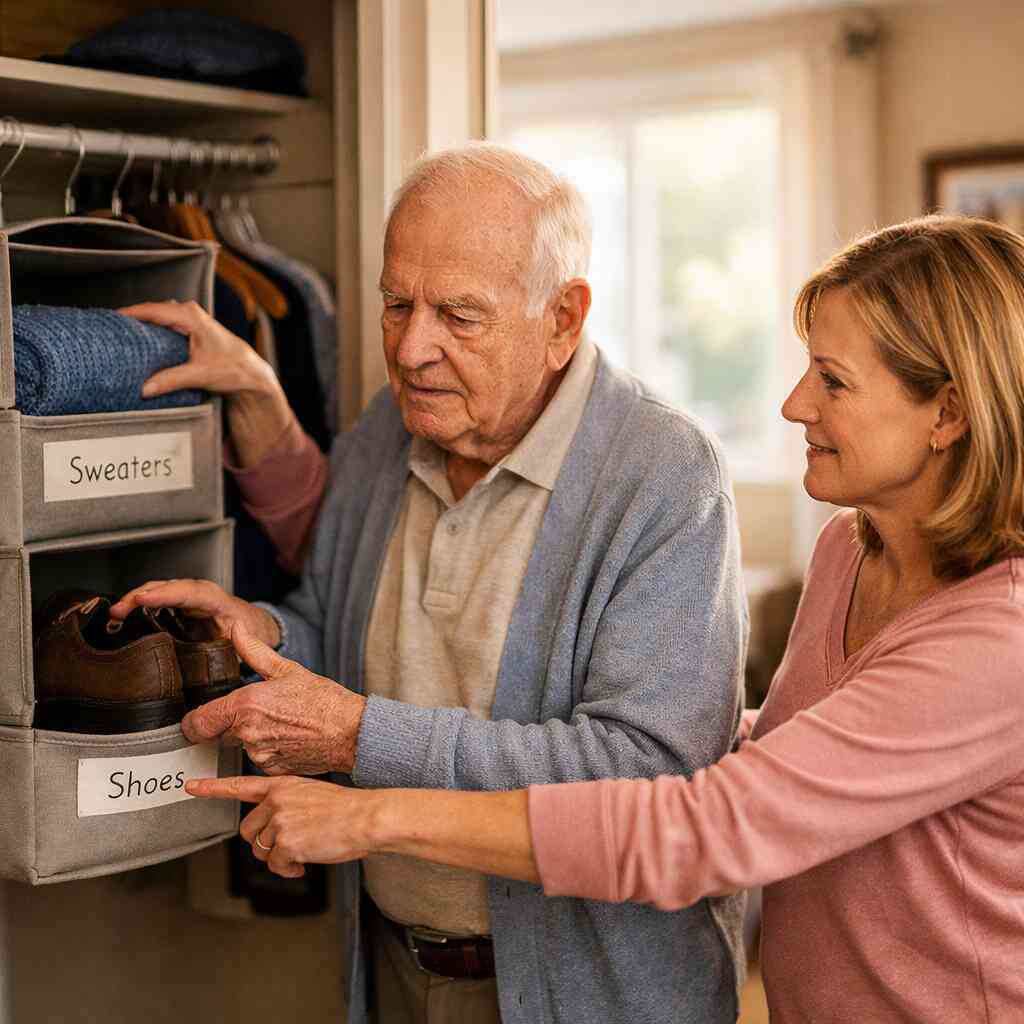
When memory loss stops looking like normal aging and starts changing daily life
You notice Mom repeats the same question three times before breakfast. Then she leaves the stove on. Then she accuses your brother of moving her purse. That is the moment many families feel the floor shift under them. Normal aging feels manageable, but this feels different, and the worry can be heavy at 11 p.m.
The hardest part is that memory loss rarely arrives in one clean line. It creeps into bills, meals, and medication schedules. Families often keep saying, “She is probably just tired,” because the truth is uncomfortable. Here is the part most people miss: safety changes the care level faster than diagnosis labels do.
The red flags families notice first when memory care may be the safer fit
Families usually start with small concerns, then the pattern becomes impossible to ignore. You may see missed meals, unopened mail, spoiled food, or a parent who gets lost on a familiar road. You may also notice behavior changes that feel sudden, even if they are not. Those are often the first clues that memory care for dementia support may be the better match.
Watch for these signs:
- Wandering outside at odd hours
- Repeating the same story or question
- Confusion with medications
- Fear, agitation, or suspicion in the evening
- Trouble with bathing, dressing, or toileting
- Forgetting how to use the microwave, phone, or front door lock
One daughter in central Florida told us her father could still carry on a conversation at lunch, yet he had tried to “go home” three times that week from his own apartment. That is not simple forgetfulness. It is a safety issue, and it changes the kind of senior living facilities you should compare.
What memory care is really designed to handle and what it is not
So, what is memory care? In plain language, it is a specialized setting for people with dementia, Alzheimer’s disease, or other memory-related conditions who need structured supervision. These communities are built around routine, cueing, secured spaces, and calm redirection. That is why many families search for memory care near me instead of broad housing options for seniors.
Memory care usually helps with:
- Daily reminders and guided routines
- Safe environments that reduce wandering risk
- Supervision during meals and personal care
- Staff training focused on cognitive decline
- Predictable schedules that lower stress
It is not designed for people who need constant medical treatment, wound care, or complex nursing procedures. If the main issue is memory and supervision, memory care often fits better than a nursing home. If the main issue is medical instability, the lane changes.
Why wandering, sundowning, and medication confusion change the level of care needed
Wandering can turn a quiet evening into an emergency. Sundowning can make a familiar room feel hostile after dinner. Medication confusion can create missed doses or double dosing, which adds another layer of risk. That is why families comparing memory care vs skilled nursing need to look past labels and focus on daily reality.
Memory care is usually the safer choice when the person is physically stable but cognitively unsafe. Skilled nursing becomes more likely when the person also needs ongoing medical oversight. The distinction matters because activities of daily living in senior care are only part of the story. The bigger question is whether memory loss is the main challenge, or one piece of a broader medical picture.
Why skilled nursing is a different lane entirely
Skilled nursing is not simply “more care.” It is a different type of care. People often compare assisted living vs nursing home as if the difference is mostly about room style or meal service. It is not. A long-term care facility with skilled nursing services exists for people who need nursing-level medical attention, often after surgery, stroke, serious illness, or injury.
That distinction can feel intimidating. It should. But it also brings clarity. If your loved one needs regular nursing assessment, rehab support, or treatment that cannot safely happen in a lower-acuity setting, then a skilled nursing basics search makes more sense than comparing apartment-style communities.
The medical situations that point families toward skilled nursing facilities
Families usually land in skilled nursing after a hospital stay, or after a decline that can no longer be managed at home. A doctor may recommend it after a fracture, a stroke, a severe infection, or a major functional setback. It also becomes relevant when chronic conditions begin to stack up. That is when Medicare skilled nursing may enter the conversation.
Common reasons include:
- Daily wound care
- IV medications or injections
- Post-acute rehab after hospitalization
- Complex mobility support
- Regular nursing assessments
- Feeding support or respiratory needs
This is where a skilled nursing facility differs sharply from independent living communities or even many residential care facilities. Those lighter settings may support routine living. They usually cannot replace the clinical oversight of a nursing team.
How nursing home care differs from assisted living plans and residential care facilities
A nursing home is usually structured for people who need much more supervision and medical monitoring than an assisted living facility provides. Assisted living plans typically help with meals, bathing, dressing, and reminders. They are popular in affordable senior living, luxury senior retirement communities, and even some pet-friendly assisted living settings. But they are not medical units.
Here is a simple distinction:
- Assisted living supports daily life.
- Memory care supports cognitive safety.
- Skilled nursing supports medical needs.
That is why assisted living versus nursing home care is such a common search. Families are trying to understand where help with bathing ends and where clinical care begins. In Texas, Florida, and California, the licensing and service rules can differ by setting, so the assisted living locator or senior living directory you use should reflect state-specific rules.
Where Medicare skilled nursing, Medicaid senior housing, and long-term care insurance can change the decision
Money matters, but it should never be the only filter. Still, funding rules often decide what is possible. Medicare skilled nursing coverage may help after a qualifying hospital stay, but it is limited and rule-based. Medicaid senior housing options may help in some cases, depending on the state and the person’s financial and medical profile. Long-term care insurance for senior care can also change the conversation if a policy is already in place.
Here is a practical way to think about it:
- Check the care need first.
- Confirm the expected length of care.
- Review what insurance may apply.
- Compare licensed settings near you.
- Ask each community what it can and cannot accept.
If you are unsure, a senior living advisor or free senior living referral service can save hours. The goal is not to guess. The goal is to match the care level before you move someone twice.
The side-by-side comparison that makes the decision less foggy
Families feel better once the choices are compared in plain English. The terms blur together at first. Then they sharpen. What seems confusing at breakfast often becomes clear after you compare supervision, medical support, and daily routine side by side. That is especially true when you are weighing senior citizen housing, retirement homes, or a continuing care retirement community (CCRC) against specialized care. One son in Texas called after touring three places in one afternoon. He said the halls all looked calm, but the care notes told the real story. That is exactly right. Calm hallways do not tell you whether the community can manage dementia behaviors or medical complexity. ### What daily support looks like in memory care versus skilled nursing 
A resident in memory care may need reminders, redirection, and help staying safe. A resident in skilled nursing may need treatments, monitoring, and clinical documentation. Both settings may help with meals and personal hygiene. However, the purpose of the support is very different.
FeatureMemory CareSkilled NursingMain focusCognitive safetyMedical care and recoveryBest forDementia, Alzheimer’s, wandering riskComplex health needs, rehab, nursing supportDaily helpCueing, routines, supervisionClinical care, assessments, therapiesEnvironmentSecure, structured, calmMore medical, higher-acuityCommon next questionQuestions to ask before choosing memory careHow to choose a nursing homeIf you are comparing board and care homes, residential care facilities, and a nursing home, ask what happens when needs increase. The best senior living facility is not the prettiest lobby. It is the one that can safely handle the care level you need now.
How staffing, supervision, and care plans usually differ across each setting
Staffing patterns vary widely, and you should ask about them directly. In memory care, teams often focus on supervision, engagement, and behavior support. In skilled nursing, licensed nurses and nursing assistants are central because the medical load is heavier. That difference affects everything from medication administration to response time.
A good care plan should spell out:
- Current diagnosis and risks
- Medication schedule
- Mobility needs
- Behavioral triggers
- Bathing, toileting, and eating support
- Escalation steps if condition changes
In the projects we’ve finished this year, the biggest mistake we see is families assuming “assisted living” means the same thing everywhere. It does not. Services, staffing, and admission rules can change by state, by license, and by building. That is why senior housing regulations and care levels matter as much as the brochure.
The hidden role of CMS star ratings, senior housing regulations, and state licensing rules
This part is easy to overlook, and it matters. Facilities certified by the Centers for Medicare & Medicaid Services, or CMS, display star ratings based on inspections, staffing, and quality measures. You should always check the latest report. That applies especially to CMS star ratings for nursing homes.
State licensing also changes what a community may legally provide. Florida, California, and Texas each have their own rules for adult care settings, and those rules affect admissions, staffing, and resident rights. If you are comparing Florida senior living, California assisted living, or Texas nursing homes, use state directories and ask direct questions. A polished tour is helpful, but the license tells you more.
How families choose with confidence when every option feels urgent
Urgency can make even smart people feel frozen. That is normal. You may be balancing work, siblings, a hospital discharge planner, and a parent who says, “I am fine.” In that moment, you do not need perfect certainty. You need a clean process and the right questions.
A few families we work with spend a week touring places, then realize they were asking the wrong questions. They were asking about paint colors and activity calendars. They should have been asking about admissions criteria, care transitions, and what happens after a fall. That shift changes everything.
Questions to ask assisted living and memory care communities before you tour
Bring a short list and stick to it. That keeps the visit useful. It also keeps the conversation grounded in your loved one’s actual needs, not marketing language. If you are comparing assisted living plans or memory care, start here:
- What level of memory loss do you accept?
- How do you handle wandering risk?
- What staff training do you require?
- How do you respond to evening agitation?
- How do you update families?
- What happens if care needs increase?
Use questions to ask assisted living communities as a guide, then add memory-specific questions. If you need respite care, ask whether short stays are available and what they include. If the person may need aging in place, ask how far the community can stretch before a transfer becomes necessary.
When a senior living advisor or senior placement services can save time and stress
A good senior living advisor does not make the decision for you. They narrow the field. That is a real relief when you are sorting through best senior living near me, memory care near me, and nursing homes that may or may not accept the care level you need. A reputable senior placement services team can also explain whether a community is a fit before you tour.
That is especially useful if you need:
- A free senior living referral
- Help comparing multiple states
- Guidance on VA benefits for senior care
- Clarity on affordable senior living
- A quicker path to senior living with no waitlist
If you are comparing funding, ask about Medicaid senior housing options and long-term care insurance for senior care. Those details can change your list fast. They can also protect you from touring places that were never realistic.
What to do next if you need best senior living near me, memory care near me, or a nursing home that can accept the right level of care
Start with the care level, not the marketing. Then match the setting. If memory loss is the main issue, compare memory care near me in Florida or your local equivalent. If medical complexity is the issue, focus on nursing homes and skilled nursing facilities. If you are split between two levels, ask the admissions team to explain why.
A smart next move looks like this:
- Write down the top three safety concerns.
- List current medications and diagnoses.
- Decide whether medical care or memory support matters more.
- Compare licensed communities in your area.
- Ask for a written explanation of acceptance criteria.
If you want a starting point, use the senior living directory and compare local options by care level first. You do not have to solve the whole future tonight. Start with one call, one list, and one honest conversation with the people who know these care settings best.
Frequently Asked Questions
Question: What is memory care, and how do I know if my loved one needs memory care near me instead of assisted living or a nursing home?
Answer: Memory care is a specialized option for people living with dementia, Alzheimer’s disease, or other memory-related conditions who need a secure, structured environment and consistent supervision. If your loved one is wandering, repeating questions, missing medications, or struggling with bathing, dressing, or using everyday items safely, memory care may be a better fit than standard assisted living plans. Senior Living Facilities helps families compare senior living facilities, senior living community options, and Alzheimer’s care facilities so they can match the care setting to the person’s daily safety needs rather than guessing based on labels alone. If you are searching for memory care near me, our senior living directory makes it easier to compare communities for seniors 55+ by care level, support style, and location.
Question: In The Difference Between Memory Care and Skilled Nursing, what is the difference between skilled nursing and assisted living, and when does a long-term care facility become the right choice?
Answer: The difference between skilled nursing and assisted living usually comes down to medical complexity. Assisted living is designed to help with daily life, such as meals, reminders, bathing support, and routines, while skilled nursing facilities provide a higher level of medical oversight, nursing supervision, and rehab support. A long-term care facility becomes more appropriate when someone needs ongoing clinical care after a hospitalization, stroke, surgery, or serious decline that cannot be safely managed in a lighter setting. Senior Living Facilities helps families compare assisted living vs nursing home options, residential care facilities, board and care homes, and skilled nursing facilities so they can see which setting aligns with current needs. We also encourage families to review CMS star ratings, state licensing, and senior housing regulations when comparing options, since those details can help you understand what each community is actually licensed to do.
Question: How can Senior Living Facilities help families compare memory care, dementia care homes, and assisted living locations in Florida senior living, California assisted living, or Texas nursing homes?
Answer: Senior Living Facilities is built to help families search, compare, and connect with senior living facility options across all 50 states, including Florida senior living, California assisted living, and Texas nursing homes. If you are deciding between dementia care homes, memory care, and assisted living locations, our platform can help you narrow the search by care level, location, and the type of support your loved one needs. Families can use our senior living locator and senior living directory to review housing options for seniors, rental housing for seniors, senior apartment rentals, 55+ apartments, and more specialized care settings. Because licensing and services can vary by state, we always recommend confirming what each community can accept and support before touring. Our goal is to make the search clearer, calmer, and more organized so you can compare the right options without wasting time on places that do not fit.
Question: What should I ask before choosing a nursing home or memory care community, and can Senior Living Facilities connect me with a senior living advisor or free senior living referral?
Answer: Before choosing a nursing home or memory care community, it helps to ask about admission criteria, staff response to wandering or agitation, medication support, supervision levels, and what happens if care needs change. If you are comparing how to choose a nursing home versus memory care, the right questions can reveal whether a community is truly prepared for your loved one’s situation. Senior Living Facilities can help families organize those questions and connect with a senior living advisor or senior placement services resource when extra guidance is needed. We also support families who are comparing respite care, aging in place, senior citizen housing, retirement homes, and continuing care retirement community (CCRC) options. If you need a free senior living referral, we can help you move from a broad search to a more focused list of communities that better match the level of care, budget considerations, and location you are exploring.
Question: Can Senior Living Facilities help compare affordable senior living, Medicaid senior housing, Medicare skilled nursing, and long-term care insurance options?
Answer: Yes. Many families start with care needs, then quickly realize they also need to think about funding. Senior Living Facilities helps people compare affordable senior living, senior living for low-income seniors, Medicaid senior housing, Medicare skilled nursing, VA benefits for senior care, and long-term care insurance in the context of the care level they actually need. We do not promise specific prices or outcomes, but we can help you understand which types of communities may align with your situation and which questions to ask when you call. Families also use our resources to compare senior living costs by state, look at broad cost trends such as the Genworth Cost of Care Survey, and review whether a community is a fit before touring. Whether you are looking for luxury senior retirement communities, pet-friendly assisted living, or senior living with no waitlist, our job is to help you compare options more confidently and avoid unnecessary backtracking.
Admin
Expert contributor specializing in senior living care. Dedicated to providing families with clear, actionable advice.