
Top 10 Benefits of Board and Care Homes for Seniors 2026
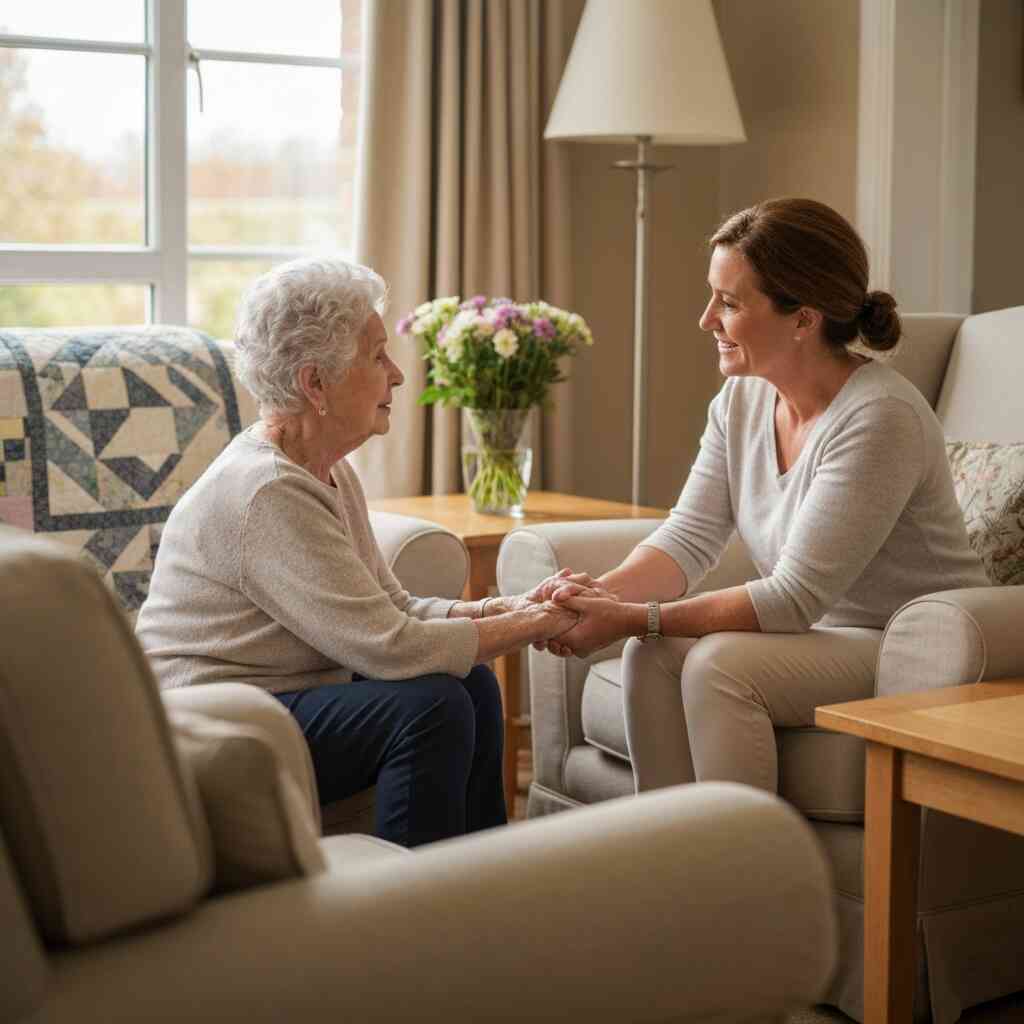
When you notice a loved one struggling with daily tasks, it is natural to feel overwhelmed. You want the best care possible, but the search for the right environment often leads to confusion. Board and care homes, also known as residential care facilities for the elderly, offer a unique, smaller-scale solution. These homes are designed to provide professional assistance in a setting that feels like a private house. By prioritizing a lower density of residents, these homes ensure that every senior receives the focus they deserve. Understanding the specific advantages of these boutique communities can help you make a confident decision for your family.
1) Personalized Resident to Staff Ratios
The primary advantage of choosing a residential care home is the ability to provide individualized attention. Because these facilities typically house a small number of seniors, staff members truly get to know every person. You will find that personalized resident-to-staff ratios in small communities allow for a level of care that large institutions simply cannot match. This focused environment ensures that subtle changes in a senior’s health or behavior are noticed immediately. When a caregiver is responsible for only a few individuals, they can dedicate more time to emotional support and companionship.
Why smaller environments allow for faster response times
In a smaller home, caregivers are always nearby, meaning they can respond to alerts or needs in seconds rather than minutes. This rapid response time is critical for preventing falls and managing sudden health shifts before they become emergencies. When a senior rings for assistance, they know someone is coming quickly to help them. This reliability builds immense trust between the residents and the staff members who care for them. Larger facilities often have staff spread thin across long hallways, which can create delays in responding to resident calls.
The impact of consistent caregivers on emotional health
Consistency is a pillar of high-quality care, especially for those experiencing cognitive decline. In a board and care home, the same faces show up for every shift, helping seniors feel secure and grounded. Familiarity breeds comfort, which significantly lowers anxiety levels for many older adults. When caregivers recognize a resident’s personal history and habits, they provide care that feels deeply personal and respectful. This stability prevents the confusion that often stems from seeing a revolving door of temporary staff members.
How intimate settings foster deeper relationships
Small residential settings act like a second family for many seniors. Since the groups are small, residents have the space to build meaningful friendships with their peers and caregivers alike. Daily conversations take place over meals or in the living room, creating a sense of genuine belonging. These connections are essential for preventing the loneliness that often impacts seniors in larger, impersonal senior living facilities. When residents feel seen and heard by everyone around them, their overall happiness and mental health improve drastically.
2) Intimate Senior Living Environments
Living in a massive facility can sometimes feel cold or clinical, which is why many families now prefer boutique housing. These residential care facilities provide a warm, inviting atmosphere that reflects the comforts of a private home. By maintaining intimate senior living environments in California, providers ensure that residents feel like they are living in a house rather than a facility. This design approach focuses on creating spaces that are easy to navigate and aesthetically pleasing. You will see firsthand how this residential touch makes a huge difference in the daily life of a resident.
Creating a home-like atmosphere for seniors
Board and care homes are often situated in quiet residential neighborhoods, which helps seniors maintain a connection to community life. The interior is decorated with comfortable furniture, soft lighting, and personal touches that make the space feel cozy and lived-in. Residents are encouraged to bring their favorite personal items to decorate their private rooms, further personalizing their space. This environment helps seniors settle in more quickly and feel a sense of ownership over their living situation. Unlike sterile nursing homes, these residential homes prioritize the feeling of a true home base.
Reducing the overstimulation found in larger institutions
Large senior living communities can be loud and overwhelming, with long, echoing hallways and constant activity. For a senior with sensory sensitivities or anxiety, this environment can lead to significant stress and discomfort. Small board and care homes minimize this noise and chaos, offering a quiet, predictable, and calming daily experience. By limiting the number of people in common areas, these homes allow residents to relax and focus on their personal needs. This reduced level of overstimulation is a major benefit for those who thrive in quiet and peaceful settings.
Designing spaces that feel like a private residence
The layout of a board and care home is intentionally designed to be accessible and intuitive. There are no confusing labyrinths or endless corridors, making it easier for seniors to navigate their surroundings independently. Common areas are centralized, encouraging gentle movement and social interaction without feeling forced or crowded. Every element is chosen to promote ease, from the height of the counters to the placement of supportive railings in the bathrooms. This thoughtful design helps maintain a resident’s sense of autonomy while ensuring their safety throughout the day.
3) Specialized Dementia Care Homes
Memory loss is a difficult journey, but the right environment makes it much more manageable for everyone involved. Specialized dementia care homes in Florida provide an environment where safety and compassion go hand in hand. These homes are specifically equipped to manage the unique challenges posed by Alzheimer’s and other forms of memory-related conditions. Instead of just focusing on medical tasks, these homes prioritize the dignity and emotional well-being of every resident. By choosing a specialized home, you are ensuring your loved one is in a space that understands their specific cognitive needs.
Focusing on compassionate memory care
When you search for quality care, you need a provider that specializes in memory-specific programming and attention. These homes utilize evidence-based techniques to communicate with residents who are experiencing memory confusion or loss. Staff receive specialized training to de-escalate behavioral issues and redirect frustration with kindness and patience. The goal is to provide a stress-free existence where the resident feels understood and supported at all times. This type of care is far superior to generalized settings that may not have the capacity for specific memory needs.
Tailoring daily routines to individual cognitive needs
Every person living with dementia has a different routine that helps them feel secure and functioning. Board and care homes excel at customizing these daily patterns, ensuring that the rhythm of the day works for the individual. If a resident likes to wake up slowly or participate in specific types of sensory activities, the staff adapts accordingly. This personalization reduces the likelihood of “sundowning” or other behavioral outbursts that can occur when routines feel chaotic. By honoring these preferences, the home provides a sense of structure that is both comforting and necessary for cognitive health.
Safety and supervision in residential settings
Safety is a top priority for families, especially when a loved one is prone to wandering or confusion. These homes use subtle, secure measures to prevent residents from leaving the premises while still maintaining a warm, welcoming environment. Because the home is small, staff can maintain a high level of supervision throughout the day and night. This constant oversight offers peace of mind to families who worry about the daily risks faced by someone with memory impairment. The balance of freedom and protection is managed much more effectively here than in large-scale facilities.
4) Aging in Place with Personalized Support
Nobody wants to move multiple times as their health needs evolve over the coming years. Aging in place with personalized support in New York is one of the most significant benefits of residential care. These homes offer a flexible structure where care can be increased or decreased based on the resident’s current health status. Instead of forcing a transfer to a new unit or location, the care team stays with the resident as their needs change. This continuity is a profound blessing for seniors who want to stay in one place long-term.
Customized daily living assistance for changing health
As health needs fluctuate, the level of help provided by the staff changes to match those requirements. Whether your loved one needs help with dressing, bathing, or medication management, the staff is ready to adapt their support. This customization ensures that the resident receives exactly what they need without being pushed to accept services they do not yet require. Such flexibility is the hallmark of high-quality long-term care facility options that truly put the resident first. You can be confident that as your loved one grows older, their care will grow with them.
Avoiding the stress of frequent facility transfers
Moving between facilities is one of the most stressful events in a senior’s life. It involves changing environments, staff, and social circles, which can cause confusion and unhappiness. By choosing a board and care home that supports long-term residency, you prevent these unnecessary transitions. Your loved one remains in a familiar room with the same caregivers who already know and understand their personal health journey. This stability preserves their quality of life and keeps them settled in an environment where they feel comfortable.
Maintaining dignity through familiar surroundings
Dignity is a fundamental human right that should never be lost as a person ages. By staying in one home, a senior can maintain their personal belongings, their memories, and their sense of space. They are not just another number in a crowded wing; they are a resident in a home they know well. This continuity of care helps seniors maintain their sense of self even when facing physical or cognitive challenges. It is a powerful way to ensure that their final years are spent with dignity and grace.
5) Small Scale Assisted Living Communities
For many, the transition to small-scale assisted living communities in Ohio feels like a natural step toward retirement. These communities offer a perfect middle ground between total independence and the intensity of a hospital-like setting. By keeping the resident count low, these communities focus on the quality of life rather than just the volume of care provided. Residents enjoy the perks of professional support while retaining the social benefits of a tight-knit neighborhood. This boutique approach to assisted living is changing how families think about senior care.
Comparing boutique senior housing to large facilities
Large assisted living facilities often rely on high-volume service models, which can lead to residents feeling overlooked. In contrast, boutique senior housing treats residents as individuals rather than clients in an assembly line. While large facilities might have more “amenities” on paper, boutique homes provide better access to what actually matters, such as personalized care and authentic social interaction. Families often find that they prefer the quiet, focused nature of smaller homes compared to the bustling, impersonal halls of massive commercial complexes. The choice between these options comes down to what kind of lifestyle and support system your loved one truly needs.
Benefits of a lower density living experience
Lower density living significantly improves the daily experience of every person in the home. There is less competition for staff attention, less noise in common areas, and a more relaxed atmosphere for everyone. Residents don’t have to wait for assistance during meal times or bathroom breaks because the staff-to-resident ratio is much better. This low-stress environment is ideal for seniors who are easily overwhelmed by large groups or chaotic social settings. It turns the living experience into something manageable and enjoyable rather than something to endure.
How smaller footprints improve social connection
In a smaller community, it is much easier to form genuine bonds with fellow residents. Because everyone shares common spaces like the dining room and kitchen, daily interactions occur naturally and frequently. You won’t find the isolation that is common in large buildings where residents might stay in their rooms all day. The scale of these homes encourages a sense of community that is both accessible and inviting for everyone. When a resident feels a true part of a family-style group, their emotional health and overall sense of contentment improve significantly.
6) Family Style Senior Housing
Meals are the heart of a home, and this is especially true in a high-quality residential care setting. Family-style senior housing in Georgia prioritizes the communal dining experience as a way to build bonds. By eating together, residents feel a sense of camaraderie and shared experience that is often missing elsewhere. This approach to life goes beyond just food; it touches every aspect of the daily routine. You will notice how much more “at home” your loved one feels when they are part of a shared, supportive environment.

The importance of communal dining and shared spaces
Communal dining allows staff to observe the appetite and nutritional health of every resident with ease. It also creates a natural time for social conversation and mental engagement during the day. When residents sit together in a dining area that feels like a private home, they are more likely to enjoy their meals. These shared spaces are intentionally designed to be warm and welcoming, encouraging people to gather and chat. Nutrition is better managed when it is tied to an enjoyable, social, and dignified experience for everyone involved.
Cultivating a sense of belonging among residents
When a group is small, every person contributes to the energy of the home. Residents get to know each other’s stories, preferences, and backgrounds, which fosters mutual respect and genuine friendships. This social connection is vital for preventing the depression that often results from the move to a senior facility. When a senior feels like a valued member of a household, they are much more likely to participate in daily activities. This feeling of belonging is exactly what most families are looking for when they start this search.
Encouraging family involvement in daily life
Small residential homes are generally much more open and welcoming to family visits than large, high-security institutions. You can stop by for coffee, join your loved one for a meal, or sit in the garden without needing to navigate complex check-in systems. This accessibility makes it much easier for you to stay involved in your loved one’s life. The staff are also more likely to know you by name, which creates a collaborative partnership in your loved one’s care. Family involvement is a key part of long-term success and happiness for residents in these types of homes.
7) Holistic Wellness in Residential Settings
Health is not just about medication or doctor visits; it is about the whole person. Customized daily living assistance in Washington often includes a focus on mental, physical, and emotional wellness. These homes integrate healthy habits into the everyday flow of life, making wellness a natural part of the day. Instead of forcing exercise routines, they encourage gentle movement and mindful activities. By taking this approach, they help residents maintain their health and vitality for as long as possible.
Integrating movement and nutrition into daily care
In a residential home, the menu is often planned with a focus on fresh, nutritious, and balanced ingredients. Staff encourage light activity, such as walking in the garden or participating in gentle stretching routines, throughout the day. Because the environment is small, staff can easily tailor these activities to the physical abilities of each resident. This ensures that everyone stays active without feeling overwhelmed or pushed beyond their limits. A healthy body is the foundation for a healthy life, and these homes ensure that nutrition and movement are always top priorities.
Promoting mental well-being through quiet activities
Mental health is supported through a variety of engaging, low-stress activities like reading, board games, or light creative projects. These activities are designed to keep the mind sharp while keeping the stress levels low. Because the setting is quiet and intimate, residents can focus on their hobbies without the distraction of loud common areas. Mental well-being is closely tied to the feeling of purpose, and these homes provide plenty of opportunities for residents to engage in what they love. Staying mentally active is one of the best ways to ensure a high quality of life during your retirement years.
Access to personalized health monitoring
While board and care homes are not hospitals, they do provide consistent observation of a resident’s physical health. Staff members are trained to notice early warning signs, such as changes in weight, sleep, or mood. This proactive approach to health monitoring ensures that small issues are handled before they turn into major health crises. Families can feel at ease knowing that a trained eye is always watching over their loved one’s health. This balance of monitoring and freedom is exactly what most seniors want as they settle into their later years.
8) Affordable Board and Care Options
The financial aspect of senior care is often the most stressful part for families. Fortunately, comparing senior living facilities and board care homes often reveals that residential homes are a cost-effective solution. They provide a high level of care without the massive overhead costs of large, multi-story nursing complexes. You might be surprised to find how many options are available to fit your budget. Understanding the financial landscape will help you choose a community that offers the best value for your needs.
Understanding long-term care insurance for residential homes
If your loved one has a long-term care insurance policy, it will often cover the services provided in a licensed residential care home. It is essential to check the specific details of your policy to see what is covered and under what conditions. Because these homes are licensed, they usually meet the requirements that insurance providers look for in a care facility. Speaking with a representative or a financial advisor can help you clarify these details. Getting your paperwork in order early will make the financial transition much smoother for everyone involved.
Navigating budget-friendly housing options for seniors
There are many ways to manage the costs of senior living, including government-sponsored programs and local subsidies. If you are struggling to find an affordable option, start by researching state-specific programs that assist with long-term care costs. There is no shame in seeking financial support, as these resources exist specifically to help seniors and their families. Many residential homes work closely with families to help them understand these programs and apply for them. Being transparent about your budget with a placement service can help you find a community that fits your needs perfectly.
Comparing costs against traditional nursing homes
When you look at the monthly fee, board and care homes often prove to be more affordable than traditional, full-scale nursing homes. This is largely because they don’t have the high-priced amenities like fitness centers or theaters that many families don’t actually use. You are paying for the care, the housing, and the support, which is often where the real value lies. Always ask for a clear list of what is included in the monthly cost so you can compare apples to apples. A transparent, itemized list from the facility will help you make a wise decision for your family’s future.
9) Transition to Residential Care
Moving into a new home is a significant life change, and it requires careful planning to be successful. Whether you are moving from a family house or another facility, understanding dementia care homes vs senior living facilities is the first step in the planning process. It is important to involve your loved one in the decision-making as much as possible to ensure their comfort. With the right support, this transition can be a smooth and positive move for everyone. Taking the time to evaluate your options will give you the confidence you need.
Senior living advisor guidance for a smooth move
A senior living advisor can be a massive help in guiding you through the many choices available today. They provide free senior living referral advice for 2026 placement help so you don’t have to do it alone. These professionals know the ins and outs of local regulations, facility reputations, and costs in your area. They can help you narrow down your search to only the homes that meet your specific criteria. Having a professional on your team makes the entire process faster and much less stressful for you.
Evaluating residential care quality before committing
Always schedule a time to visit the homes you are considering to see the daily life in action. Pay attention to how the staff speaks to residents and whether the atmosphere feels clean and respectful. You should also ask to see the most recent inspection reports to ensure the home is in good standing. Checking for best senior living facilities for memory care in 2026 can provide you with a list of vetted options. A visit will tell you more about the home’s culture than any brochure or website ever could.
Helping families find peace of mind
The goal of this entire process is to reach a point where you feel completely secure in your choice. When you know your loved one is safe, well-fed, and treated with kindness, you can focus on enjoying your time with them. The transition to residential care is about providing a better life, not just solving a logistical problem. You have many guide to long-term care facility options available in 2026 to ensure you find that peace of mind. Taking this step is a sign of love and a commitment to your relative’s long-term wellness.
10) Specialized Alzheimer’s Care Facilities
When dealing with the complexities of Alzheimer’s, a specialized environment is not a luxury; it is a necessity. Senior living options for aging adults with memory loss are not all created equal, and boutique homes offer a major advantage. These homes have the staff training and physical layout required to handle the specific, fluctuating needs of Alzheimer’s patients. By choosing a home designed for this purpose, you are ensuring the highest level of care. It is a decision that protects the resident’s dignity while managing their health with expertise.
Managing behavioral changes in a residential setting
Behavioral changes are a common part of the Alzheimer’s journey, and they require a staff that understands the disease process. In a boutique home, the staff can quickly identify the triggers for a resident’s frustration and work to soothe them. They use redirection and gentle techniques rather than harsh restrictions or loud interventions. This calm management of behavioral issues keeps the resident stable and the home peaceful for everyone. It is a level of insight that comes from long-term, direct experience with the disease in a home setting.
The role of specialized training for staff
Staff in specialized Alzheimer’s care homes receive ongoing training in the latest techniques for dementia support. They understand how to approach residents from the front, how to use non-verbal cues, and how to simplify tasks to build confidence. This expertise is a major differentiator compared to generalist facilities that may not have as much specialized knowledge. When you talk to the staff, you will quickly recognize their ability to articulate their approach to care. This depth of knowledge is exactly what you want when choosing a home for your family.
Why boutique environments benefit those with memory loss
Boutique homes are ideal for those with memory loss because they offer a consistent, predictable, and manageable environment. The small number of residents allows the staff to keep a very close eye on every person throughout the day. Residents don’t have to deal with the anxiety of finding their way around a giant building or interacting with dozens of new people. The familiarity and security of a smaller home provide a stabilizing effect that is proven to improve quality of life. For those experiencing memory decline, the world can be scary, but a boutique home provides the safety they desperately need.
Frequently Asked Questions
Question: What are the primary board and care home advantages compared to larger institutions according to the Top 10 Benefits of Board and Care Homes for Seniors 2026? Answer: As highlighted in our latest insights, the primary benefits stem from personalized resident-to-staff ratios and the creation of intimate senior living environments. Unlike massive institutional complexes, board and care homes foster a home-like atmosphere for seniors that reduces overstimulation. By utilizing Senior Living Facilities to navigate these residential care facilities for the elderly, you can ensure your loved one benefits from consistent caregivers and a higher level of safety and supervision in residential settings that larger facilities simply cannot match.
Question: How can I find specialized dementia care homes that prioritize compassionate memory care? Answer: Finding the right care is critical when dealing with memory loss. At Senior Living Facilities, we specialize in helping families locate specialized dementia care homes and specialized Alzheimer’s care facilities that utilize evidence-based techniques to manage behavioral changes. Our platform allows you to filter for these boutique communities, ensuring your loved one receives customized daily living assistance in a setting that understands their specific cognitive needs while maintaining their dignity.
Question: Does Senior Living Facilities offer expert advice on how to navigate the transition to residential care? Answer: Yes, we provide comprehensive senior living advisor guidance to ensure a smooth move for your family. We understand that moving is a major life event, which is why we offer free senior living referral services to help you evaluate residential care quality before committing. Whether you are looking for small-scale assisted living communities or high-quality long-term care facility options, our experts help you weigh the differences between independent living communities vs board and care to find the perfect fit.
Question: What should I know about long-term care insurance for residential homes and other financial aspects of senior care? Answer: Managing the costs of senior care is a priority for many families. Our team can help you understand how long-term care insurance for residential homes functions and how it applies to various board and care providers. By comparing the cost of assisted living and researching affordable board and care options, we help you find value without compromising on quality. We assist in navigating senior placement services so that you can secure a path toward aging in place with personalized support that fits your budget.
Question: How does social connection in small communities improve the mental health of residents? Answer: Social connection in small communities is a cornerstone of emotional well-being. Because these homes utilize family-style senior housing models, residents form deeper, more organic relationships with staff and peers compared to the isolating nature of large nursing homes. This sense of belonging is essential for preventing loneliness. When you use our directory, you can find communities that prioritize holistic wellness in residential settings, ensuring that your loved one is not just receiving care, but living in an environment that actively nurtures their happiness and mental health.
Admin
Expert contributor specializing in senior living care. Dedicated to providing families with clear, actionable advice.