
Ultimate Guide to Fall Memory Care Costs Near Me 2026

When fall memory care costs near me suddenly feel out of reach
The first call often sounds the same. You notice Mom is more confused after dinner, Dad has started wandering at dusk, and the monthly quote is higher than you expected. If you are reading this at night with a stack of brochures beside you, that knot in your stomach is completely normal. Memory care decisions usually arrive after a scare, not after a neat plan. That is why the numbers feel heavier in the fall.
Why memory care pricing feels different once the season shifts and care needs grow
Fall changes the rhythm of a household. Families spend more time indoors, and small memory lapses become harder to overlook. That shift often exposes safety needs that were easy to miss in summer, such as exit monitoring, cueing, medication support, and help with activities of daily living. Those needs can move a family from light support into a long-term care facility conversation quickly. The emotional pressure rises right along with cost concerns.
What many families do not expect is how much the care mix affects the quote. A senior living facility with secured doors, higher staffing attention, and a structured routine is not priced like independent living communities or simple rental housing for seniors. Memory care also differs from 55+ apartments, senior apartment rentals, and other housing options for seniors because the support is much more hands-on. If your search started with memory care near me, you may have assumed location was the main cost driver. It is only one piece.
Here is the part most families miss. A building can look calm and lovely, yet still cost more because the staff spends more time redirecting, documenting, and supervising. One daughter we spoke with in Boca Raton said the quote surprised her more than the diagnosis. Her mother did well in assisted living locations for months, then started leaving the community at odd hours. That one behavior changed the entire care conversation, because safety features became nonnegotiable.
The hidden cost drivers families miss when comparing memory care community options
Price comparisons get messy because families compare the wrong things. They compare square footage and forget supervision. They compare meal counts and miss staffing patterns. They compare a cheerful tour and overlook whether the community is built for Alzheimer’s care facilities or general seniors living community needs. Real cost differences usually come from care intensity, not décor.
Look closely at these hidden drivers:
- Higher staffing attention, especially during evenings and weekends
- Secured environments with controlled entrances and exits
- Cueing and redirection for dressing, eating, and bathing
- Medication support and daily oversight
- Behavior management training for dementia-related changes
- Specialized dining or texture-modified meals when needed
- Care planning reviews that adjust as needs change
A family in Tampa told us they thought they were comparing two similar communities. They were not. One offered basic assistance, while the other focused on residents with advanced dementia and stronger supervision. The second quote looked higher, but the real difference was the level of monitoring. That is why a true memory care cost comparison must include care depth, not just room type. If you want to compare carefully, start with a trusted senior living facilities directory near me.
What memory care near me really means when location changes the price conversation
Location changes everything. A memory care near me search in Miami will not behave like the same search in a smaller inland city. Labor markets, state licensing rules, land costs, and local demand all shape the final number. Even within Florida, Florida senior living communities near coastal areas can feel different from options farther inland. In California, the same pattern shows up around dense metro areas and suburbs.
The phrase “near me” also matters for family logistics. A community closer to your home can reduce driving stress, missed visits, and emergency response time. That convenience matters, but it can also cost more. If you are comparing options across states, use a senior living costs by state comparison so you are not guessing. For families moving quickly, a find senior living facilities near you fast search can help narrow the field without wasting days.
The price signals that separate affordable memory care from an expensive mistake
A low monthly quote can look reassuring at first. Then the add-ons appear. Or the care level is too light. Or the staffing looks thin. That is how an apparently affordable choice becomes an expensive mistake. The goal is not the cheapest place. The goal is the right level of care with clear terms.
What is memory care and why it often costs more than assisted living plans
What is memory care? It is a specialized setting for people living with Alzheimer’s disease, dementia, or related cognitive changes. The staff provides a more structured environment, more supervision, and more predictable routines than most assisted living plans. Memory care communities also tend to use design features that reduce confusion and wandering. Those features cost money. So does the training that helps staff respond calmly to repetition, fear, and sundowning.
By contrast, the cost of assisted living usually reflects help with meals, housekeeping, and personal care, but not the same level of cognitive supervision. That is why memory care often sits above assisted living on the pricing ladder. According to the Genworth Cost of Care Survey, care costs continue to vary widely by state and service type, which makes local comparison essential. If you want a practical overview, this affordable memory care pricing guide can help you sort the basic market language before you tour.
Assisted living vs memory care and where the care line actually changes
The difference between assisted living vs memory care usually shows up in daily life. Assisted living helps with routines. Memory care adds stronger cognitive support and greater supervision. The line changes when safety becomes a constant concern, or when a person can no longer follow directions reliably. If wandering, fear, or repeated disorientation is part of the day, memory care may fit better than general assisted living.
FeatureAssisted LivingMemory CareMain focusSupport with daily routinesSupport with cognitive decline and safetyEnvironmentLess restrictiveMore secure and structuredStaff attentionModerateHigher supervisionBest fitSome help neededMemory loss creates safety concernsIf you are still deciding, a direct assisted living versus memory care comparison can help you see the break point clearly. And if you are comparing broader care choices, the difference between skilled nursing and assisted living matters too. Families often confuse the three. That confusion wastes time.
Senior living costs by state and why Florida senior living or California assisted living can look very different
State matters because regulation matters. Staffing rules, licensing standards, and local wages vary. That is why senior living costs by state can look wildly different even when the care descriptions sound similar. Florida senior living can be shaped by a large retirement population and regional demand. California assisted living often reflects higher labor and housing pressures. Texas nursing homes can show yet another pattern because the market and care mix differ again.
If you are comparing across states, do not rely on one family friend’s experience. Compare the same care level in the same region. For instance, Medicaid senior housing options may look different from private-pay communities. In Orlando, San Diego, and Houston, families may find different waiting patterns and service mixes. For a clean side-by-side view, review senior living costs by state comparison before you call.
The role of CMS star ratings, staffing, and safety when comparing facilities
CMS star ratings for senior care communities give families a starting point, not a final answer. They reflect health inspections, staffing, and quality measures for certain regulated settings. That matters because a polished lobby tells you nothing about consistency in care. Always check the latest public report, and ask how the community uses feedback. Strong ratings do not replace a tour. They help you ask sharper questions. 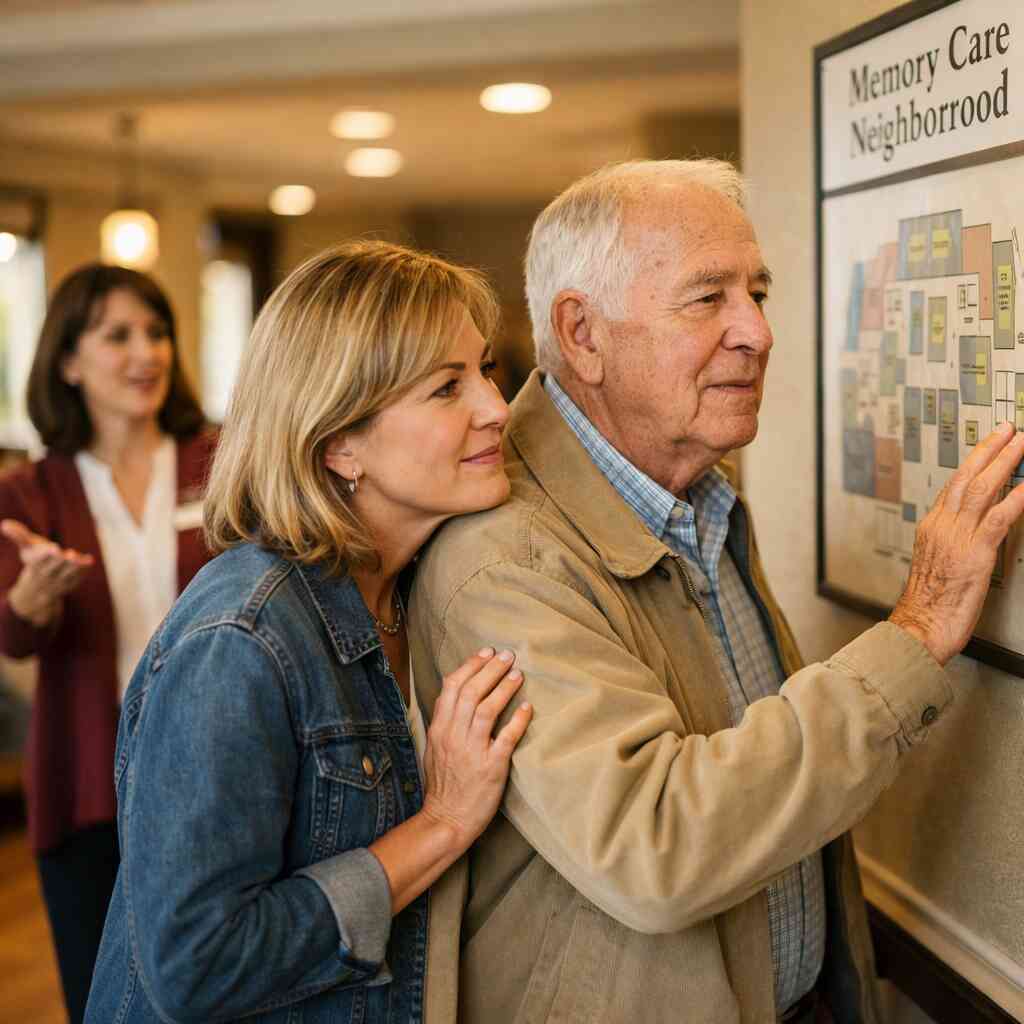
Staffing deserves special attention. Ask who works overnight, who handles behavior changes, and how often staff rotate. Safety is more than locked doors. It includes emergency response, fall prevention, infection control, and dementia-aware communication. Some communities publish more detail than others, so compare carefully. If you want a deeper look at rating systems, review CMS star ratings for senior care communities. ### How Genworth Cost of Care Survey data helps families read the market without guessing
The Genworth Cost of Care Survey gives families a useful market map. It does not tell you what one specific community will charge. It does help you see whether a quote sits near the local norm or far above it. That matters when you are tired, worried, and trying to sort through brochures after work. Data brings the conversation back to earth.
A useful habit is simple. Compare the quote against local medians. Compare the care package against the resident’s actual needs. Then compare the community’s contract terms against what you were promised in the tour. One son in Sarasota told us the survey data helped him notice that one quote looked reasonable only until the add-on fees appeared. He avoided a bad surprise. If you are ready to compare options with structure, start with memory care community options and costs.
How to turn a confusing search into a decision you can stand behind
This part feels hard because you are making a care decision and a financial decision at the same time. That is a lot. Still, you can make the process calmer by asking better questions, checking funding options early, and using a clear decision frame. The goal is not perfection. The goal is confidence.
Questions to ask assisted living and memory care teams before you tour
Before you tour, prepare a short list. You want answers that explain daily life, staffing, and pricing structure. You also want to know how the community handles changes in cognition. Many families forget to ask this until the last minute. That is a mistake.
Use these questions to start:
- What is included in the base rate?
- What triggers a rate increase?
- How do you support residents who wander?
- What is the overnight staffing pattern?
- How do you update care plans?
- How often do families receive care reviews?
- What happens if a resident’s needs rise quickly?
For a more complete script, use questions to ask assisted living teams and memory care staff. If the community seems vague, keep pressing. Clear answers signal clear operations. Vague answers often mean hidden costs later.
Which funding sources may help including Medicaid senior housing, long-term care insurance, VA benefits for senior care, and Medicare skilled nursing
Funding changes the conversation. Long-term care insurance may help cover some memory care expenses if the policy applies. VA benefits for senior care may help eligible veterans and spouses with certain costs. Medicare skilled nursing coverage is narrower and usually tied to specific medical and rehabilitation needs, not ongoing custodial memory care. Medicaid senior housing can also matter, but eligibility and covered services vary by state.
Do not assume one benefit will solve everything. Read the policy language. Ask the community which programs it accepts. If Medicaid is part of your search, review Medicaid senior housing and memory care help. If you are comparing military benefits, use VA benefits for senior care options. And if you need the basics on rehab coverage, see Medicare skilled nursing coverage basics.
When senior placement services or a free senior living referral can save time and stress
Sometimes you do not need more online searching. You need a person who understands the market. That is where senior placement services and a free senior living referral can help. A good advisor listens to care needs, budget limits, and location preferences before suggesting options. That can save hours. It can also prevent you from touring places that were never a fit.
This is especially useful if you are comparing affordable senior living, luxury senior retirement communities, pet-friendly assisted living, or even senior living with no waitlist. Those searches can fragment fast. A matched referral cuts through the noise. If you want a quicker start, try the senior living directory. It is often easier to work from a filtered list than from a blank search bar.
A decision frame for choosing between memory care near me, nursing homes, skilled nursing facilities, and continuing care retirement communities
Use a simple frame. Ask what the person needs today. Then ask what might change soon. That helps you choose among memory care near me, a nursing home, skilled nursing facilities, or a continuing care retirement community (CCRC). Each serves a different purpose, and mixing them up leads to poor fit.
Care typeBest forTypical focusMemory careDementia or Alzheimer’s supportSafety, routine, supervisionNursing homeHeavy medical or daily care needsSkilled support and 24-hour careSkilled nursing facilityShort-term rehab or complex medical needsClinical recovery and nursing oversightCCRCAging in place across levelsMultiple care stages on one campusIf you are comparing medical support versus residential care, the phrase skilled nursing versus assisted living differences matters. If the person needs help with memory first, and medical care second, memory care may be the better fit. If medical complexity is the main issue, a nursing setting may be wiser. For a broader look at the market, you can also use best memory care features to compare.
What to do next when you need affordable memory care fast without sacrificing dignity or safety
Start with the need, then narrow by location, then confirm funding. Do not let urgency push you into a rushed signature. Ask for the full fee schedule. Ask what is included. Ask what happens when care changes. Then compare at least three options side by side. That keeps emotion from making the decision for you.
If you are in Florida, California, or Texas, local directories can help you move faster. Search for Florida senior living facilities near me, California assisted living options near me, or Texas nursing homes and senior care options depending on where care is needed. You do not have to solve the entire future tonight. Pick three communities, call each one, and ask for the base rate, care add-ons, and move-in timeline. If you need a place to start, use find senior living facilities near you fast and make the first call while the list is still open on your screen.
Frequently Asked Questions
Question: What is memory care, and how do I know if it is a better fit than assisted living vs memory care for my loved one?
Answer: Memory care is a specialized type of senior living designed for people living with Alzheimer’s disease, dementia, or related cognitive changes. It typically offers a more structured routine, secured surroundings, and closer supervision than many assisted living plans. If your loved one is wandering, becoming confused more often, or needs repeated cueing for daily tasks, memory care may be more appropriate than general assisted living locations. Senior Living Facilities helps families compare memory care community options, assisted living plans, and other housing options for seniors so they can make a decision based on real care needs rather than guesswork.
Question: How can Senior Living Facilities help me compare memory care near me and understand fall memory care costs without getting overwhelmed?
Answer: Senior Living Facilities makes the search simpler by helping families search, compare, and connect with communities for seniors 55+ and other senior living options in all 50 states. Instead of guessing which senior living facility is the right fit, you can use the site as a senior living directory to review memory care near me, affordable memory care, and related options side by side. The goal is not to chase the lowest number, but to understand what is included in the base rate, what care level is being offered, and how the community supports safety, routine, and dignity. That kind of comparison helps families read a memory care pricing guide more confidently and avoid surprises later.
Question: What should I ask during tours when comparing assisted living vs nursing home, skilled nursing facilities, and dementia care homes?
Answer: A strong tour starts with the right questions to ask assisted living and memory care teams. Ask what is included in the monthly rate, how staffing changes overnight, how the community handles wandering, and how care plans are updated when needs change. It also helps to ask about the difference between skilled nursing and assisted living so you can see whether the person needs residential support, medical oversight, or a more specialized long-term care facility. Senior Living Facilities encourages families to compare assisted living vs nursing home options, dementia care homes, board and care homes, and skilled nursing facilities with a clear checklist so they can focus on fit, safety, and service rather than sales language.
Question: Can Senior Living Facilities help with Medicaid senior housing, long-term care insurance, VA benefits for senior care, and Medicare skilled nursing questions?
Answer: Yes. Many families are balancing care needs with funding sources, and that can be one of the hardest parts of the process. Senior Living Facilities helps point families toward options that may work with Medicaid senior housing, long-term care insurance, VA benefits for senior care, and Medicare skilled nursing when those programs apply. Because coverage rules vary by state and by care type, it is important to confirm details directly with each community and with the relevant program. The platform is designed to help you organize those choices, compare senior living costs by state, and understand how funding may affect access to affordable senior living, senior living for low-income seniors, or other care solutions.
Question: Does the blog Ultimate Guide to Fall Memory Care Costs Near Me 2026 help with choosing between Florida senior living, California assisted living, or Texas nursing homes?
Answer: Yes. The blog is designed to help families understand how location, staffing, and care needs can affect senior living costs by state and the type of community that may be the best fit. A Florida senior living search may look different from California assisted living or Texas nursing homes because local demand, labor costs, and senior housing regulations can vary. Senior Living Facilities gives families a practical way to compare these choices through a senior living locator and senior living advisor support, so you can explore the best senior living near me without feeling rushed. Whether you are looking for independent living communities, retirement homes, residential care facilities, or memory care near me, the platform helps you sort through the options with more confidence.
Question: Can Senior Living Facilities help if I need affordable senior living fast, including senior living with no waitlist or a free senior living referral?
Answer: Yes. When families need help quickly, Senior Living Facilities can save time by narrowing the search to communities that match care needs, budget, and location. That can be especially useful if you are looking for affordable senior living, senior living with no waitlist, pet-friendly assisted living, luxury senior retirement communities, or housing options for seniors that support aging in place. If you want extra guidance, a free senior living referral or support from senior placement services can help you move from searching to shortlisting much faster. The platform is built to make the process easier, whether you are looking for senior apartment rentals, 55+ apartments, elderly housing, or a full senior living facility with stronger memory support.
Admin
Expert contributor specializing in senior living care. Dedicated to providing families with clear, actionable advice.