Best 10 Memory Care Features Families Want in 2026

What families notice first when memory loss is no longer just aging
The call usually starts with worry. You notice the same story repeated, missed bills, or a stove left on. Then fear settles in, because this no longer feels like ordinary forgetfulness. Many families begin searching for memory care near me for dementia support after those small moments stack up. If that is where you are, take a breath. This part is genuinely confusing.
The small changes that usually send families searching for memory care near me
Families often see the shift before doctors do. A parent may stop bathing regularly, lose track of meals, or become suspicious of familiar people. These changes often point to trouble with activities of daily living and memory loss support, not just aging. We hear this from families who thought they only needed extra help at home. Then the same concerns show up every week. That is usually when they start asking, what is memory care?
When assisted living starts to feel too open and a dementia care home makes more sense
Assisted living versus memory care comparison matters because not every setting has the same safeguards. Assisted living can support many seniors well, but memory loss changes the picture. A resident may wander, misread cues, or become overwhelmed by too many choices. In that case, a dementia care home or Alzheimer’s care facilities may fit better. The right setting should reduce confusion, not add to it.
Why wandering risk, medication mix-ups, and sundowning change the decision fast
Here is the part most families miss. Wandering is not the only issue. Medication mix-ups, late-day agitation, and sundowning can create danger quickly. One daughter told us her father was calm at breakfast, then tried to leave at dusk every night for “work.” That pattern changed everything. Once safety becomes unpredictable, a senior living community and memory care options search needs to move faster and with more structure.
Secure memory care neighborhoods that calm the day instead of crowding it
Families want safety, but they do not want their loved one to feel trapped. That balance is harder than it sounds. The best secure memory care neighborhoods with safety features feel calm, familiar, and easy to understand. They protect residents without making every doorway look like a warning. In places like Florida and Texas, that balance matters even more because outdoor access often shapes daily comfort.
Why a locked door is not enough without thoughtful indoor and outdoor safety features
A locked door helps, but it does not solve everything. Families should ask about indoor and outdoor safety features, not just entry control. Look for secure courtyards, rounded corners, clear exits, and staff sight lines. In California memory care options near you, these details often matter because residents may spend more time in shared spaces. The goal is not restriction. The goal is gentle protection.
How secure memory care neighborhoods support freedom without turning every hallway into a warning sign
Good design matters. Residents should be able to move, pause, and explore without constant correction. That means uncluttered halls, low-noise spaces, and purposeful activity areas. A strong senior living facilities directory near you can help you compare communities that understand this difference. The best communities for seniors 55+ do not treat memory loss like a discipline issue. They treat it like a support need.
What families should look for in sight lines, lighting, exits, and wayfinding cues
Pay attention to what your eyes catch first. Can staff see down hallways? Are exits clearly marked without looking harsh? Do rooms use contrasting colors, large signs, and simple paths? These wayfinding cues lower stress and confusion. They also support aging in place longer inside the community. In Florida senior living, bright sunlight can help or hurt, depending on window placement and glare control.
Person centered routines that make hard days feel more familiar
People with memory loss often do better when the day feels familiar. That is why person-centered memory care and daily routines matter so much. The best care plans do not force a new rhythm every hour. They build around old habits, favorite songs, preferred meals, and calm transitions. That is what turns care from reactive to steady.
Why memory support programs work best when they match old habits and favorite rhythms
Memory support programs should reflect the person, not the diagnosis. If your parent always rose early, forcing late mornings can create agitation. If he enjoyed gardening, a small outdoor planter may work better than a craft table. These small matches can change the whole day. They also make care plans for memory loss feel more human. Families should ask how communities learn personal history before move-in.
Cognitive stimulation activities that feel meaningful instead of childish or busy
The best cognitive stimulation activities in memory support programs feel useful. Folding towels, sorting hardware, tending herbs, or playing familiar music often works better than childish games. The point is not to entertain constantly. The point is to support identity and attention. In one community tour, a son stopped when he saw residents helping set the table. He said it was the first activity that looked like real life.
How sensory therapy spaces and life enrichment programming reduce agitation without overmedicating
Families should ask about sensory therapy spaces, not just activity calendars. Soft lighting, textured objects, calming scents, and quiet corners can help residents settle. Strong life enrichment programming can lower distress before anyone reaches for medication. That matters. In pet-friendly assisted living settings too, calm exposure to animals can sometimes help residents relax, if the program is designed well. The key is dignity, not busyness.
The staff habits families should ask about before they trust a community
Staff skill is not just about credentials on paper. It is about daily habits. Families want people who notice patterns early, respond gently, and communicate clearly. When you tour, ask how the team handles confusion, bathing resistance, and nighttime restlessness. That is where trust is built.
What staff trained in dementia care actually means in daily memory care practice
“Staff trained in dementia care” should mean more than a one-time class. Ask how often training happens and who leads it. Ask whether staff learn de-escalation, redirection, and behavior interpretation. Good teams know that yelling, pacing, or refusal usually signals fear. Staff trained in dementia care for memory support should show up in daily choices, not just marketing language.
How family communication tools keep relatives informed without having to chase answers
Families get exhausted when they have to call three times for one update. That is why family communication tools matter. Ask whether the community uses secure portals, scheduled calls, or care conferences. You want clear notes about mood changes, eating patterns, and incidents. A good team does not hide hard news. It shares it early and respectfully.
Why medication management in memory care and daily living assistance must be coordinated
Memory care works best when medication management and daily living assistance move together. A missed dose can affect sleep, appetite, or behavior. A rushed bath can trigger refusal later in the day. Staff should know how medication timing affects routines. That is especially important in skilled nursing facilities or communities serving residents with multiple conditions. Coordination is the difference between a smooth day and a chaotic one.
When dining and mealtimes become a safety issue instead of a routine
Meals are not just meals in memory care. They are health checks, comfort moments, and safety opportunities. Families often notice problems first at the table. A parent may forget to eat, cough during meals, or become distracted halfway through. That is why dining design deserves close attention.
How specialized memory care dining supports appetite, swallowing, and dignity
Specialized memory care dining and mealtime support should support appetite, swallowing, and dignity. Ask whether the community offers adaptive utensils, texture modifications, or quieter seating. Staff should notice if a resident tires easily or needs cueing. The best meals do not feel clinical. They feel calm, predictable, and respectful.
What a dementia friendly environment looks like when meals are hard to finish
A dementia-friendly environment often uses simple table settings, fewer distractions, and familiar foods. Bright patterns can confuse some residents. Too many sounds can shorten attention. Smaller portions may help a person finish a meal without feeling overwhelmed. In residential care facilities, these details can vary widely, so ask directly. You are looking for thoughtfulness, not fancy branding.
Why hydration, snacks, and calm seating matter more than fancy menus
Hydration is easy to overlook. It should not be. Residents who forget to drink may become weaker, more confused, or more prone to falls. Calm seating, snacks, and staff reminders matter more than an elaborate menu. We have seen families focus on dessert options and miss the real issue: the resident was not drinking enough water. That is the part that changes outcomes in daily life.
Alzheimer’s care facilities and dementia care homes are not all built the same
Families often use the same words for very different settings. That can lead to bad matches. The difference between assisted living vs memory care is more than staffing. It affects design, routines, and supervision. If memory loss is advanced, the wrong setting can feel busy, confusing, and unsafe. ### The practical difference between assisted living vs memory care for families comparing options 
Assisted living usually helps with daily tasks like bathing, dressing, and meals. Memory care adds a stronger structure for confusion, wandering risk, and behavior changes. It often includes more cueing and a lower-stimulation environment. That is why assisted living plans may no longer fit when memory loss becomes the main issue. The difference between skilled nursing and assisted living matters here too. They are built for different levels of need.
When a long term care facility or nursing home may be the safer match
Sometimes memory care is not enough. If your loved one needs wound care, complex medication oversight, or constant medical monitoring, a long term care facility or nursing home may be safer. Families searching dementia care homes and nursing home options should think about medical needs, not only memory needs. In Texas nursing homes, for example, the level of support can differ from one campus to another. Ask hard questions early.
How to choose a nursing home when memory loss comes with heavier medical needs
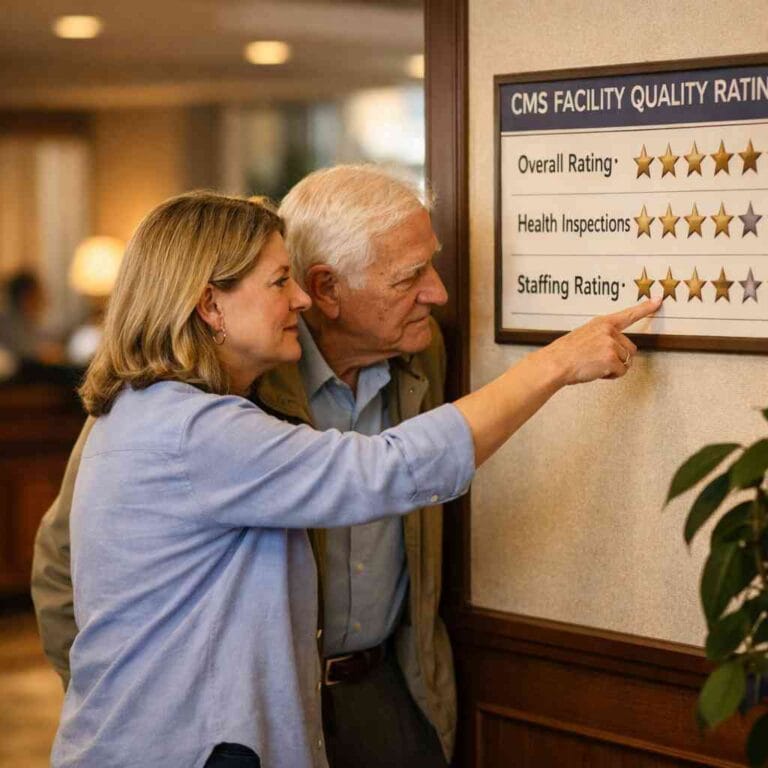
Start with care needs, then layer in location and budget. Review staffing, therapy access, and the community’s approach to behavioral changes. Check CMS star ratings and state inspection records, but do not stop there. A polished lobby does not equal strong care. If possible, compare a nursing home with independent living communities and continuing care retirement community options too. The right fit depends on the full picture.
The hidden details behind memory care costs families should ask about early
Money questions feel uncomfortable, but they matter early. Families are often surprised by how many billing details appear after the tour. That is why you should ask about memory care structure before emotions take over. Cost should never be the only factor. Still, it cannot be ignored.
What drives the cost of assisted living and why memory care often follows a different model
The cost of assisted living usually reflects housing, meals, and personal support. Memory care often adds more supervision, specialized staffing, and secure design. The model is different because the need is different. According to the Genworth Cost of Care Survey, families should expect wide variation by state and service level. That is why senior living costs by state for memory care planning deserve a close look.
How senior living costs by state can shift the search in places like Florida, California, and Texas
State markets vary a lot. Florida memory care options near you may look different from California or Texas because labor, regulation, and real estate costs differ. Families comparing California memory care options near you and Texas memory care options near you should use local directories, not national averages alone. In Miami, San Diego, and Dallas, pricing structure can shift by neighborhood. That makes local comparison essential.
Where Medicaid senior housing, Medicare skilled nursing, VA benefits for senior care, and long term care insurance may help
Funding sources can be confusing. Medicaid senior housing may help in some settings, but not all. Medicare skilled nursing covers limited post-hospital care, not long-term custodial support. VA benefits for senior care may help eligible veterans and surviving spouses, and long term care insurance for memory care costs can reduce pressure. Ask each community how it handles funding questions, because guidance can vary.
What CMS star ratings and state rules can tell you and what they cannot
Ratings help, but they do not tell the whole story. Families sometimes fixate on a number and miss the lived experience. A strong community can still have a few rough edges. A higher-rated one can still feel wrong for your parent. Use ratings as a tool, not a verdict.
How to read CMS star ratings without assuming they tell the whole story
How to compare CMS star ratings for memory care starts with understanding what the numbers measure. CMS looks at inspections, staffing, and quality indicators for regulated settings. That helps, but it cannot capture tone, warmth, or whether a resident feels settled. Families should always review the latest report and ask what changed since the last survey. A number is a clue. It is not the whole map.
Why senior housing regulations vary by state and can shape staffing, safety, and care oversight
Senior housing regulations differ by state, and that affects staffing, training, and oversight. Florida senior living rules are not identical to California or Texas. If you are comparing communities for seniors 55+, know that state licensing boards set different expectations. That matters in assisted living locations, board and care homes, and memory care. Ask what agency inspects the community and how often. Those details protect you.
What to verify when a community says it offers affordable senior living, luxury senior retirement communities, or senior living with no waitlist
Marketing language can sound reassuring. Still, verify it. Ask what “affordable” means in the actual contract. Ask whether “luxury senior retirement communities” still provide consistent care, or only polished amenities. Ask how “senior living with no waitlist” works if your loved one needs urgent placement. These claims should be checked, not assumed. A good free senior living referral can help you sort that out.
The questions that separate a polished tour from a real care plan
Tours can be impressive. The lighting is good. The furniture looks new. The team smiles. But families need more than charm. You need answers that show how the community will handle hard days, not just good ones.
Questions to ask assisted living and memory care leaders before you get emotionally attached
Bring a list. Ask about wandering response, medication oversight, bathing resistance, and family updates. Ask how they handle residents who wake overnight or refuse meals. These are the questions to ask assisted living and memory care communities that reveal the truth. Do not feel rude for asking. You are protecting someone you love.
How to compare senior living facilities, senior living directory listings, and free senior living referral guidance
Online listings can help you start, but they rarely tell the full story. Compare senior living facilities directory near you entries with a real conversation. A strong senior placement services team or senior living advisor can narrow the list fast. Still, you should verify everything yourself. That includes care levels, move-in timing, and whether the setting fits memory loss specifically. A polished listing is not a care plan.
What to confirm about relocation timing, respite care, and whether a community truly fits now
Move-in timing matters more than many families expect. If your loved one needs help now, ask about respite care availability, assessment timing, and apartment readiness. Some communities can move quickly. Others cannot. Also ask how they handle the first 30 days after move-in. That period often reveals whether the community truly fits. The right answer is not the fanciest place. It is the place that can meet today’s needs.
When the right answer is a plan, not just a place
The best decision is usually a sequence, not a single leap. You may need to compare several care types before the right fit becomes clear. That is normal. Families often feel pressure to decide fast, but clarity usually comes from structure. Start there.
How to compare senior placement services with a senior living advisor before you sign anything
A senior living advisor can help you sort through options, ask better questions, and avoid rushed choices. Compare that support with senior placement services, especially if you feel overwhelmed. Ask whether the guidance is local, independent, and based on current availability. A free senior living referral can save time, but only if it includes honest screening. You deserve clarity before paperwork.
When to widen the search to independent living communities, continuing care retirement community (CCRC), or residential care facilities
Sometimes memory loss is only part of the picture. If your loved one is still fairly independent, independent living communities or a continuing care retirement community (CCRC) may make more sense. If the setting is smaller and homelike, residential care facilities may also fit. The key is matching support to the present moment, not the fear of the future. That is where many families find relief. A good plan can include several paths.
How families can turn memory care near me searches into a confident next move
If you are still searching best memory care near me, keep it simple. Pick three communities, compare staffing, safety, and routine support, then call with your hardest questions. Use Senior Living Facilities to search, compare, and connect across all 50 states. You do not have to solve everything tonight. Start with one honest call, then check one more option tomorrow.
Frequently Asked Questions
Question: What are the most important memory care features families should look for in Best 10 Memory Care Features Families Want in 2026?
Answer: Families usually want a secure, calm setting that supports safety, dignity, and consistency. The most helpful memory care features often include secure memory care neighborhoods, person-centered memory care, indoor and outdoor safety features, specialized memory care dining, family communication tools, and staff trained in dementia care. It also helps to look for a dementia-friendly environment with clear wayfinding, gentle daily living assistance, and meaningful cognitive stimulation activities. Senior Living Facilities can help you compare these details across senior living facilities, so you can find the best memory care near me without relying on guesswork.
Question: How does Senior Living Facilities help families compare assisted living vs memory care, nursing home, and skilled nursing facilities?
Answer: Senior Living Facilities helps families compare housing options for seniors in a clear, practical way. If your loved one still needs help with meals, bathing, or reminders, assisted living plans or assisted living locations may be enough. If wandering risk, confusion, or sundowning is a bigger concern, memory care or Alzheimer’s care facilities may be a better match. And if medical needs are more complex, a long-term care facility, nursing home, or skilled nursing facility may be more appropriate. Our senior living directory and assisted living locator make it easier to review the difference between skilled nursing and assisted living, then choose with confidence instead of stress.
Question: What should families ask about care plans for memory loss before touring a senior living facility?
Answer: Before touring, families should ask how the community builds care plans for memory loss around the person’s routines, preferences, and history. Good questions to ask assisted living and memory care communities include how staff handle medication management in memory care, bathing resistance, sleep changes, and hydration support. You may also want to ask about life enrichment programming, sensory therapy spaces, and how the team supports aging in place when needs change. Senior Living Facilities can help you narrow down communities for seniors 55+, residential care facilities, board and care homes, and senior citizen housing options that fit your loved one’s current needs.
Question: Can Senior Living Facilities help families find affordable senior living, Medicaid senior housing, or long-term care insurance options?
Answer: Yes. Many families come to Senior Living Facilities because they need help understanding affordable senior living, senior living for low-income seniors, Medicaid senior housing, Medicare skilled nursing, VA benefits for senior care, or long-term care insurance. We do not guess at coverage, and we do not make claims about specific prices. Instead, we help families compare senior living costs by state, review local housing options for seniors, and ask better questions before they move forward. That can be especially useful when comparing retirement homes, elderly housing, 55+ apartments, or rental housing for seniors in different states.
Question: How do I know whether a community is really a good fit when searching best senior living near me or memory care near me?
Answer: The best fit usually comes down to daily life, not just the brochure. Look for strong staff communication, a thoughtful dementia-friendly environment, visible indoor and outdoor safety features, and routines that reduce confusion. Ask whether they offer respite care, whether they support pet-friendly assisted living, and how they respond to wandering risk or late-day agitation. It is also smart to review CMS star ratings and senior housing regulations, then compare that information with what you see in person. Senior Living Facilities gives families a simpler way to search, compare, and connect with a senior living advisor or senior placement services team, so you can move from searching to deciding with more confidence.
Question: Does Senior Living Facilities help with options beyond memory care, like independent living communities, continuing care retirement community (CCRC), or senior living with no waitlist?
Answer: Yes. Senior Living Facilities supports a wide range of housing options for seniors, including independent living communities, continuing care retirement community (CCRC) options, senior apartment rentals, and senior living with no waitlist when available. That matters because not every family needs memory care right away. Some older adults may do well in communities for seniors 55+, affordable senior living, luxury senior retirement communities, or even a smaller residential care facilities setting before moving to a higher level of support. Our goal is to help families compare the full picture, understand what is memory care versus other choices, and use a free senior living referral to find the right community for today and tomorrow.
Admin
Expert contributor specializing in senior living care. Dedicated to providing families with clear, actionable advice.