The Difference Between Skilled Nursing and Respite Care
When a hospital discharge turns into a care puzzle: skilled nursing is not the same as respite care
The call often comes after a fall, a surgery, or a sudden decline. Your parent is being discharged, and the plan sounds simple until you hear the details. Now you are trying to sort out skilled nursing, respite care, and all the pressure that lands in one afternoon. That confusion is real. It is also common.
What families are really trying to solve is not just “where should Mom go?” They are trying to match the right level of support to the right moment in time. A short rehab stay, a caregiver break, or a permanent move can each be the right answer, but for very different reasons. If you are reading this while feeling rushed, tired, and a little scared, that feeling makes sense. This is a lot to untangle at once.
What families are really trying to solve after a fall, surgery, or sudden decline
After a hospital stay, families usually need three things at once: safety, speed, and clarity. You may need a place that can handle wound care, medication changes, or therapy. You may also need someone to answer the practical question nobody likes asking: who watches Dad while the family figures this out? That is where the difference between skilled nursing and respite care starts to matter.
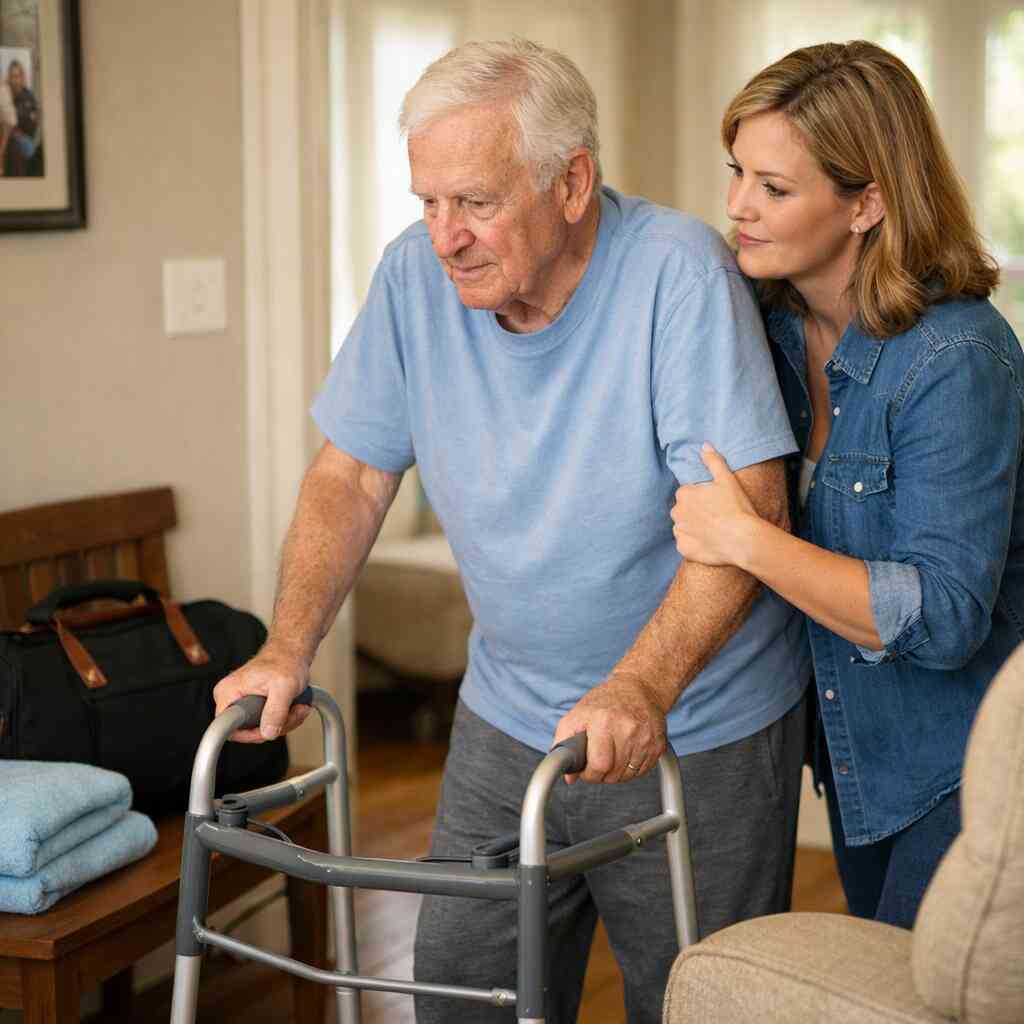
One daughter in the Tampa area told us her mother sounded ready to go home after hip surgery, but the walker, pain medication, and dressing changes told a different story. The discharge planner mentioned skilled nursing facilities for post-hospital recovery care, and that changed the conversation fast. The family was not being difficult. They were being realistic. Recovery had needs that a regular home setup could not safely meet.
Why temporary caregiving support can look similar on paper but work very differently in real life
On paper, short-term senior care can sound interchangeable. In real life, it rarely is. A skilled nursing facility is built for medical oversight and rehabilitation in a skilled nursing facility. Respite care for seniors is built for temporary relief, backup support, or a short stay when a caregiver needs rest. Both can be temporary. Only one is focused on medical recovery.
Here is the part most families miss. The labels can blur until you ask what services are actually needed each day. If the person needs nursing tasks, therapy, or close monitoring, skilled nursing usually fits better. If the person mainly needs supervision and support while the caregiver steps away, respite care may be enough. The difference between skilled nursing and respite care becomes clearer when you look at daily needs, not the brochure language.
The moment a nursing home, skilled nursing facility, or respite care for seniors starts making more sense than aging in place
Aging in place works well for many older adults. Still, it has limits. If the home is not set up for transfers, medication management, or round-the-clock supervision, aging in place can become stressful fast. That is when a long-term care facility, a nursing home, or temporary respite care starts looking less like a setback and more like a support plan.
We hear this from families using aging in place support versus senior housing when the house itself has become part of the problem. Stairs, clutter, and overnight worry can wear everyone down. In places like Phoenix, Sarasota, and suburban Dallas, families often compare home care with senior citizen housing after one hard event. The best choice is usually the one that matches the current need, not the old habit.
What skilled nursing actually covers when recovery needs more than help with chores
Skilled nursing is medical support with a recovery plan. It is not the same as help with laundry, meals, or social activities. That distinction matters because skilled nursing facilities serve people who need nursing care, therapy, and daily clinical attention. They also work closely with discharge teams, physicians, and therapists. In other words, they handle more than comfort. They handle active recovery.
Families often confuse skilled nursing with assisted living plans or independent living communities. That confusion is understandable. All three can provide housing and support, but the level of care is very different. Skilled nursing is for higher medical needs. Assisted living usually helps with daily routines. Independent living communities are for active adults who want convenience and social life without daily care.
How rehabilitation in a skilled nursing facility differs from assisted living plans and independent living communities
Rehabilitation in a skilled nursing facility is centered on restoring function. That may include physical therapy, occupational therapy, speech therapy, and nursing oversight. In contrast, assisted living plans usually focus on help with bathing, dressing, meals, reminders, and personal support. Independent living communities often focus on maintenance-free housing and social connection, not hands-on medical care.
Care settingMain purposeTypical support levelBest fitIndependent living communitiesActive lifestyleLow supportOlder adults who want convenienceAssisted livingDaily helpModerate supportPeople needing routine assistanceSkilled nursing facilitiesMedical recoveryHigh supportPeople needing nursing and rehabIf you are comparing skilled nursing versus assisted living plans, ask what happens during a bad night. That question reveals a lot. Can staff manage an oxygen change, a wound concern, or a fall risk? Or would that trigger an emergency transfer? Those answers matter more than marketing language.
The medical and therapy support that usually belongs in skilled nursing facilities and long-term care facility settings
Skilled nursing facilities and other long-term care facility settings usually support people who need frequent clinical attention. That may include injections, catheter care, post-surgical monitoring, pain management, or therapy after a stroke, fracture, or serious illness. These settings can also support complex medication schedules and mobility recovery. The point is not just care. It is coordinated care.
The exact services vary, so you should always confirm what a specific senior living facility can provide. Do not assume every nursing home or senior living facility has the same capabilities. Ask about staff coverage, therapy schedules, and how they handle changes in condition. In 2026, families are asking better questions than ever because they know the stakes are high.
When Medicare skilled nursing coverage may help and where families still need to check the fine print
Medicare can help in certain skilled nursing situations, but the rules are specific. Coverage generally depends on qualifying hospital stays, medical necessity, and a care plan tied to recovery. That is why families should read medicare skilled nursing coverage explained before making assumptions. The details can change how long coverage lasts and what services are included.
The fine print matters because not every stay is covered the same way. Some care is covered for a limited period, and some support falls outside Medicare. If you are also looking at Medicaid senior housing, long-term care insurance, or VA benefits for senior care, you need a complete picture. A financial mistake at this stage can be just as stressful as a medical one.
Why CMS star ratings and state licensing rules matter when you are comparing nursing home care
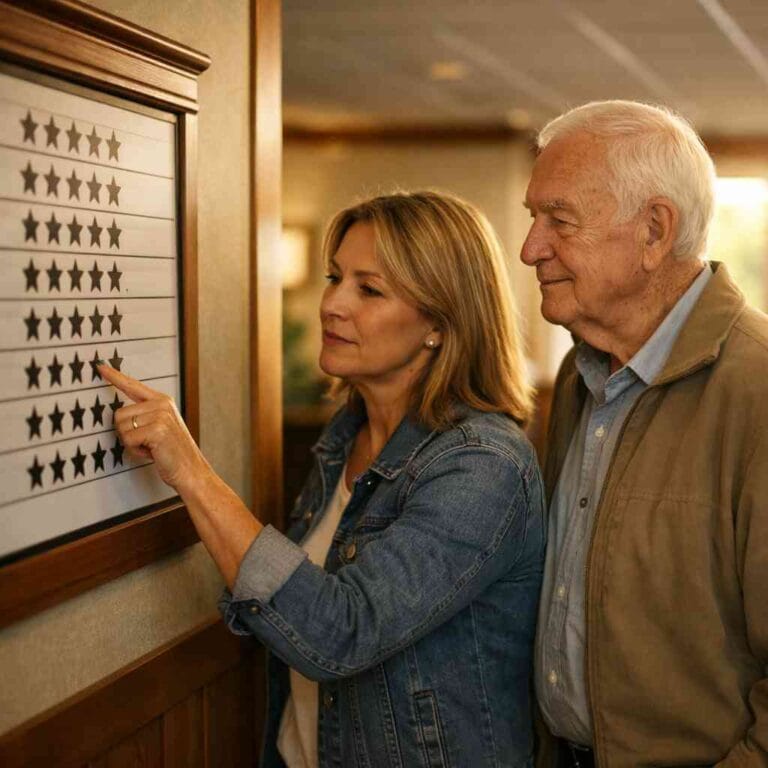
CMS star ratings give families a useful starting point. They reflect health inspections, staffing, and quality measures. They are not perfect, but they help you compare options more carefully. That is especially helpful when you are reviewing how CMS star ratings compare nursing home care. Always check the most current report.
State licensing rules matter just as much. Nursing homes, assisted living locations, and residential care facilities are regulated differently from state to state. In Florida, California, and Texas, for example, oversight details can differ in meaningful ways. If you are comparing senior housing regulations, ask who licenses the facility, how complaints are handled, and what staffing standards apply. That is how you protect both safety and peace of mind.
Why respite care is often the hidden lifeline families wish they had found sooner
Respite care gives caregivers room to breathe. That sounds simple, but it is often the difference between staying steady and burning out. It can cover a few days, a few weeks, or an emergency gap. For many families, respite care for seniors becomes the pressure valve that keeps everything from spilling over. It is not a luxury. It is a support tool.
The best respite plans are honest about what they can and cannot do. They are not meant to replace skilled nursing when medical needs are high. They are meant to give relief, preserve energy, and cover short-term senior care needs. If you are caring for someone day after day, that distinction can save your health as well as theirs.
What respite care for seniors can mean for caregiver relief services, planned breaks, and emergency backup
Respite care for seniors and caregiver relief services can look different depending on the setting. Some families use it for a planned trip. Others need it after a caregiver injury, a work emergency, or a simple exhaustion point. The best respite care for seniors and caregiver relief services options help you regroup without abandoning the person who needs support.
One son in central Florida called after his father’s wife had a minor medical issue of her own. Suddenly, the whole care routine was at risk. A short respite stay gave the family time to reset medications, rework schedules, and recover some sleep. That may sound ordinary. It is not. Caregiving crises often start that way.
When short-term senior care makes sense for dementia care homes, Alzheimer’s care facilities, or post-hospital recovery care
Short-term senior care can be a smart fit after discharge or during caregiver strain. It may also help when memory loss is complicating supervision at home. In those cases, families may start comparing dementia care homes, Alzheimer’s care facilities, or even memory care near me for dementia support. The key is matching supervision to actual risk.
If the person is wandering, forgetting medications, or becoming disoriented at night, a memory care setting may make more sense than general respite. If the issue is mainly temporary recovery after surgery, post-hospital recovery care may be enough. Families sometimes ask about the difference between skilled nursing and memory care because those lines can feel blurry. The best answer is simple: memory issues and medical recovery are not the same problem.
How respite can fit inside assisted living, board and care homes, or residential care facilities without a permanent move
Respite can happen in several settings. Assisted living, board and care homes for small group support, and residential care facilities may all offer short stays, depending on availability and local rules. That flexibility helps families who need temporary caregiving support without committing to a full move. It also gives you time to observe how the person responds.
In a smaller board and care home, the setting may feel quieter and more personal. In assisted living, there may be more community activity and a broader service structure. In both cases, confirm whether the stay is truly short-term and whether it can extend if needed. A good short-term senior care and respite care plans conversation should cover move-in terms, support levels, and what happens if the stay becomes longer than expected.
The practical questions that decide whether respite is enough or whether a longer stay is safer
This is the section families need most. Ask yourself a few hard questions. Can the person eat, toilet, transfer, and take medications safely with light support? Can they stay oriented overnight? Can the caregiver truly rest? If the answer is no to more than one, respite may not be enough. Use this checklist before choosing: – Does the person need nursing tasks?
- Is dementia creating safety risks?
- Is the caregiver exhausted or unavailable?
- Is recovery expected to improve soon?
- Would a longer stay reduce emergency risk?


That is the real decision point. If the person needs more than temporary supervision, a long-term care facility or nursing home care may be safer. If the need is mostly relief and monitoring, respite may be the right bridge. In either case, the goal is the same: keep the person safe without adding chaos.
The decision map that helps you choose the right path before time and energy run out
Families often get stuck because every option sounds vaguely reasonable. Assisted living, nursing homes, senior housing, and respite all appear in the same search results. That can make the choice feel harder than it is. The answer usually comes down to care level, timing, and funding. Once you separate those three, the path gets clearer.
A good decision map starts with the care need, not the building type. Then it moves to money, location, and availability. After that, you can compare a senior living directory, a free senior living referral, or direct calls to assisted living locations and skilled nursing facilities. That process saves time and reduces second-guessing.
How to compare assisted living vs nursing home without getting lost in marketing language
The phrase assisted living versus nursing home care shows up everywhere because families need a plain-English answer. Assisted living helps with daily life. Nursing homes support more complex health needs. That is the cleanest way to think about it. If the person needs medical oversight and therapy, nursing home care may be better. If they mainly need routine help, assisted living may fit.
The mistake we see most often is choosing by room style before care needs. A pretty building does not solve a complex need. Start with function, then compare comfort. That rule holds in Florida senior living, California assisted living, and Texas nursing homes alike.
What to ask about cost of assisted living, Medicaid senior housing, VA benefits for senior care, and long-term care insurance
Money questions feel uncomfortable, but they matter immediately. Ask about the cost of assisted living, what services are included, and what is billed separately. Then ask whether Medicaid senior housing or VA benefits for senior care may help in your state. Long-term care insurance can also change the picture, but only if the policy is active and the claim rules are met.
Use trusted sources like the Genworth Cost of Care Survey and the facility’s own written policies. If you are comparing affordable senior living, senior living costs by state can vary widely. That is why families looking for rental housing for seniors or senior apartment rentals should compare more than the monthly rate. They should compare care access, waitlists, and total support.
Where senior living facilities, senior placement services, and a free senior living referral can save families time
A good senior living directory can shorten the search dramatically. So can senior placement services when you need quick guidance and fewer dead ends. A free senior living referral may help you compare senior citizen housing, elderly housing, 55+ apartments, and communities for seniors 55+ without starting from zero. That can matter a lot when the discharge clock is already ticking.
If you need independent living communities for active adults, a continuing care retirement community (CCRC) search, or a more medical setting, a guided search can narrow the field quickly. The point is not to hand over control. It is to save your energy for the decisions only you can make.
How to use a senior living directory to find the best senior living near me, including memory care near me and senior living with no waitlist
Search tools work best when you know what you want. If your priority is memory support, use memory care near me searches first. If you need quick placement, add senior living with no waitlist. If you need the best senior living near me for a parent with mobility limits, filter for accessible layouts and higher care levels. Specific search terms produce better results.
Here is a simple way to narrow the list:
- Identify the care level.
- Check state licensing and CMS ratings.
- Ask about openings and move-in timing.
- Confirm funding options.
- Compare support, not just amenities.
That method works in real life because it keeps the focus on fit. If the person needs how to choose a nursing home for recovery, do not let a glossy brochure distract you. If the need is temporary, do not overcommit. Clarity now prevents regret later.
What a clear next move looks like when the choice is between recovery, relief, and a longer-term senior living facility
Your next move should match the immediate need. If recovery is the priority, contact skilled nursing facilities and ask about therapy, monitoring, and discharge timing. If relief is the priority, compare respite care options and confirm how long the stay can last. If the situation is becoming permanent, focus on a senior living facility that can support the new reality.
One family we spoke with in Orange County thought they needed a two-week respite stay. After three days, it was obvious their mother needed more support than temporary care could provide. They adjusted before a crisis hit. That kind of course correction is not failure. It is good judgment. You do not have to figure this out alone, and you do not have to figure it all out today. Start with one call to Senior Living Facilities and ask for the kind of guidance that matches your family’s actual needs.
Frequently Asked Questions
What is the difference between skilled nursing and respite care?
Skilled nursing provides medical care, therapy, and nursing oversight for recovery or ongoing clinical needs. Respite care gives temporary relief to caregivers and usually supports short stays with help and supervision. If the person needs wound care, rehab, or frequent nursing attention, skilled nursing is usually the better fit. If the goal is a break for the caregiver, respite may be enough.
Does Medicare pay for skilled nursing?
Sometimes, yes. Medicare skilled nursing coverage can help after a qualifying hospital stay if the person still needs skilled care and meets coverage rules. The details matter, including timing, medical necessity, and what services are included. Always review the current Medicare guidance and the facility’s billing team before making assumptions.
Can respite care happen in assisted living?
Yes, many assisted living communities and some board and care homes offer respite stays, depending on availability and state rules. This can work well when the person needs temporary support, meals, supervision, and help with daily routines. It is not the same as skilled nursing, so confirm whether the setting can handle the person’s medical needs.
How do I know if a nursing home is the right choice?
Ask how much daily nursing care, therapy, or supervision the person needs. If there are frequent medical issues, mobility risks, or complex medication needs, nursing home care may fit better than assisted living. Use CMS star ratings, state licensing information, and direct questions about staff coverage to compare options carefully.
What should I ask when comparing senior living facilities?
Ask about care levels, staff availability, licensing, move-in timing, funding options, and what happens if needs change. Also ask whether the community offers respite care, memory support, or rehabilitation. A good comparison should help you understand fit, not just price or appearance.
How can a senior living directory help me find the right option faster?
A senior living directory can quickly narrow choices by location, care type, availability, and support level. That matters when you need assisted living locations, skilled nursing facilities, or memory care near me searches without wasting days on dead ends. A referral service can also help you compare options with less stress and more confidence.
Admin
Expert contributor specializing in senior living care. Dedicated to providing families with clear, actionable advice.