
When to Choose Skilled Nursing Facilities for Recovery Care
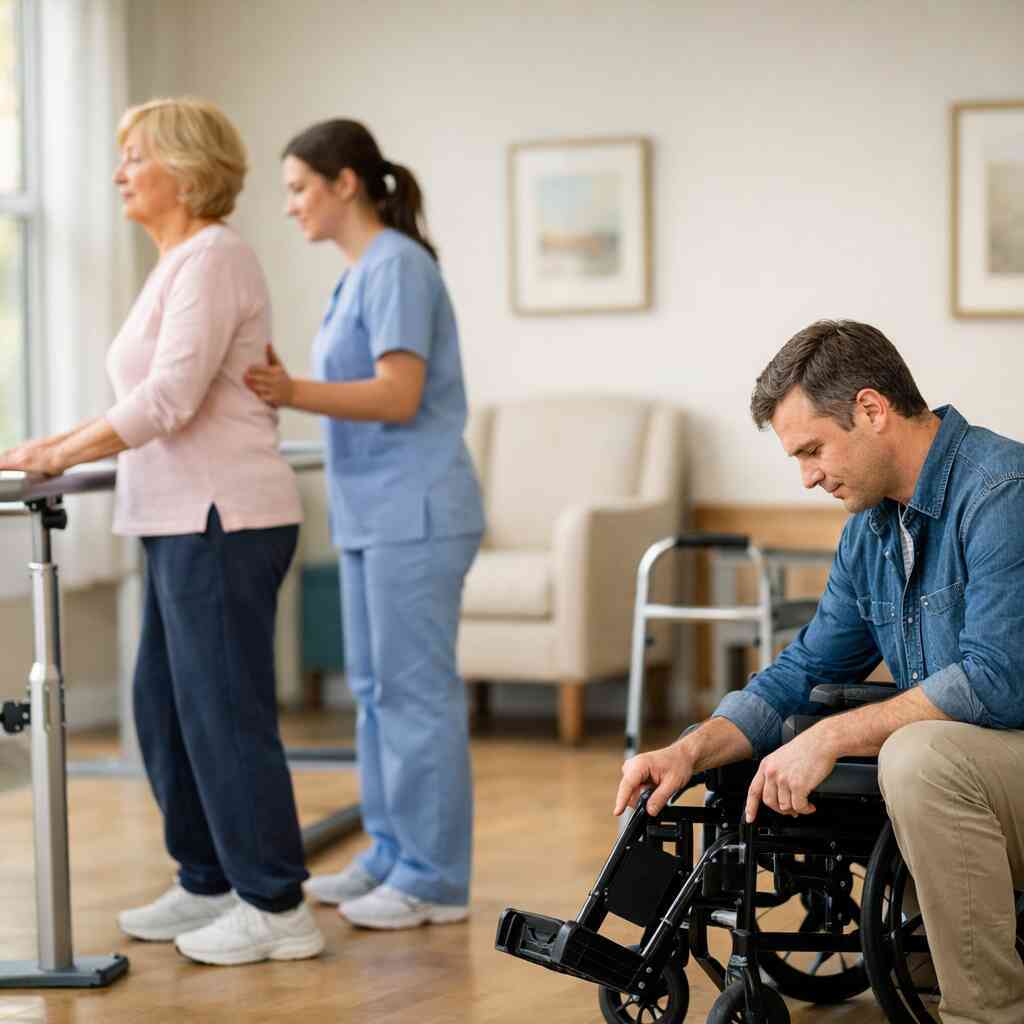
When a hospital discharge turns into a hard choice
The discharge papers are on the tray table. The room is quiet now, yet your mind is racing. You may be wondering whether Mom can really heal at home, or if the stairs, pills, and follow-up care are too much. That fear is normal, and it deserves a careful answer.
Why recovery care after hospitalization can outgrow what family can safely handle at home
Recovery care after hospitalization often starts with hope and then quickly meets reality. A family can manage a few meals, a walker, and reminders to take medicine. However, if your loved one needs help standing, bathing, or using the bathroom safely, home may stop feeling temporary. In those cases, many families start looking at skilled nursing facilities for recovery care after hospitalization.
The hardest part is that needs can change by the day. One morning, your father may move with help. That same evening, he may be too weak to transfer. We hear this from families after surgeries, strokes, infections, and falls. They are exhausted, worried, and unsure what counts as “enough” support.
The warning signs that rehab support needs to move from temporary help to skilled nursing facilities
Here is the part most families miss: the warning signs are not only medical. They are practical. If medication schedules are complex, wounds need daily attention, or confusion makes the home unsafe, skilled nursing facilities may fit better than a short home plan.
Look for these signs:
- Repeated falls or near-falls
- New confusion after hospitalization
- Trouble swallowing, speaking, or understanding directions
- Wounds that need monitoring
- Weakness that makes transfers unsafe
- A caregiver who cannot provide round-the-clock help
I once spoke with a daughter near Tampa who thought her mother needed only a weekend of help. By Monday, the medication list had tripled, the incision needed watching, and the walker was not enough for the hallway turn. The family did the loving thing by asking for more support before a crisis hit. That is not failure. That is judgment.
How discharge planning from hospital reveals whether a short-term rehab stay is enough or not
Discharge planning from hospital should answer one question clearly: What level of care is needed right now? If the plan includes daily nursing checks, skilled therapy, or complex medication management, that points toward post-acute rehabilitation in a higher-acuity setting. If the plan is mostly meals, supervision, and help with chores, assisted living may still be on the table.
Ask for plain language. What can the person do alone? What needs assistance? What is the expected rehab timeline? A strong discharge plan should also identify backup options if progress is slower than expected. That is why families often compare find senior living facilities near you for post-acute rehabilitation before the hospital bed is even empty.
What skilled nursing really covers that assisted living cannot
The practical difference between skilled nursing and assisted living when medical needs are still active
Assisted living and skilled nursing sound similar, but they solve different problems. Assisted living helps with daily life. Skilled nursing handles active medical recovery. That difference matters when the body is still healing, not just adjusting. If you are weighing assisted living vs nursing home recovery care, the key question is medical intensity.
Assisted living often fits people who need reminders, supervision, or help with bathing and meals. Skilled nursing fits people who need licensed nursing oversight and therapy after a hospital stay. In plain terms, assisted living supports living. Skilled nursing supports healing.
Why wound care in skilled nursing, IV therapy, and medication management change the equation
Wound care in skilled nursing is not just a dressing change. It can involve close monitoring, documentation, infection prevention, and coordination with physicians. The same is true for IV therapy in a skilled nursing setting. These services require a level of clinical oversight that most assisted living communities do not provide. Medication management in recovery care also becomes more complicated after hospitalization, especially when prescriptions overlap or change quickly.
According to CMS guidance, Medicare skilled nursing recovery services can include certain medical and therapy services after a qualifying hospital stay. The rules are specific, though. They do not cover custodial care alone. That distinction helps families avoid expensive mistakes and unrealistic expectations. For a broader primer, many readers also review skilled nursing and assisted living differences.
When physical therapy after surgery, occupational therapy for seniors, or speech therapy for older adults points to a higher level of care
Therapy needs can be the clearest signal of all. Physical therapy after surgery may require daily, structured sessions. Occupational therapy for seniors often focuses on dressing, toileting, and safe movement through the home. Speech therapy for older adults may address swallowing, cognition, or communication after stroke or illness.
If those services are active and time-sensitive, skilled nursing facilities may be the safer match. They can coordinate therapy with nursing support and daily observation. That combination matters when a person is fragile. It also matters when family caregivers cannot be at the bedside all day.
How Medicare skilled nursing rules shape what recovery care can and cannot include
Medicare skilled nursing rules shape the entire decision. Medicare may cover qualified short-term rehabilitation after a hospital stay, but only under defined conditions. The person usually must need skilled services and meet hospital stay requirements. Coverage is also limited to medically necessary care, not indefinite housing.
That is why families should ask what part of the stay is covered and what part is not. It is also why it helps to understand the difference between skilled nursing and assisted living before making a rushed move. If the medical picture is changing fast, the right choice today may not be the right choice next month. Recovery care should match the current need, not the hope that things will simplify on their own.
The decision map families use when the clock is ticking
When to choose a nursing home versus a long-term care facility for post-acute rehabilitation
People use “nursing home” and “long-term care facility” interchangeably, but the plan behind the words matters. For post-acute rehabilitation, a nursing home may provide a temporary bridge after surgery, illness, or injury. A long-term care facility may become the better fit if recovery is slower or independence does not return.
This is why families should ask, “Is this stay meant to get them home, or to become the new routine?” If the answer is unclear, keep pressing for specifics. On busy discharge days in places like Dallas, Orlando, and Sacramento, clarity disappears fast. You need it back. That is when how to choose a nursing home for short-term rehabilitation becomes more than a search phrase.
How CMS star ratings, state survey reports, and staff levels help you compare nursing home recovery care
CMS star ratings are useful because they give you a starting point. They reflect health inspections, staffing, and quality measures. Still, they are not the whole story. State survey reports can reveal recent issues, while staffing levels can show whether a facility can realistically support recovery care. 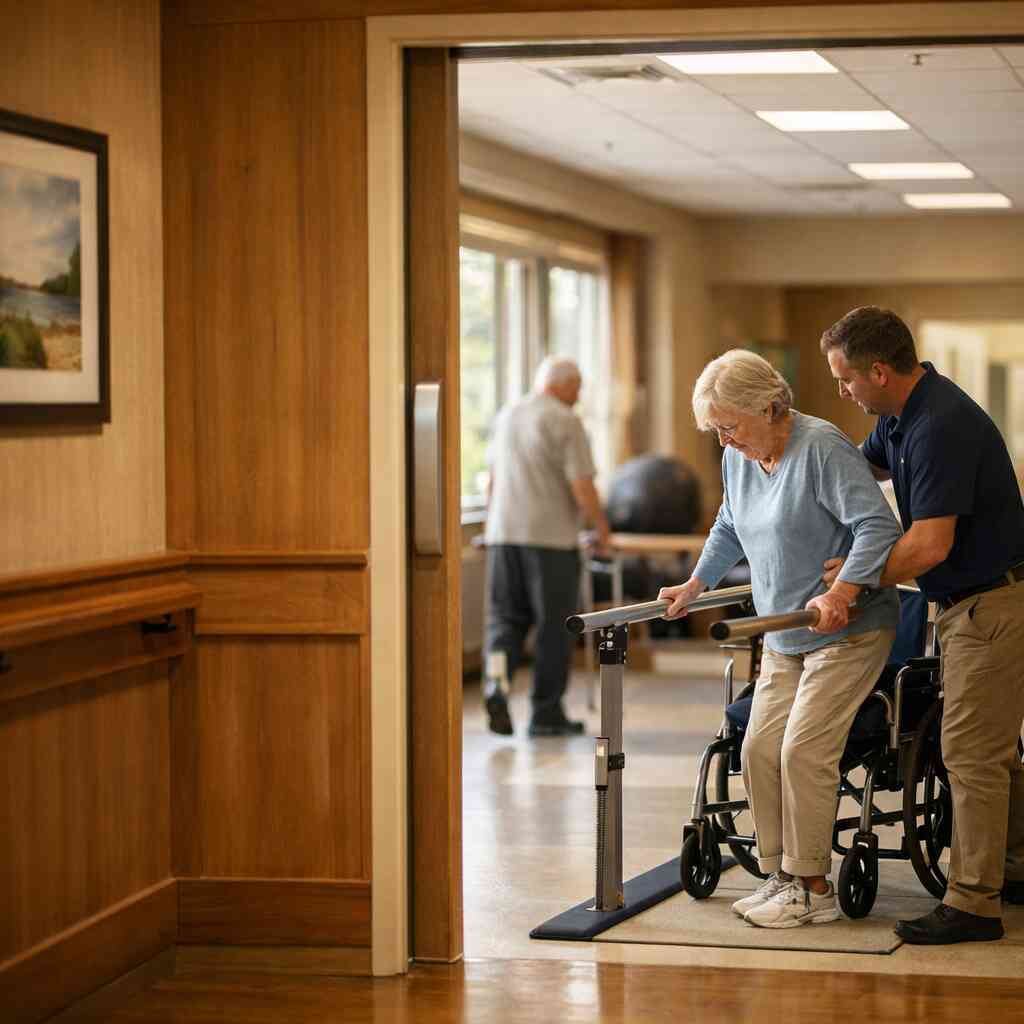
Use this simple comparison:
What to checkWhy it mattersCMS star ratingsQuick quality snapshotState survey reportsDetails behind the ratingNurse staffing levelsDay-to-day recovery supportTherapy availabilityRehab consistencyRecent complaint historyRed flags you should not ignoreFor families comparing CMS star ratings for nursing home recovery care, the goal is not perfection. The goal is fit. A community can look polished and still be weak on weekend coverage.
Questions to ask when memory loss, dementia, or Alzheimer’s care concerns are part of the picture
Memory loss changes the decision fast. A person recovering from surgery may also be confused, agitated, or prone to wandering. In that case, you need to ask whether the facility can support both recovery and supervision. If not, a memory care or dementia support path may be safer. For families searching memory care and dementia support in senior living, that distinction can save weeks of uncertainty.
Ask these questions:
- How do staff respond to nighttime confusion?
- How are falls prevented?
- Can they handle dementia-related refusal of care?
- Is the setting secure without feeling harsh?
- How do they coordinate therapy with cognition issues?
If you are still asking “what is memory care,” the simple answer is this: it is structured support for people whose memory loss affects safety and daily function. That can overlap with recovery care, especially after hospitalization.
Where respite care after a hospital stay can bridge the gap before a longer move
Sometimes the right move is not permanent. Respite care after a hospital stay can give families breathing room while they watch recovery unfold. It can also help when the home is not ready, but the long-term plan is still forming. That short bridge can lower stress and avoid rushed choices.
This option is especially helpful when adult children are balancing jobs, school runs, and medical calls. In those moments, a few extra days of stable care matter. If you need temporary support while comparing options, respite care after a hospital stay for family caregivers may be the most humane answer.
How VA benefits for senior care, long-term care insurance, and Medicaid senior housing may affect the plan
Funding changes the menu of choices. VA benefits for senior care may help some veterans and spouses with recovery planning. Long-term care insurance can reduce pressure if the policy is active and the care qualifies. Medicaid senior housing or Medicaid-based nursing support may matter when savings are limited and the stay becomes longer than expected.
Families in Florida, Texas, and California often discover that payment rules shape the decision as much as medical need. That is why early verification is crucial. If you want a deeper look at long-term care insurance for senior housing costs, do it before the hospital discharge clock starts ticking. If VA support may apply, review VA benefits for senior care and recovery planning early as well.
What to do next before a bed is needed tomorrow
The documents and medical details that make a hospital to nursing home transition smoother
A smooth hospital to nursing home transition starts with paperwork. Bring the medication list, recent diagnoses, therapy notes, allergy information, and discharge instructions. If the person uses oxygen, a catheter, or a mobility aid, include that too. Details that seem small now can cause delays later.
You should also ask for a summary of current wounds, diet needs, and cognitive changes. If the family has already compared senior living facilities and the real cost of assisted care, keep those notes handy. The more complete the packet, the less likely the receiving team will miss something important. In 2026 specifically, many facilities are moving fast, so clarity helps.
How to compare skilled nursing facilities, senior living directory listings, and senior placement services without getting overwhelmed
The choices can blur together quickly. A senior living directory helps you see options. Senior placement services can narrow the list. A free senior living referral may save time when the discharge window is short. The key is to stay focused on care level, not glossy marketing.
A practical comparison list looks like this:
- Skilled nursing licensing and services
- Therapy availability
- Nurse staffing patterns
- Acceptance of Medicare, Medicaid, or private pay
- Ability to manage memory loss
- Proximity to family
If you want a structured method, how to compare senior living facilities in 10 steps is a useful framework. It keeps emotions in the room, but not in charge.
What to check if you are searching for the best senior living near me, senior living with no waitlist, or affordable senior living in your state
Urgency can distort search results. “Best senior living near me” may return polished listings, not the right clinical fit. “Senior living with no waitlist” can sound appealing, but only if the care level matches. “Affordable senior living” matters too, yet affordability should never hide weak recovery support.
If you are searching in Alabama, Florida, Texas, or California, state-specific rules and local capacity matter. For example, senior living options in Florida may differ from senior living options in Texas in staffing and licensing expectations. Families who compare senior living options in California or senior living options in Alabama should check local regulations carefully. That is where a good senior living advisor can save hours.
Why the next call should focus on care level, rehab timeline, and safety rather than brochure promises
Here is what almost no brochure tells you: nice dining rooms do not heal wounds. Pretty courtyards do not replace staffing. The next call should ask three things: What care level can you provide? How long does rehab usually take for this diagnosis? What safety support is in place overnight?
Ask for specifics on senior housing regulations, therapy coordination, and weekend coverage. If a community sounds vague, keep looking. Families in Phoenix, Miami, and San Antonio often tell us that the most helpful phone call was the one that finally translated marketing into care reality. That is where nursing homes should be compared with calm eyes and a steady voice.
How to keep aging in place after illness on the table when recovery goals change
Sometimes the best plan is still home, just with more support. Aging in place after illness may work if the person regains strength and the home can be made safer. That might mean home health, grab bars, meal help, or short-term family rotations. It might also mean revisiting the plan every week instead of every month.
Do not lock yourself into a permanent answer too early. Recovery can surprise you. It can also stall. Senior living facilities can help families compare independent living communities later, if recovery shifts from medical support to lifestyle support. For now, the best move is the one that matches today’s needs, protects dignity, and leaves room for change.
You do not have to solve everything tonight. Start with one discharge packet review, one honest call, and one clear question about level of care.
Frequently Asked Questions
Question: What should families look for when deciding if skilled nursing facilities are the right choice for recovery care after hospitalization?
Answer: Families should look at both medical and practical needs. If your loved one needs wound care in skilled nursing, IV therapy in a skilled nursing setting, medication management in recovery care, or daily therapy such as physical therapy after surgery, occupational therapy for seniors, or speech therapy for older adults, a skilled nursing facility may be a better fit than home support alone. Signs like repeated falls, new confusion, weakness with transfers, or a caregiver who cannot provide round-the-clock help also point toward higher-acuity care. Senior Living Facilities helps families compare senior living facility options, understand the difference between skilled nursing and assisted living, and review housing options for seniors so they can match the level of care to the real situation, not just the hopeful one.
Question: How does Senior Living Facilities help families compare assisted living vs nursing home recovery care after a hospital stay?
Answer: We help families sort through assisted living vs nursing home choices by focusing on care needs, not just labels. Assisted living often works when the person needs reminders, meals, and help with daily routines, while a nursing home or long-term care facility is usually better when active medical recovery is still underway. Our senior living directory and assisted living locator make it easier to compare assisted living locations, skilled nursing facilities, and even memory care near me options when confusion or dementia is part of the picture. We also encourage families to ask about therapy availability, nurse staffing, and discharge planning from hospital so the next step is based on safety, comfort, and the current care plan.
Question: In When to Choose Skilled Nursing Facilities for Recovery Care, how do CMS star ratings and state survey reports help narrow down options?
Answer: CMS star ratings can be a helpful starting point because they offer a quick snapshot of quality measures, inspections, and staffing patterns. State survey reports add context by showing recent concerns or patterns that ratings alone may not reveal. When families compare nursing home recovery care, post-acute rehabilitation, or short-term rehabilitation options, these tools can help them ask better questions and avoid choices that look polished on the surface but may not be well prepared for recovery support. Senior Living Facilities guides families through this process with a calm, step-by-step approach, making it easier to compare skilled nursing facilities, board and care homes, residential care facilities, and other senior living facilities without feeling overwhelmed.
Question: Can Senior Living Facilities help if we are worried about Medicare skilled nursing coverage, Medicaid senior housing, VA benefits for senior care, or long-term care insurance?
Answer: Yes, we help families think through the financial side of senior care alongside the care side. Medicare skilled nursing may cover qualified short-term recovery services after a hospital stay, but it does not cover custodial care alone. Medicaid senior housing may become relevant when the stay is expected to last longer or when income and assets are limited. VA benefits for senior care can help some veterans and spouses, and long-term care insurance may reduce stress if the policy is active and the care qualifies. Because coverage rules can be complicated, we encourage families to verify benefits early and compare those options with the cost of assisted living, senior living costs by state, and the broader housing options for seniors in their area. Our goal is to help families use the right resources at the right time.
Question: How do Senior Living Facilities support families searching for the best senior living near me, senior living with no waitlist, or affordable senior living during a fast discharge planning from hospital?
Answer: We understand that discharge planning from hospital can move quickly, so our platform is designed to make the search easier when time is short. Families can use Senior Living Facilities to search local assisted living plans, senior citizen housing, retirement homes, independent living communities, and skilled nursing facilities across all 50 states. If the person needs transitional care after surgery or inpatient rehabilitation support, we help families focus on care level, staff availability, and safety rather than brochure promises. If the goal is aging in place after illness, we can also help compare temporary support options such as respite care after a hospital stay, senior placement services, or a free senior living referral so families can keep the plan flexible while still protecting dignity and safety.
Admin
Expert contributor specializing in senior living care. Dedicated to providing families with clear, actionable advice.