
Ultimate Guide to Senior Living Facilities for Summer 2026

Why summer makes families rethink senior living faster than they expected
Summer changes the rhythm of family life. Travel picks up, routines loosen, and problems that felt manageable in spring can suddenly feel urgent. If you are reading this because Mom missed another meal, or Dad got dizzy in the heat, that worry makes sense. Many families reach this point after one small scare that no longer feels small.
The quiet signs that home is no longer the safest housing option for seniors
The first signs are usually subtle. A bill goes unpaid. Medications pile up beside the sink. The house feels warmer than it should, even with the fan running. These are not dramatic moments, but they matter.
You may also notice changes in balance, hygiene, or judgment. A senior citizen housing decision often starts when daily tasks become unreliable. That is where activities of daily living support begins to matter more than pride. Here is the part most families miss: safety concerns often show up long before a crisis.
One family we spoke with in a humid Central Florida suburb noticed their father kept setting the thermostat too high, then forgetting to drink water. He insisted he was fine. But after two near-falls and one very rough night, they realized aging in place needed more support than the house could provide.
Why heat, storms, and travel plans can expose gaps in aging in place
Summer heat is unforgiving. It can deepen dehydration, confusion, and exhaustion faster than people expect. Storms can cut power, disrupt elevators, and complicate caregiver schedules. Even a short family trip can expose how fragile a support system really is.
This is why housing options for seniors deserve a fresh look in summer. A seniors living community may offer better consistency than rental housing for seniors or senior apartment rentals at home. The goal is not to rush. The goal is to see the gaps clearly. If the backup plan depends on one neighbor, one daughter, and one paid helper, it may not hold under pressure.
When the search shifts from stubborn hope to a real senior living facility plan
There is a point where hope stops being enough. That moment often arrives after repeated late-night calls, missed appointments, or one fall too many. Families start searching for senior living facilities for summer 2026 because the question changes from “Can we manage?” to “What actually fits now?”
That shift is hard. It can feel like defeat, grief, and relief all at once. But it is also practical. A real plan gives you choices among independent living communities, assisted living locations, and even a long-term care facility if the needs are more complex. Senior Living Facilities exists to make that search less overwhelming, especially when you need a senior living facility near you without wasting weeks on dead ends.
What every family should sort out before comparing senior living facilities
Before you compare brochures, sort out the care level, the budget, and the safety needs. That order matters. Too many families shop by appearance first and care level second. Then they end up touring places that look lovely but cannot meet the real need.
The difference between independent living communities, assisted living plans, and skilled nursing facilities
These terms get mixed up constantly. Independent living communities work best for seniors who want less upkeep and more social life. Assisted living plans add help with meals, bathing, dressing, and medication reminders. Skilled nursing facilities provide a higher medical level, often after hospitalization or for ongoing clinical needs.
OptionBest fitTypical focusIndependent living communitiesLighter support needsConvenience, social life, maintenance-free livingAssisted living plansHelp with daily tasksPersonal care and supervisionSkilled nursing facilitiesComplex medical needs24-hour licensed nursing oversightThis is also where assisted living vs nursing home confusion causes trouble. A nursing home is usually more clinical and structured. Assisted living supports independence better, while a skilled nursing facility handles heavier medical needs. If you need medicare skilled nursing vs assisted living, compare service levels, not just room photos.
When memory care near me matters more than a general senior living facility
Memory concerns change everything. If your loved one wanders, repeats dangerous tasks, or no longer recognizes familiar settings, a general senior living facility may not be enough. That is when memory care near me becomes a serious search term, not a casual one. You may also start asking what memory care is, and how it differs from other options.
Memory care programs are built for people living with Alzheimer’s or other dementias. These environments usually use controlled access, consistent routines, and staff trained for cognitive support. They are not the same as Alzheimer’s care facilities in a broad sense, and they are not interchangeable with dementia care homes or board and care homes. If Florida is home, memory care near me in Florida can help narrow the search by state.
How to think about affordability without guessing at the cost of assisted living or senior living costs by state
Families often ask for a price before they know the care level. That leads to poor comparisons. The better approach is to compare the cost of assisted living, then look at senior living costs by state and the services included. The Genworth Cost of Care Survey remains a useful benchmark because it shows broad national patterns, though local costs still vary.
Here is what almost no online guide mentions: the cheapest place on paper can become expensive if it lacks the right support. A lower monthly bill means little if you later need outside caregiving, transportation, or medication management. For a clearer picture, review cost of assisted living by state alongside the services you actually need. That gives you a truer comparison than guessing.
What Medicaid senior housing, Medicare skilled nursing, VA benefits for senior care, and long-term care insurance may help cover
Funding is where many families freeze. Medicaid senior housing may help in some situations, but eligibility and covered services vary by state. Medicare skilled nursing can help after qualifying hospital stays, though it does not usually pay for ongoing custodial care. VA benefits for senior care may help some veterans and surviving spouses, depending on service history and eligibility rules. Long-term care insurance can also help, but only if the policy is already in place and the claim fits the benefit rules. The fastest way to reduce confusion is to separate care type from payment source. You may also want to review medicaid senior housing options or ask a senior living advisor about paying for senior care. For low-income seniors, senior living for low-income seniors remains possible, but it usually requires more paperwork and patience. ### Why CMS star ratings, state housing regulations, and licensing details deserve a closer look 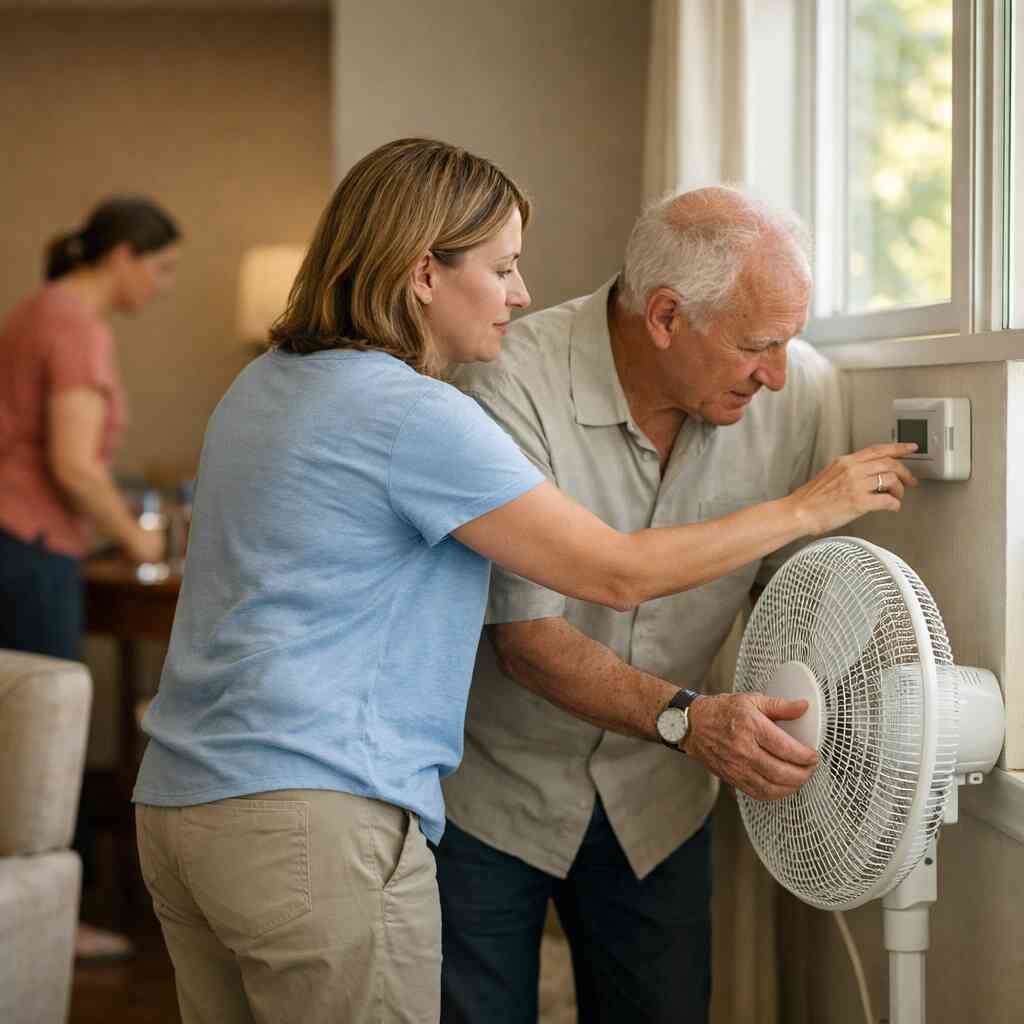
Photos do not tell you how a place is run. CMS star ratings, when available, can help you compare skilled nursing facilities because they reflect inspections, staffing, and quality measures. That said, ratings should never be your only filter. State housing regulations and licensing rules matter just as much.
Rules differ by state. Florida, California, and Texas each regulate senior housing differently, so the same term can mean different things. Always confirm the license type, recent inspection history, and whether the community fits your care needs. If you are reviewing assisted living locations or a nursing home, that paperwork is not optional. It is the backbone of a safe decision.
How to turn a long list of communities for seniors 55 plus into one confident next move
Now the search gets practical. You may have dozens of tabs open, a stack of brochures, and three opinions from relatives. That is normal. The goal is not to visit every place. The goal is to compare the right places the right way.
Which questions to ask assisted living and how to compare answers without getting lost
You do not need a perfect script. You need clear questions and honest follow-up. Start with the basics: staffing patterns, care coordination, medication support, meal flexibility, and what happens after a change in condition. Then ask how they handle evenings, weekends, and holidays.
A strong list of questions to ask assisted living should also cover deposits, move-in timing, and visitor rules. Ask for specifics, not marketing language. If you want a shortcut, use top questions to ask assisted living facilities as a checklist. Compare the answers side by side, because the details often reveal more than the tour.
What a strong assisted living locator or senior living directory should reveal before you call
A good assisted living locator should do more than return names. It should show care level, location, payment options, and whether a community serves your needs. A strong senior living directory should also help you compare communities for seniors 55 plus, retirement homes, and residential care facilities without making you start over each time.
A useful directory should reveal:
- Care level and service type
- General service area
- Contact method
- Any memory care or respite care options
- Whether the community appears to accept Medicaid or private pay
- Whether the location seems to fit your timeline
If you need a senior living facility near you, use the directory to narrow the field before making calls. That saves time, energy, and a lot of repeat questions.
When pet-friendly assisted living, senior living with no waitlist, or luxury senior retirement communities actually fit the need
Sometimes the difference-maker is not medical. It is emotional. A beloved cat, a long waitlist, or a wish for more privacy can shape the decision. Pet-friendly assisted living can be a real priority for someone who sees a pet as family. Senior living with no waitlist can matter when a hospital discharge is approaching fast. Luxury senior retirement communities may fit a family looking for upscale dining, larger apartments, or more social programming.
Still, fit matters more than branding. A luxury setting does not help if the care level is wrong. A no-waitlist opening is not useful if the staffing model is thin. That is why pet-friendly assisted living communities deserve review only after the care basics are confirmed.
How to evaluate Alzheimer’s care facilities, dementia care homes, board and care homes, and continuing care retirement community options
These options sound similar, but they serve different needs. Alzheimer’s care facilities and dementia care homes usually offer more structure for memory loss. Board and care homes are smaller and may feel more residential. A continuing care retirement community, or CCRC, can let a resident move through multiple care levels in one campus.
OptionBest forKey questionAlzheimer’s care facilitiesProgressive memory lossIs the environment secure and consistent?Dementia care homesCognitive impairment supportHow are wandering and sundowning handled?Board and care homesSmaller-home settingWhat care limits apply?CCRCChanging future needsWhat levels of care are available on site?If your loved one needs a continuing care retirement community (CCRC), ask how transfers work between care levels. That policy matters more than the lobby fountain.
The smartest path to choosing between a nursing home, residential care facilities, or a free senior living referral from a senior living advisor
This is where families often need a calm outside voice. A nursing home may be the right answer if medical complexity is high. Residential care facilities may work better if the need is personal support without heavy clinical care. A senior living advisor can help sort the options and may offer a free senior living referral when you are stuck.
If you want a clear side-by-side on assisted living vs nursing home, use it to match care needs, not emotions. You do not have to solve everything this afternoon. Start by picking two or three communities, confirm their licensing, and call with your top five questions. If you want a broader search, senior placement services for free referral help can shorten the process without pushing you into the wrong fit.
One daughter in Texas told us she kept searching “best senior living near me” late at night after her mother’s third fall. The breakthrough came when she stopped comparing brochures and started comparing care levels. That is the move that usually changes everything.
Frequently Asked Questions
Question: What makes Senior Living Facilities helpful when comparing senior living facilities, senior living directory results, and assisted living locator options in summer 2026?
Answer: Senior Living Facilities is designed to make the search simpler, calmer, and more organized for families who are comparing senior living facilities during a stressful time. Instead of jumping between separate websites for senior living directory listings, assisted living locator tools, and individual community pages, families can start by entering a location and narrowing the search by care level, setting, and needs. That is especially useful in summer, when heat, travel, and schedule changes can make aging in place harder to manage.
The platform is meant to support a wide range of housing options for seniors, including independent living communities, assisted living locations, memory care near me searches, and other forms of senior citizen housing. It can also help families compare communities for seniors 55+ with more care-focused options like a long-term care facility or skilled nursing facilities, depending on the situation.
What families often appreciate most is the ability to search, compare, and connect without feeling pushed into a quick decision. That matters because choosing among retirement homes, elderly housing, rental housing for seniors, or senior apartment rentals should start with care needs, not just appearance. Senior Living Facilities is built to support that step-by-step process in a warm and practical way.
Question: How do I know whether my loved one needs independent living communities, assisted living plans, or skilled nursing facilities?
Answer: The right choice usually depends on how much daily support your loved one needs right now, and whether that need is likely to change soon. Independent living communities are often a good fit for seniors who want maintenance-free living, social connection, and fewer responsibilities. Assisted living plans are better when someone needs help with meals, bathing, dressing, medication reminders, or general supervision. Skilled nursing facilities are for more complex medical situations that require a higher level of licensed care.
A good way to think about it is to separate independence from support. If your loved one is managing fairly well but needs a simpler lifestyle, a seniors living community or 55+ apartments may be enough. If there are concerns about balance, missed medications, or difficulty managing daily routines, assisted living locations may be more appropriate. If recovery after a hospitalization or ongoing clinical oversight is needed, Medicare skilled nursing may be part of the discussion, though coverage rules can be complicated.
Senior Living Facilities helps families compare these options more clearly so they can understand the difference between skilled nursing and assisted living without relying on guesswork. That is often the key to avoiding the wrong move and choosing care that matches the current reality.
Question: What should families know about memory care near me, what is memory care, and when should they look at Alzheimer’s care facilities or dementia care homes?
Answer: Families should start considering memory care near me when a loved one shows signs that safety and routine are becoming harder to manage. Repeated confusion, wandering, missed meals, medication mistakes, or trouble recognizing familiar places can all be signs that a general senior living facility may no longer be enough. That is when people begin asking what memory care is and how it differs from other housing options for seniors.
Memory care programs are usually built for people living with Alzheimer’s disease or other forms of dementia. These settings tend to focus on structure, supervision, and consistent routines. Alzheimer’s care facilities and dementia care homes may sound similar, but the best fit depends on the person’s needs, behavior patterns, and level of independence. In some cases, board and care homes or residential care facilities may also come into the conversation if the environment and support level are appropriate.
Senior Living Facilities can help families narrow the search by location and care type, including Florida senior living options when state-specific searching is needed. The goal is not to overwhelm families with terms, but to help them identify communities that better fit a loved one’s safety and daily support needs.
Question: How can families compare the cost of assisted living, senior living costs by state, and funding options like Medicaid senior housing or VA benefits for senior care?
Answer: The best first step is to compare care level before comparing price. Families often look at the cost of assisted living first, but the monthly amount only makes sense when you also know what services are included. A lower base rate may look appealing, but if it does not cover the support your loved one actually needs, the real cost can rise quickly.
It also helps to review senior living costs by state, since those numbers can vary widely depending on location and level of care. Tools like the Genworth Cost of Care Survey can provide broad context, but local factors still matter. Families should also ask whether a community may work with Medicaid senior housing programs, whether Medicare skilled nursing could apply after a qualifying hospital stay, and whether VA benefits for senior care might help veterans or eligible spouses.
Long-term care insurance can also be part of the conversation, if a policy already exists and the benefit rules match the care need. Senior Living Facilities encourages families to compare all of these payment sources carefully because affordable senior living is not just about the lowest sticker price. It is about finding a place that fits the care plan, budget, and future needs without creating avoidable stress.
Question: In the blog Ultimate Guide to Senior Living Facilities for Summer 2026, what questions should I ask assisted living facilities before choosing one?
Answer: A strong shortlist starts with the right questions to ask assisted living, especially when summer heat, travel, or a recent health scare has made the decision feel urgent. Families should ask about staffing patterns, medication support, meal flexibility, visitor policies, move-in timing, and what happens if a resident’s condition changes. It is also smart to ask how evenings, weekends, and holidays are handled, since support should not disappear after business hours.
Good questions also cover the practical side: deposits, service agreements, discharge policies, and whether the community can adapt if a resident needs more support later. A trusted assisted living locator or senior living advisor should help families compare those answers without pressure.
Senior Living Facilities supports this process by helping families organize options before they tour. That is useful whether you are comparing assisted living locations, retirement homes, or residential care facilities. It is also a good time to ask about respite care, pet-friendly assisted living, senior living with no waitlist, or luxury senior retirement communities if those details matter to your loved one.
Question: How do I choose between assisted living vs nursing home, and when might a continuing care retirement community (CCRC) or senior placement services be the better option?
Answer: The main difference between assisted living vs nursing home is the level of care. Assisted living usually supports independence while helping with daily routines, while a nursing home, or skilled nursing facility, is more clinically structured and better suited for people with heavier medical needs. If your loved one needs help with personal care but not round-the-clock medical oversight, assisted living may be the better fit. If complex health needs are the priority, a long-term care facility or skilled nursing facilities may deserve a closer look.
A continuing care retirement community (CCRC) can be a smart choice for families who want a single campus that may offer multiple care levels over time. That can reduce future disruption when care needs change. Board and care homes may also be worth considering if a smaller, more residential environment feels right.
Senior placement services can be especially helpful when families feel stuck between too many options. A free senior living referral can save time and reduce confusion by pointing families toward communities that match the needed care level, budget, and location. Senior Living Facilities aims to make that next step easier by helping people compare best senior living near me options across all 50 states, including California assisted living and Texas nursing homes, while keeping the focus on fit, safety, and dignity.
Admin
Expert contributor specializing in senior living care. Dedicated to providing families with clear, actionable advice.