
Best Pet Friendly Assisted Living Locations for Seniors 2026
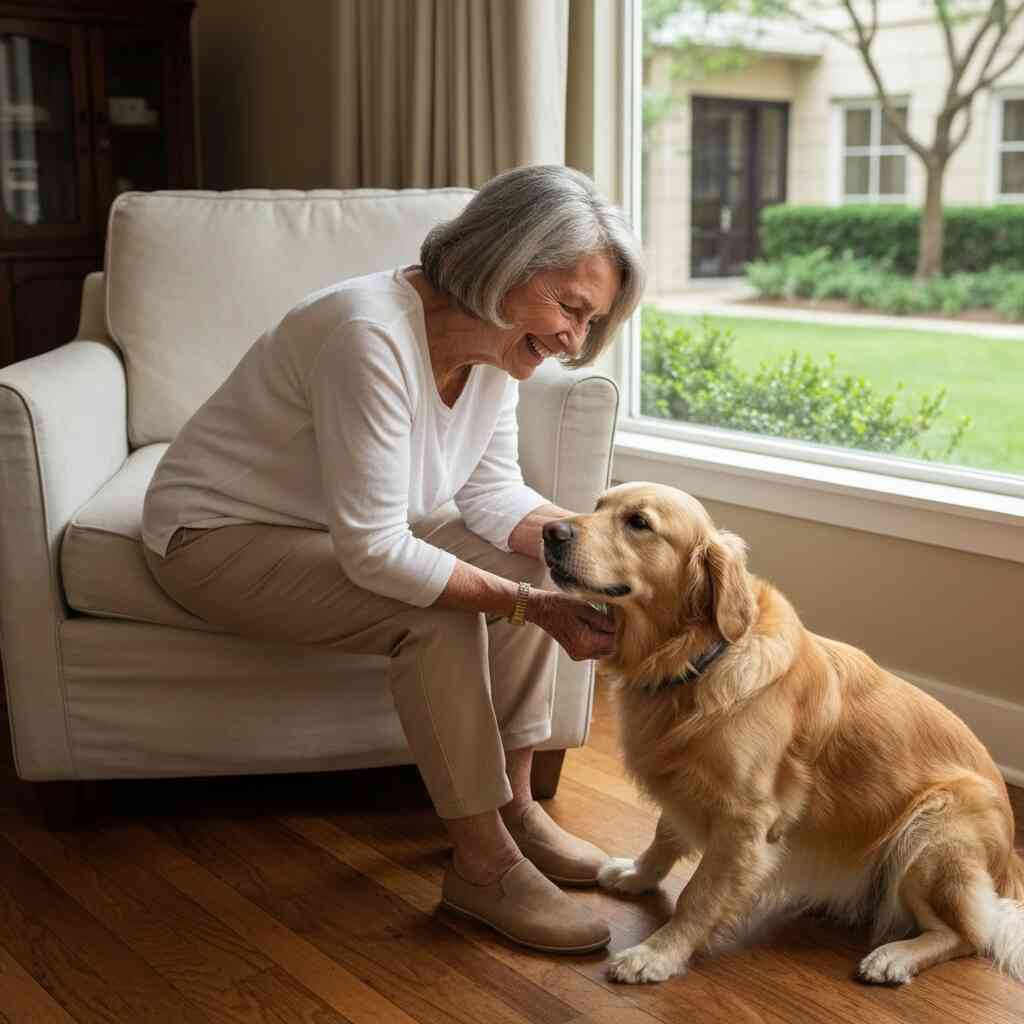
Moving into a senior living facility represents a significant life transition that often brings up worries about leaving behind familiar comforts. If you share your home with a beloved dog or cat, the prospect of separation can feel overwhelming. You might be concerned that choosing a professional care environment means you have to choose between quality medical support and your furry family member. Fortunately, the social connection benefits in senior living have evolved to prioritize the holistic well-being of residents. Many modern communities now recognize that pets are integral to happiness and offer welcoming environments for both people and their animals. Finding the right place requires careful planning and a deep understanding of what is available in today’s market.
The Heartwarming Bond Between Seniors and Their Animal Companions
The decision to move into a senior living facility often comes from a need for increased safety or support with daily tasks. However, many older adults fear that this move will diminish the joy and purpose they find in their daily routines. Keeping a pet is one of the most effective ways to maintain a sense of normalcy during this life change. Your pet provides a reason to get up in the morning, stay active, and engage with the world around you. This bond acts as a vital bridge between your past life and your future in a new community. When you prioritize finding a home that accepts your animal, you ensure that your emotional health remains a top priority during your transition.
Why keeping a pet matters for your mental health
Loneliness and isolation are significant risks for many older Americans living alone. When you have a pet, you are never truly alone, as their constant presence offers unconditional support and companionship. Scientific studies consistently show that interacting with animals can lower blood pressure and reduce feelings of anxiety. You might find that the simple act of petting a dog or hearing a cat purr shifts your entire mood after a stressful day. For those who are grieving or adjusting to a loss, an animal companion provides a unique form of comfort that humans often cannot replicate. Keeping this bond intact supports your long-term mental stability and helps you feel more at home in your new setting.
The science behind companionship in senior living
Modern research into gerontology suggests that the presence of animals in a senior living facility can significantly improve resident outcomes. Animals act as social catalysts, making it easier for you to strike up a conversation with neighbors in the hallway or common areas. When you walk your dog, other residents are naturally drawn to approach and chat, which helps you build a new social network. This level of interaction is vital for cognitive health, as it encourages you to stay present and engaged with your surroundings. Even in environments like best senior living facilities for memory care in 2026, pet therapy has been shown to reduce agitation and improve sleep patterns in residents. The physical act of caring for an animal also provides gentle, consistent movement, which is essential for maintaining physical dexterity.
Recognizing when your pet is more than just a friend
You may have realized that your pet has transitioned into an emotional support animal, providing you with stability that goes beyond simple companionship. If you rely on your pet to help you manage symptoms of depression or to provide comfort during health struggles, you should view them as a medical necessity. Many residential care facilities are now adopting policies that accommodate emotional support animals, recognizing their role in resident health. Discuss these needs early in your search to ensure the community can properly support your specific situation. Recognizing the therapeutic value of your pet allows you to advocate for their presence in your long-term care facility search. You deserve a living space that honors the depth of the connection you share with your companion.
Evaluating Pet Friendly Assisted Living Locations
Selecting a home for your later years requires balancing medical needs with personal preferences. You are likely asking yourself how to evaluate the cleanliness, safety, and staff quality of various housing options for seniors. When pets are part of the equation, your checklist becomes even more specific, as you must look for pet-friendly amenities and fair policies. Many families feel stuck when they hear vague information about pet rules, but you have the power to ask the right questions. Using a senior living locator will provide you with the tools to filter communities by their specific pet policies. This ensures that you do not waste time visiting locations that will ultimately require you to rehome your companion.
Understanding pet policies in retirement communities
Every community sets its own rules regarding the types, sizes, and breeds of pets they permit. Some luxury senior retirement communities may have very open policies, while others might restrict pets to specific buildings or floors. It is essential to read the fine print regarding pet deposits and monthly pet fees to understand the total cost of your stay. You should also inquire about local requirements, such as proof of vaccinations and temperament tests, which are standard in many professional retirement homes. Understanding these policies early will save you from potential conflicts with management once you have moved in. Always ask for a copy of the pet policy in writing to avoid future misunderstandings.
Distinguishing between independent living communities and nursing homes regarding pets
The distinction between care levels is crucial when evaluating pet-friendly assisted living. In independent living communities, you usually retain full responsibility for your pet, meaning you must be physically capable of walking, feeding, and cleaning up after them. As you move into assisted living plans, the community might offer additional support services for pet care, such as help with exercise or medication administration. Conversely, skilled nursing facilities have much stricter regulations due to complex medical needs and federal oversight. While some nursing homes offer visitation programs with therapy animals, permanent residency for a personal pet is much less common in these high-acuity environments. Knowing the differences helps you set realistic expectations for your transition into a continuing care retirement community.
How to choose a nursing home that welcomes furry family members
If you have decided that you or your loved one needs the intensive support of a nursing home, you must conduct a thorough search for pet-welcoming options. You should look for facilities that prioritize the quality of life and view pets as an extension of the family unit. When visiting, pay close attention to the comfort of the animals you see on site and whether the environment feels truly inclusive. It is vital to check CMS star ratings to ensure the facility meets high standards of care while also accommodating your pet. Don’t hesitate to ask about how they handle pet emergencies or what the protocol is if you are unable to care for your pet temporarily. Your peace of mind depends on knowing that both you and your animal will be safe, happy, and well-supported.
The Logistics of Aging in Place with Companion Animals
Moving your entire life into a new space is complex, and adding a pet to the mix adds a layer of logistical planning. You must consider the physical layout of your new apartment and whether it provides enough room for your pet to thrive. Think about access to outdoor spaces, as this is one of the most important factors for dog owners. The goal of aging in place is to remain comfortable and independent for as long as possible, and your pet plays a role in this success. You should identify where your pet will sleep, eat, and play before you commit to a move. Planning for these details will help your transition go much more smoothly.
Finding pet care assistance in senior living
You might worry that your own health could limit your ability to walk your dog or keep a litter box clean. Fortunately, many affordable senior living communities offer ancillary services that can provide peace of mind. Some facilities have partnerships with local pet walkers or grooming services that visit regularly. Others may rely on staff members or even student volunteers who enjoy spending time with animals. Before you sign any rental housing for seniors agreement, ask about the availability of these specific support services. Having a backup plan ensures that your pet remains well-cared for, even on days when your energy levels are low.
Navigating pet friendly senior housing regulations
Regulations for senior citizen housing can be confusing, especially when they involve local zoning laws or corporate mandates. You might find that some board and care homes have specific rules about animal weight limits or vaccination requirements. Always clarify how the Fair Housing Act applies to service animals and emotional support animals, as these often have different protections than standard pets. You can use a senior living advisor to help you decipher these rules and ensure you aren’t being unfairly restricted. Understanding your rights as a resident is part of the process of securing a dignified and comfortable living environment. Knowledgeable assistance is the key to managing these complex requirements without feeling overwhelmed.

Retirement homes with dog parks and outdoor amenities
If you have an active dog, access to a secure, private outdoor area is a non-negotiable feature. Modern communities are increasingly installing fenced dog parks where your pet can run safely under your supervision. These spaces are excellent for fostering social interaction with other pet-owning neighbors and their animals. Check for senior apartment rentals that offer easy access to walking trails or community gardens to keep both of you physically fit. When a community invests in these amenities, it sends a clear message that they value the lives of their four-legged residents. You should prioritize locations that make it easy for you to enjoy the outdoors with your faithful companion every single day.
Financial Planning for Pet Inclusive Residential Care Facilities
Financial planning for senior care is often complex, involving considerations like Medicaid senior housing and long-term care insurance. When you add a pet to your budget, you must factor in ongoing costs like food, routine vet visits, and potential pet fees charged by the facility. While pet-friendly options might occasionally carry a premium, many families find the investment to be well worth the joy it brings. Understanding your financial options early allows you to look at a wider range of communities. Start by reviewing your long-term care insurance policy to see if it provides any coverage for lifestyle-supporting services. Being prepared financially reduces the stress of your move and protects your future security.
Breaking down the cost of pet friendly assisted living
The cost of assisted living varies significantly depending on location, amenities, and level of care. You must look at the total monthly fee and clarify what is included versus what requires an extra charge. Pet fees can range from a one-time non-refundable deposit to a small monthly fee added to your rent. Use a tool like the senior living facilities cost guide to understand the general market rates in your preferred region. Once you have a clear picture, you can build a budget that accounts for both your living expenses and your pet’s needs. This clarity is essential for long-term sustainability in any residential care facility.
Using long term care insurance and VA benefits for senior care
If you have served in the military, you may be eligible for VA benefits for senior care, which can drastically change your financial landscape. While the VA typically does not cover pet-specific costs, the financial relief provided for care can free up your personal funds to handle your pet’s needs. Long-term care insurance is another asset that can cover the costs of senior living for low-income seniors or those with complex needs. It is worth reviewing your policies to see if you can leverage these benefits to make your preferred community more affordable. Speak with a financial counselor or a trusted senior living advisor to explore all available funding options. Taking this step ensures you are not leaving any financial help on the table.
Affordable senior living options that allow pets
Affordability does not have to mean sacrificing the presence of your pet. There are many 55+ apartments and communities that cater to a wide range of budgets while still maintaining pet-friendly policies. Look for options in areas where the cost of living is more moderate, or explore nonprofit organizations that may offer subsidized housing. You can also look for senior living directory listings that specifically categorize facilities by price point and pet friendliness. Persistence in your search will often lead to a high-quality, welcoming home that fits within your financial comfort zone. Do not be afraid to advocate for yourself and negotiate terms that allow you to bring your companion with you.
Final Thoughts on Finding Your Perfect Senior Living Facility
The journey to finding a new home for yourself and your pet is a deeply personal one. It requires time, patience, and a willingness to explore various paths until you find the right fit. By using a senior living advisor, you can access personalized guidance that simplifies the process and provides clarity. You have already taken the most important step by recognizing that your pet is a fundamental part of your happiness and well-being. Focus on the positive aspects of the transition and look forward to the new friendships you will form in your new home. With the right support and a clear plan, you can successfully maintain the bond with your animal while enjoying the care you need.
Using a senior living advisor for pet owners
An advisor acts as your advocate, someone who understands the nuances of the industry and knows which communities genuinely welcome pets. They can save you hours of research by curating a list of options that meet your criteria. You don’t have to guess whether a facility is truly pet-friendly; your advisor will have current, accurate information. They can even assist with setting up visits, asking the hard questions, and ensuring you get a fair contract. Having a professional in your corner transforms a stressful, confusing task into an organized, manageable project. Trusting in expertise is a smart way to ensure you make the best decision for your future.
Connecting with communities for seniors 55 plus
If you are just beginning to explore communities for seniors 55 plus, the options can seem endless. Start by visiting a few different locations to get a feel for the culture and the attitude toward pets. You might find that some communities host pet parades or have social clubs for pet owners, which is a wonderful sign of a welcoming environment. It is helpful to talk to current residents about their experiences, as they are often the most honest source of information. When you find a place that feels like home, you will know it because it will align with your values and your lifestyle. Keep an open mind and enjoy the process of discovering a community that feels just right for you.
Ensuring your pet is part of the transition plan
Your pet will also need time to adjust to a new home, just as you do. Ensure that your moving plan includes time to introduce your pet to their new surroundings and establish a routine as soon as you arrive. Keep their favorite toys, bed, and blankets accessible, as familiar smells will provide comfort during the change. If your pet is easily stressed, consider a visit to the veterinarian before you move to discuss strategies for a smooth transition. Your patience and love will go a long way in helping your companion settle into your new senior living facility happily. You are making the best choice for both of you by staying together through this exciting new phase of life.
Frequently Asked Questions
Question: How can I use the Senior Living Facilities assisted living locator to find the best pet-friendly assisted living locations for seniors 2026?
Answer: Our assisted living locator is designed to streamline your search by allowing you to filter results specifically for pet-friendly policies. When you enter your preferred location, you can toggle our search parameters to highlight residential care facilities that welcome your furry family members. By using our platform, you gain access to a curated senior living directory that provides detailed information on pet weight limits, vaccination requirements, and onsite amenities like dog parks, ensuring you find a community where both you and your companion can thrive.
Question: Does Senior Living Facilities offer assistance in navigating pet policies in retirement communities if I have an emotional support animal?
Answer: Yes, our team understands that emotional support animals provide essential stability for many seniors. We help you distinguish between standard pet policies and the protections afforded to support animals under federal guidelines. We guide you through the process of communicating your needs to prospective independent living communities or assisted living plans to ensure that your rights are respected and your companion is accommodated from day one.
Question: What is the difference between independent living communities and skilled nursing facilities regarding pet residency?
Answer: Independent living communities generally offer the most flexibility, allowing you to maintain full responsibility for your pet in a more apartment-like setting. In contrast, skilled nursing facilities often have stricter regulations due to complex medical oversight. However, our advisors can help you identify high-quality nursing home options that prioritize resident happiness and may permit visitation or have unique, pet-inclusive policies. We help you weigh these options based on your current health needs and your desire for pet companionship.
Question: How does Senior Living Facilities help with the cost of pet-friendly assisted living?
Answer: We recognize that financial planning is a critical part of the transition. Our experts can help you analyze the total cost of assisted living, including potential pet fees, and advise on how to leverage assets like long-term care insurance or VA benefits for senior care to make your choice more affordable. We provide resources to help you build a comprehensive budget, ensuring that your preferred pet-friendly community is financially sustainable for your long-term comfort and security.
Question: Can I find memory care near me that allows pets for my loved one?
Answer: Absolutely. We understand that for those in Alzheimer’s care facilities or dementia care homes, the presence of a familiar animal can be incredibly therapeutic and grounding. Our database includes specialized memory care facilities that integrate pet therapy to reduce agitation and improve the overall quality of life. By connecting with our team, you can identify environments that provide the necessary medical support while maintaining a compassionate, pet-inclusive atmosphere for your family member.
Admin
Expert contributor specializing in senior living care. Dedicated to providing families with clear, actionable advice.