
Best 10 Senior Housing Options for Winter Ready Living 2026
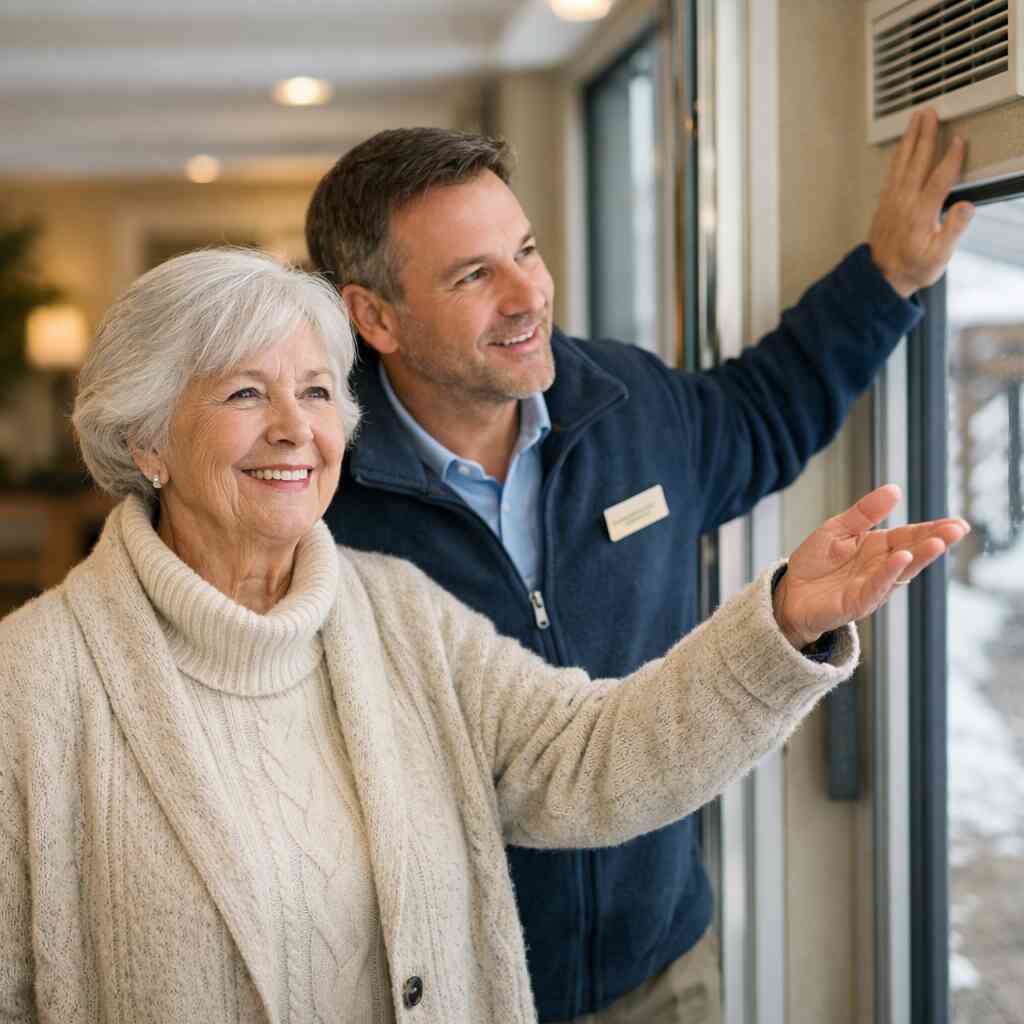
When winter turns a simple housing choice into a safety decision
The first hard freeze changes everything. A driveway turns slick. A porch step turns risky. If you are worrying about Mom or Dad living alone, that dread is real, and it usually arrives right after the weather forecast does. Winter does not just test comfort. It tests whether a home still supports safe daily life.
Why cold snaps, ice, and power outages expose the limits of aging in place
Aging in place can work beautifully when support is close and systems hold steady. In a cold snap, weak points show up fast. Frozen pipes, lost heat, and missed meals create problems that snowball. The CDC lists falls and cold exposure among serious risks for older adults, and that risk rises when routines break. Here is the part most families miss: the house may be familiar, but familiar is not the same as safe.
One family we spoke with in suburban Chicago had everything planned except the outage. Their parent used a space heater, but the circuit tripped overnight. By morning, the hallway was cold, the floor was slick, and the medication schedule was off. That is how a small weather event becomes a family emergency. When winter hits hard, housing must do more than shelter someone.
What families in snowbelt states should ask about backup power, heat, and indoor safety
Start with the basics. Ask about backup generators, boiler maintenance, and indoor temperature monitoring. Ask who checks on residents during storms. If you are comparing winter-ready senior housing, you want answers that are specific, not polished. The right place should explain how it handles outages, frozen walkways, and delayed deliveries without sounding vague.
In states like Minnesota, Wisconsin, and upstate New York, winter planning is not a nice extra. It is core safety planning. If you are using a senior living facilities locator, ask whether staff can reach all entrances quickly. Ask how they handle pharmacy deliveries, meals, and wellness checks during storms. If the answers feel rushed, keep looking.
How a senior living facility can reduce fall risk when sidewalks, parking lots, and entryways freeze over
A strong senior living facility thinks about the whole path, not just the apartment door. That means covered entries, cleared walks, handrails, non-slip flooring, and bright indoor lighting. It also means staff who notice when a resident needs help getting to meals or appointments. The National Institute on Aging consistently warns that fall prevention starts with environmental design as much as with personal caution. That matters more in winter, when one icy patch can undo months of careful planning.
A good senior living facility makes movement easier, not harder. Look for wide entryways, dry lobby mats, and visible maintenance routines. In places like Buffalo, Cleveland, and Milwaukee, that practical detail matters every day. You are not shopping for elegance. You are looking for steady, predictable safety.
Option one independent living communities that keep life light but protected
Independent living works best when your loved one can manage daily routines but needs less friction. That usually means no heavy personal care, but a lot of value in convenience. Winter magnifies the little tasks that become tiring fast. Carrying groceries, shoveling, and driving on ice all take a toll. That is why the right community can feel like relief without feeling clinical.
Who thrives in independent living communities versus rental housing for seniors
Independent living communities fit older adults who still want privacy, choice, and social life. They often suit people who can dress, bathe, and manage medications with little or no help. Rental housing for seniors can look similar, but the support level is often thinner. You may see independent living communities or 55+ apartments with fewer services and fewer shared spaces.
The key question is not lifestyle. It is reliability. If winter makes driving, snow removal, or meal prep harder, a community with built-in help can preserve independence better than isolated home living. In Denver and Minneapolis, families often tell us the same thing. They do not want more care. They want less strain.
What winter ready senior housing looks like when the priority is comfort, not hands-on care
Winter-ready senior housing usually offers indoor convenience before anything else. Think heated corridors, easy access to dining, maintenance support, and common areas that stay active when the weather is bad. It may also include scheduled transportation, which matters when roads are poor. A true senior living facility should make it easier to stay connected, not boxed in.
The best communities for older adults often have simple, predictable routines. Breakfast happens on time. Sidewalks are cleared. Mail, trash, and package handling do not depend on the resident doing extra work. That is why many families search for independent senior living and rental housing, even if the marketing language differs. Winter exposes whether the place is truly convenient or just looks that way.
Which questions reveal whether the community supports transportation, housekeeping, and social connection
Ask what transportation runs in bad weather. Ask whether housekeeping includes snow-season entry cleaning. Ask how often residents gather indoors when conditions are rough. Social connection matters more in winter than people expect. Lonely days get longer when daylight gets short.
Use this quick checklist:
- Is scheduled transportation dependable in snow?
- Are meals available without crossing unsafe outdoor areas?
- Does housekeeping reduce physical strain during bad weather?
- Are there indoor activities that happen consistently?
- Can family check in easily without fighting parking lots?
If a community cannot answer those questions clearly, keep searching. Families often feel pressure to decide fast. Do not. Better questions now prevent harder calls later.
Option two assisted living locations built for medication support and daily reassurance
Assisted living becomes important when daily life is still meaningful, but routines need backup. Winter makes that need sharper. Missed medications, slippery showers, and fatigue after a short walk to the mailbox all add up. A well-run community can reduce those weak points while preserving dignity. That balance matters.
When assisted living plans make more sense than staying home with part-time help
If your loved one needs regular reminders, bathing help, or medication management, assisted living may fit better than a patchwork of home visits. Part-time help can work in mild seasons, but winter changes the equation. Ice keeps aides from arriving on time. Power outages interrupt meals and alarms. That is where assisted living locations with medication support often become the steadier choice.
According to the 2023 Genworth Cost of Care Survey, the national median cost of assisted living was $4,807 per month. That number changes by state, but the pattern stays the same: more support usually costs more. The real question is not just price. It is whether the setting solves daily problems before they become crises.
What to check in an assisted living locator when winter weather makes routines harder
An assisted living locator can narrow options quickly, but you still need to verify the winter basics. Ask about covered drop-off areas, staff response times during storms, and backup heat. Ask whether medications are stored and delivered safely if weather delays shipments. If the community serves snowbelt residents well, it should answer those questions plainly.
You should also ask about indoor movement. Are hallways long and warm? Are dining spaces close enough for residents who tire easily? Are there elevators that stay reliable during outages? Families in Boston, Rochester, and Chicago often overlook these details until the first storm. Then it is too late to wish for better planning.
How assisted living vs nursing home differs when personal care needs are growing but skilled care is not yet the main need
The difference between skilled nursing and assisted living is simple in concept, but messy in real life. Assisted living usually supports daily activities and medication reminders. A nursing home, by contrast, provides more continuous medical oversight and nursing services. If you are comparing assisted living vs nursing home, focus on how much medical monitoring is truly needed.
A resident who needs help dressing, bathing, or staying oriented may still belong in assisted living. A resident with wounds, complex rehab, or constant skilled observation may need a higher level of care. This is where a strong assisted living locator helps you compare care levels without guessing. The right choice is not the flashiest one. It is the one that matches reality.
Option three memory care near me when safety matters more than square footage
Memory care changes the conversation. Size matters less. Safety matters more. Winter can be especially hard for someone with dementia because routine disruption increases confusion. A cold, gray afternoon can feel disorienting even inside a familiar home. That is why families ask about secure indoor spaces.
What is memory care and why winter can raise wandering and confusion risks
What is memory care? It is specialized support for people living with Alzheimer’s disease or other forms of dementia. These communities usually include secure access, consistent routines, and staff who understand memory loss behaviors. In winter, wandering risks can rise because daylight fades earlier and exits become more tempting or confusing. If you are searching memory care near me for secure indoor living, winter planning should sit at the center of the search.
Families in Phoenix, Orlando, and Detroit ask us the same question for different reasons. They want safety without making life feel institutional. That is fair. The best memory care settings try to reduce stress, not add it. Good design can lower confusion. Poor design can increase it.
How dementia care homes and Alzheimer’s care facilities are usually designed for secure, indoor living
Dementia care homes and Alzheimer’s care facilities often use controlled entry points, simple layouts, and familiar cues. They may also use enclosed walking areas, calm lighting, and quiet common rooms. The goal is not confinement. It is safe movement. If a resident can walk without finding a door that leads outside in bad weather, the whole day becomes easier.
Some families prefer smaller settings, while others want a full community with multiple support levels. Both can work. What matters is consistency. Ask how doors are monitored, how residents are redirected, and how evening routines are handled. Winter brings earlier darkness, and earlier darkness can bring more confusion.
What families should ask about staff training, supervision, and evening routines without assuming every facility is the same
Do not assume all memory care is equal. Ask who supervises evenings and overnight hours. Ask how often staff receive dementia-specific training. Ask whether meals, bathing, and rest times stay predictable. A good what is memory care conversation should leave you clearer, not more confused.
Use these questions:
- How are exit doors secured?
- What happens if a resident becomes upset at dusk?
- How does staff handle storm-related schedule changes?
- Are there quiet spaces for overstimulation?
- How is family updated after a rough evening?
One daughter in St. Paul told us her father got calmer once the evening routine stopped changing. That detail sounds small. It was not small to her. Winter routines must be steady, or memory loss can turn a simple evening into a painful one.
Option four skilled nursing facilities and long-term care support for a harder season
Sometimes winter does not just make things inconvenient. It reveals a need for daily clinical support. That is when skilled nursing facilities deserve serious attention. Families often feel guilty at this stage. They should not. Choosing enough care is not giving up. It is responding honestly to changing needs.
When a nursing home or skilled nursing facility becomes the safer winter choice
A nursing home or skilled nursing facility may be the safer option when medical needs are complex, mobility is low, or recovery needs close monitoring. If your loved one cannot manage transfers, wound care, or frequent clinical follow-up, winter can make home care unstable. Skilled nursing facilities for higher winter care needs exist for exactly this kind of situation.
The difference is not just staff presence. It is the level of clinical oversight. That is why people searching nursing home care for older adults should compare medical support carefully. Winter tends to worsen dehydration, respiratory illness, and fall recovery. The right facility must be prepared for those realities.
How Medicare skilled nursing, Medicaid senior housing, and long-term care insurance may affect the path forward
Coverage can be the hardest part. Medicare skilled nursing rules are specific, and coverage usually follows a qualifying hospital stay plus skilled needs. Medicaid senior housing rules vary by state, and that creates real differences in access. If you are comparing funding options, Medicaid senior housing rules in each state are worth reviewing early. Long-term care insurance may help, but the policy details matter.
VA benefits for senior care can also matter for eligible veterans and spouses. That is especially true when care needs rise quickly. Families in Texas and Florida often ask about local access and state programs at the same time. That is smart. Funding and location shape each other more than most people expect.
What to compare in CMS star ratings, clinical oversight, and discharge planning before a move
CMS star ratings help you compare skilled nursing facilities, but they are not the full story. Look at inspection history, staffing, and quality measures together. Then ask about physician access, therapy coordination, and discharge planning. A facility with solid CMS star ratings still needs to fit your loved one’s exact needs.
Compare:
- Clinical oversight for current conditions
- Response time for urgent issues
- Rehabilitation and therapy support
- Meal timing and hydration support
- Discharge planning for the next phase
The CMS ratings are useful, but they are not magic. You still need to visit, ask questions, and trust what you see.
Option five continuing care retirement communities that let care levels change without another move
A CCRC can feel reassuring because it reduces the number of future moves. That matters a lot when winter health changes happen suddenly. Families often want stability more than novelty. A place that can adapt with your loved one may preserve energy, money, and peace of mind.
Why a continuing care retirement community can feel steadier during sudden health changes
A continuing care retirement community can offer independent living, assisted living, and nursing support in one setting. That means fewer transitions if needs change after a fall, illness, or memory shift. For families thinking long term, continuing care retirement community options for changing care levels can feel especially practical. You do not have to start over every time care changes.
That steadiness matters in winter because weather can complicate every move. Snow, ice, and new paperwork are a bad combination. A CCRC reduces those layers. The resident stays in a familiar community even as care changes around them.
How CCRCs help families think ahead about independent living, assisted living, and nursing support in one place
The strongest CCRCs make transitions smoother across the care spectrum. You may start in independent living and later move to assisted living or skilled nursing within the same campus. That kind of continuity can lower stress for everyone. It can also reduce the shock of a future move during a cold season. The phrase continuing care retirement community (CCRC) covers many contract types, so details matter. Some contracts are more predictable than others. Some include more future care access. Some come with waitlists. You need the exact agreement in writing before deciding. 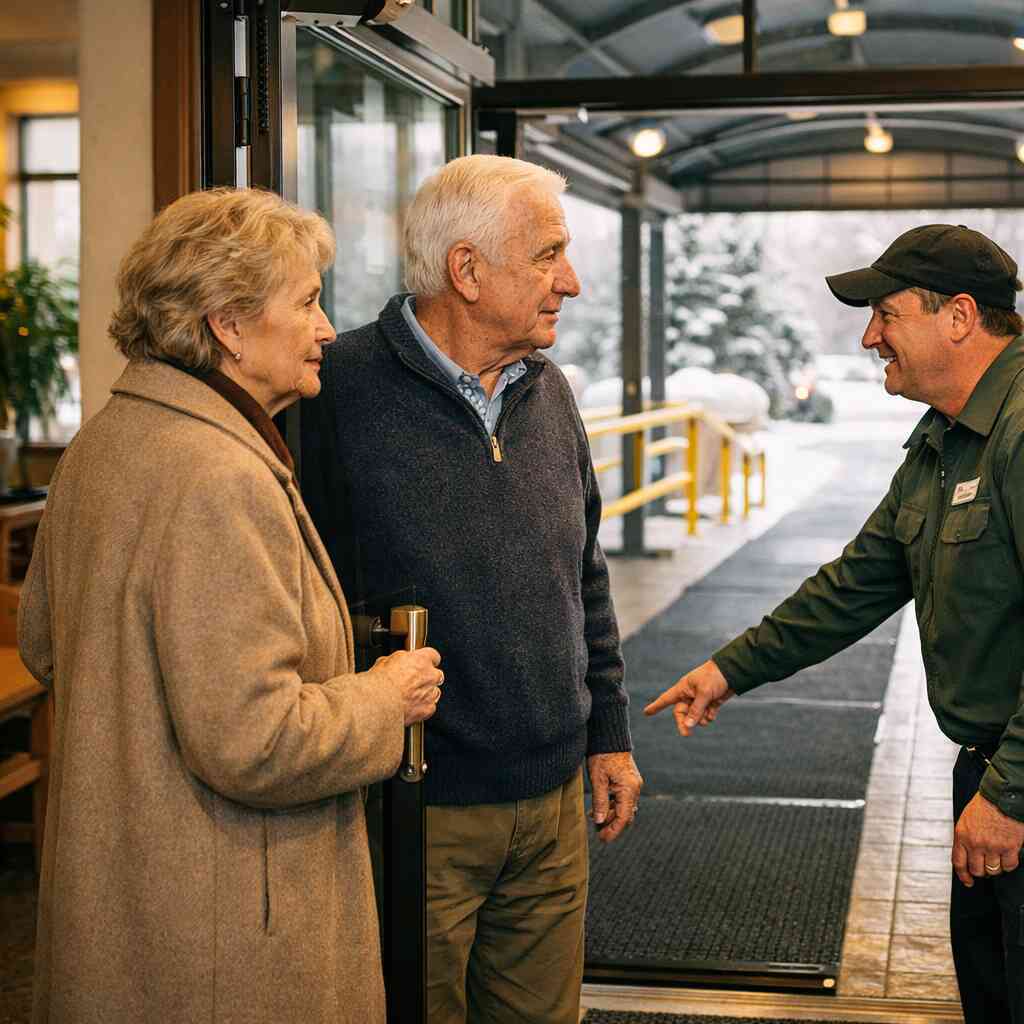
What contract style, waitlist concerns, and future care access usually deserve the closest attention
Ask how the contract works. Ask what happens if the resident needs higher care sooner than expected. Ask whether there is a priority list for future transfers. If a community advertises senior living with no waitlist, confirm what that actually means. In some markets, a waitlist can be long.
The contract is not just paperwork. It is the roadmap. If you are comparing options in California, Texas, or Florida, future care access can differ quite a bit. That is why careful review matters before winter pressure adds urgency.
Option six board and care homes and residential care facilities that stay personal and small
Some families need a smaller setting. Not everyone wants a campus. Not everyone wants shared hallways and scheduled programming. For many older adults, a quiet home-like setting feels safer and calmer, especially in winter.
Why some families want a smaller senior living facility instead of a larger campus
A smaller senior living facility can feel more personal because staff know residents closely. Meals may feel calmer. Transitions may feel simpler. Families often choose this route when their loved one is overwhelmed by noise, crowds, or long hallways. If that sounds familiar, board and care homes for smaller group senior support may be worth exploring.
These settings can be a good fit for seniors who do best with predictability. In winter, fewer moving parts can mean fewer problems. That is the appeal. It is not about luxury. It is about fit.
How board and care homes can feel more familiar for seniors who dislike busy environments
Board and care homes often feel like a house instead of an institution. That can matter deeply for someone who has always valued quiet. A resident may prefer a smaller dining table, fewer loud announcements, and a consistent bedtime routine. Families sometimes call this the “softer landing” option.
A board and care homes search can be especially useful for people who do not want a large senior living directory result list. The challenge is that small does not always mean simple. You still need to verify oversight, licensing, and care limits.
What to confirm about staffing, meal routines, and winter access when the setting is home-like but regulated
Ask who is on duty overnight. Ask how meals are handled if weather delays shopping. Ask whether the driveway and entry are maintained for wheelchair and walker safety. A home-like setting still needs structure, especially during ice and snow. If a place is regulated as a residential care facility, ask which state rules apply.
Use this short list:
- Staffing coverage at night
- Medication handling
- Meal consistency
- Snow removal and entrance access
- Emergency response if heat fails
Here is what almost no online guide mentions: in small homes, one staff gap can affect everyone at once. That is why careful verification matters more, not less.
Option seven affordable senior living choices that do not ignore dignity
Money changes the search. It always does. But budget does not mean you must settle for unsafe or lonely housing. It means you need a wider lens and better guidance. That is especially true when winter makes staying put more expensive than expected.
How to think about senior living for low-income seniors without getting stuck on one funding source
Affordable options can include subsidized apartments, Medicaid-linked settings, and local housing programs. Some families also combine savings, family support, and benefits. The key is to avoid assuming one funding source must solve everything. If you are looking for affordable senior living for low-income seniors, start with eligibility, not fear.
Senior living costs by state can shift the answer more than people expect. Florida, California, and Texas do not price the same way. Local supply matters. So do regulations and demand. That is why a broad search often works better than a single zip code.
Where to look for senior living with no waitlist, senior placement services, and free senior living referral help
A free senior living referral can save time when the clock feels tight. Senior placement services are useful when you need several options fast. The best advisors listen first, then sort by care level, budget, and urgency. They do not push one property as if it fits everyone.
You may also want to ask about how to choose a senior living advisor for placement. A good advisor helps you compare options without losing the thread. That can matter most when winter pressure is rising and family opinions are colliding.
Why senior living costs by state can change the answer more than families expect
A community in one state may be a strong value, while a similar one across the border may stretch the budget badly. That is why senior living costs by state comparison matters. You may find that moving a little farther opens better affordability. Or it may uncover better services for the same money.
Some families are surprised to learn how much difference local rules make. That includes licensing, staffing expectations, and Medicaid coverage. If you are balancing affordability and safety, keep dignity at the center. Cheap is not the goal. Sustainable is.
Option eight climate ready senior communities with the practical details families forget
Winter comfort is not just about temperature. It is about friction. Can your loved one get out easily? Can they bring a pet? Can they still keep medical visits and social plans without stress? Those practical details decide whether a community feels supportive or frustrating.
What pet friendly assisted living, senior apartment rentals, and 55 plus apartments should offer in colder months
A pet can calm loneliness, but winter makes pet care harder. Ice, leash walks, and vet trips become complicated. If animals matter to your loved one, look closely at pet-friendly senior living communities and 55+ apartments. Ask about indoor pet areas, waste pickup, and weather-safe access.
Senior apartment rentals and 55+ apartments can work well when the building is warm, accessible, and well maintained. But marketing language can hide gaps. A real winter-ready building should have good lighting, reliable elevators, and cleared entrances. It should also feel easy to move through with groceries or a walker.
Why transportation support for seniors matters when errands, appointments, and social plans get harder in winter
Transportation support for seniors is not a bonus in winter. It is often the difference between staying connected and staying stuck. Appointments get rescheduled. Social plans disappear. Isolation grows quietly. Communities that offer rides help residents keep life moving.
Ask how transportation works in bad weather. Ask whether rides are scheduled or on-demand. Ask if there are local partnerships for medical trips. In places like suburban Dallas, Tampa, and Orange County, traffic and weather create their own headaches. A dependable ride can change the whole week.
Which accessibility features signal a senior friendly building is designed for real life not just marketing
Look for wider doors, level thresholds, grab bars, bright lighting, and non-slip surfaces. Also check whether resident storage, laundry, and mail areas are easy to reach. These details matter far more than glossy brochures. A senior citizen housing listing that ignores them is not helping you make a safe choice.
Useful signs include:
- No long exterior walks to daily services
- Covered drop-off areas
- Clear signage
- Accessible bathrooms
- Easy elevator access
One family in Scottsdale told us their biggest relief was not fancy finishes. It was the indoor corridor that kept their mother out of the wind. Sometimes the smallest design choice changes daily life the most.
Option nine the questions that separate a polished brochure from a safe winter choice
Brochures rarely talk about bad weather honestly. They show sunny courtyards and smiling staff. That is fine, as far as it goes. But winter care depends on systems, not smiles. You need better questions than the website gives you.
What questions to ask assisted living staff about heat, backup power, and emergency plans
Ask whether the building has backup generators. Ask how long they can sustain heat and critical systems. Ask what happens if roads close and staff cannot arrive on time. These are not dramatic questions. They are normal winter questions. If you are touring assisted living communities, write down the answers.
Also ask about emergency communication. Who calls families? How quickly? What if a resident uses hearing aids or has memory loss? Planning only works when communication is clear.
How to compare senior housing regulations, staffing oversight, and facility level care without getting lost in jargon
State-level senior housing regulations differ widely. That is why you should ask which agency licenses the community and how often it inspects. If you are comparing Florida, California, or Texas, the rules and oversight may not match. That matters more than people think.
A quick comparison table helps:
TopicWhat to askWhy it matters Heat backupGenerator and fuel planWinter outages are real StaffingOvernight coverageSafety does not stop at 5 p.m. LicensingState oversight agencyRules vary by state Emergency planFamily notification processClear communication reduces panic Care levelAssisted, memory, or skilledThe wrong level creates risk
For broader comparisons, senior living and retirement communities is a useful term, but it is not enough on its own. The real issue is fit.
Which red flags suggest a community may look good online but be harder to trust in person
Watch for vague answers. Watch for tours that avoid back entrances or utility questions. Watch for overpromising. If a place will not explain staffing, licensing, or storm response clearly, that is a warning. A polished lobby cannot fix weak operations.
Red flags include:
- No direct answer about backup heat
- Inconsistent staff explanations
- Poorly cleared walkways
- Pressure to sign quickly
- No written policy for emergencies
This is the mistake we see most often: families trust the first friendly tour. Friendliness matters, but verification matters more.
Option ten the decision frame that helps families choose with confidence before the coldest weeks arrive
The final choice gets easier when you stop asking, “What sounds best?” and start asking, “What problem are we solving?” That shift changes everything. You are matching care, budget, and winter safety to a real human life. That is the work.
How to match medical needs, budget, and daily support to the right housing options for seniors
Start with the need that cannot wait. Is it medication support? Memory supervision? Mobility help? Once you know that, budget becomes a filter instead of a fog. This is where a senior living advisor can help you sort the field quickly.
If money is tight, review senior living for low-income seniors and state-specific benefits together. If care needs are higher, compare Medicare skilled nursing and VA benefits for senior care before ruling anything out. The best path is usually the one that balances need and staying power.
When to compare assisted living, independent living, memory care, and nursing homes side by side
Put the options next to each other when the situation is unclear. That is the cleanest way to see tradeoffs. Assisted living supports daily life. Independent living preserves light structure and social ease. Memory care adds security. Nursing homes add clinical oversight.
Use this simple comparison:
OptionBest forWinter advantage Independent livingActive adults needing convenienceLess maintenance, more comfort Assisted livingDaily support and medication helpMore reliable routines Memory careDementia and wandering riskSecure indoor design Nursing homeComplex medical needsStronger clinical supervision
What a thoughtful move plan looks like for relocation help for older adults, including timing, family roles, and next place to call
A good move plan starts before urgency peaks. Divide roles clearly. One person handles finances. One handles tours. One handles medical records. That keeps the process calmer. If you need relocation help for older adults, use a senior living directory that lets you compare without rebuilding the search each day.
Here is a practical next move:
- Pick three communities.
- Ask the winter questions first.
- Verify care level and licensing.
- Compare transport, meals, and backup power.
- Call the one that answers most clearly.
You do not have to solve every detail tonight. Start with one call, and let the facts do the work.
Frequently Asked Questions
Question: What should families look for when comparing winter ready senior housing, assisted living locations, and independent living communities for an older adult?
Answer: Families should start with the day-to-day risks that winter creates, especially falls, missed meals, medication delays, and power outages. The best winter ready senior housing is not just warm; it is practical: clear walkways, accessible entrances, backup heat or power plans, dependable transportation support for seniors, and staff who can respond when weather disrupts routines. Senior Living Facilities helps families compare housing options for seniors across independent living communities, assisted living locations, board and care homes, memory care near me searches, and skilled nursing facilities so they can match support to real needs instead of guesswork. If you are comparing rental housing for seniors, senior apartment rentals, or communities for seniors 55+, it helps to ask whether the building has indoor access to meals, housekeeping, and social connection when roads are icy. A good senior living facility should make life easier in winter, not simply look attractive in a brochure.
Question: How does the Best 10 Senior Housing Options for Winter Ready Living 2026 guide help families choose between assisted living vs nursing home care?
Answer: The guide is designed to help families think clearly about care level, safety, and comfort before winter pressure makes the decision harder. Assisted living vs nursing home is often the key comparison when a loved one needs more support than aging in place can safely provide. Assisted living plans usually fit older adults who need help with daily activities, reminders, or medication management, while a nursing home or skilled nursing facilities setting may be better when clinical oversight is needed more often. Senior Living Facilities helps families understand the difference between skilled nursing and assisted living so they can compare assisted living locations, long-term care facility options, and nursing home choices with less confusion. The goal is not to push one answer, but to help you identify the right level of support, review senior housing regulations, and make a calm decision before a storm, fall, or illness creates urgency.
Question: Can Senior Living Facilities help me find memory care near me, dementia care homes, or Alzheimer’s care facilities that feel safe in winter?
Answer: Yes. Families searching for memory care near me often need more than a location list, especially when winter increases confusion, wandering risk, and stress from routine changes. Senior Living Facilities helps you compare memory care options, including dementia care homes and Alzheimer’s care facilities, so you can look for secure indoor layouts, consistent routines, supervised evenings, and easy-to-navigate common spaces. When reviewing what is memory care, it is helpful to ask about staff supervision, how exits are monitored, whether the community handles weather-related schedule changes well, and how residents are supported when daylight ends earlier. The safest choice is usually the one that reduces uncertainty for both the resident and the family. We aim to make the search for a senior living facility feel more grounded and less overwhelming by keeping the focus on practical winter safety and social connection.
Question: What kinds of affordable senior living and senior living for low-income seniors options are available through Senior Living Facilities?
Answer: Senior Living Facilities supports families looking for affordable senior living by helping them compare a wide range of housing options for seniors, including senior citizen housing, elderly housing, senior apartment rentals, 55+ apartments, board and care homes, and communities for seniors 55+. For families focused on senior living for low-income seniors, it can be helpful to review Medicaid senior housing possibilities, local eligibility rules, and whether any senior living with no waitlist options are available in the area. We also encourage families to consider senior living costs by state, because the same care level can vary significantly from one state to another. When needed, our senior placement services and free senior living referral support can help narrow choices without pushing a one-size-fits-all answer. The aim is always to balance dignity, safety, and budget while helping families find the best senior living near me for their situation.
Question: Does Senior Living Facilities help with Medicare skilled nursing, VA benefits for senior care, and long-term care insurance questions?
Answer: Yes, we help families think through those pathways so they can make a more informed decision. Medicare skilled nursing coverage, VA benefits for senior care, and long-term care insurance can all affect what type of setting is realistic, but the details vary and should always be checked carefully. Senior Living Facilities can help you compare skilled nursing facilities, nursing home options, and assisted living locations while also considering whether a continuing care retirement community (CCRC) or other long-term care facility might better fit future needs. We do not assume one funding source works for everyone, and we avoid making promises about pricing or coverage because those details depend on eligibility, policy language, and local rules. Instead, we help families organize the search, understand senior housing regulations, and ask the right questions before committing to a move. That way, your decision is based on facts, not pressure.
Admin
Expert contributor specializing in senior living care. Dedicated to providing families with clear, actionable advice.