Five Ways Senior Living Facilities Improve Social Health
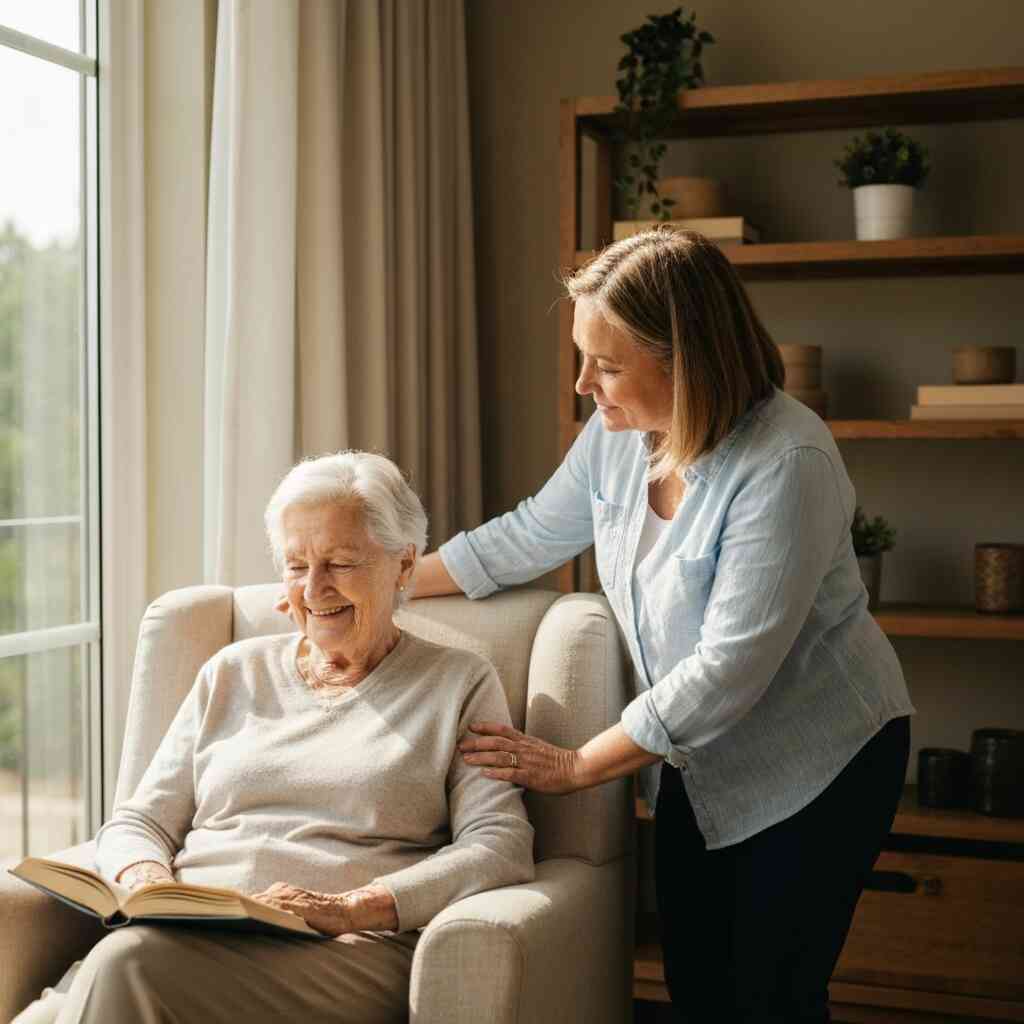
You notice Mom’s quietness has turned into a persistent habit. Her daily routine often lacks the spark of conversation or shared laughter. It is heartbreaking to watch a vibrant person retreat into the shadows of their own home. You wonder if the silence in her house is contributing to her overall decline. Many families struggle with the realization that their loved ones are quietly suffering from isolation. Recognizing these early warning signs is the first step toward reclaiming their joy and connection.
Breaking the Cycle of Quiet Loneliness
Social health is just as critical as physical wellness when it comes to long-term vitality. When seniors live alone, the lack of daily engagement can lead to a sense of invisibility. Our goal at Senior Living Facilities is to help you find senior living facilities near you that prioritize human connection. By understanding how to identify withdrawal, you can advocate for a change that brings light back into your loved one’s life. Let’s explore how professional communities foster the social health that is often missing at home.
Recognizing the signs of social withdrawal in your loved one
You might observe that your loved one has stopped calling friends or participating in hobbies they once cherished. Perhaps they seem uncharacteristically lethargic or express a sense of hopelessness during your weekly visits. It is important to watch for changes in hygiene, diet, or the physical state of their living space. Often, seniors living alone lose the motivation to maintain a routine because there is no one around to share it with. These subtle cues are frequently overlooked as simple signs of aging, but they are actually indicators of deep social hunger.
Pay attention to how they talk about their days. If every day sounds exactly the same, they may be stuck in a cycle of repetitive isolation. Sometimes, they might even explicitly tell you that they feel lonely, but are too proud to ask for help. It is your job to listen beyond the words and identify the underlying need for meaningful companionship. When you see these patterns, it is time to consider how communities for seniors 55+ could bridge that gap.
Why isolation impacts mental health for older adults
The biological toll of loneliness on the brain is well-documented and profoundly dangerous. When seniors experience chronic isolation, they face a higher risk of cognitive decline and cardiovascular health issues. The absence of intellectual stimulation leads to a slow thinning of neural pathways that keep the mind sharp. Furthermore, the lack of a support system often results in unmanaged anxiety or depression that goes unnoticed by family members. By moving into a residential care facility, seniors gain a safety net that protects both their physical and emotional states.
Social interaction triggers the release of hormones that make us feel secure and content. Without these, older adults remain in a state of high alert, which is exhausting for the body to sustain. Communities allow residents to engage in shared dialogue, which acts as a powerful buffer against stress. Even if your loved one is introverted, the presence of others in a safe environment changes their brain chemistry. This shift can turn a period of stagnation into a phase of renewed purpose and social health.
The shift from aging in place to vibrant communities for seniors 55 plus
Many seniors initially prefer to age in place, but they often underestimate the maintenance required to keep their social lives active. As driving becomes harder or mobility decreases, the distance between them and their friends grows wider. A vibrant senior living community is designed to eliminate these physical barriers. From organized transportation to on-site dining, everything is structured to encourage natural interactions throughout the day. It is not just about having a roof over their head; it is about having access to a community.
Transitioning to a 55+ environment can feel like opening a door to a new world of possibilities. Residents find themselves surrounded by peers who share their life stage and interests. This collective environment makes it much easier to combat loneliness than trying to manufacture connection in a lonely house. Whether it is a luxury retirement home or a simpler independent living setup, the change is usually transformative. You are choosing to prioritize their social well-being over the static familiarity of a house that no longer serves their needs.
Five Pillars of Connection in Modern Senior Living Facilities
When you tour a modern facility, look closely at the common areas and the interactions between staff and residents. A truly effective community uses deliberate design and programming to ensure that no one remains isolated. These five pillars form the foundation of social health, ensuring every resident feels seen and valued. By choosing the right place, you ensure your loved one has a thriving calendar rather than a blank one. These environments are specifically engineered to foster friendships and a genuine sense of belonging.
Structured resident engagement strategies that foster genuine friendships
Engagement is not just about occupying time; it is about facilitating deep human bonds. Professional facilities hire activity directors who understand how to match residents with similar backgrounds and interests. They create small group settings that are far less intimidating than large, chaotic events. These strategies might include book clubs, garden committees, or cooking classes that require collaborative effort. This shared focus allows residents to build friendships organically without the pressure of forced socialization.
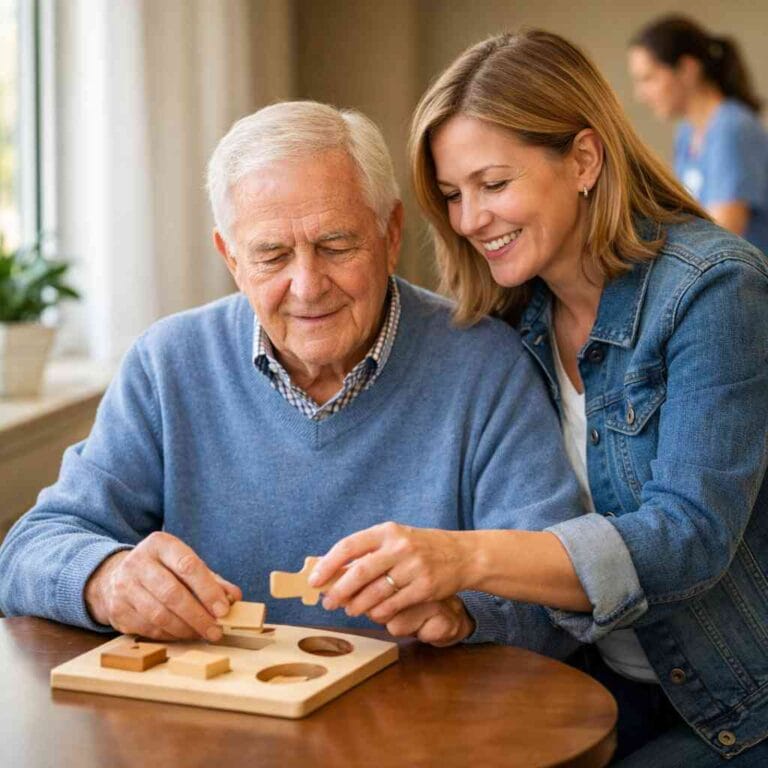
The staff also plays a key role by acting as social facilitators during daily routines. They make an effort to introduce residents who might have lived in similar cities or held similar careers. By creating these intentional bridges, they help break down the walls of unfamiliarity that come with moving to a new place. When your loved one feels like a valued member of a team, their self-esteem increases significantly. These friendships provide the foundation for a sustainable and happy life in their new home.
The role of senior social clubs and group activities in daily life
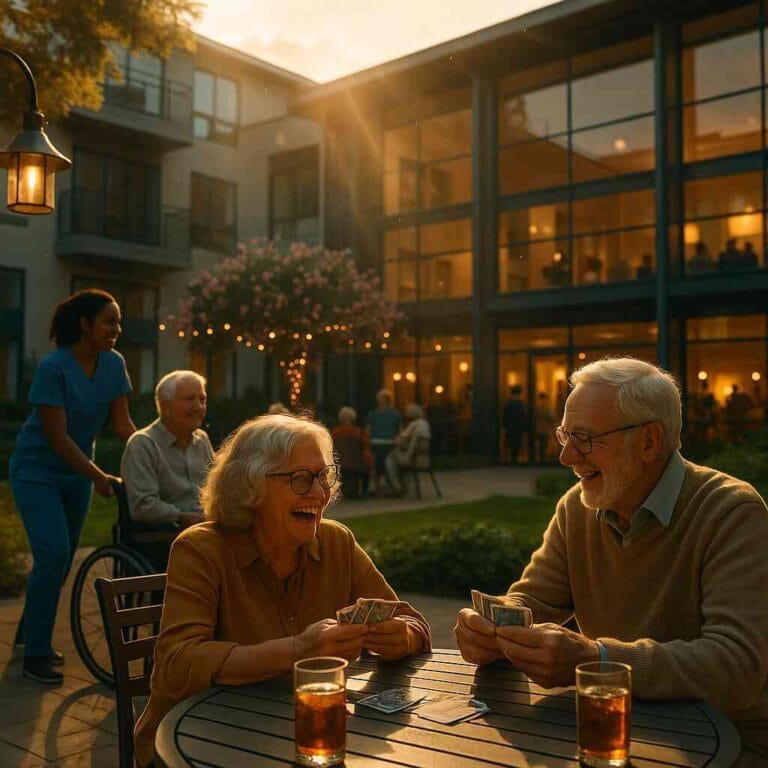
Every day in a high-quality facility offers a variety of clubs tailored to diverse hobbies. You might find a bridge club, a quilting circle, or a morning walking group that gets everyone moving. These clubs are essential because they give residents a reason to get out of their apartments and move through the hallways. When they see the same faces at the same club every Tuesday, that familiarity blooms into deep trust. This consistency is the secret sauce for emotional well-being among older adults.
Group activities also extend to larger events like movie nights, fitness classes, or local outings. These events ensure that the environment is never stagnant, which is vital for keeping the mind engaged. Residents who participate in these activities report higher levels of satisfaction and lower levels of loneliness. Even a small event like a Sunday afternoon coffee gathering can make a massive difference in a resident’s weekly mood. It is about creating a schedule that they can look forward to every single morning.
How inclusive living environments reduce senior anxiety
Anxiety often stems from the fear of being unable to handle one’s own needs or being left alone in a crisis. In a community, residents are surrounded by staff and peers, which provides a natural safety net. This structure allows them to let go of the daily worries of home maintenance and security. When they no longer have to manage a house, they have more mental bandwidth to focus on social interaction. The anxiety that once kept them locked away at home often melts into relief and comfort.
Inclusive environments also make sure that people of all ability levels feel welcome and included. Nobody is left on the sidelines because they use a walker or struggle with their hearing. The staff works hard to adapt games and social events so that everyone can contribute meaningfully. This inclusivity prevents the social withdrawal that happens when a person feels they can no longer “keep up.” When they feel like a peer rather than a patient, their anxiety levels drop.
Building an active retirement lifestyle through shared interests
An active retirement lifestyle is defined by the energy a person brings to their day, not by their physical age. Many facilities now offer lifelong learning courses, art studios, and even volunteer opportunities for their residents. By aligning the community’s offerings with what the residents love, the facility becomes a home of constant growth. This growth prevents the mental atrophy that often accompanies retirement. When your loved one is busy learning something new or mastering a craft, they are actively thriving.
These shared interests also create a common language among residents. A resident who spends their afternoon painting or playing chess has something to share over dinner. This creates a natural cycle of conversation that fuels their daily interactions. It moves the focus away from health struggles and back toward the vibrant person they have always been. By emphasizing their interests, the community honors their history and their future.
Personalized care and social integration for every resident
Not everyone thrives in the exact same way, and the best facilities know how to customize their approach. A quiet resident might need one-on-one connections, while an extrovert might need the energy of a large group. The staff creates individualized plans that ensure every resident is integrated into the social fabric of the community. This might mean arranging a “buddy system” with a long-term resident during the first few weeks of transition. Such small, thoughtful touches make a world of difference for a new arrival.
Personalization also ensures that residents with different cognitive or physical needs are still included. The goal is to provide enough support for the resident to feel confident enough to engage with others. When they feel supported by the care team, they are much more likely to step out and try something new. This integration is not just a nice extra; it is the core of successful aging. Your loved one deserves a life where their unique personality is celebrated and nurtured every day.
Choosing the Right Environment for Social Wellness
Finding the right community is about matching your loved one’s personality to the culture of a facility. Do not settle for the first place you visit; take the time to observe the atmosphere and talk to the people living there. Your senior living advisor can help you weigh these options objectively. Whether it is an independent living community or a more supportive environment, your choice will shape their social life for years to come. Making the right decision involves asking the right questions and looking past the brochures.

Understanding assisted living vs nursing home social structures
It is vital to understand the difference between these environments to find the best fit for your loved one’s needs. An assisted living facility is focused on supporting independence while helping with daily tasks like medication management. The social structure here is designed for people who are still mobile and eager to socialize. Conversely, a skilled nursing facility often focuses more on intensive, 24-hour medical care. Both have social components, but the pace and focus will be distinct.
Knowing the distinction helps you manage expectations for your loved one’s daily experience. If they still possess high cognitive function, an independent living community might be a better social fit than a nursing home. You should always consult with the facility’s director about how they handle social dynamics for their specific resident population. Understanding these structures allows you to find the right balance between necessary medical support and a fun social life. Transparency about the cost of assisted living and service levels will keep you informed throughout the process.
Evaluating independent living communities for long term social health
Independent living communities are ideal for seniors who want the freedom of their own apartment but the benefits of a social club. These communities for seniors 55+ act as social hubs where the chores of homeownership disappear. Residents can spend their time in common rooms, hobby workshops, or at communal dining tables. This is often the best environment for long-term health, as it promotes self-reliance within a group setting. It is essentially an upgrade to a lifestyle that focuses on enjoyment rather than maintenance.
When evaluating these communities, focus on the longevity of the friendships you see being formed. Are there people who have lived there for years? That is a great indicator of a happy, stable community. You want a place that offers diverse programming so your loved one does not get bored after a few months. Look for a mix of intellectual, physical, and recreational activities that cater to their specific personality traits. A strong independent living community will feel like a lively neighborhood from the moment you walk through the doors.
Questions to ask assisted living staff about resident interaction
When you visit a potential home, do not be afraid to be curious and direct with the staff. Ask them specifically how they encourage residents to get to know each other during their first week. You should also ask how they manage conflict or isolation among residents. A great senior living facility will have clear answers about their social programming and their staff’s role in facilitation. You want to see that they view social connection as a priority, not just a nice side effect.
Ask about the frequency and variety of their activities, and whether they involve the local community as well. It is also good to know how they identify a resident who is struggling to fit in. Ask to speak with a current resident or a family member to get an honest perspective. Their answers will give you a clearer picture than any marketing brochure ever could. By being proactive in your questioning, you ensure that the social health of your loved one is truly in capable hands.
How to use a senior living directory to find the best fit near you
A senior living directory is an essential tool that streamlines your search significantly. You can filter by care type, location, and specific services, ensuring you only look at places that meet your needs. This prevents the overwhelm that often comes with searching for housing options for seniors. By narrowing your focus, you can spend more time researching the culture of each place. Use it to compare amenities, services, and locations across your entire region.
Once you have a list of prospects, you can use the directory to connect directly with the facilities. This saves time and ensures you are working with accurate, up-to-date information. If you have questions about whether a facility offers memory care or respite care, the directory has the answers. It is designed to empower families to make informed decisions without the stress of guessing. Take advantage of this resource to build a short-list of communities that truly support your loved one.
A Future Built on Community and Care
Choosing the right home is a testament to your love and foresight. You are not just selecting a building; you are selecting a environment that will shape the rest of your loved one’s days. The peace of mind you gain when you know they are surrounded by support and friendship is priceless. As you take these final steps, remember that change is often the bridge to a brighter, more connected life. You have the power to turn the quiet solitude of their past into a vibrant community of the future.
The lasting impact of congregate housing on quality of life
The move into a community setting is one of the most effective ways to improve a senior’s overall health and happiness. Scientific studies consistently show that seniors in communal housing environments experience fewer depressive symptoms and better overall physical health. This is largely because they are no longer left to deal with the minor stresses of living alone. Every day in a community is an opportunity to laugh, learn, and grow alongside peers. This lasting impact on quality of life is why so many families are choosing to make the transition.
Congregate housing is about more than just convenience; it is about human biology and our need for connection. We are social beings, and that does not change as we enter our retirement years. A supportive environment allows your loved one to remain as independent as possible while ensuring they are safe. It is a win-win situation that provides you with security and them with vitality. The quality of life that comes from consistent daily interaction is something that cannot be replicated at home.
Balancing medical needs with the desire for social connection
It is entirely possible to get excellent medical care while still enjoying a rich social life. In fact, many communities for seniors are designed to seamlessly integrate both aspects. They provide the necessary health services, such as Medicare skilled nursing, while ensuring that the social calendar remains full. You do not have to sacrifice their autonomy for their safety. The best environments are those where medical staff support the residents in participating in social activities.
This balance is exactly what you should look for when evaluating your options. If a facility only focuses on the medical side and ignores the social side, it will feel like a hospital. If it only focuses on the social side and ignores the medical side, it will be unsafe. A high-quality facility, like those found via Senior Living Facilities, understands that health and connection are two sides of the same coin. Your loved one deserves the best of both worlds, and they do not have to choose one over the other.
Taking the next steps toward finding a supportive home
Now is the time to act on the information you have gathered. You have seen the signs, understood the benefits, and know how to evaluate a potential home. Reach out to our team at Senior Living Facilities to get personalized guidance for your unique situation. We are here to help you connect with communities that value social health as much as you do. You are not just looking for a place to live; you are looking for a community to call home.
Start by contacting a few of the top locations you found in our directory. Schedule tours, ask your questions, and observe how the residents interact with each other. Trust your gut feeling when you walk into a place; the right environment will feel warm and welcoming from the very first visit. Your loved one’s future is waiting, and you have all the tools necessary to make it a great one. Together, we can ensure they spend their retirement years in a place where they are truly connected.
Frequently Asked Questions
What are the primary indicators that my loved one needs more social interaction?You should watch for signs like excessive sleeping, lack of interest in previously loved hobbies, or changes in personal hygiene. Other red flags include poor eating habits or repeating the same complaints about loneliness during your visits. These behaviors often signal that their current environment is not providing the intellectual or social stimulation they require to feel well.
How does a senior living facility support social health?Facilities provide structure, daily programs, and a peer group that would be difficult to replicate at home. By offering organized activities like game nights, clubs, and group outings, they create natural opportunities for residents to form bonds. This persistent, daily interaction keeps the mind and spirit active, which is essential for emotional well-being.
Is it better to choose assisted living or a nursing home for someone who is lonely?The choice depends on the level of care they need rather than just their need for social interaction. Assisted living is often better for seniors who are relatively independent and want to focus on their social life. Nursing homes provide more intensive medical support for those with chronic health conditions, though they also offer social activities to promote a sense of community.
What is the role of a senior living advisor?An advisor helps you cut through the confusion of the market by tailoring options to your specific needs. They can explain the cost of assisted living, identify top-rated communities in your area, and help you understand the nuances between various housing options for seniors. They act as your advocate to ensure your loved one ends up in the perfect environment.
How do I use a directory to find a facility near me?You can use a senior living directory by filtering for your desired location, care type, and specific amenities. This allows you to view a list of facilities that match your criteria, compare their services, and see contact information. It is the most effective way to start your search and ensure you are working with accurate, reliable information.
Do these facilities accommodate seniors with different interests?Yes, most quality communities pride themselves on offering a wide range of activities to keep everyone engaged. From arts and crafts to fitness classes and intellectual workshops, there is usually something for every personality type. The staff also works to introduce new residents to others who share similar passions, helping them integrate into the community’s social life quickly.
Admin
Expert contributor specializing in senior living care. Dedicated to providing families with clear, actionable advice.