
How Senior Living Facilities Compare 5 VA Care Options

When a VA care choice starts feeling like a bad fit for home
The call usually comes late. A daughter hears her father leave the stove on again, or a spouse notices the walker is suddenly parked farther from the bed. That uneasy feeling is real. It means the current setup may no longer match daily life.
If you are reading this while trying to keep everything together, take a breath. This part is genuinely confusing for most families. VA care, senior living facilities, and home support do not line up neatly, and that mismatch creates stress fast. The good news is that you can compare them clearly once you sort out needs, benefits, and setting.
The small warning signs families notice before a care move
Most families do not wake up and decide on a move. They notice patterns: missed medications, more falls, meals left untouched, and bills piling up. The changes can look small at first, then suddenly feel impossible to ignore.
Here is the part most families miss: the key issue is often not the diagnosis, but the activities of daily living involved in senior care decisions. Bathing, dressing, toileting, transferring, and eating tell you a lot. When those tasks start slipping, the right setting matters more than the family’s hope that things will settle down. A senior living facilities home page for care options can help you compare care levels without making it feel like guesswork.
One family we spoke with in Virginia kept trying to stretch home care a little longer. Their father could still chat, still joke, still insist he was fine. Then he missed three meals in two days and nearly fell reaching for a pan. That was the moment they stopped asking, “Can we manage?” and started asking, “What support actually fits?”
Why comparing senior living facilities to VA support is not really apples to apples
This is where people get stuck. A senior living facility is a housing and care setting. VA support is a benefit structure. They solve different problems, even when they overlap. You are not comparing two identical products.
Senior living facilities can include independent living communities, assisted living, memory care, nursing homes, and continuing care retirement community options. VA care may help pay for some services, support care at home, or direct a veteran toward a state veterans home. Because of that, the comparison is really about fit, coverage, and level of care. If you need a broad overview of senior living and long-term care options, the categories make more sense once you separate housing from benefits.
The mistake we see most often is treating a benefits check like a housing decision. Those are related, but not the same. First, determine what the person needs each day. Then check whether VA support, Medicaid senior housing, Medicare skilled nursing, or long-term care insurance can help fill the gap.
Where a VA benefits check can change the whole decision path
A VA benefits review can change everything. A veteran who seemed to need a private-pay move may qualify for VA benefits for senior care such as Aid and Attendance. Another family may discover that home-based support is enough for now. Sometimes the best answer is not a move at all. Sometimes it is a move with a subsidy. Sometimes it is a different kind of care entirely.
This is why a free senior living referral can be useful early, not late. It helps you compare housing options for seniors, not just one facility type. At Senior Living Facilities, families often start with an assisted living locator mindset, then realize they also need help comparing veterans home care assistance, senior citizen housing, and memory care near me. The right search can save weeks of second-guessing.
The five VA care options that actually matter when a family is deciding next
Families usually hear broad terms, then get overwhelmed. So let’s narrow it down. The five VA care options that matter most are assisted living support, nursing home benefits, memory care support, home and community-based services, and state veterans homes with respite care. That is the real shortlist.
These options do not all work the same way. Some help with funding. Some help with placement. Some support aging in place. Some are more appropriate when medical needs rise quickly. The challenge is understanding which path matches the person in front of you.
VA assisted living support and when it can help with housing gaps
VA assisted living support often matters when a veteran needs help paying for care, but not necessarily nursing home-level support. It can help bridge the gap between income and the cost of assisted living. That matters in places with high senior living costs by state, especially in Florida, California, and parts of Texas. Families often start by comparing assisted living plans and then ask what VA support may offset.
This is also where assisted living locations matter. A facility can look great on paper, but the daily rhythm has to fit. You may need pet-friendly assisted living, affordable senior living, or senior living with no waitlist. You may also need to understand the difference between housing and care, because rental housing for seniors is not the same as personal care support.
If you are comparing options now, one useful resource is VA senior care benefits for assisted living and nursing home comparisons. It helps you see where the benefit may apply and where it usually does not. That clarity matters before you tour communities for seniors 55+ or sign anything.
VA nursing home benefits and the role of skilled nursing facilities
VA nursing home benefits come into play when medical needs are substantial. At that point, you are often comparing a nursing home or skilled nursing facilities with hospital-like oversight and around-the-clock clinical support. That is very different from most assisted living plans. The gap between these levels is where many families feel the most confusion.
A skilled nursing setting can be the right match after a major health decline, surgery, or complex rehabilitation need. It is also where Medicare skilled nursing rules can matter, especially after a qualifying hospital stay. Still, Medicare is limited, and families often need to explore long-term care insurance, Medicaid senior housing, or VA pathways. The decision is rarely simple.
If the question feels like assisted living vs nursing home, that comparison deserves a close look. A difference between skilled nursing and assisted living article can help separate daily help from clinical care. Families in Texas often use this distinction when comparing Texas nursing homes with assisted living locations nearby.
VA memory care support when dementia care homes are being considered
Memory loss changes the whole equation. When wandering, agitation, or confusion becomes part of the day, you need to ask a different question: what is memory care? Memory care is a structured setting designed for people with Alzheimer’s disease or other dementias. It usually includes more supervision than assisted living, along with safer layouts and routines.
VA memory care support may help a veteran whose needs have outgrown regular housing. In some cases, it also helps a spouse understand next steps before the situation becomes a crisis. Families often search memory care near me without knowing whether they need dementia care homes, Alzheimer’s care facilities, or a more secure residential care facility. That is a normal first move.
If you want a sharper definition, what is memory care and when does it become the right choice is a helpful match. It also helps when comparing dementia care homes to VA-supported senior housing. In some communities, the right answer is not a large nursing home at all, but a smaller, calmer environment.
VA home and community based services for aging in place
Many families want aging in place for as long as possible. That makes sense. Home feels familiar. Routines stay intact. Pets stay nearby. But staying home only works if the support is strong enough.
VA home and community-based services can help veterans remain at home with the right mix of assistance. That may include help with personal care, caregiver support, or other services tied to daily living. For some households, this is the best bridge between independence and safety. For others, it only postpones a needed move.
This is where independent living communities also enter the picture. If the person is still active but wants fewer burdens, independent living communities for active adults may fit better than home care alone. A good independent living communities for active adults guide can help you compare senior apartment rentals, 55+ apartments, and retirement homes before care needs increase.
State veterans homes and respite care when caregiving has started to break down
Caregiver exhaustion is a real signal. It is not failure. It is data. When family members are missing work, losing sleep, or arguing about who will do what next, you need relief fast. That is where state veterans homes and respite care can become part of the plan.
State veterans homes may offer a structured setting for eligible veterans. Respite care gives family caregivers a break, which can prevent a rushed decision. Families often find that short-term support changes the entire conversation. It helps everyone think more clearly, especially after months of stress.
If you need a practical starting point, respite care options for family caregivers can help you compare temporary support. In Maryland, Virginia, and Florida, families often use respite before deciding between retirement homes, residential care facilities, or a longer-term nursing home move. That pause can make the next choice much better.
How each senior living facility type lines up against those VA options in real life
This is the part where the comparison becomes real. Families do not need theory. They need to know what the setting feels like, who it fits, and where VA support might or might not help. The easiest way to do that is side by side.
Assisted living versus nursing home when medical needs and independence collide
Assisted living works best when a person needs help with daily tasks but still wants privacy and a social rhythm. Nursing homes are more appropriate when skilled care, close monitoring, or complex medical support is needed. That difference matters more than fancy brochures. It is the difference between supported independence and medical supervision. 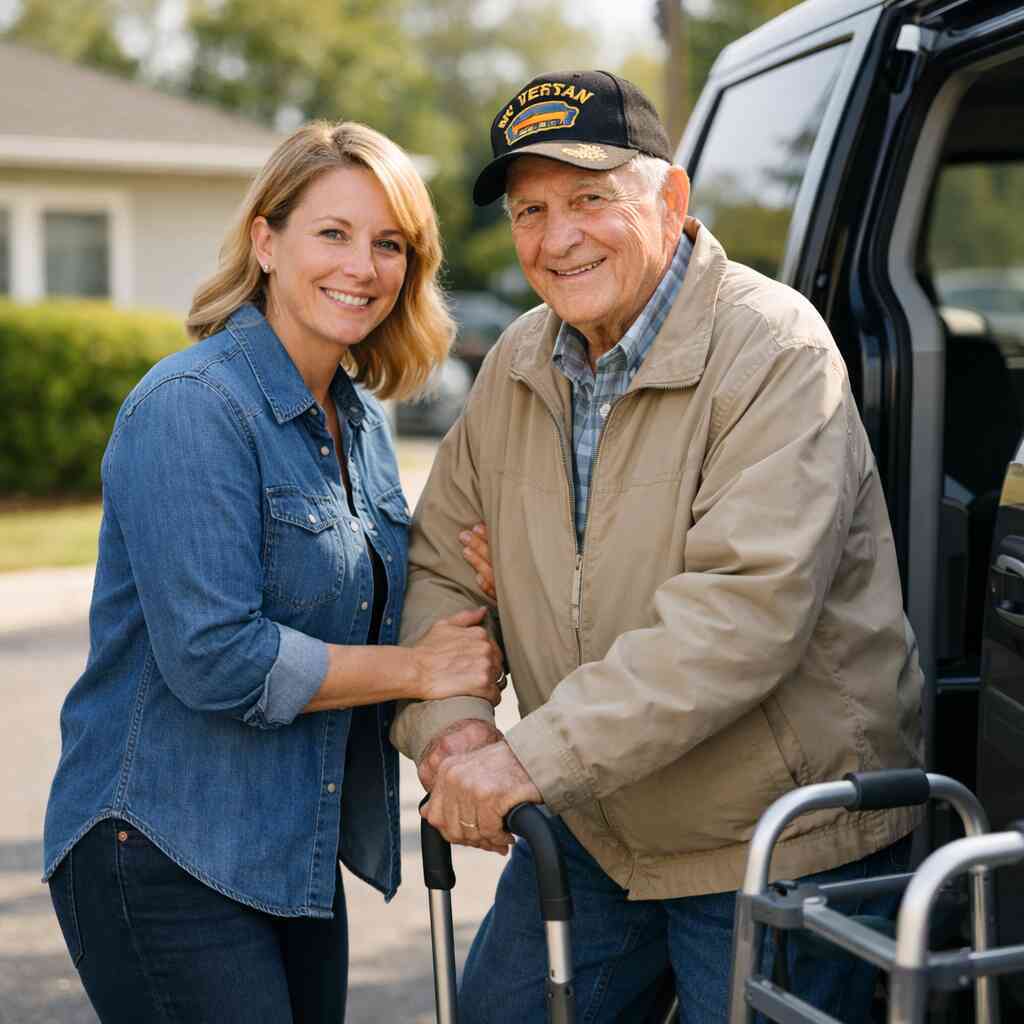
FactorAssisted livingNursing homeMain focusHelp with daily livingSkilled medical supportBest forModerate support needsHigher medical needsIndependenceMore resident freedomLess independence, more oversightVA fitMay pair with VA assisted living supportMay pair with VA nursing home benefitsIf you are comparing assisted living versus skilled nursing care, focus on daily needs first. Then think about the pace of change. Some families in California use assisted living until the health picture changes. Others move sooner because safety concerns outweigh independence. A how to compare skilled nursing facilities and assisted living guide can help when the two choices feel close.
Independent living communities versus VA home care when safety is still the main concern
Independent living communities suit seniors who can manage most tasks but want less upkeep and more convenience. VA home and community-based services suit seniors who want to stay home but need help staying safe. Those are not the same decision. One changes the setting. The other adds support to the current setting.
Independent living communities can be a strong answer for active adults who no longer want yard work, stairs, or home repairs. They also help many families who are comparing senior apartment rentals, 55+ apartments, and communities for seniors 55+. On the other hand, VA-supported home care may work if the home is already accessible and the family can coordinate care well.
If you want a deeper look at this housing style, independent living communities for active adults is a solid reference. In Texas, this comparison often comes up before a move to a larger campus or a smaller care setting. Safety, not age alone, usually makes the final call.
Continuing care retirement community CCRC choices for families trying to avoid another move
A continuing care retirement community, or CCRC, can reduce future stress. It usually offers multiple levels of care in one place. That means a resident may move from independent living to assisted living, then possibly to nursing support, without leaving the community. For families worried about another disruptive move, that continuity matters.
CCRCs are not right for everyone. They can feel too large, too structured, or too expensive for some households. But they are worth considering when you want long-range stability. They also make sense when you are comparing retirement community housing choices against future care needs. The real value is flexibility.
A continuing care retirement community CCRC page can help you understand how these communities work before you compare them with VA care options. In Florida senior living markets, CCRCs are often discussed alongside luxury senior retirement communities and affordable senior living, because the setting and contract structure both matter. You need to know what the community can do before a crisis.
Board and care homes and residential care facilities when the setting has to stay small
Some seniors do best in a smaller setting. Board and care homes residential care facilities, and adult family-style homes can feel less overwhelming than larger campuses. That can be especially helpful for a person who is sensitive to noise, crowds, or change. The scale itself can lower stress.
These settings are often part of the broader senior living directory search. They may fit families who want something more intimate than a large assisted living facility, but do not need a skilled nursing facility. The challenge is checking staffing, supervision, and state rules carefully. Senior housing regulations vary by state, so details matter.
If you are comparing small settings, board and care homes for small group support can help you frame the questions. This is especially useful when a veteran also needs support from VA benefits for senior care. The best small-home fit is often about consistency, not flash.
What memory care near me usually means compared with VA supported senior housing
Memory care near me usually means a secure, structured setting with staff trained for dementia-related behaviors. VA-supported senior housing may help with costs or services, but it is not always a direct substitute for memory care. That difference matters. Safety and supervision come first when memory loss affects judgment.
Families often search for Alzheimer’s care facilities or dementia care homes after a hard incident: a wandering episode, a kitchen mistake, or a night of confusion that scared everyone. Those are the moments when a memory care setting starts making sense. Still, some veterans qualify for support that delays or changes the move.
If this is your situation, what is memory care and when does it become the right choice can help you compare options more calmly. In Maryland and Virginia, families often ask about memory care near me and state veterans homes in the same conversation. That is smart. It keeps the decision grounded in real needs, not fear.
The decision map that helps families move from confusion to a clear next call
You do not need to solve every funding and care question tonight. You do need a clean process. Start with the person’s needs, then compare facility type, then check VA and other benefits, then narrow the field. That sequence keeps the decision from spiraling.
Questions to ask assisted living before you compare them with VA help
Before you compare assisted living with VA support, ask direct questions. What help is included? What costs are separate? What happens if needs change? How do they handle mobility, medication reminders, or memory concerns? Those answers reveal whether the setting can actually work.
Use a checklist when touring. Ask about staff training, shift coverage, and how they support residents who need help with bathing or dressing. If a community avoids details, that is a red flag. Families often want reassurance, but clarity is better.
A strong resource here is questions to ask before choosing assisted living locations. It helps you compare assisted living locations with confidence, not pressure. If you are touring Florida senior living communities or California assisted living options, the same basic questions still apply.
How to use CMS star ratings state rules and long term care insurance together
CMS star ratings can help you compare certain skilled nursing facilities. They are not perfect, but they give useful context. CMS looks at health inspections, staffing, and quality measures. That makes the ratings worth checking, but never enough on their own.
You also need state rules. Licensing and staffing requirements vary. Florida, for example, regulates assisted living through state oversight, so local compliance matters. Long-term care insurance adds another layer, because it may help with some costs while not covering everything. Think of these tools as overlapping filters.
For a practical breakdown, how to compare CMS star ratings for senior care in 2026 is a smart companion. It is especially useful when you are comparing nursing homes, skilled nursing facilities, or Texas nursing homes with a broader senior living directory search. One source alone should never decide the move.
When VA benefits for senior care may help pay and when they will not cover enough
VA benefits for senior care can help, but they rarely solve everything. They may support assisted living, nursing home care, or home-based services in some situations. However, they do not automatically cover every housing or care expense. That is why families should read the benefit rules carefully.
This is also where Medicaid senior housing and long-term care insurance can matter. The funding stack may include VA support, personal income, insurance, and state programs. If you assume one benefit will do all the work, you may end up short. Better to plan conservatively.
A helpful place to compare funding paths is paying for senior care. It can help you think through the cost of assisted living, senior living for low-income seniors, and where affordable senior living options may exist. The goal is not perfection. It is avoiding a rushed decision.
What to do next if the best fit is a senior living advisor or a free senior living referral
Sometimes the smartest move is to stop doing this alone. A senior living advisor can narrow the field quickly. Senior placement services can also match needs to assisted living locations, retirement homes, and residential care facilities. That support is useful when the family is tired and the clock feels loud.
A good referral process should feel calm, not pushy. It should ask about mobility, memory, budget, location, and the level of daily help needed. It should also respect veterans and spouses who are trying to preserve dignity. That is the difference between real guidance and a sales funnel.
If you want a broad match search, senior housing near me for veterans and families can help you start comparing options quickly. Families in Florida, California, Texas, Virginia, and Maryland often use it to sort through communities for seniors 55+, assisted living, and memory care. The point is not to browse forever. It is to find the next best conversation.
How to choose between senior living facilities and VA care without getting stuck in analysis paralysis
This decision gets easier when you simplify it. Ask three questions. Can the person stay safe where they are? Can VA support realistically close the gap? If not, which senior living facility type fits today’s needs best?
That is the whole decision map. Not easy, but simpler than it first appears. Start with the daily reality, then use the benefits check, then compare facility type. If the answer still feels fuzzy, that usually means you need a second opinion, not more internet searching.
If you want to keep moving today, compare two assisted living locations and one skilled nursing option side by side. Then ask whether VA benefits for senior care could support either choice. You do not have to figure this out alone, and you do not have to figure it all out today. Start with one call, then use the facts to guide the next one.
Frequently Asked Questions
Question: How does Senior Living Facilities help families compare VA benefits for senior care with senior living facilities and senior living facility options?
Answer: Senior Living Facilities helps families sort out the difference between a care benefit and a housing choice. VA benefits for senior care may help with assisted living, skilled nursing facilities, home and community-based services, or state veterans homes, but those benefits do not replace the need to find the right senior living facility. Our platform is designed to help you compare housing options for seniors, including independent living communities, assisted living locations, memory care near me searches, board and care homes, and a continuing care retirement community (CCRC). We focus on helping you understand fit first, then look at funding such as VA support, Medicaid senior housing, Medicare skilled nursing, and long-term care insurance. That makes it easier to narrow down best senior living near me choices without guessing.
Question: What is memory care, and how can Senior Living Facilities help if my loved one needs Alzheimer’s care facilities or dementia care homes?
Answer: What is memory care is one of the most common questions families ask when confusion, wandering, or safety concerns start affecting daily life. Memory care is a structured setting designed for people living with Alzheimer’s disease or other dementias, and it usually offers more supervision than standard assisted living. Senior Living Facilities helps families compare memory care near me options, Alzheimer’s care facilities, and dementia care homes so they can look at the level of support, staffing approach, and community setting without feeling overwhelmed. We also help families understand when memory care may be more appropriate than aging in place, rental housing for seniors, or a typical assisted living plan. If you are also exploring VA memory care support, we can help you think through the full picture before making a move.
Question: How do I know whether assisted living vs nursing home is the right decision, and can Senior Living Facilities help me compare them?
Answer: Yes, and this is one of the most important comparisons families face. Assisted living vs nursing home is really about the level of care needed each day. Assisted living usually fits people who need help with activities like bathing, dressing, medication reminders, or meals, while nursing home or skilled nursing facilities are better suited for people who need more medical oversight and around-the-clock clinical support. Senior Living Facilities helps you compare assisted living locations, assisted living plans, and long-term care facility options side by side so you can focus on the real needs of your loved one. We also help you prepare questions to ask assisted living communities, look at senior housing regulations, and use tools like CMS star ratings when appropriate. That way, you are not choosing based on pressure or guesswork.
Question: Can Senior Living Facilities help me find affordable senior living, senior living for low-income seniors, or even luxury senior retirement communities and pet-friendly assisted living?
Answer: Yes. Families have very different needs, budgets, and lifestyle preferences, so our goal is to help you compare a wide range of housing options for seniors. That includes affordable senior living, senior living for low-income seniors, senior citizen housing, 55+ apartments, senior apartment rentals, communities for seniors 55+, and also luxury senior retirement communities when families want a more upscale environment. We can also help you look for pet-friendly assisted living or senior living with no waitlist when those details matter to the household. Because senior living costs by state can vary, we encourage families to compare communities carefully and review trusted resources like the Genworth Cost of Care Survey when budgeting. Our role is to make the search clearer, calmer, and more manageable.
Question: How can a senior living advisor or free senior living referral from Senior Living Facilities help with veterans home care assistance and aging in place?
Answer: A senior living advisor or free senior living referral can be especially helpful when families feel stuck between staying home and making a move. If aging in place is still realistic, we can help you compare VA home and community-based services, veterans home care assistance, rental housing for seniors, and independent living communities that may offer a better fit than full-time care. If staying home is no longer safe, we can help you compare assisted living locations, residential care facilities, board and care homes, and skilled nursing facilities based on the level of daily support needed. Our team and platform are built to help families across all 50 states find the right senior living directory match without feeling rushed. The goal is not just to search, but to connect with the right option for the person’s needs, budget, and dignity.
Admin
Expert contributor specializing in senior living care. Dedicated to providing families with clear, actionable advice.