
How Senior Living Facilities Use AI to Enrich Daily Living
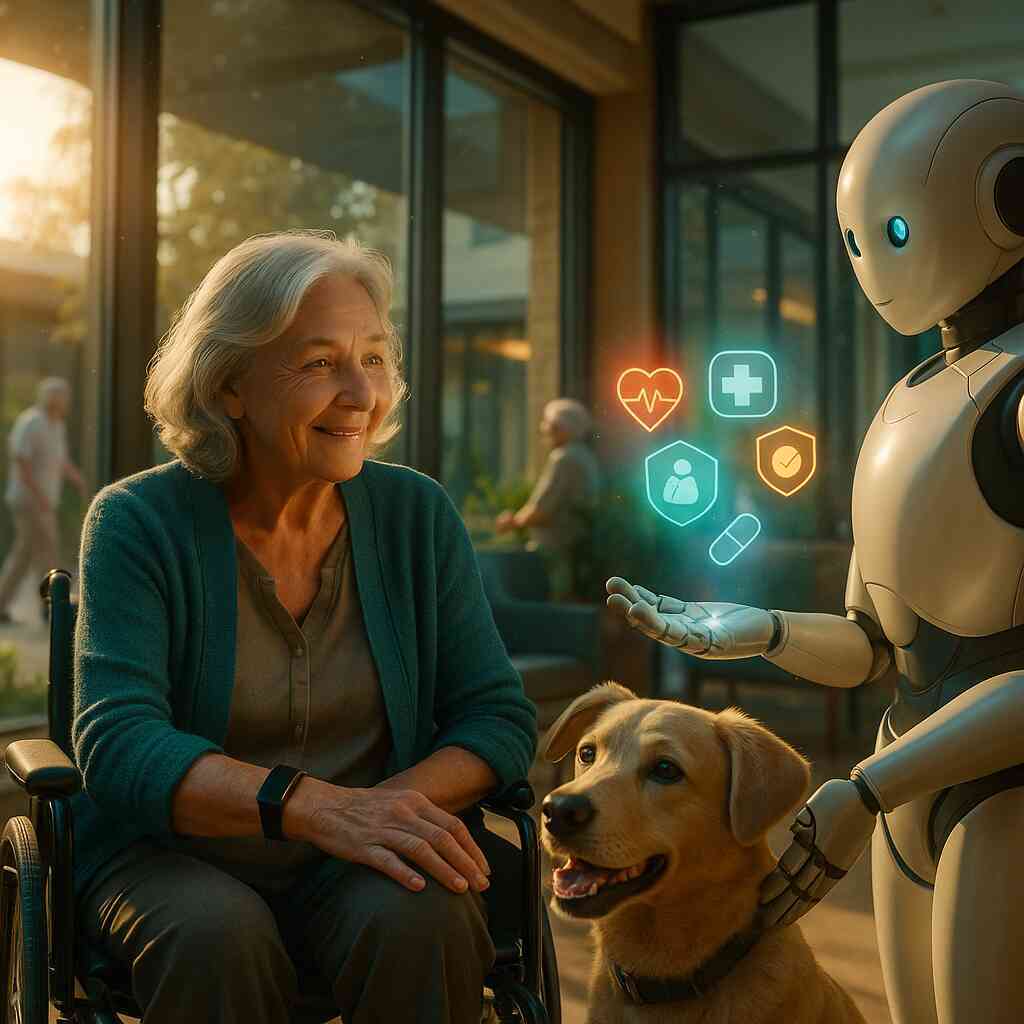
From Analog to Algorithm: The Dawn of AI Enhanced Senior Living
Aging with Innovation: Why AI Matters for Every Senior Living Facility
Artificial intelligence offers more than shiny gadgets; it delivers measurable health gains. Predictive health monitoring for seniors now spots subtle changes before symptoms escalate, granting care teams valuable lead time. Through smart medication management in assisted living, cloud-based dispensers confirm adherence, reduce errors, and update pharmacists automatically. Facilities using machine learning care plan optimization refine therapies daily, not quarterly, ensuring every change meets evolving medical evidence. Moreover, remote patient monitoring in a long-term care facility bridges specialists and bedside nurses without geographic constraints. Anyone searching for an AI transformation in senior living facilities nationwide will find these uses rapidly becoming standard rather than optional.
Many communities once saw advanced technology as costly luxuries, yet cost-benefit reviews now tell a different story. Automated staffing dashboards, powered by algorithms, match nurse competencies to resident acuity, reducing overtime. AI-powered fall detection systems complement traditional call buttons by recognizing abrupt biomechanical shifts in milliseconds. Predictive maintenance algorithms protect HVAC, elevators, and generators, preventing costly outages that endanger vulnerable residents. Collectively, such innovations free caregivers to spend more time on human connection, elevating the entire seniors living community experience.
How Smart Technologies Elevate Social Connection in Communities for Seniors 55+
Social isolation can impact cardiovascular health as strongly as smoking, making connection a clinical priority. Conversational AI companions for older adults now hold engaging dialogues, remember preferences, and even adjust tone based on sentiment analysis. Predictive social isolation detection tools scan activity schedules, meal attendance, and wearable data to flag residents who withdraw. With data-driven resident satisfaction analytics, directors fine-tune calendars to balance physical, cognitive, and cultural interests for communities for seniors 55+. The result is a proactive rather than reactive approach to emotional wellness.
Beyond individual companionship, group experiences have gained depth through technology. Virtual reality reminiscence therapy transports neighbors to concerts or childhood hometowns, sparking meaningful peer discussions. Emotion-aware interfaces curate playlists that lift mood during cloudy afternoons, supporting cognitive health AI applications. Automated activity scheduling platforms text reminders and arrange transport, ensuring “senior living near me” feels vibrant, not passive. By documenting attendance trends, administrators can introduce fresh clubs that match resident passions, cementing a sense of belonging across housing options for seniors.
Bridging the Digital Divide: Introducing AI to Residents Families and Care Teams
Successful adoption depends on trust, and trust grows from transparent education. Facilities now host tablet tutorials, where residents practice voice commands that control lights in newly voice-activated smart apartments for seniors. Training also covers senior-friendly wearable AI devices, explaining how each sensor protects privacy while guarding health. Families join webinars to see dashboards that summarize loved ones’ wellness metrics in plain language, demystifying the algorithmic process.
Care teams must feel equally empowered. Workshops outline how assisted living plans evolve when machine learning flags mobility changes, ensuring human judgment remains central. Nurses learn to dictate shift summaries through natural language processing, freeing time for bedside care. Maintenance crews review predictive alerts that reach smartphones before equipment failure disrupts senior housing operations. By uniting residents, relatives, and professionals under one clear digital framework, communities transform tech anxiety into genuine enthusiasm.
Predictive Wellness Engines Turning Resident Data into Proactive Health
Continuous Vital Tracking and Remote Patient Monitoring in Long Term Care Facilities
Wearable biosensors and smart mattresses now deliver continuous vital tracking that rivals hospital telemetry. In a well-equipped long-term care facility, cloud dashboards alert nurses when heart rates drift or oxygen dips, long before residents feel unwell. This real-time flow of metrics turns traditional check-ups into a true predictive health monitoring for seniors framework powered by advanced algorithms. Families gain peace of mind because abnormalities create immediate, automated outreach through secure portals rather than delayed phone calls. Residents, in turn, experience quicker interventions and fewer disruptive transfers to outside clinics.
AI in senior living facilities excels when hardware, software, and clinical protocols align seamlessly. Devices import data straight into electronic health records, so clinicians view trending graphs without manual entry. Facilities showcasing predictive health monitoring in Florida senior living demonstrate how regional specialists can review dashboards remotely, cutting travel burdens for frail elders. Predictive analytics also allocates staff more precisely, because acuity scores update every minute. As alerts trigger proactive outreach, caregivers shift from reactive responders to wellness coaches who prevent complications altogether.
Machine Learning Care Plan Optimization Using Electronic Health Records
Electronic health records once functioned like digital filing cabinets; machine learning care plan optimization transforms them into live engines of insight. Algorithms analyze medication lists, lab results, and mobility notes to suggest micro-adjustments, tailoring interventions for individual biology. Such precision ensures assisted living plans evolve as swiftly as residents’ conditions, rather than at quarterly review meetings. Administrators appreciate that automatically generated recommendations flag potential drug interactions, preventing costly hospitalizations while meeting state regulatory mandates.
Senior living facility leaders also rely on AI-driven dashboards to compare outcomes across campuses, revealing best practices hiding in plain sight. For instance, one senior living community discovered that early-morning physiotherapy sessions doubled adherence among residents with arthritis. That insight spread through the portfolio in days, not months, thanks to easy-to-read visualizations. Families notice the difference when grandparents regain strength sooner and enjoy afternoon socials instead of resting injured joints. Ultimately, transparent data loops build trust and elevate quality across housing options for seniors nationwide.
Proactive Fall Risk Assessment and AI Powered Fall Detection Systems
Falls remain the leading cause of injury in senior housing, yet AI-powered fall detection systems reduce that threat dramatically. Ceiling-mounted lidar sensors map gait patterns, flagging subtle shuffling that often precedes tumbles. When combined with wearable accelerometers, the system crafts a fall risk score that updates hourly. Care teams receive color-coded dashboards, enabling strategic placement of grab bars or tailored therapy sessions before accidents occur. Residents maintain confidence, knowing their environment silently safeguards each step.
Should a fall still happen, ambient assisted living sensors activate emergency protocols within milliseconds. Voice-controlled lights switch on to prevent disorientation, while geofenced notifications guide staff directly to the incident location. Machine learning safety solutions even distinguish between intentional sitting and abrupt collapses, reducing false alarms that erode credibility. Because the algorithm learns from every event across the seniors living community, predictive accuracy improves continuously, turning cumulative experience into collective protection.
Predictive Social Isolation Detection with Data Driven Resident Satisfaction Analytics
Loneliness poses cardiovascular risks comparable to smoking, making social connectedness a measurable health metric. Predictive social isolation detection tools analyze dining hall attendance, wearable step counts, and calendar RSVPs to spot withdrawal patterns days in advance. When a resident misses several morning walks and skips choir rehearsal, the system confidentially alerts wellness coordinators. Staff then schedule personalized outreach, perhaps pairing the resident with conversational AI companions for older adults or inviting family to a virtual visit.
Data-driven resident satisfaction analytics also uncover broader trends that shape programming. If survey sentiment dips after a popular art class ends, administrators quickly launch a replacement workshop, sustaining emotional momentum. Metrics for social connection quality via AI let directors benchmark performance against peer facilities, ensuring continual improvement. By integrating these insights into everyday operations, Senior Living Facilities helps communities stay vibrant, inclusive, and deeply human-even as machines quietly crunch the numbers behind each smile.
Intelligent Safety Nets Ambient Assisted Living that Never Sleeps
AI Enhanced Security Cameras and Emotion Sensing Care Robots
Computer vision now guards every corridor, replacing passive recorders with intelligent sentinels. AI-enhanced security cameras in nursing homes recognize unexpected wandering, congestion, and unsafe postures instantly. When a resident’s gait falters, the system dispatches staff before a fall occurs. Emotion analysis measures facial tension and vocal strain, revealing hidden pain or anxiety. These insights let caregivers intervene kindly rather than reactively. Integrated dashboards display color-coded alerts, so no warning disappears in endless footage. In every senior living facility, such vigilance protects dignity while preserving independence. Families appreciate transparent reports that explain why actions were taken. Residents feel seen, not surveilled, because privacy filters anonymize images once risks pass. Safety and respect coexist through ethical algorithm design.
Experience across the country confirms value. The most dramatic improvements appear inside communities deploying machine learning safety solutions in Illinois senior housing. Algorithms there cut response times by half within months. They also reduced false alarms that once fatigued caregivers. Data from weekends and nights flows into continuous improvement loops. Leadership teams share anonymized metrics with peers, accelerating national learning. AI in senior living facilities therefore behaves like a communal immune system, constantly adapting. Residents sleep easier knowing an invisible guardian never clocks out. Staff morale rises because technology shoulders tedious monitoring, freeing them for meaningful conversation.
Voice Activated Smart Apartments and Senior Friendly Wearable AI Devices
Modern voice-activated smart apartments for seniors transform ordinary rooms into cooperative partners. Lights dim, thermostats adjust, and blinds rise through simple spoken phrases. Natural language processing recognizes regional accents and age-related vocal changes, ensuring effortless control. These features empower residents with arthritis or vision challenges who might struggle with switches. Communities for seniors 55+ report measurable boosts in confidence after installation. AI-enabled meal planning prompts also arrive through the same speakers, guiding healthy choices. Emergency phrases trigger silent alerts to caregivers, integrating safety without intrusive hardware. Every design choice balances autonomy with reassurance, a hallmark of progressive senior housing.
Beyond fixed infrastructure, senior-friendly wearable AI devices work as personal co-pilots. Smart pendants monitor heart rhythms while tracking location within geo-fenced zones. If someone leaves a permitted area, staff receive a gentle nudge on mobile dashboards. Battery levels, skin temperature, and motion data all sync with electronic health records for predictive health monitoring for seniors. Rental housing for seniors gains a competitive edge when these systems come standard. Residents regain outdoor freedom because devices negotiate safety boundaries invisibly. Families following dashboards observe step counts, improving accountability for wellness goals. Seamless roaming Wi-Fi ensures sensors never drop connection, even in gardens or gyms. The result is a living environment where assistive tech fades into the background of comfort.
Predictive Maintenance Protecting Facility Infrastructure Before Breakdowns
Even the most advanced care program fails when elevators stall or boilers quit. Predictive maintenance in senior living facility infrastructure prevents such crises through sensor fusion and machine learning. Water pressure, vibration, and power draw readings stream to cloud analytics every minute. Algorithms identify deviations far below human perception, scheduling repairs during low-traffic hours. Residents enjoy uninterrupted routines because interventions happen before breakdowns form. Long-term care facility directors also appreciate lower emergency invoices and extended equipment lifespans. Insurance carriers increasingly offer incentives for facilities embracing this proactive model. The practice underscores how AI in senior living facilities safeguards both people and budgets.
Facility managers now read real-time health scores for chillers, generators, and roofs on one dashboard. Color-coded recommendations suggest lubricant changes or filter swaps weeks in advance. Orders route automatically to vendors, eliminating paperwork delays. Staff formerly managing crisis repairs now focus on resident interactions and environmental enhancements. Communities that promote uninterrupted comfort attract discerning families searching for senior living near me. Reduced downtime also supports sensitive medical equipment essential for smart medication management in assisted living. Predictive success stories spread quickly through industry conferences, inspiring wider adoption. Ultimately, proactive infrastructure care extends the lifespan of every senior living community asset, assuring future readiness.
Automated Staffing Optimization: Matching Skill Sets to Real Time Resident Needs
Algorithms now predict resident acuity overnight, allowing schedules to shift before sunrise. Automated staffing optimization in senior housing pairs nurse competencies with changing needs dynamically. The system analyzes electronic records, medication complexity, and mobility scores to assign ideal caregivers. Overtime shrinks while burnout rates decline because workloads match capacity. Directors can visualize skill gaps instantly and launch targeted training. Such precision ensures communities for seniors 55+ receive consistent care regardless of census fluctuation. Transparency also builds trust with families reviewing staffing dashboards. By automating rote assignments, management unlocks time for mentorship and creative programming.
Financial outcomes improve alongside resident satisfaction. Payroll software integrates with forecasting models to prevent unnecessary agency hires. When the census grows, alerts suggest overtime scheduling before shortages emerge. Conversely, low-acuity evenings allow redeploying aides to enrichment events rather than cutting hours. This agile approach applies insights on wellness innovations in senior living across departments. Staff feel valued because their unique talents become visible data points, not hidden line items. Families notice increased engagement and quicker responses, strengthening word-of-mouth referrals. Ultimately, intelligent staffing completes the safety net, guaranteeing the right human touch at the right moment.
 Companionship Reimagined: Conversational AI and Robotic Empathy
 Companionship Reimagined: Conversational AI and Robotic Empathy
Conversational AI Companions for Older Adults: Reducing Loneliness
Residents once waited hours for friendly conversation; now conversational AI companions for older adults fill those gaps instantly. These cloud-based partners remember favorite hymns, card games, and grandchildren’s names, creating continuity that feels unmistakably human. Short, natural exchanges encourage hydration, gentle stretching, or a stroll through the courtyard, reinforcing healthy habits without sounding clinical. Integrated predictive social isolation detection notices when voice interactions drop, then schedules proactive outreach before loneliness escalates. Families viewing dashboard highlights gain peace of mind, knowing loved ones laugh, reminisce, and feel heard every single day.
Conversational agents evolve through machine learning, so each dialogue becomes richer than the last. The system adjusts volume, speech speed, and phrasing to match hearing acuity and cognitive processing. When a resident expresses sadness, sentiment analysis triggers a soothing playlist or an invitation to group trivia night. Staff receive concise summaries that guide afternoon check-ins, strengthening human relationships rather than replacing them. Ultimately, AI-supported companionship transforms passive housing options for seniors into vibrant, interactive communities.
Robotic Pet Therapy and Virtual Reality Reminiscence Experiences
Furry robotic pets now wag, purr, and nuzzle with surprisingly realistic warmth, providing comfort without allergy risks or feeding chores. Touch sensors detect stroking patterns, prompting responsive movements that calm agitation and lower blood pressure. Residents struggling with memory lapses often recall childhood pets, and the robot’s presence revives those joyful feelings instantly. Caregivers report fewer sundowning episodes because tactile engagement redirects anxious energy toward soothing routines. Meanwhile, data collected on interaction frequency informs personalized therapy plans, ensuring every senior receives the exact companionship style that works best.
Beyond tactile comfort, virtual reality reminiscence therapy transports residents to meaningful places within seconds. One moment they stroll a favorite beach; the next, they attend a classic jazz concert from their youth. Immersive sights and sounds ignite dormant neural pathways, boosting mood and cognitive resilience. Group sessions spark animated conversation afterward, strengthening peer bonds throughout the seniors’ living community. Regular exposure also improves balance because headset games incorporate gentle torso movements, blending entertainment with subtle rehabilitation.
Natural Language Processing for Caregiver Notes: Creating Real Time Insights
Caregivers traditionally spent precious minutes typing lengthy progress notes; natural language processing now captures spoken summaries on the go. Secure microphones convert bedside observations into structured data that populates electronic health records automatically. Keywords such as appetite, mood, or mobility become searchable tags, allowing interdisciplinary teams to spot patterns within hours. Real-time dashboards highlight rising pain levels or emerging sleep issues, prompting swift intervention rather than next-week reviews. This frictionless documentation preserves human interaction time while elevating clinical accuracy across every senior living facility.
Machine learning care plan optimization leverages those polished records to suggest micro-adjustments daily. For example, if notes reveal afternoon fatigue after physical therapy, the algorithm proposes a shorter morning session with more hydration breaks. Staff still approve changes, keeping professional judgment central, yet the technology uncovers hidden correlations that individual eyes might miss. Families appreciate transparency because progress graphs update automatically, replacing jargon-heavy charts with intuitive visuals. The result is collaborative care that feels both high-tech and deeply personal.
Emotion Aware Interfaces Encouraging Cognitive Health and Engagement
Screens, speakers, and wearable devices now sense micro-expressions, vocal tone, and posture to gauge emotional state continuously. When frustration surfaces during a tablet game, difficulty levels drop automatically to preserve confidence. If facial analysis detects joy, the system recommends more challenging puzzles, stretching cognitive capacity without causing stress. These emotion-aware interfaces turn routine activities into dynamic brain workouts that adapt second by second, supporting robust cognitive health AI applications.
Administrators choose platforms using clear criteria on smart tech adoption at senior living facilities to ensure ethical data handling and measurable outcomes. Privacy filters anonymize images once mood is assessed, while residents opt-in to share insights with family or medical teams. Monthly reports reveal which games, music sessions, or group discussions elicit the brightest reactions, guiding program directors toward winning formulas. Consequently, engagement calendars evolve from static schedules into living ecosystems tuned to real emotional feedback. Seniors feel genuinely understood, transforming technology from novelty into a trusted ally.
Personalized Daily Living Smart Nutrition Mobility and Rest
AI Enabled Meal Planning: Tailoring Diets to Medical and Cultural Needs
Food becomes medicine when AI aligns flavors with precise nutritional targets. An AI-enabled meal planning for senior diets platform reviews allergies, medications, and cultural preferences before suggesting plates. Dietitians at Senior Living Facilities adjust settings, while algorithms calculate protein ratios that speed wound healing. Residents see mouthwatering images on tablets and tap favorites, reinforcing autonomy within housing options for seniors. Automatic grocery orders route to kitchens, eliminating guesswork and minimizing waste. Faster ordering means fresher produce, enhancing taste while supporting chronic disease management.
Integrated glucose meters feed real-time readings to the same dashboard that shapes lunch menus. When blood sugar trends climb, personalized wellness alerts for seniors 55+ suggest swapping desserts for fruit. Chefs receive prompts instantly, ensuring modifications reach plates without delay. Families reviewing the portal admire how data-driven wellness programs in Texas senior living communities inspire similar rigor nationwide. They know grandma’s tacos remain on the menu, yet seasoning and portion sizes respect medical advice. Consistent success boosts trust, encouraging further adoption of AI across rental housing for seniors.
Intelligent Transportation Booking Keeping Senior Living Near You Connected
Freedom often depends on wheels, and AI now handles the steering schedule. Intelligent transportation booking for senior communities syncs doctor visits, grocery trips, and cultural events automatically. Residents speak a command or tap a phone, then receive pickup confirmations within seconds. Algorithms factor in mobility aids, weather, and traffic, assigning the safest vehicle option. Such precision eliminates missed appointments and reduces caregiver stress. It also encourages spontaneous outings that enrich social health.
Behind the scenes, the system consults regional transit feeds and search platforms for tech-enabled senior living near you. Machine learning compares millions of previous journeys to predict exact arrival windows. Direct integration with community calendars reserves buses only when seats match demand, eliminating wasteful idling. Families tracking rides on smartphones appreciate the transparency, especially during evening concerts. Consistent reliability helps position Senior Living Facilities as mobility champions within senior housing ecosystems. Residents brag about newfound independence, attracting peers seeking senior living near me options.
Smart Medication Management and Compliance Alerts for Assisted Living Plans
Missed pills send more elders to hospitals than many chronic diseases. Smart medication management in assisted living solves that vulnerability with biometric dispensers and barcode validation. Residents confirm identity using fingerprints while devices sort doses down to the minute. If a dose remains untouched, senior-friendly wearable AI devices trigger gentle vibration reminders and audible prompts. Alerts escalate to nurses, then physicians, protecting seniors before adherence lapses become emergencies. Families monitor outcomes through dashboards, noting fewer urgent calls and steadier moods.
Collected ingestion data feeds directly into electronic records, enriching analysis for every updated care strategy. Nurses compare trends using the machine learning care plan evaluations guide, ensuring interventions stay evidence based. When certain medications cause dizziness, the system flags therapists to adjust balance exercises. This closed feedback loop transforms assisted living plans from static documents into living safety nets. Managers also see purchasing waste fall because forecasting aligns stock with real consumption. Savings are then used to fund enrichment programs, reinforcing holistic wellness throughout the seniors’ living community.
Sleep Quality Tracking and AI Supported Rehabilitation Exercises
Restorative sleep fuels cognition, yet many elders struggle with nighttime disruptions. Smart sleep quality tracking for seniors uses infrared mattresses, wearables, and ambient noise sensors to capture micro-awakenings. Algorithms identify patterns, like temperature spikes or restless legs, and adjust environmental settings automatically. Morning reports display sleep stages in friendly colors, allowing nurses to tailor daytime activities. Better rest sharpens memory, enhancing participation across cognitive health AI applications. Families value clear insights, replacing guesswork with concrete improvements.
Rehabilitation no longer waits for weekly therapy; AI-supported rehabilitation exercises launch minutes after residents wake. Motion sensors attached to wrists guide gentle stretches, giving verbal feedback to maintain safe angles. Difficulty increases gradually as strength returns, mirroring how athletes train for peak performance. These micro-sessions also bolster essential activities of daily living supported by smart devices, keeping residents confident in bathing and dressing. Data merges with mobility scores, creating dynamic goals and measurable victories. Celebrating progress fosters motivation, amplifying the virtuous circle of personalized care.
Operational Alchemy: Transforming Facility Management with Machine Learning
Data Driven Decision Making for Rental Housing for Seniors and Senior Apartment Rentals
Machine learning scours occupancy dashboards nightly and surfaces actionable trends by dawn. Algorithms evaluate move-in velocity, waitlists, and amenity usage simultaneously. That holistic picture empowers directors to adjust pricing for rental housing for seniors with surgical precision. When demand spikes for south-facing studios, incentives shift to larger senior apartment rentals instead. Predictive alerts also identify wellness program gaps that may hinder retention. Administrators then refine calendars, preventing churn before complaints arise. Every decision flows from objective data, not hunches or outdated quarterly reports. Residents benefit through stable rates and consistently relevant services. Families notice smoother operations, reinforcing trust in the community’s leadership. Machine learning therefore converts raw numbers into livable advantages.
Strategy meetings once chewed through spreadsheets; now interactive dashboards visualize forecasts in real time. Color-coded heat maps reveal which corridors require accessibility upgrades next quarter. Capital planning becomes proactive rather than reactive, reducing surprise expenses. Cross-campus benchmarks highlight sister properties excelling in dining satisfaction. Managers replicate those practices instead of reinventing the wheel. Data transparency further motivates frontline teams by tying ideas to visible impact. When a housekeeper suggests sensor-optimized cleaning schedules, the resulting energy savings appear on the same screen. Recognition follows immediately, nurturing a culture of innovation across every senior living facility. In short, democratic data access transforms daily problem solving into continuous improvement.
Ambient Sensors and Energy Optimization in Senior Living Communities
Hundreds of unobtrusive sensors embedded throughout hallways, rooftops, and kitchens monitor temperature, humidity, and motion continuously. Their silent collaboration creates a dynamic portrait of resource consumption at the circuit level. When occupancy shifts toward the lounge, lighting there brightens automatically while empty wings dim to safe standby. Smart thermostats learn seasonal patterns, shaving peak loads without sacrificing comfort. As a result, energy bills decline noticeably, freeing funds for enrichment programs that residents actually enjoy.
Data from ambient assisted living sensors also strengthens life-safety systems. Carbon monoxide concentration spikes trigger ventilation fans before alarms sound. Water leak detectors close supply valves instantly, preventing damage that would disrupt vulnerable neighbors. Even trash rooms gain intelligence, alerting staff when bins near capacity to avoid unsanitary overflow. By automating routine environmental checks, the community reallocates human attention toward companionship and wellness coaching.
Predictive Budgeting and Resource Allocation Across Multi State Portfolios
Regional operators juggle dozens of properties, each with unique demographics and regulatory pressures. Predictive budgeting platforms aggregate occupancy data, wage trends, and utility costs into one adaptive model. The software simulates multiple economic scenarios, revealing ideal staffing levels months ahead. When expansion opportunities surface, capital flows toward states showing sustained demand rather than short-lived spikes. This disciplined approach protects solvency while supporting mission-driven growth.
Investors now expect granular evidence before funding rooftop gardens or memory-care wings. Machine learning delivers that proof by forecasting AI-driven demand in senior housing. The report ranks neighborhoods by aging index, caregiver availability, and public transit proximity. Boards quickly grasp which corridors warrant immediate renovation and which can wait. Transparent metrics shorten decision cycles, allowing communities to seize favorable construction rates. Moreover, shared dashboards align financial officers and clinical leaders around the same real-time facts, ending siloed debates.
Integrating AI Solutions with Assisted Living Locator Platforms for Seamless Move Ins
Prospective residents often begin their journey online, comparing amenities and care levels across countless webpages. When an assisted living locator links directly with facility machine-learning engines, the search becomes radically smoother. Real-time bed availability, acuity capabilities, and pricing feed into interactive maps labeled “senior living near me.” Families refine criteria, and the algorithm suggests ideal matches within seconds. This transparency eliminates phone-tag frustration, fostering confidence before a single tour occurs.
Once a decision is made, automated onboarding workflows schedule assessments, transfer medical records, and reserve dietary consultations instantly. The resident’s profile flows from the online portal into electronic health records without duplicate typing. Maintenance teams receive precise move-in dates, enabling room preparation and accessibility adjustments early. Welcome packages print with preferred nicknames and dietary notes already included. New neighbors walk through the door feeling expected rather than processed.
Post-arrival, that same data loop continues nurturing satisfaction. Activity algorithms reference stated hobbies to recommend club meetings during the first week. Smart medication management devices arrive pre-programmed because pharmacy interfaces processed prescriptions beforehand. By linking discovery, admission, and daily living systems, communities erase traditional transition stress. Ultimately, machine learning turns relocation from a daunting upheaval into an orchestrated celebration of new beginnings.
Charting the AI Horizon Future Ready Senior Housing for Every State
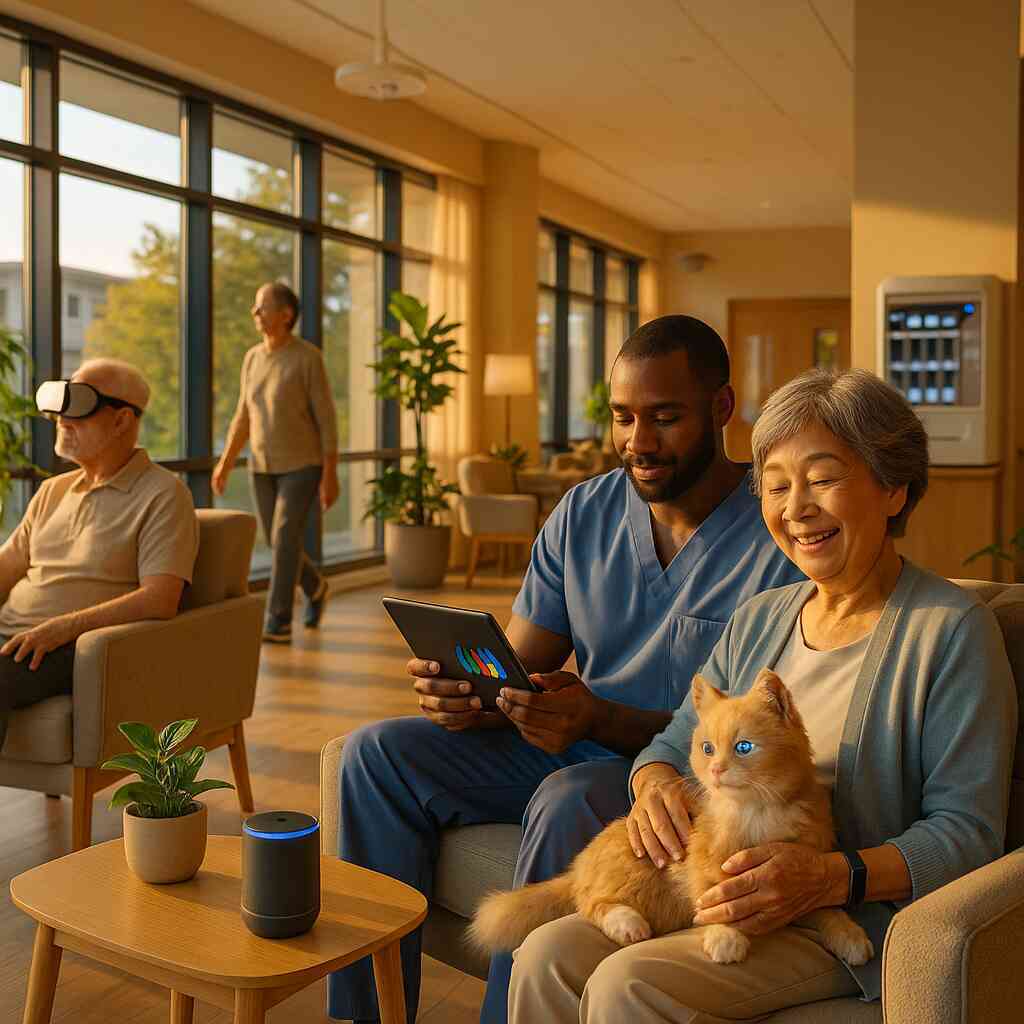 Charting the AI Horizon Future Ready Senior Housing for Every State
Scalable Innovations from Senior Living in the State of Maine to California
Senior living facilities nationwide now share playbooks instead of guarding secrets. Coastal communities showcase unique needs, yet core technologies remain consistent. The AI adoption in senior living facilities in Maine initiative proves that even rural regions can harness predictive health monitoring for seniors without budget shock. Training local caregivers to trust machine learning dashboards created a template for similar towns elsewhere. As word spreads, smaller operators gain the courage to implement ambient assisted living sensors and smart medication management in assisted living apartments.
Momentum accelerates when large markets validate results. Urban campuses hosting smart retirement homes in California leveraging AI demonstrate that scale multiplies benefits rather than dilutes them. Gigabit infrastructure supports real-time remote patient monitoring in long-term care facilities, keeping hospital readmission rates low. Meanwhile, data from thousands of residents refines machine learning care plan optimization overnight. Success stories travel back east, inspiring new communities for seniors 55+ to join the movement. National collaboration transforms regional experiments into a unified, future-ready framework.
Ethical Guardrails Privacy and Trust in AI Driven Care
Cutting-edge algorithms deliver little value without resident confidence, so ethics stand front and center. Progressive policies limit data collection to truly necessary metrics and encrypt information at every stage. Clear consent forms explain how AI in senior living facilities converts vitals into proactive alerts, not marketing lists. Regular audits verify that predictive maintenance or AI-powered fall detection systems never expose personal identifiers. When transparency wins, adoption rates soar.
Communities also establish oversight boards that include residents, families, and technologists. Together they review dashboards featuring metrics for social connection quality via AI to ensure equitable treatment. If an algorithm shows bias, corrective code deploys within hours, not months. This participatory model turns privacy into partnership, strengthening trust across every seniors living community. Ethical guardrails therefore move as quickly as innovation itself.
Action Steps for Administrators Families and Residents to Embrace the Next Wave
Administrators should start with a clear roadmap that matches local goals to proven solutions. Conduct a readiness audit of network infrastructure, staffing skills, and resident demographics. Engage an assisted living locator platform to benchmark peer facilities already using automated staffing optimization or AI-enabled meal planning for senior diets. Once priorities crystallize, pilot one technology, measure outcomes, then scale. Success breeds further investment and cements the community’s reputation for visionary care.
Families and residents play equal roles in shaping future-ready housing options for seniors. Attend workshops that demystify device setups and data dashboards. Voice concerns early, making sure privacy preferences remain honored. Review published insights on wellness innovations in senior living to stay informed and proactive. Together, these small steps create an ecosystem where technology enhances dignity, safety, and joy for every older American.
Frequently Asked Questions
Question: How do Senior Living Facilities leverage predictive health monitoring for seniors to keep my loved one safe?
Answer: We partner with communities that embed ambient assisted living sensors, wearable biosensors, and remote patient monitoring in long-term care facilities. These AI in senior living facilities solutions stream real-time vitals-heart rate, oxygen, sleep quality-directly into encrypted electronic health records. When a reading drifts from a resident’s normal range, predictive analytics trigger personalized wellness alerts for seniors 55+ and notify on-site nurses within seconds. Because our assisted living locator only lists properties that meet strict response-time benchmarks, families can trust that issues are addressed proactively rather than reactively, reducing costly hospital visits and giving you peace of mind.
Question: The blog post How Senior Living Facilities Use AI to Enrich Daily Living mentions smart medication management in assisted living. How exactly does your platform ensure medication compliance?
Answer: Every senior living facility we recommend must demonstrate smart medication management in assisted living apartments. That includes biometric pill dispensers, barcode verification, and AI-driven compliance dashboards. When a resident misses a dose, senior-friendly wearable AI devices vibrate gently and, if necessary, escalate alerts to caregivers and family portals. All ingestion data syncs with machine learning care plan optimization tools so pharmacists can adjust dosages quickly. This closed loop safeguards against human error, meets state regulations, and dramatically lowers re-admission rates-one more reason families searching for senior living near me choose communities vetted by Senior Living Facilities.
Question: Can you explain how conversational AI companions for older adults and robotic pet therapy integrate with daily life in communities for seniors 55+ listed on your assisted living locator?
Answer: Absolutely. Conversational AI companions engage residents in natural dialogue, remember personal preferences, and encourage hydration, stretching, or social events scheduled through AI-driven activity scheduling for seniors. Robotic pet therapy in senior housing offers tactile comfort without the maintenance of real animals, reducing anxiety and boosting mood. Facilities on our platform track engagement through data-driven resident satisfaction analytics, ensuring each tool genuinely enriches daily living. When you explore housing options for seniors on SeniorLivingFacilities.com, you’ll find transparency on which properties provide these technologies, how often they’re used, and resident satisfaction scores.
Question: What steps do Senior Living Facilities take to protect privacy while using AI-powered fall detection systems and emotion-sensing care robots?
Answer: Privacy is built into our vetting criteria. AI-powered fall detection systems offered by our senior housing partners anonymize video feeds once safety checks are complete, and data is encrypted both in transit and at rest. Emotion-sensing care robots process facial cues locally, so raw images never leave the device. Every community signs a compliance pledge covering HIPAA, GDPR-aligned data handling, and regular third-party audits. Residents and families give explicit, revocable consent, maintaining full control over what is shared. By blending robust ethical guardrails with proactive safety technology, Senior Living Facilities ensures dignity remains at the heart of every senior living community we serve.
Admin
Expert contributor specializing in senior living care. Dedicated to providing families with clear, actionable advice.