How Technology Improves Safety in Senior Living 2026
The Dawn of Proactive Protection: How Technology Transforms Senior Living Safety
The landscape of senior care has undergone a profound transformation, shifting from purely reactive responses toward a model of anticipatory protection. Families searching for appropriate senior living facilities now expect more than just comfortable accommodations; they demand intelligent systems that actively safeguard their loved ones. This evolution represents a fundamental rethinking of what safety means within a senior living community. Instead of waiting for an incident to occur, modern technology creates an environment where potential risks are identified and mitigated long before they escalate into emergencies. The integration of these advanced tools allows caregivers to focus on genuine human connection rather than constant surveillance. Consequently, residents experience greater independence without compromising their security. This proactive approach resonates deeply with families exploring senior living near me options, as they seek reassurance that their loved ones will thrive in a protected setting. The paradigm shift places prevention at the center of every safety strategy, fundamentally redefining the standard of care across the industry.
From Reactive to Predictive: The Paradigm Shift in Senior Care
Traditional senior care models often relied on incident reporting and post-event analysis to improve safety protocols. Care teams would respond to falls, medical emergencies, or wandering episodes only after they had already occurred. This reactive stance frequently left families feeling anxious about the well-being of their relatives. Predictive technology changes this dynamic entirely by analyzing patterns and identifying risk factors before they materialize into harm. Advanced algorithms now process data from various sensors to forecast potential health declines or environmental hazards. This allows staff at any senior living facility to intervene early, adjusting care plans proactively. Families benefit from peace of mind knowing that their loved ones live within a system capable of anticipating needs. The shift from reactive to predictive care represents one of the most significant developments in rental housing for seniors today. Communities embracing this approach demonstrate a commitment to excellence that distinguishes them from older, less technologically integrated models. Residents themselves often report feeling safer and more valued when they understand that their environment actively works to protect them. The evidence supporting this transition continues to grow, compelling more providers to adopt predictive analytics as a standard component of their operations.
Integrating Smart Fall Detection Systems with Daily Life
Falls remain one of the most significant threats to senior health, often leading to devastating injuries and loss of independence. Smart fall detection systems have evolved far beyond basic alert buttons that require manual activation. Modern systems use sophisticated sensors, cameras, and wearable devices that automatically detect a fall and initiate an emergency response. These innovations operate seamlessly in the background, allowing residents to move freely without wearing obtrusive equipment. Many assisted living locations now integrate these systems directly into their infrastructure, covering private apartments and common areas alike. The technology distinguishes between everyday movements and genuine falls, reducing false alarms that could desensitize care teams. When a fall does occur, the system instantly notifies staff members, providing precise location data for rapid response. This integration respects resident privacy while maintaining constant vigilance. Families exploring senior living near you options often rank fall detection capabilities among their highest priorities. The data gathered from these systems also helps care teams identify high-risk individuals and implement targeted prevention strategies. By weaving safety into the fabric of daily life, these technologies empower seniors to maintain active lifestyles without constant worry.
Wearable Emergency Alert Devices: Beyond the Panic Button
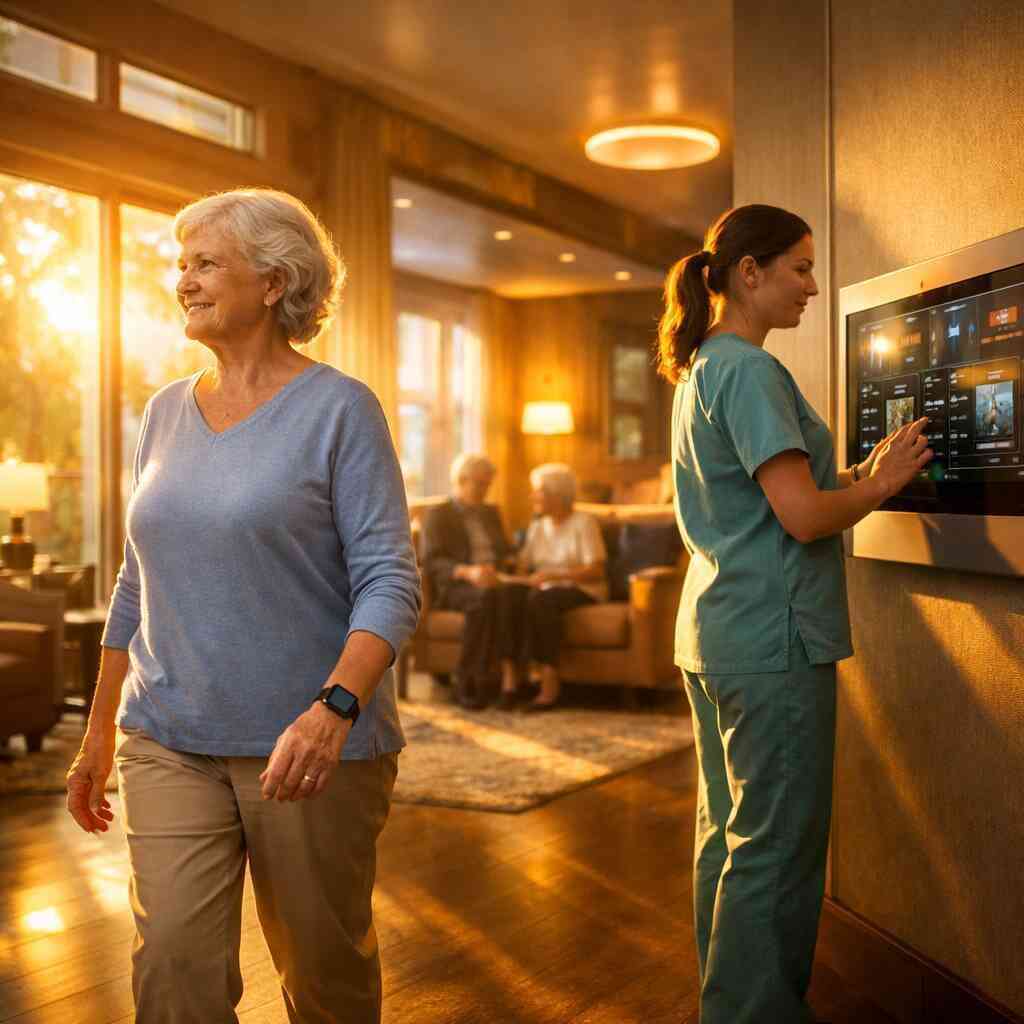
The classic panic button pendant has given way to sophisticated wearable devices that offer far greater functionality and comfort. Modern wearables resemble stylish watches or discreet pendants equipped with GPS tracking, heart rate monitoring, and two-way communication capabilities. These devices automatically detect medical emergencies, such as cardiac events or sudden immobility, and alert care teams without requiring the resident to press a button. This advancement proves especially valuable for residents who might lose consciousness or become disoriented during an emergency. Many senior living in various communities now provide these devices as standard equipment for all residents. The wearables also support voice-activated calling, allowing seniors to speak directly with caregivers or family members at the touch of a button. Battery life has improved dramatically, with many devices lasting several weeks between charges. Families appreciate the ability to locate their loved ones through GPS features, particularly in larger communities for seniors 55+. These devices bridge the gap between independence and security, giving residents confidence to explore their surroundings. The technology continues to shrink in size while expanding in capability, making adoption increasingly seamless for seniors of all comfort levels with technology.
AI-Powered Monitoring in Senior Communities: The Silent Guardian
Artificial intelligence has emerged as a silent guardian within modern senior communities, analyzing vast amounts of data to detect subtle changes in resident well-being. AI systems monitor movement patterns, sleep quality, medication adherence, and social engagement without intrusive cameras or constant human observation. When the system detects deviations from established baselines, it alerts care teams to investigate potential issues. This technology excels at identifying early warning signs of urinary tract infections, dehydration, or cognitive decline that human observers might miss. Many assisted living plans now incorporate AI monitoring as a standard feature rather than a premium upgrade. The algorithms learn each resident’s unique patterns, becoming more accurate over time in distinguishing normal variations from concerning trends. Families exploring senior living in the state of their choice often inquire about AI capabilities during tours. Residents appreciate that the technology operates subtly, preserving their dignity while maintaining safety. Care teams can focus their attention where it matters most, rather than conducting routine checks that disrupt resident routines. The data collected also informs broader community decisions about programming, staffing levels, and facility improvements. This silent vigilance represents the future of senior care, where technology works tirelessly to protect without becoming an intrusive presence.
Architecting a Safer Environment: Smart Home Innovations for Senior Living Facilities
The physical environment plays a critical role in senior safety, and smart home technology has revolutionized how senior living facilities design their spaces. Every element of the built environment now has the potential to contribute actively to resident protection. Smart sensors, automated systems, and intelligent materials work together to create spaces that anticipate and prevent hazards. These innovations transform ordinary apartments into responsive environments that adapt to resident needs throughout the day. Families touring communities for seniors 55+ increasingly expect to see these technologies integrated into standard offerings. The most forward-thinking providers view smart home features not as luxuries but as essential components of quality care. These systems also generate valuable data that helps care teams understand how residents interact with their spaces. The result is a living environment that feels intuitive and supportive, reducing stress for both residents and their families. Smart home technology continues to advance rapidly, with new applications emerging regularly to address specific safety concerns. Communities that invest in these innovations position themselves as leaders in senior care excellence.
Smart Home Safety for Elderly: Automated Lighting and Night Safety
Nighttime presents unique safety challenges for seniors, with darkness significantly increasing fall risk and disorientation. Automated lighting systems address this danger by illuminating pathways when residents rise from bed or enter a room. Motion sensors trigger gentle lights that guide the way to bathrooms or kitchens without harsh brightness that disrupts sleep. These systems can be programmed to follow individual resident schedules, ensuring lights are available exactly when needed. Many senior living facilities in Florida have adopted these systems to combat the unique challenges of nighttime safety. The technology also includes gradual sunrise simulations that help residents wake naturally and safely. Smart bulbs can change color temperature throughout the day to support circadian rhythms and improve sleep quality. Residents with memory impairments benefit from lights that guide them toward the bathroom during nighttime confusion. Families exploring senior living near me options consistently rank this feature among their most desired amenities. The systems can be controlled through voice commands or simple wall panels, accommodating various comfort levels with technology. Automated lighting transforms the home environment from a passive structure into an active safety partner.
Smart Flooring for Fall Detection: The Unseen Safety Net
Beneath the surface of modern senior living communities lies an invisible safety innovation that is transforming fall response. Smart flooring systems embed sensors directly into the flooring material, detecting pressure changes, vibrations, and impact patterns. When a fall occurs, the floor itself alerts care teams to the exact location without requiring any resident action. This technology eliminates the need for wearable devices that some residents might forget or refuse to wear. Fall prevention strategies with technology in residential care now include these flooring systems as a foundational element. The sensors can also detect changes in gait patterns that indicate increasing fall risk over time. Care teams receive early warnings about residents whose walking patterns suggest impending stability issues. The flooring operates continuously without batteries or charging requirements, providing uninterrupted protection. Families touring senior living facilities in Texas often express amazement at this hidden safety layer. The technology integrates seamlessly with other smart systems to provide comprehensive coverage. Residents appreciate that the safety net remains completely invisible, allowing them to live naturally without constant reminders of their vulnerability.
Water Leak Detection for Seniors: Preventing Hazards Before They Escalate
Water damage represents a significant yet often overlooked safety hazard in senior living environments. Leaks can create slippery floors, promote mold growth, and damage essential medical equipment within minutes. Smart water leak detection systems monitor moisture levels throughout each apartment and common area, providing instant alerts when problems arise. These systems automatically shut off water supply valves when leaks are detected, preventing catastrophic flooding. For seniors living with housing options for seniors that include private apartments, this technology protects both the resident and the community infrastructure. The sensors can detect even tiny drips that might go unnoticed by human observation, catching problems before they worsen. Care teams receive notifications directly to their mobile devices, enabling rapid response regardless of their location. Residents with dementia may not recognize or report water issues, making automated detection especially critical. The systems also monitor humidity levels, preventing conditions that encourage respiratory problems. Families exploring senior living near options should inquire about water detection capabilities during their search. This technology preserves resident health while protecting valuable personal belongings from water damage.
Temperature Regulation for Fall Risk: Climate Control as a Safety Tool
Extreme temperatures pose serious health risks for seniors, whose bodies regulate temperature less efficiently with age. Smart thermostats and climate control systems now actively monitor and maintain optimal temperatures throughout senior living communities. These systems can detect when a room becomes dangerously hot or cold and automatically adjust conditions to protect residents. Temperature regulation for fall risk has emerged as a specific application, as both overheating and extreme cold can impair balance and cognitive function. The systems also alert care teams when a resident’s apartment deviates from safe temperature ranges. This proves particularly valuable for residents with memory impairments who might forget to adjust their thermostats. Many communities integrate climate monitoring with their broader safety platforms, creating a comprehensive protection network. Families searching for senior living facilities in California appreciate that these systems account for regional climate variations. The technology also supports energy efficiency, reducing operational costs that can be redirected toward resident care. Smart climate control represents another layer of protective technology that operates silently in the background. Residents enjoy optimal comfort while remaining protected from temperature-related health emergencies.
Navigating Cognitive Challenges: Technology for Memory Care and Wandering Prevention
Memory care presents unique safety challenges that require specialized technological solutions. For seniors living with dementia or Alzheimer’s disease, the risk of wandering creates constant anxiety for families and caregivers. Modern technology addresses these concerns while preserving resident dignity and autonomy as much as possible. The goal is not to imprison residents but to create safe boundaries within which they can explore freely. GPS tracking for dementia care in assisted living has evolved to provide both security and freedom. Sensor networks, automated alerts, and intelligent monitoring work together to prevent dangerous situations. These technologies respect the complex needs of memory care residents while providing families with desperately needed peace of mind. The best solutions balance safety with quality of life, avoiding overly restrictive measures that diminish resident well-being. Communities specializing in memory care continue to adopt increasingly sophisticated technologies to support their residents. The field advances rapidly, with new innovations emerging to address specific cognitive challenges.
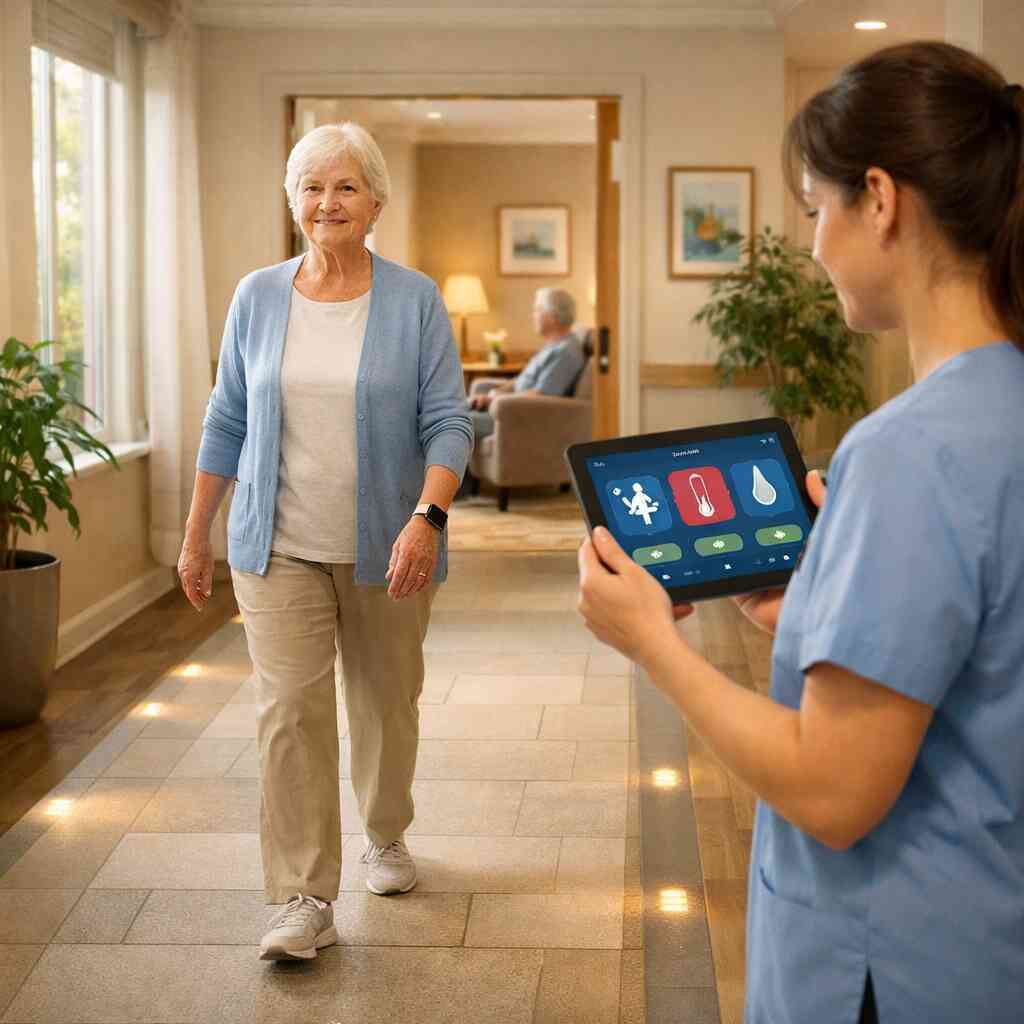
GPS Tracking for Dementia Care: Balancing Freedom and Security
GPS tracking technology has transformed how memory care communities manage wandering risks while respecting resident autonomy. Modern GPS devices come in forms that residents are likely to accept, including watches, pendants, or even shoe inserts. These devices create geofenced boundaries that alert caregivers when a resident approaches an exit or leaves a designated safe zone. The tracking provides real-time location data that speeds response times dramatically if a resident does wander away. Senior living facilities in New York have embraced this technology as a cornerstone of their memory care programs. Families report significant reductions in anxiety knowing their loved ones can be located quickly if they become disoriented. The technology allows residents to enjoy outdoor spaces and walking paths that might otherwise be inaccessible. Care teams can adjust boundaries based on individual resident needs, expanding or restricting access as conditions change. The data collected also reveals patterns that help staff understand resident preferences and potential triggers for wandering. GPS tracking represents a humane approach to safety that prioritizes resident dignity. Communities that implement these systems demonstrate a sophisticated understanding of memory care challenges.
Sensor-Based Wandering Prevention: Real-Time Location Systems for Memory Care
Beyond individual GPS devices, comprehensive sensor networks create sophisticated wandering prevention systems throughout memory care neighborhoods. Real-time location systems track resident movements without requiring them to carry or wear specific devices. Pressure sensors in floors, beds, and chairs detect occupancy and movement patterns throughout the environment. These systems can identify when a resident is heading toward an exit and automatically trigger alerts or interventions. Assisted living safety technologies have advanced to include predictive algorithms that anticipate wandering episodes before they occur. Care teams receive notifications when residents exhibit behaviors that historically precede wandering attempts. The sensors also monitor activity levels, alerting staff when a resident becomes unusually inactive or fails to rise in the morning. Families exploring senior living in various states should look for communities that implement comprehensive sensor networks. These systems reduce the need for physical restraints or constant human supervision, preserving resident dignity. The technology operates continuously without becoming an intrusive presence in daily life. Residents enjoy greater freedom of movement while remaining protected by an invisible safety net.
Automated Door Alerts for Exits: A Non-Intrusive Safety Barrier
Exit doors represent one of the greatest safety challenges in memory care settings, requiring constant vigilance to prevent unsupervised departures. Automated door alert systems provide an elegant solution that respects resident dignity while maintaining security. These systems use sensors to detect when a resident approaches an exit and can automatically lock doors or alert staff. The alerts differentiate between residents and staff, avoiding unnecessary disruptions during normal operations. Senior housing communities with memory care wings have adopted these systems as standard safety infrastructure. The technology can be programmed with individual resident schedules, allowing freedom during designated times while restricting access at others. Residents with cognitive challenges often accept automated door systems more readily than traditional locked doors. The alerts provide staff with immediate notification, enabling rapid response before a resident exits the building. Families touring senior living facilities should examine how exit management systems balance safety with resident autonomy. These systems also generate data that helps care teams understand wandering patterns and adjust prevention strategies. Automated door alerts represent a thoughtful approach to a challenging safety requirement.
Cognitive Safety Reminders: Voice-Activated Assistants for Daily Routines
Voice-activated assistants have emerged as powerful tools for supporting seniors with cognitive challenges in their daily lives. These devices can provide gentle reminders about medication schedules, appointments, and daily activities without requiring manual input. The assistants can answer questions, provide weather updates, and offer companionship during lonely moments. For residents with early-stage dementia, these reminders help maintain independence and structure. Assisted living locator services increasingly highlight communities that integrate voice assistant technology into memory care programs. The devices can be programmed to check in with residents at specific intervals, ensuring they remain engaged and oriented. Families can receive notifications if their loved one fails to respond to prompts or seems confused. The technology respects resident privacy while providing an additional layer of cognitive support. Voice assistants never judge or express frustration, creating a safe space for residents to ask questions repeatedly. The devices also help residents connect with family members through simple voice commands. This technology supports cognitive function while reducing the burden on care staff.
The Connected Care Ecosystem: Unifying Safety Through Integration and Analytics
The true power of safety technology emerges when individual systems connect into a unified ecosystem. Connected care coordination for elderly communities transforms isolated devices into a comprehensive safety network. This integration allows data to flow seamlessly between systems, creating a complete picture of resident well-being. Care teams can view alerts, trends, and responses from a single dashboard rather than monitoring multiple separate systems. The ecosystem approach eliminates gaps between safety technologies that might otherwise leave residents vulnerable. Families exploring senior living options increasingly expect this level of technological integration. The unified platform supports better decision-making, faster response times, and more personalized care. Data from multiple sources combines to reveal insights that no single system could provide alone. This holistic view of resident safety represents the cutting edge of senior living technology. Communities that invest in connected ecosystems position themselves as leaders in comprehensive senior care.
Integrated Safety Platforms: Creating a Cohesive Network for Senior Living
Integrated safety platforms unite disparate technologies into a single, cohesive system that enhances overall protection. These platforms collect data from smart sensors, wearable devices, environmental monitors, and emergency alert systems. The unified interface displays all relevant information in an intuitive dashboard that care teams can monitor at a glance. Alerts from different systems are correlated and prioritized, ensuring that the most critical situations receive immediate attention. Senior living facilities in Alabama are increasingly adopting these platforms to streamline their safety operations. The integration eliminates the need for staff to check multiple separate systems, reducing the risk of missed alerts. Platforms can automatically trigger responses when multiple sensors detect concerning patterns simultaneously. Families benefit from consolidated reporting that provides a complete picture of their loved one’s safety environment. The systems learn over time, becoming more accurate in distinguishing true emergencies from false alarms. Staff training becomes simpler when all safety technology operates through a single interface. Integrated platforms represent the gold standard for modern senior living safety management.
Predictive Analytics for Fall Prevention: Data-Driven Risk Mitigation
Predictive analytics harness the power of data to identify residents at elevated risk for falls before accidents occur. The algorithms analyze gait patterns, medication changes, activity levels, and health indicators to calculate individual risk scores. Care teams receive early warnings about residents whose risk profile is changing, allowing for targeted interventions. Health monitoring in retirement communities has advanced to include sophisticated predictive modeling that continuously refines its accuracy. The systems can recommend specific preventive measures based on each resident’s unique risk factors. Physical therapy, medication adjustments, or environmental modifications can be implemented proactively rather than reactively. Families exploring assisted living locations benefit from communities that use data to prevent harm rather than merely respond to it. The analytics also identify community-wide trends that inform facility improvements and policy changes. Staff resources can be allocated more efficiently, focusing attention where it is needed most. Predictive analytics transforms fall prevention from a general effort into a precisely targeted strategy. This data-driven approach saves lives while reducing healthcare costs associated with fall-related injuries.
Remote Health Monitoring Solutions: Bridging the Gap Between Residents and Providers
Remote health monitoring technology connects residents with healthcare providers without requiring transportation or in-person visits. These systems track vital signs, medication adherence, sleep quality, and activity levels continuously. Healthcare providers receive regular updates and can intervene when data indicates emerging health issues. Remote health monitoring solutions in senior care have become essential tools for managing chronic conditions and preventing hospitalizations. The technology reduces the burden on residents who might struggle with frequent medical appointments. Families appreciate being able to monitor their loved one’s health status remotely, even from long distances. The monitoring systems can detect subtle changes that might indicate urinary tract infections, dehydration, or medication side effects. Providers can adjust treatment plans based on real-time data rather than relying on periodic office visits. Communities implementing these solutions demonstrate a commitment to proactive, comprehensive care. Residents maintain greater independence while benefiting from continuous medical oversight. Remote monitoring bridges geographical gaps, keeping families connected to their loved one’s health journey.
Biometric Access for Secure Communities: Redefining Entry Protocols
Biometric access systems are redefining security protocols within senior living communities by eliminating reliance on keys or cards. Fingerprint scanners, facial recognition, and iris detection ensure that only authorized individuals enter secure areas. These systems prevent residents with cognitive challenges from wandering into unauthorized zones. Emergency preparedness in senior living has improved dramatically with biometric systems that can instantly verify identities during crisis situations. The technology eliminates security risks associated with lost or stolen keys or access cards. Families appreciate knowing that their loved ones live in communities with state-of-the-art access control. Staff members can be granted or denied access instantly as employment status changes. The systems maintain detailed logs of all entries and exits, providing valuable data for security audits. Biometric access also streamlines visitor management, allowing approved family members convenient entry. Communities that implement these systems demonstrate a sophisticated approach to physical security. The technology respects resident privacy while providing robust protection against unauthorized access.
Frequently Asked Questions
Question: What types of senior living safety technology are most important for preventing falls in 2026?
Answer: In 2026, the most critical senior living safety technology for fall prevention includes smart fall detection systems, wearable emergency alert devices, and AI-powered monitoring in senior communities. Smart fall detection systems now automatically sense a fall and alert staff without requiring the resident to press a button. Wearable emergency alert devices offer GPS tracking and heart rate monitoring for immediate response. AI-powered monitoring analyzes movement patterns to predict fall risk before an accident occurs. At Senior Living Facilities, we help families find senior living facilities that integrate these advanced technologies into their daily operations, ensuring residents enjoy greater independence with a hidden safety net. Our platform allows you to compare and connect with communities that prioritize proactive fall prevention, giving you peace of mind.
Question: How does the blog post How Technology Improves Safety in Senior Living 2026 address the use of remote health monitoring solutions?
Answer: The blog post highlights how remote health monitoring solutions bridge the gap between residents and healthcare providers by continuously tracking vital signs, medication adherence, and activity levels. These systems allow for early detection of health changes, such as urinary tract infections or dehydration, and enable physicians to adjust treatment plans without requiring in-person visits. At Senior Living Facilities, we assist families in finding senior living facilities that seamlessly incorporate remote health monitoring into their care plans. By connecting you with communities using these solutions, we ensure your loved one benefits from constant, data-driven health oversight that reduces hospitalizations and supports aging in place safely.
Question: Can you explain how smart home safety for elderly features like automated lighting and temperature regulation work together to reduce fall risk?
Answer: Absolutely. Smart home safety for elderly innovations include automated lighting for night safety, which uses motion sensors to illuminate pathways when a resident rises from bed, preventing trips in the dark. Temperature regulation for fall risk systems maintain optimal climate conditions, as extreme temperatures can impair balance and cognitive function. Together, these technologies create a responsive environment that minimizes common hazards. At Senior Living Facilities, our database features senior living facilities that implement these integrated safety platforms. Whether you are exploring senior living near me options or senior living in a specific state, we connect you with communities that prioritize fall prevention through smart environmental controls, enhancing both safety and comfort for residents.
Question: What role does GPS tracking for dementia care play in balancing freedom and security for memory care residents?
Answer: GPS tracking for dementia care is a cornerstone of modern memory care, allowing residents to explore their surroundings safely. These devices, often worn as discreet watches or pendants, create geofenced boundaries that alert caregivers if a resident approaches an exit or wanders off. This technology provides real-time location data, enabling rapid response while respecting resident autonomy. At Senior Living Facilities, we specialize in helping families find senior living facilities that use these humane solutions. When searching for communities for seniors 55+ or assisted living locations, our platform ensures you connect with providers that implement sensor-based wandering prevention and automated door alerts, giving your loved one both freedom and a secure environment.
Question: How do integrated safety platforms and predictive analytics for fall prevention work together to create a connected care ecosystem?
Answer: Integrated safety platforms unify devices like motion sensors, bed exit alarms, and environmental hazard sensors into a single dashboard, giving care teams a complete view of resident well-being. Predictive analytics for fall prevention then uses this data to identify residents at elevated risk, analyzing gait patterns and activity changes to recommend early interventions. This connected care coordination system transforms reactive care into proactive protection. At Senior Living Facilities, we guide families in finding senior living facilities that embrace these technologies. Whether you are looking for senior housing in states like Florida or Texas, our platform highlights communities using these innovations to ensure personalized safety protocols, giving you confidence in the care your loved one receives.
Question: What emergency response wearables and voice-activated safety assistants are available for seniors in assisted living communities?
Answer: In 2026, emergency response wearables have evolved beyond basic panic buttons to include devices with fall detection, GPS, and two-way communication. Voice-activated safety assistants, such as smart speakers, enable residents to call for help hands-free and receive cognitive safety reminders for medications or appointments. These technologies are now standard in many assisted living locations. At Senior Living Facilities, we connect you with senior living facilities that offer these advanced tools as part of their rental housing for seniors. By using our assisted living locator, you can compare communities that provide personalized, voice-controlled emergency calls and biometric access for secure communities, ensuring your loved one stays safe and connected.
Senior Living Facilities Editorial Team
Expert contributor specializing in senior living care. Dedicated to providing families with clear, actionable advice.