
Senior Living Facilities Aging in Place Strategies 2026
Redefining Home for the Golden Years
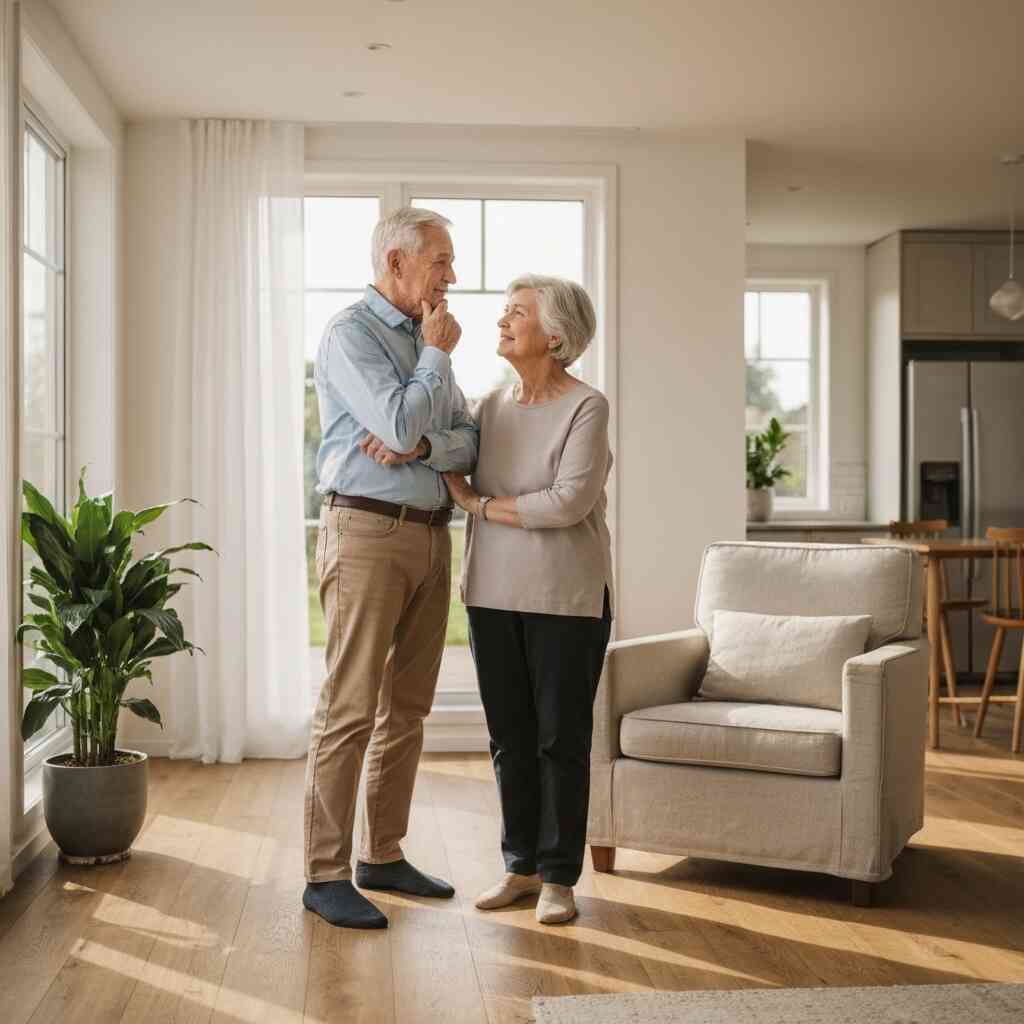
Choosing where to spend your later years is a profound decision that touches every aspect of your well-being. For many, the desire to stay in the family home is powerful, rooted in decades of memories and established community ties. However, the physical reality of the environment can shift over time, turning a once-perfect sanctuary into a source of anxiety. As you consider your future, evaluate whether your current residence supports your long-term health. Senior living facilities can often provide a more sustainable environment, but the emotional pull of staying put remains a significant factor. By acknowledging these shifts early, you gain the clarity needed to make choices that prioritize your safety and long-term happiness.
Recognizing when the family house no longer fits
You might notice that climbing the stairs to the bedroom feels more taxing than it once did. Perhaps keeping up with the yard work or routine home maintenance has transformed from a labor of love into an overwhelming chore. These subtle changes serve as important indicators that your living space might be outpacing your current physical abilities. Many people find that their homes are filled with hazards, such as uneven flooring or narrow hallways, which complicate daily movement. Assessing these challenges is a proactive step toward maintaining your quality of life. Understanding that your environment affects your health is the foundation of effective aging in place strategies.
The emotional weight of staying put versus seeking support
Leaving a home that holds a lifetime of history carries a heavy emotional burden. You may feel a deep sense of loss at the prospect of downsizing, even if the move makes logical sense. It is normal to resist change when you value the independence and familiarity that your current house provides. However, staying in an unsuitable environment can sometimes lead to increased stress, social isolation, and physical decline. Balancing these emotions requires you to differentiate between the memories attached to the structure and the actual functionality of your daily life. Sometimes, exploring senior living options reveals opportunities for a more vibrant, supported lifestyle that preserves your legacy.
Balancing personal independence with safety realities
True independence is not about staying in one physical location, but about having the freedom to live safely and comfortably. Safety must be your top priority, especially if you are living alone and managing chronic health conditions. You may worry about falling or being unable to call for help during an emergency, which impacts your peace of mind. Implementing small changes or transitioning to a specialized community can enhance your autonomy by removing daily stressors. When you no longer struggle with household burdens, you have more energy to focus on hobbies, family, and personal growth. Finding this balance is essential for ensuring that your later years remain fulfilling and secure.
Engineering a Sanctuary Through Universal Design
Creating an environment that supports aging requires a thoughtful approach to interior design and structural layout. Universal design principles focus on making living spaces accessible and usable for everyone, regardless of their age or physical ability. By prioritizing features like zero-threshold showers and wider doorways, you can significantly reduce the risk of accidents within the home. This proactive stance on home environment is a cornerstone of effective long-term care planning. Whether you decide to renovate your current house or move to a modern apartment, these design elements serve as the bedrock of accessibility.
Essential home safety modifications for seniors
Simple adjustments, such as installing grab bars in bathrooms and improving lighting, can make an immense difference in your daily routine. Many older adults find that removing area rugs and clearing clutter prevents trips, which is a major component of fall prevention for older adults in Washington. Upgrading your kitchen appliances to models with front-facing controls can also minimize the need to reach or lean awkwardly. These home safety modifications for seniors in Florida are often manageable and can prevent serious injuries. Investing time in these upgrades allows you to enjoy your space with a higher degree of confidence and security.
Implementing smart home technology for independent living
Technology has evolved to become a silent but powerful guardian for seniors who choose to remain in their homes. You can now utilize motion sensors, automated lighting, and voice-activated systems to manage your household without physical exertion. For families in New York, smart home technology for independent living offers a way to monitor health metrics and ensure that help is available if needed. Wearable devices and medical alert systems can provide a safety net that allows you to move throughout your home with peace of mind. Integrating these modern tools into your living area is a proven way to extend your independence.
Leveraging occupational therapy for home accessibility retrofitting
An occupational therapist can evaluate your home and suggest specific modifications tailored to your unique health profile. They look for ways to optimize your physical environment to match your functional capacity, such as adjusting counter heights or adding stair lifts. This professional guidance ensures that your home accessibility retrofitting efforts are effective and targeted toward your specific mobility needs. By consulting with a specialist, you move beyond guesswork and create a space that genuinely supports your daily activities. This level of planning is highly effective for those committed to staying in their home for as long as possible.
Strategic Planning for Long Term Care Needs
The financial and logistical realities of aging in place require careful preparation. You must consider the potential cost of home health aides, medical equipment, and necessary house repairs that might arise in the future. Without a clear plan, the burden can fall unexpectedly on your family members or threaten your financial stability. Engaging with experts who understand the landscape of care allows you to make informed decisions about your future. A well-constructed strategy provides the necessary cushion to handle unexpected changes in your health or living circumstances.
Understanding the financial landscape of aging in place
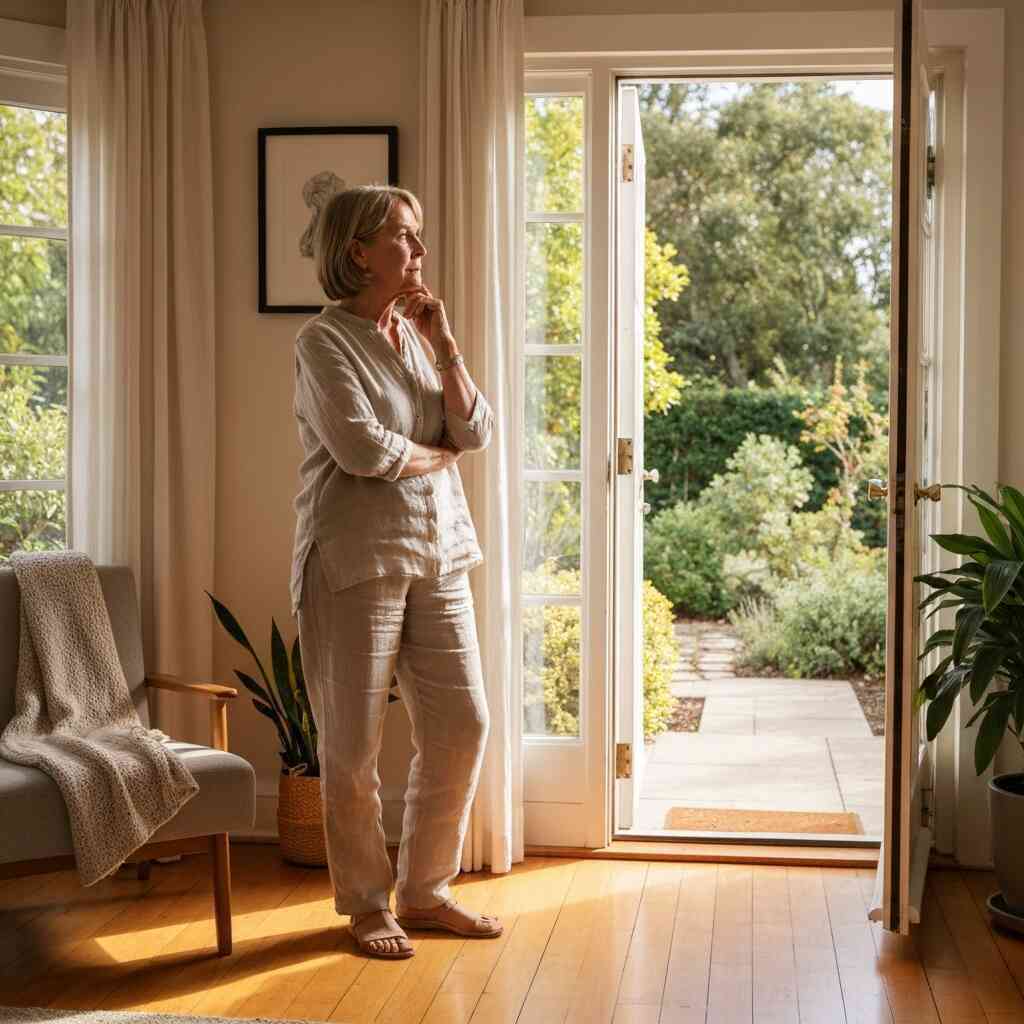
Many people mistakenly assume that staying home is always the most affordable option compared to professional facilities. While it may seem cheaper at first, the cumulative cost of ongoing maintenance, modifications, and private caregivers can escalate quickly. Utilizing advice for aging in place success can help you weigh these hidden expenses against the predictable costs of a community. You should also research potential funding sources, such as long-term care insurance or specific VA benefits for senior care. Having a transparent look at your finances ensures that you are not forced into a difficult situation later on.
Utilizing home modification grants and community based support services
Local and state programs often provide financial assistance to help seniors update their homes for better accessibility. These home modification grants for seniors can cover items like ramps, bathroom upgrades, and smart technology installations. Additionally, community based support services often provide meal deliveries or transport to medical appointments, which are vital for maintaining health. Tapping into these resources can significantly reduce your out-of-pocket costs and alleviate the strain on your family caregivers. It is worth investigating what is available in your local area to build a more robust support system.
Comparing aging in place versus assisted living options
When you look at aging in place vs assisted living in Illinois, consider the trade-offs regarding social interaction and care availability. While home offers privacy, assisted living communities provide built-in social opportunities and 24-hour access to professional staff. Understanding the difference between skilled nursing and assisted living is crucial when assessing your long-term needs. A CCRC or independent senior living community might offer a middle ground, providing services that grow as your needs change over time. Every individual must weigh the desire for autonomy against the benefits of being part of a supportive senior living community.
Building a Robust Support Network for Longevity
Longevity requires a strong network of support that bridges the gap between your needs and your resources. You need to identify the people and services that will help you maintain your health and emotional well-being. This might involve formal care agencies, family members, or friends who check in regularly to ensure your safety. Building this network today provides a foundation for stability that will serve you well for years to come. When you have a solid plan in place, you can move forward with confidence, knowing that help is always within reach.
Coordinating home health care services and caregiver support programs
If you choose to stay at home, you will likely need to bring in professional assistance at some point. Reliable home health care services in Ohio can help manage medical needs and assist with daily tasks. It is also important to utilize caregiver support programs to ensure your family members do not burn out from their duties. These programs provide relief and professional guidance, allowing you to sustain a care arrangement that is healthy for everyone involved. Always verify the credentials of any agency you invite into your personal space.
Preventing social isolation through community resources
One of the greatest risks to senior health is the unintended consequence of social isolation that often comes with living alone. You must prioritize staying connected to friends, family, and local organizations to maintain your cognitive and emotional health. Benefits of senior living for social health are often cited as a primary reason for moving to a community. If you stay home, you should actively seek out senior centers, volunteer opportunities, or clubs that keep you engaged with your neighbors. Isolation is a quiet health hazard, so making a conscious effort to stay social is a vital aging in place strategy.
Final thoughts on creating a sustainable plan for your future
Creating a sustainable plan involves regular reviews of your physical, financial, and emotional health. You must remain flexible, as your needs will likely change, and your current strategies may need to evolve. By utilizing the guidance found through a trusted senior living advisor, you can navigate the complexities of senior care with ease. Always remember that the best plan is one that centers on your happiness and dignity above all else. Whether you choose to modify your home or move to a community, take pride in the fact that you are taking control of your future.
Frequently Asked Questions
Question: How can I decide if aging in place strategies are the right choice for me versus moving to one of the communities for seniors 55+?
Answer: Deciding between aging in place and moving to a senior living facility depends on your unique health profile, financial situation, and social needs. Aging in place allows you to remain in your familiar environment, but it requires proactive home safety modifications for seniors and consistent home maintenance. Conversely, choosing an independent living community or a continuing care retirement community (CCRC) provides a maintenance-free lifestyle with built-in social opportunities. Senior Living Facilities offers a comprehensive senior living directory to help you compare these housing options for seniors. We provide expert advice to help you weigh the cost of assisted living against the expenses of home accessibility retrofitting and home health care services, ensuring you make a decision that prioritizes your long-term independence and quality of life.
Question: What should I consider when evaluating Senior Living Facilities Aging in Place Strategies 2026 for my own long-term care planning?
Answer: When reviewing the Senior Living Facilities Aging in Place Strategies 2026, it is essential to look at your personal longevity goals and your current home environment. A sustainable plan integrates universal design principles for elderly homes, smart home technology for independent living, and a robust support network. Senior Living Facilities acts as your trusted senior living advisor, guiding you through the complexities of geriatric care management. Whether you need help accessing home modification grants for seniors or understanding your eligibility for VA benefits for senior care, our platform connects you with the resources necessary to keep you safe, secure, and thriving, whether at home or in one of our featured assisted living locations.
Question: Does Senior Living Facilities offer resources to help with fall prevention for older adults and home accessibility retrofitting?
Answer: Yes, absolutely. We prioritize safety above all else. Our team understands that simple adjustments like installing grab bars or utilizing medical alert systems for seniors can be life-changing. If you are struggling with home safety, we can connect you with specialists who focus on occupational therapy for home safety and professional home care agencies. If your current residence no longer supports your needs, we assist you in finding assisted living plans or nursing home options that emphasize mobility and comfort. Our goal is to provide a free senior living referral service that helps you identify the best environments, whether you are seeking residential care facilities or a supportive retirement home.
Question: How does Senior Living Facilities help address social isolation prevention for seniors who choose to stay at home?
Answer: Social isolation is a quiet health hazard, which is why we emphasize connecting seniors with community based support services. If you choose to remain at home, we provide information on finding local volunteer opportunities, social clubs, and senior centers. However, if home living becomes too isolating, we help you explore the benefits of a seniors living community where social interaction is built into your daily routine. From pet-friendly assisted living options to luxury senior retirement communities, we help you find a space that keeps you engaged, cognitively sharp, and socially active, regardless of your housing choice.
Question: Can you help me understand the difference between skilled nursing and assisted living while planning for future health changes?
Answer: Understanding the difference between skilled nursing and assisted living is a critical step in long-term care planning. Skilled nursing facilities provide 24-hour medical supervision for complex health needs, often covered by Medicare skilled nursing benefits, while assisted living focuses on help with daily activities in a more residential setting. Senior Living Facilities provides the tools to help you compare these options, including checking CMS star ratings and analyzing senior living costs by state. Our team is dedicated to helping you plan for potential transitions, ensuring that if your needs change from independent living to memory care, you have a partner who knows exactly how to choose a nursing home or specialized dementia care home for your specific situation.
Admin
Expert contributor specializing in senior living care. Dedicated to providing families with clear, actionable advice.