
Senior Living Facilities Guide to Pet Friendly Assisted Living
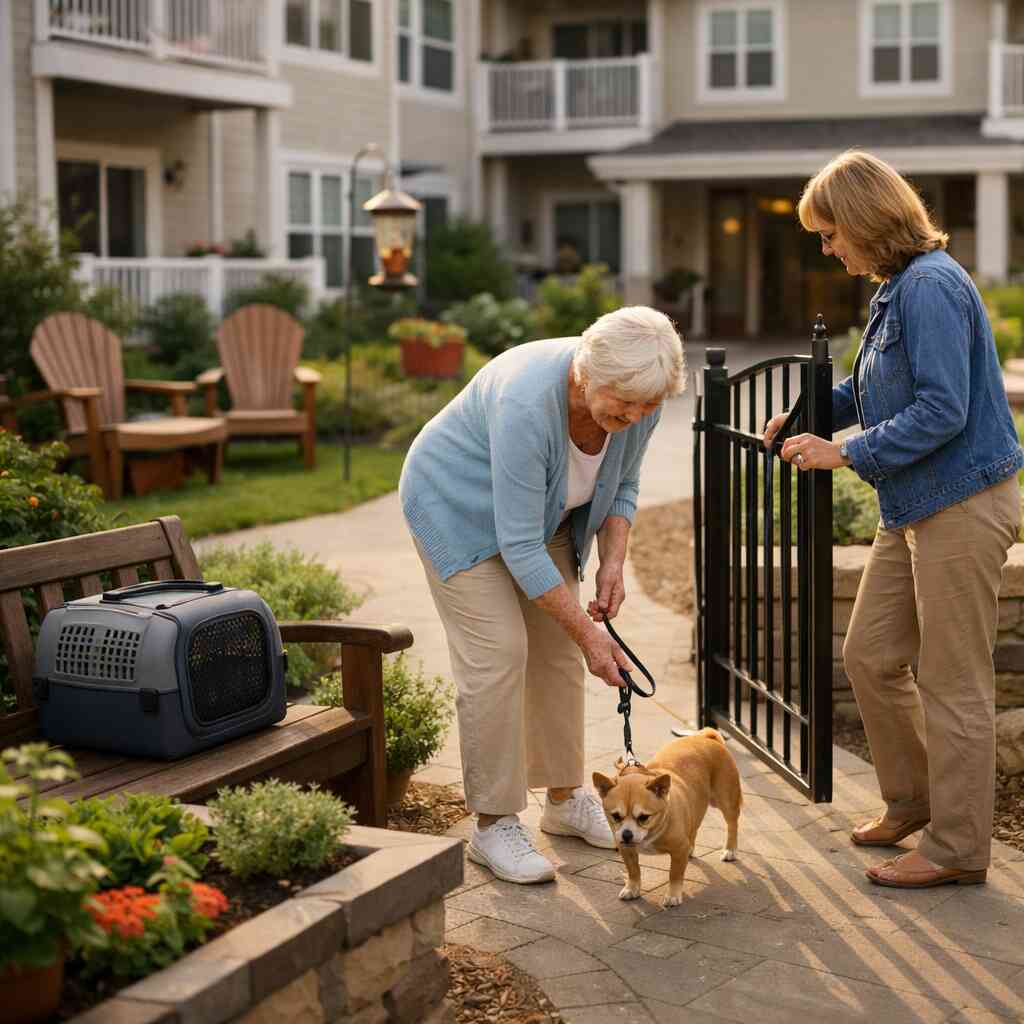
When a wagging tail changes the whole senior living decision
A daughter called us after her mother said she would move, but only if the cat came too. That is not a small detail. It changes every tour, every comparison, and every conversation with a senior living facility. If you are sorting through pet-friendly assisted living, the stress is real, because the wrong move can mean separating a person from the companion who steadies their day. You want care, safety, and a place that still feels like home.
Why pet-friendly assisted living feels different from a standard senior living facility
A standard seniors living community may look perfect on paper, yet pets change the entire experience. Pets affect lease terms, flooring, neighbor compatibility, and daily routines. They also affect emotional comfort in ways families sometimes underestimate. A room can be beautiful and still feel wrong if the dog or cat is not welcome.
Here is the part most families miss: pet acceptance is not just a perk. It often signals how a community thinks about flexibility, resident dignity, and daily life. Some communities for seniors 55+ allow pets, but assisted living layers care on top of housing. That means the community is managing both wellness and coexistence. You should ask about pets in senior housing early, not after the tour is over.
The quiet reasons families start searching for assisted living for pet owners instead of moving twice
The biggest reason is simple. Moving twice is hard on older adults and harder on pets. If Mom is already anxious, asking her to leave a cat behind can turn a necessary move into a painful standoff. Families often start looking for assisted living for pet owners because they want one clean transition.
We hear this from families almost every week. They are juggling medications, stairs, loneliness, and a pet who has become part of the care plan. A small terrier can reduce isolation. A cat can calm evening restlessness. That is why housing options for seniors with pet-friendly rules matter so much. They support the person, not just the apartment.
How Senior Living Facilities helps compare assisted living locations without losing sight of the pet question
This is exactly where Senior Living Facilities becomes useful. Instead of sorting through endless listings, you can compare assisted living locations with pet questions in mind. You can look at care level, location, and community fit together. That is far better than chasing a pretty brochure.
A son in suburban Phoenix told us he nearly chose a place with excellent dining and a polished lobby. Then he asked about the family beagle. The answer was vague, and that told him enough. He used a senior living locator instead and found a better match. That one question saved weeks of frustration and a likely second move.
What pet policies in assisted living are really asking behind the scenes
Pet policies sound simple. They are not. They are really asking who is responsible, what the community can reasonably manage, and how much risk it can absorb. That is why pet policies in assisted living communities vary so widely. Some focus on safety. Some focus on neighbor comfort. Some focus on staffing limitations.
Service animals, emotional support animals, and companion animals in senior housing
The rules are not the same for every animal. Service animal policies are usually tied to federal disability law, while emotional support animals in senior housing may fall under different housing protections. Companion animals for seniors are the easiest category to misunderstand, because they are beloved family members but still treated as pets under many community rules. Always ask how the community defines each category.
According to fair housing guidance, service animals are not pets. That distinction matters. If your loved one relies on a trained service animal, ask whether staff understand access rules and documentation boundaries. For emotional support animals, ask what proof the community requires. For companion pets, ask how the community handles vaccinations, behavior, and cleanup. If you are unsure, use a guide about service animals and emotional support animals in senior housing to prepare.
Pet deposit rules, pet weight restrictions, and the fine print families miss
This is where many families get surprised. A place may say yes to pets, then add pet deposit rules in senior communities or pet weight restrictions in assisted living that change everything. Some communities allow smaller dogs but not larger breeds. Others allow cats but limit multiple animals. A few allow both, but only on certain floors.
The fine print matters because it affects the move, the budget, and the daily routine. Ask whether there are behavior rules, breed rules, noise rules, or cleaning expectations. Ask whether visiting pets are allowed in retirement homes. Ask whether the policy applies to temporary stays and respite care as well. If the answer comes quickly and clearly, that is a good sign. If it sounds fuzzy, keep comparing.
Which housing options for seniors are most likely to allow dogs, cats, or both
In general, independent living communities are often more flexible than higher-care settings. Some rental housing for seniors and senior apartment rentals also welcome pets. Board and care homes and smaller residential care facilities may allow pets, but staffing and space usually shape the rules. Larger communities may have formal pet programs, while smaller homes may decide case by case.
Here is a practical way to think about it. The more medical support a community provides, the more structure you may see around pets. That does not mean pet-friendly care is rare. It just means the policy is usually tighter. If you are comparing dog-friendly senior living and cat-friendly assisted living, ask for the written policy and read it before you tour. That small habit saves time.
When pet care support in assisted living matters more than the floor plan
A beautiful apartment means little if your loved one cannot feed, walk, or clean up after the pet. Pet care support in assisted living becomes crucial when mobility changes, memory changes, or balance is fragile. A hallway that is wide enough is helpful. A community that can support routine care is better.
One family we spoke with chose a place in Fort Lauderdale because the staff understood morning routines. Their father needed help with medications and his small dog needed a consistent schedule. That pair mattered more than granite counters or a large balcony. The floor plan looked ordinary. The support plan was excellent. That is the difference.
The care model matchup that decides whether a move is kind or complicated
This is where families often get stuck. A pet-friendly building is only helpful if the care level matches the resident’s needs. A mismatch can create stress fast. The right question is not just “Can the pet come?” It is “Can this care model truly support the person and the pet together?”
Assisted living vs nursing home when the pet stays and when the care level changes
The difference between assisted living vs nursing home matters more than people expect. Assisted living usually supports help with daily tasks, while a nursing home or skilled nursing facilities setting is more medically intensive. The difference between skilled nursing and assisted living can determine whether a pet can remain part of daily life. 
Care settingTypical support levelPet policy realityAssisted livingHelp with bathing, meds, meals, and routinesOften pet-friendly, with rulesNursing homeHigher medical and nursing supportUsually more restrictiveLong-term care facilityBroad term, varies by levelMust ask directlyMedicare skilled nursingSkilled medical recoveryPets are uncommonIf care needs are escalating quickly, pet questions still matter. They just need to be weighed against safety. If a loved one is no longer safe managing a pet, the best choice may be a community that helps with daily structure more than one that advertises a nicer courtyard. That is hard, but it is honest.
What is memory care and how pet-friendly policies can differ in dementia care homes
People ask us what is memory care because they are trying to protect both safety and familiarity. Memory care near me searches often start after wandering, confusion, or sundowning becomes part of daily life. Alzheimer’s care facilities and dementia care homes usually have stronger rules because safety risks are higher. Pet policies may still exist, but they are often more controlled. Some memory care settings allow familiar pets during visits, and a few allow resident pets under strict conditions. The question is not only kindness. It is predictability. Pets can soothe, but they can also introduce tripping hazards, feeding confusion, or distress if the resident forgets the pet’s routine. If you are considering memory care and pet-friendly senior care, ask how staff handle feeding, handling, and wandering risks. ### Independent living communities, board and care homes, and continuing care retirement community CCRC options
Independent living communities for pet owners are often the easiest place to start if care needs are light. Board and care homes can feel more personal and may work well for someone who wants a home-like setting. A continuing care retirement community (CCRC) can offer a wider runway, because care levels may change on one campus over time.
A CCRC can be helpful when you want a plan that might accommodate future changes without another relocation. Still, pet policies vary by campus and care level. Ask whether the pet can move with the resident if care needs increase. If you are comparing continuing care retirement community options for seniors, keep the pet question on the table from the start. It matters more than many brochures admit.
How to compare senior living costs by state without getting distracted by a shiny lobby
A polished lobby can hide a lot. Focus on senior living costs by state instead. The Genworth Cost of Care Survey is still one of the most cited tools for understanding broad trends, but local variation is huge. Florida, California, and Texas each have different market pressures, staffing realities, and housing demand.
You do not need to memorize every number. You do need to compare the total picture. Ask about care level, pet policy, medication support, and move-in timing. Then compare them across communities in the same state. If you are searching in Florida senior living, California assisted living, or Texas nursing homes, compare similar care levels only. Otherwise, the numbers will mislead you.
What Genworth Cost of Care Survey and CMS star ratings can and cannot tell you
The Genworth Cost of Care Survey can show broad cost direction. CMS star ratings can help you understand certain quality measures for Medicare-certified nursing facilities. But neither tool answers the pet question. Neither tells you if a cat is welcome, if a dog may visit, or if staff understand pet-related routines.
That is why these tools should guide, not decide. Use them alongside tours, policy reviews, and direct questions. Also remember that senior housing regulations are often state-specific. A community may look perfect in search results and still be a poor fit once pet terms are reviewed. The data helps. The conversation finishes the job.
The move that protects both the resident and the pet
This last part is the one families feel in their stomach. The move is not only about paperwork. It is about timing, dignity, and making sure neither person nor pet is left in limbo. Good planning can prevent a rushed decision later.
Questions to ask assisted living before you tour with a carrier, leash, or service animal card
If you tour with a pet, bring a short list. Keep it simple and direct. You do not need to sound formal. You do need clear answers.
- Are pets allowed in every apartment type?
- Are there breed, size, or number limits?
- What paperwork do you require?
- Who handles pet cleanup if the resident cannot?
- Are visiting pets allowed?
- What happens if care needs increase?
- Can the policy change after move-in?
Use questions to ask assisted living before touring with a pet as a checklist, not a script. The goal is clarity, not performance. If the staff answers directly, you are getting useful information. If they dodge, that tells you something too.
How to use a senior living directory or senior living advisor to find best senior living near me faster
A good senior living directory cuts search time dramatically. A strong senior living advisor can help you compare pet rules, care levels, and timing in one place. That is helpful when your search for the best senior living near me is urgent. It also keeps you from calling every community one by one.
Senior Living Facilities offers a free senior living referral for pet-friendly placement help, which can save hours. That matters when a family is balancing work, caregiving, and a pet who cannot wait on a decision. If you are moving from out of state, especially to high-demand areas, quick sorting helps. The right filter can prevent a bad fit before it starts.
What to check on senior housing regulations, Medicaid senior housing, and VA benefits for senior care
This is where policy meets real life. Medicaid senior housing rules differ by state, and not every community accepts the same funding sources. VA benefits for senior care may help some veterans and spouses, depending on eligibility. Long-term care insurance can also shape what is possible, though coverage details vary.
Ask how the community handles funding sources before you fall in love with the lobby. Ask whether pet policies change based on payment type. Ask whether they accept residents who may transition from private pay to another source later. For a regulated setting, use senior housing regulations for pet policies as a reference point. It is better to ask a blunt question now than to discover a gap after move-in.
Why senior living with no waitlist and affordable senior living can matter when time is short
Sometimes time is the problem. A hospital discharge is coming. A landlord is ending a lease. A caregiver is burned out. In those moments, senior living with no waitlist can be the difference between stability and chaos. Affordable senior living matters too, because urgent decisions can create expensive mistakes.
If finances are tight, compare senior living for low-income seniors options with the same care lens. Do not assume cheaper means less dignified. Do not assume higher price means better pet support. Ask the right questions, and compare carefully. If you need a fast search, look for senior living with no waitlist for urgent pet-friendly moves.
The next decision that keeps aging in place with pets realistic instead of hopeful
Aging in place sounds comforting, but it needs a real plan. If a loved one wants to stay home with a pet, compare home support, transportation, and backup care before a crisis. If the home no longer works, then a pet-friendly community may be the kindest version of continuity. That is not giving up. That is adapting with care.
If you are still weighing senior citizen housing, elderly housing, retirement homes, or 55+ apartments, keep the pet question front and center. It will sharpen every comparison. It will also keep you honest about what your loved one can manage safely. Start with one directory search, one policy call, and one clear conversation today. You do not have to solve all of it at once, and you do not have to do it alone.
Frequently Asked Questions
Question: In the Senior Living Facilities Guide to Pet Friendly Assisted Living, how does Senior Living Facilities help families compare pet-friendly assisted living options for a senior living facility or seniors living community?
Answer: Senior Living Facilities helps families compare pet-friendly assisted living options by making it easier to review assisted living locations side by side with the pet question included from the start. Instead of sorting through unrelated listings, families can use the senior living directory and senior living locator tools to narrow choices by care level, location, and whether pets are allowed. That matters because pet policies in assisted living can vary widely, even within the same city or state. We help families think through the full picture, including housing options for seniors, pet policies, and the type of support a loved one may need day to day. For families seeking assisted living for pet owners, that approach saves time and reduces the chance of a stressful second move.
Question: What should I ask about pet policies in assisted living when touring pet-friendly assisted living communities through Senior Living Facilities?
Answer: We recommend asking direct questions so you can quickly understand whether a community is truly a fit. Helpful questions include whether pets are allowed in every apartment type, whether there are pet deposit rules in senior communities, whether there are pet weight restrictions in assisted living, and whether visiting pets in retirement homes are allowed. It is also important to ask about service animal policies, emotional support animals in senior housing, and companion animals for seniors, since each may be treated differently. If your loved one needs help, ask whether the community offers pet care support in assisted living and how staff handle cleanup or routine assistance. These questions help families compare senior housing with pet amenities in a practical way, not just by appearance.
Question: How can Senior Living Facilities help if I need affordable senior living, senior living with no waitlist, or a free senior living referral for a pet-friendly move?
Answer: Senior Living Facilities is designed to help families move quickly and thoughtfully, especially when time or budget is tight. If you need affordable senior living, senior living for low-income seniors, or senior living with no waitlist, our platform can help you sort options faster so you can focus on communities that match both care needs and pet policies. A free senior living referral can be especially helpful when you are balancing urgent needs, such as a hospital discharge, a lease ending, or caregiver burnout. We also encourage families to compare the cost of assisted living, senior living costs by state, and funding considerations like Medicaid senior housing, VA benefits for senior care, and long-term care insurance. That way, you can make a decision based on the whole picture rather than just one feature.
Question: How do I know whether assisted living vs nursing home or the difference between skilled nursing and assisted living matters if my parent wants to keep a pet?
Answer: It matters a great deal, because the care level often affects whether a pet can stay and how much support the resident will need. Assisted living typically supports help with daily routines, which may make pet-friendly assisted living more realistic for someone who can still participate in feeding, walking, or basic pet care. A nursing home or skilled nursing facilities setting usually provides more intensive medical support and may have stricter pet rules. If a loved one has changing health needs, it is wise to compare assisted living plans, long-term care facility options, and continuing care retirement community (CCRC) choices early. That allows families to think ahead about whether the pet can stay with the resident if care needs increase. For more advanced cognitive needs, families should also ask what is memory care and how pet policies differ in Alzheimer’s care facilities and dementia care homes.
Question: Can Senior Living Facilities help me compare independent living communities, board and care homes, and retirement homes for aging in place with pets?
Answer: Yes. Senior Living Facilities can help families compare independent living communities, board and care homes, residential care facilities, and retirement homes with aging in place in mind. If your loved one wants to remain with a pet, the right match depends on both the resident’s needs and the community’s pet policies. Independent living communities may offer more flexibility, while board and care homes may feel more home-like but have more limited space or staffing. Families searching for 55+ apartments, elderly housing, senior citizen housing, or luxury senior retirement communities can use our directory to evaluate options without losing sight of the pet question. Our goal is to help you find a setting that feels safe, supportive, and realistic for both the person and the companion animal.
Admin
Expert contributor specializing in senior living care. Dedicated to providing families with clear, actionable advice.