
Senior Living Facilities Measure Social Connection Quality
The Tapestry of Connection in Senior Living Facilities
Why social health rivals physical wellness in housing options for seniors
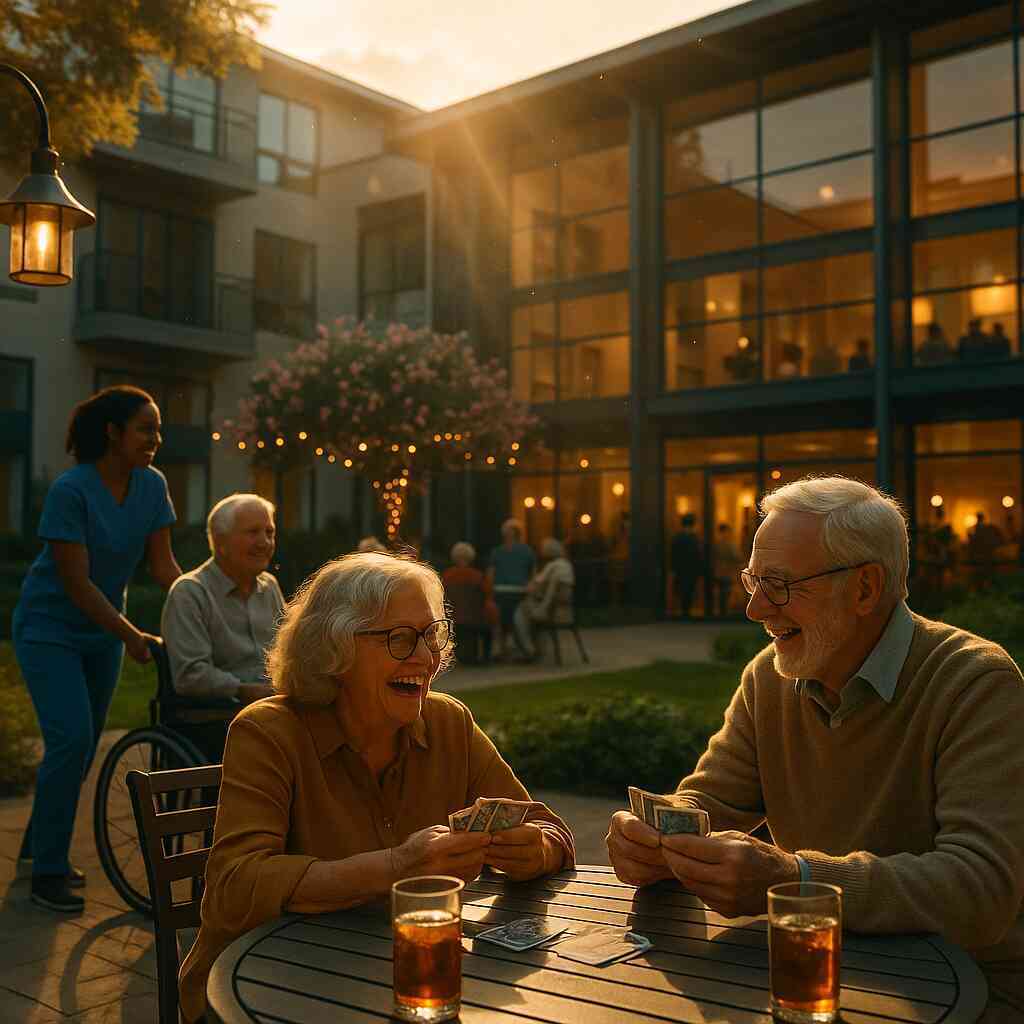
Social health fuels motivation to exercise, attend appointments, and eat well, making it inseparable from physical wellness. When touring housing options for seniors, families increasingly ask, “How will Mom make friends here?” Communities answer with intergenerational mixers, peer mentoring circles, and communal dining that spark daily interaction. These programs reduce hospital readmissions because engaged residents follow care plans better than isolated peers. Operators therefore track participation rates in group activities at senior living near you as closely as they track blood glucose. They recognize that well-designed social architecture transforms a building into a true home.
Friendship thrives when the environment removes barriers. Open-concept lounges, garden paths, and tech hubs invite spontaneous conversation among communities for seniors 55+. Even introverted residents report higher satisfaction when staff gently facilitate small-group introductions. Metrics such as conversation frequency, shared-interest club membership, and volunteer visitation frequency monitoring offer tangible proof of success. Families reviewing assisted living plans now expect to see those numbers on brochures, right beside fall-prevention statistics. The marketplace rewards providers that nurture both heart and body.
A national trend toward accountability underscores this shift. Federal quality initiatives increasingly include social health indicators for assisted living plans, mirroring clinical benchmarks. Early adopters gain a competitive edge and, more importantly, happier residents. Platforms like senior living facilities measuring social bonds help families locate communities committed to transparent reporting. By spotlighting connection outcomes, they inspire an industry-wide culture of belonging.
Quality of life assessments redefining a senior living facility experience
Quality of life assessments in seniors living community settings once focused on pain control and mobility. Today they extend to purpose, autonomy, and friendship. The resident connection index for a senior living facility captures these dimensions with survey questions on meaning, trust, and daily laughter. Scores guide staff toward evidence-based adjustments, such as pairing newcomers with “welcome ambassadors” during meals. Results are reviewed alongside vitals during interdisciplinary meetings, embedding social data into everyday practice.
Providers also benchmark against regional peers. For instance, quality-of-life metrics in Illinois senior care reveal how midwestern hospitality shapes engagement patterns. Comparing data promotes creative cross-learning and continuous improvement. Communities that excel share toolkits through professional networks, accelerating sector-wide progress. Families appreciate this transparency; it reassures them that their loved ones’ emotional wellness benchmarks in long-term care facility settings receive professional attention, not casual concern.
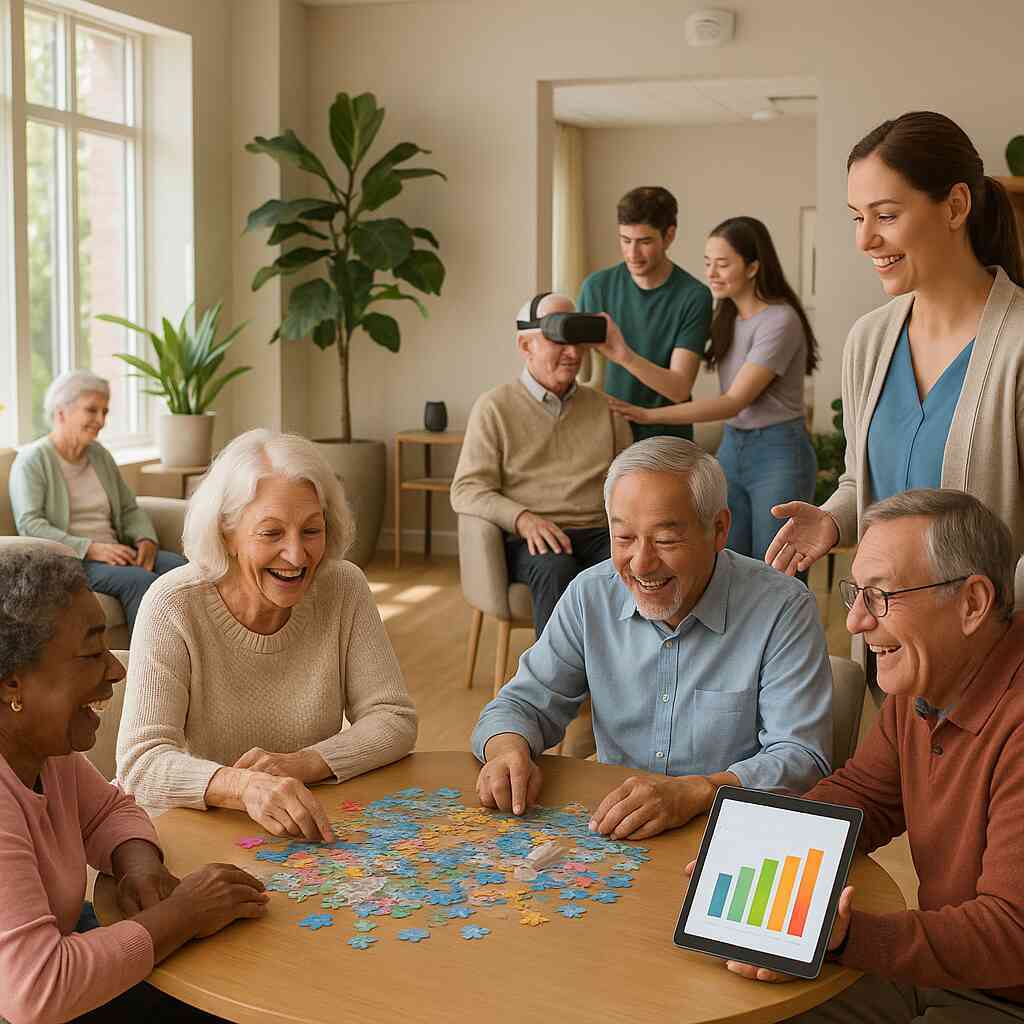
Technology amplifies these efforts. Motion sensors, digital calendars, and wearable devices anonymously aggregate how often residents visit lounges or attend classes. Dashboards translate activity into colorful charts that frontline caregivers easily understand. When engagement dips, staff intervene quickly, adjusting schedules or offering transport assistance. These responsive loops redefine what it means to deliver personalized, person-centered care.
From isolation to integration: Mapping the resident journey
Moving into senior housing often begins with grief over leaving a lifelong home. Mapping the resident journey from isolation to integration helps staff anticipate emotional valleys and peaks. New arrivals receive personalized social care plans within assisted living locator services that outline favorite hobbies, cultural preferences, and life stories. This blueprint guides introductions to like-minded neighbors and clubs, accelerating a sense of belonging.
Regular check-ins measure progress. Instruments for measuring community belonging in senior living facilities ask residents to rate statements such as “I feel known here” or “I have someone to confide in.” If scores lag, evidence-based interventions to reduce isolation in nursing homes-like reminiscence therapy or peer-led storytelling-are deployed. Caregivers track outcomes, refining tactics until each individual graduates from observer to participant.
Celebration marks the final stage. Graduates mentor newcomers, reinforcing their own confidence while lifting community spirit. This cyclical model ensures institutional knowledge keeps growing, making every transition smoother than the last. Over time, the community connectivity score for nursing homes for the elderly climbs steadily, reflecting an environment where every senior truly belongs.
Decoding Social Engagement Metrics That Matter
Building a resident connection index for communities for seniors 55+
Designing a resident connection index for a senior living facility begins with curiosity about daily experiences. Planners collect stories through intake interviews, activity logs, and wearable devices. They assign weighted values to peer greetings, club attendance, and support group participation. The resulting composite reflects both breadth and depth of relationships. Communities for seniors 55+ use the score to flag newcomers needing invitations sooner.
Regional benchmarking sharpens insight further. A provider compared its index against community engagement scores in California senior housing, finding patio gardening doubled conversations. Such cross-state analysis encourages healthy competition without shaming underperformers. Operators share anonymized data through professional forums, uplifting standards nationwide. Senior Living Facilities curates these comparisons so families quickly spot leaders in connection care.
Measuring loneliness in assisted living locations with evidence based tools
Loneliness hides behind polite smiles, so robust instruments are essential. Clinicians deploy the UCLA Loneliness Scale because its sensitivity suits older demographics. Surveys happen quarterly alongside blood pressure checks, normalizing emotional conversations. Results appear on unit dashboards, coded green to red for swift triage. Staff then pair low scoring residents with volunteer callers or music therapy groups.
Evidence alone changes nothing without action. Facilities integrate loneliness metrics into personalized assisted living plans that accompany medication charts. When the score worsens, a social prescriber writes a new regimen of book clubs and hallway walks. Measuring loneliness in assisted living locations gains power because interventions follow within days, not months. Families view progress graphs during care conferences and feel included in the solution. This transparency supports measuring community belonging in senior living facilities across the portfolio.
Emotional wellness benchmarks in long term care facility settings
Long-term care teams seek benchmarks that respect complex medical realities. Emotional wellness benchmarks in long-term care facility settings therefore blend mood ratings with clinical indicators like sleep quality. Interdisciplinary committees review combined data during regular rounds. They note that depressive symptoms often spike after hospital readmissions. Early warning lets psychologists step in before sorrow becomes disorder.
Scoring scales remain futile unless residents recognize their own progress. Caregivers translate numbers into plain language, such as saying, “Your joy index rose this week.” This feedback loop nurtures agency and motivates participation in counseling or art therapy. Over time, communal averages climb, revealing the collective impact of shared empathy. Administrators publish improvements on intranet boards to celebrate staff perseverance.
Technology platforms tracking social interaction in rental housing for seniors
Digital tools now act as silent sociologists within rental housing for seniors. Bluetooth beacons register lounge visits without invading privacy. Tablet sign-ups for bingo or tai chi feed instantly into analytics dashboards. Managers track participation rates in group activities at senior living near you in almost real time. Alerts prompt a gentle nudge when attendance declines.
Artificial intelligence adds predictive muscle to these observations. Algorithms notice that weather changes or meal menu shifts influence corridor traffic. They recommend adjusting an inclusive social calendar in an independent living community before boredom sets in. Residents benefit because enrichment arrives proactively, not reactively. Senior Living Facilities integrates such platforms to help operators refine best practices for fostering social ties in senior apartment rentals.
 Turning Numbers into Nurture
 Turning Numbers into Nurture
Data driven enrichment programs in senior living near me
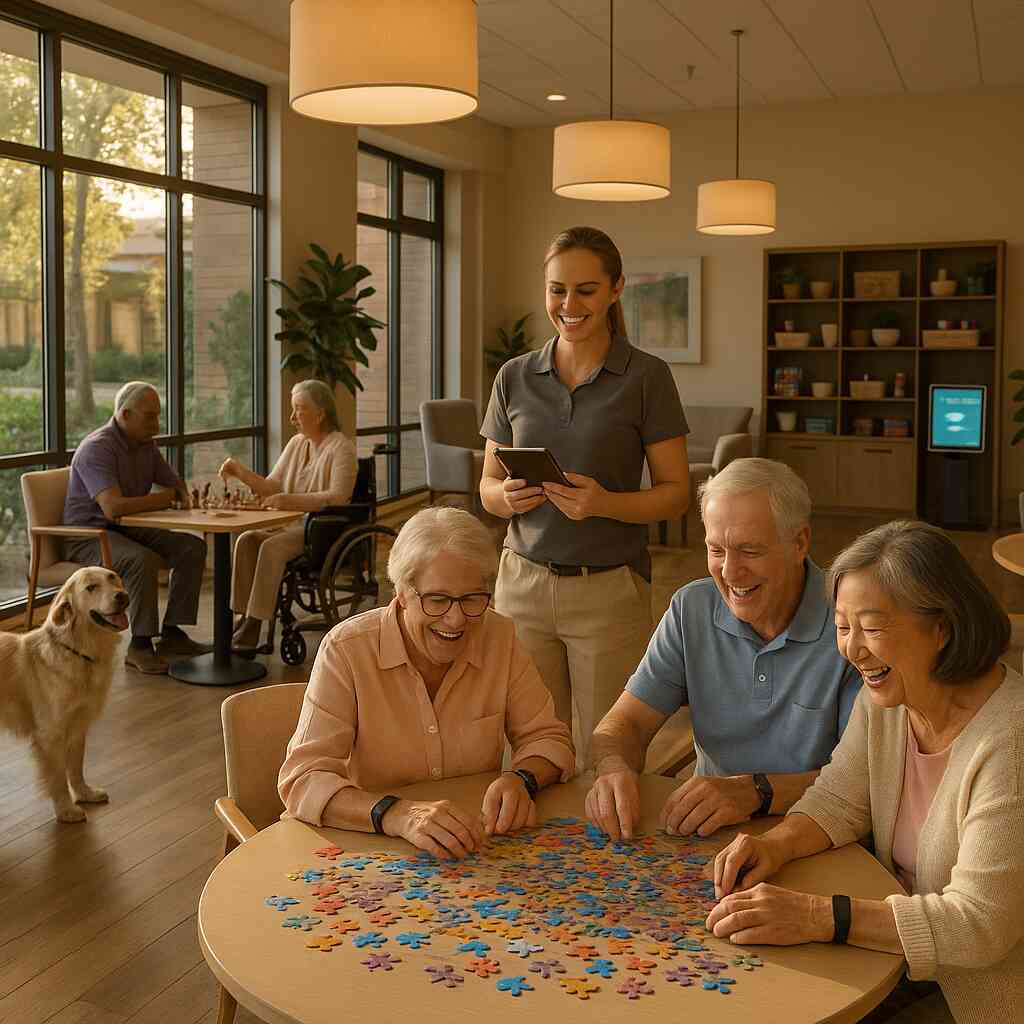
Data turns anonymous hallway traffic into actionable insight for enrichment planners in seniors living near me. Administrators overlay social engagement metrics in senior living facilities with health records to uncover hidden motivators. When participation rates in group activities at senior living near you dip, dashboards highlight the trend before moods falter. Staff then launch micro‐programs, like morning stretching circles, that match documented preferences. Residents feel heard because offerings mirror their expressed interests, not generic assumptions.
Families crave proof that programs work, so communities publish improvement graphs during open houses. They also invite relatives to test games or cooking classes, validating inclusivity. Interested readers can find senior communities near you focused on engagement and compare peer‐reviewed data points with ease. Transparent reporting builds trust and inspires broader participation from volunteers. Numbers therefore evolve from sterile columns into stories of laughter filling every lounge.
Designing an inclusive social calendar in an independent living community
An inclusive social calendar design in an independent living community begins with resident listening sessions. Organizers ask which memories spark smiles, then translate answers into themed weeks celebrating art, jazz, or gardening. Rotating time slots ensures night owls and early birds enjoy equal access to events. Calendars integrate accessibility notes, highlighting wheelchair‐friendly routes and hearing loop availability. Such detail signals respect and fuels attendance.
Technology shortens the feedback loop further. Residents approve or decline invitations through voice‐activated tablets, updating the resident connection index for a senior living facility in real time. Algorithms highlight underrepresented voices, prompting staff to add niche offerings like needlework circles or global cuisine nights. Continuous iteration prevents boredom from taking root. Everyone witnesses how data nurtures agency.
Aligning social services with resident interests within senior apartment rentals
Rental housing for seniors thrives when activities mirror individual passions, not stereotypes. Onboarding interviews capture hobbies, cultural traditions, and preferred learning styles. Staff then align social services with resident interests in housing options for seniors by mapping talents to community needs. A retired accountant might lead budget workshops, while a former teacher hosts poetry readings. Matching gifts to roles accelerates friendship formation.
Best practices for fostering social ties in senior apartment rentals include micro‐mentoring clusters and pop‐up maker spaces. Technology platforms tracking social interaction in rental housing for seniors scan attendance and flag waning curiosity. Care teams respond with targeted outreach, like delivering hobby kits directly to apartments. Residents appreciate the personalized care path and remain engaged longer. Metrics confirm sustained momentum.
Volunteer visitation frequency monitoring and family engagement scorecards
Volunteer visitation frequency monitoring offers a real‐time pulse on external connections. Badge scans track each guest’s arrival, painting a precise picture of shared moments. Family visitation tracking within long term care settings feeds into engagement scorecards displayed privately to relatives. When numbers decline, coordinators schedule virtual reunions or mobile photo albums to rekindle contact. Data therefore serves as an early warning, not a performance critique.
Caregivers study correlations between visits and mood survey results. They discovered that weekly art sessions with grandchildren have reported loneliness. The caregiver role in boosting engagement at a senior living facility in any state becomes clearer; they act as matchmakers, aligning volunteers with residents needing lifts in spirit. Scorecards celebrate both parties, reinforcing positive cycles. Over time, belonging metrics rise authentically.
Impact of pet therapy and intergenerational activities on community connectivity
Evaluating intergenerational activities impact in senior housing reveals remarkable ripple effects. Story‐sharing between college students and elders increases the community connectivity score for nursing homes for the elderly within months. Meanwhile, certified therapy dogs lower cortisol levels and spark corridor conversations among previously shy residents. Evidence‐based interventions to reduce isolation in nursing homes thus gain furry, wagging ambassadors. Measured joy rises alongside biometric calm.
Administrators document outcomes through wearable sensors and gratitude journals. Impact of pet therapy on resident connection in senior living near campuses becomes a headline during board meetings. Funding then expands, allowing the adoption of permanent community pets and more student partnership programs. Families cite these initiatives as deciding factors when choosing facilities. Connection, once intangible, now enjoys scientific applause.
Operational Playbook for Engagement Champions
The caregiver role in boosting participation rates in group activities
Caregivers stand at the front lines of social vitality; their encouragement directly lifts participation rates in group activities at senior living near you. They greet residents by name, explain event benefits, and provide gentle reminders that feel like invitations, not obligations. Because caregivers know each resident’s history, they recommend activities aligned with personal passions, reinforcing autonomy. Moreover, they coordinate transportation, adaptive equipment, and rest breaks, ensuring physical limitations never block engagement. As a result, data show attendance spikes whenever caregivers champion events with authentic enthusiasm.
Training transforms good intentions into measurable impact. Facilities teach caregivers motivational interviewing, body-language reading, and micro-celebration techniques. When a resident attends an art class after weeks of seclusion, staff applaud openly, rewarding bravery. Participation statistics feed dashboards that caregivers review during morning huddles, enabling swift adjustments. Over time, consistent coaching positions caregivers as trusted allies who turn ordinary calendars into catalysts for friendship.
Personalized social care plans within assisted living locator services
Intake teams craft personalized social care plans within assisted living locator services to honor every life story. Each plan logs hobbies, preferred conversation topics, and cultural rituals collected during pre-move interviews. Planners then match these preferences with on-site clubs, volunteer roles, and mentoring opportunities, weaving social goals into the broader assisted living plans. Residents receive printed summaries that frame engagement as a shared mission rather than a clinical directive. Because objectives feel personal, commitment deepens.
Technology ensures that personalization stays current. Tablets capture attendance, mood ratings, and informal feedback after each event. Algorithms flag declining enthusiasm, prompting staff to revise recommendations before frustration blooms. Plans evolve continuously, reflecting new interests or health shifts without bureaucratic delays. Families appreciate the transparency, noting how seamlessly emotional wellness benchmarks in long-term care facility settings integrate with individualized schedules.
Peer support network development in senior living in the state of
Organic friendship often ignites faster through peer mentorship than through staff facilitation alone. Therefore, administrators nurture peer support network development in senior living in the state of choice by identifying natural connectors-residents who love introducing newcomers. These ambassadors host weekly coffee hours and hallway strolls, offering relatable guidance on everything from meal choices to hobby sign-ups. Their presence normalizes questions others might hesitate to ask.
Structured frameworks underpin this spontaneity. Orientation packets include contact details for at least two ambassadors, reducing social anxiety during the first critical weeks. Regular peer-led forums invite residents to propose policy tweaks, reinforcing agencies. Staff track attendance and sentiment surveys to calculate the resident connection index for a senior living facility, validating the network’s influence. When data confirm rising belonging scores, communities celebrate ambassadors publicly, reinforcing positive cycles.
Communal dining attendance statistics as real time pulse checks
Dining rooms double as daily laboratories for social science. Administrators view communal dining attendance statistics as real-time pulse checks that reveal emerging isolation trends. Sensors at doorway thresholds tally entries, while meal-choice systems record seat selections. If a resident skips three consecutive dinners, an alert triggers prompt outreach. Staff then investigate with empathy, exploring whether appetite, mobility, or mood caused the absence.
Because meals occur multiple times daily, patterns surface quickly. Dashboards display color-coded attendance heat maps that culinary teams review alongside nutrition data. They adjust menus, seating arrangements, or background music based on conversational decibel levels. One facility piloted round tables after analyzing low engagement scores; chatter doubled within a week. Leaders later shared their success through strategies that boost social life in senior living resource hubs, inspiring nationwide replication.
Remote family engagement tools and digital bridges for older adults
Distance no longer dictates intimacy, thanks to remote family engagement tools that convert screens into bridges. Voice-activated smart displays allow residents to join video reunions without fumbling over passwords. Integrated captioning aids hearing-impaired participants, ensuring every smile reaches its destination. Facilities schedule recurring virtual visits, embedding them into social care plans as reliably as medication reminders. Consequently, family visitation tracking within long-term care settings shows steadier patterns even when relatives live across the country.
Digital outreach extends beyond family calls. Virtual reality tours let residents revisit hometown landmarks together, sparking nostalgic storytelling that strengthens bonds. Furthermore, secure messaging platforms enable grandchildren to send daily photos or school projects. IT teams provide tutorials, creating confidence with technology platforms that track social interaction in rental housing for seniors. Data confirm that residents who engaged digitally report lower scores on measuring loneliness in assisted living locations. For additional support, families can always connect with the Senior Living Facilities team to troubleshoot devices or explore upgraded connectivity packages.
A Future Where Every Senior Belongs
 A Future Where Every Senior Belongs
Toward a senior living facility social scorecard benchmarking standard
Every industry matures once shared yardsticks exist, and senior housing now reaches that milestone. Operators increasingly call for a senior living facility social scorecard benchmarking standard that mirrors clinical dashboards. The initiative proposes weightings for conversation frequency, event attendance, and community connectivity score for nursing homes for the elderly. Leaders study the newly released guide to enhancing life quality in senior residences to draft common definitions and rating scales. Such alignment lets families compare options confidently while motivating providers to innovate.
Unified metrics also accelerate research. When hundreds of communities record social engagement metrics in senior living facilities identically, analysts identify what truly drives happiness. Benchmarking reveals, for example, that midday music programs raise measuring community belonging in senior living facilities more than evening lectures. Data then shape future assisted living plans, ensuring resources follow evidence rather than tradition. Transparency becomes a culture, not a compliance checkbox.
Continuous improvement loops using social health indicators
Collecting numbers alone cannot spark joy; rapid feedback loops must turn insights into action. Staff review social health indicators for assisted living plans during daily huddles, just as they review blood pressure. If a resident’s outcome measures for social care in an assisted living facility review dip, team members intervene within hours, not months. They might adjust seating, schedule a peer visit, or introduce pet therapy.
Technology now automates many adjustments. Dashboards alert enrichment coordinators when participation rates in group activities at senior living near you fall below thresholds. Coordinators deploy micro-events tailored to the disengaged demographic and then monitor bounce-back. This agile cycle engrains continuous improvement, proving that small, timely nudges often outshine sweeping monthly overhauls.
Advancing connection quality in senior living near you
Ultimately, benchmarks and loops exist to serve people, not charts. Senior Living Facilities empowers families to locate communities already excelling in data-driven enrichment programs in senior living near me. Search filters highlight residences with rising resident connection index scores and strong peer support network development in senior living in the state of choice. Informed consumers reward excellence, pushing the market toward ever-higher standards.
Providers that embrace the vision see retention and referrals climb. Residents thrive because every hallway, garden, and dining table becomes a stage for belonging. As social science evolves, so will measurement tools, but the mission stays constant: ensure seniors feel seen, heard, and cherished. Connection, once intangible, now guides strategy and sparks daily smiles.
Frequently Asked Questions
Question: How does Senior Living Facilities track social engagement metrics in senior living facilities, and why should families care?
Answer: We partner with communities for seniors 55+ that collect hard data on conversation frequency, club attendance, and communal dining attendance statistics. These numbers flow into a centralized dashboard that we review before approving a listing on our site. Because social engagement metrics in senior living facilities predict health outcomes almost as strongly as diet or medication adherence, families using our search-compare-connect tool can immediately see which locations foster friendship, purpose, and lower hospital readmission rates.
Question: Your recent blog Senior Living Facilities Measures Social Connection Quality mentions a resident connection index for a senior living facility; how does this index help me choose senior living near me?
Answer: The resident connection index blends participation rates in group activities at senior living near you with peer support network development in senior living in the state of your choice. When you enter your ZIP code, our platform flags communities with high scores, meaning newcomers make friends faster and loneliness stays low. Side-by-side comparisons let you weigh this social indicator against pricing, care levels, and amenities, giving you an evidence-based path to the best housing options for seniors in your area.
Question: What evidence-based tools do you rely on for measuring loneliness in assisted living locations, and how do the results shape personalized social care plans within assisted living locator services?
Answer: We encourage our partner communities to administer the UCLA Loneliness Scale quarterly alongside routine vitals. Results feed directly into personalized social care plans within our assisted living locator services, triggering evidence-based interventions to reduce isolation in nursing homes, such as peer mentoring circles, pet therapy, or intergenerational story-sharing. Families can view progress graphs through their private portal, ensuring transparency and continual improvement.
Question: How do your technology platforms tracking social interaction in rental housing for seniors support an inclusive social calendar design in an independent living community?
Answer: Bluetooth beacons and tablet sign-ins anonymously tally lounge visits, bingo sign-ups, and hallway strolls. Algorithms highlight underrepresented interests, prompting staff to add niche events-from needlework workshops to global cuisine nights-creating an inclusive social calendar design in an independent living community. This data-driven enrichment program in senior living near me means residents see activities that reflect their actual passions, not generic assumptions.
Question: How do volunteer visitation frequency monitoring and family visitation tracking within long term care translate into better emotional wellness benchmarks in long-term care facility settings?
Answer: Badge scanners log each visit and feed into a family engagement scorecard. When visitation dips, staff schedule virtual reunions using remote family engagement tools for senior living facility residents. Correlating visit data with mood surveys lets care teams fine-tune outcome measures for social care in assisted living facility environments, boosting emotional wellness benchmarks in long-term care facility settings and giving families peace of mind that their loved ones remain socially connected.
Admin
Expert contributor specializing in senior living care. Dedicated to providing families with clear, actionable advice.