
Top 5 Signs a Nursing Home Is Not the Right Fit in 2026
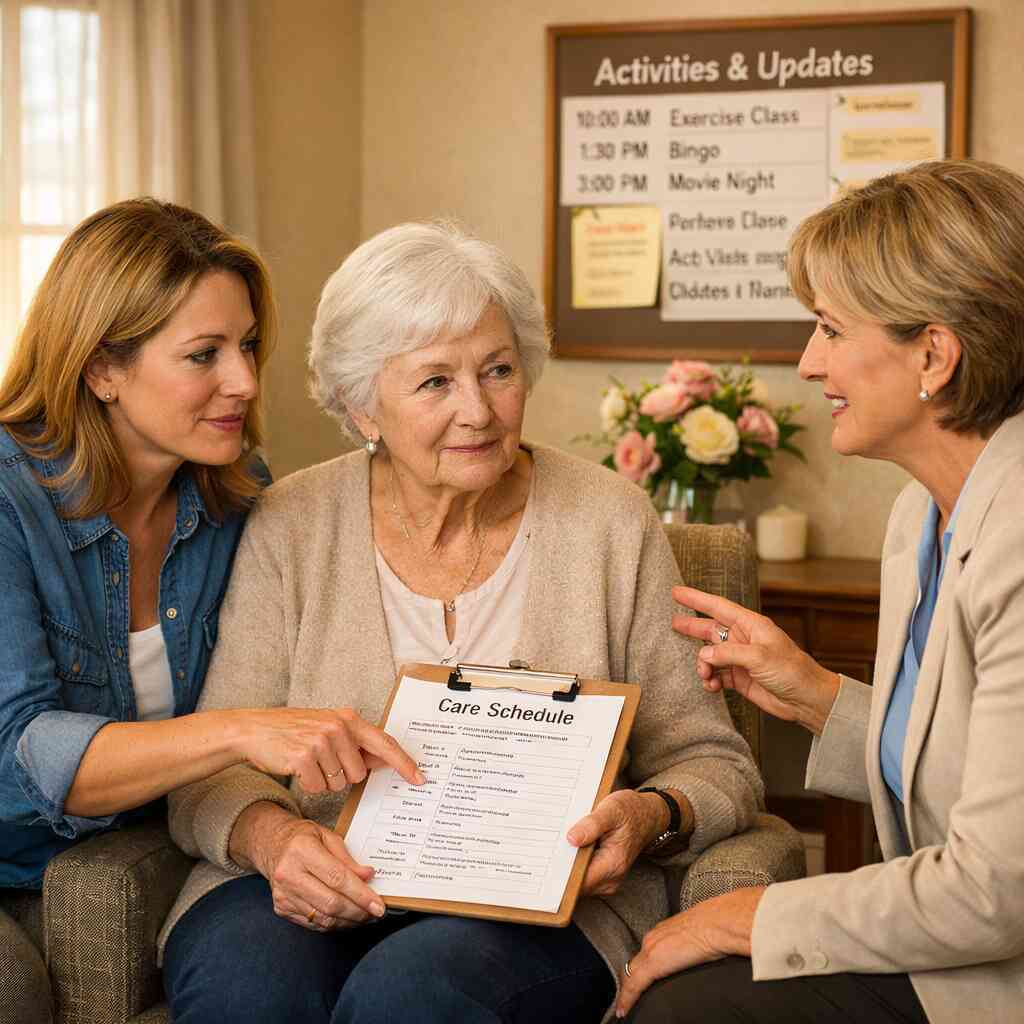
The quiet warning that Mom is not getting the care she needs
You can feel it before you can explain it. Mom looks thinner. Her hair is uncombed. She says she is fine, but her voice sounds tired. That sinking feeling is real, and it usually shows up before anyone gives you a clear answer.
When personal care keeps slipping past the basics
The earliest signs a nursing home is not the right fit often show up in small, repeated misses. Clothes stay damp longer than they should. Dentures are not cleaned. Toenails, skin checks, and repositioning keep getting postponed. Those are not cosmetic issues. They are activities of daily living and care planning problems that can snowball fast.
If you are seeing this pattern, trust the pattern. A single busy day happens everywhere. Repeated misses suggest the care system is overloaded or poorly matched to the resident’s needs. That matters in skilled nursing facilities, where basic support should feel predictable, not optional. On the nursing homes side of care, consistency is the whole point.
One daughter told us her father’s shirts kept coming back from laundry with the wrong size tags clipped on. It sounded minor at first. Then she noticed missed baths, a change in appetite, and redness on his heels. By the time she asked deeper questions, the issue was not one mistake. It was a care pattern.
Why missed meals, poor hygiene, and untreated pain are never just small glitches
Missed meals matter because nutrition drives strength, mood, and healing. Poor hygiene matters because it affects dignity and infection risk. Untreated pain matters because many older adults stop complaining before they stop hurting. That silence can fool families for weeks.
What we see most often is this: families excuse one problem because they do not want to overreact. That hesitation is understandable. Still, a nursing home should notice when a resident leaves food untouched, refuses bathing, or grimaces during transfers. If staff keeps brushing it off, you may need to compare other senior living facilities and ask harder questions.
The Genworth Cost of Care Survey gets a lot of attention for pricing, but the real lesson is simpler. Families pay attention to cost because they want value. Value disappears quickly when daily care is unreliable. That is true in a long-term care facility just as much as in any other setting.
The line between normal adjustment and a nursing home that is failing the resident
Every move has an adjustment period. Some sadness is normal. Some confusion is normal. But a short adjustment should not turn into ongoing decline without explanation. If Mom is becoming less like herself each week, something needs to change.
Look for the difference between an understandable transition and a nursing home quality and daily care support problem. Normal adjustment improves with routines, familiar faces, and steady communication. A failing fit keeps producing the same disappointments. The facility may still look clean and sound polite, yet the resident keeps slipping.
Here is the part most families miss. The issue is not always neglect in the dramatic sense. Sometimes it is a mismatch between the resident’s needs and the building’s actual capacity. If that is the case, a better match may be assisted living vs nursing home care, or even a different level within the same network. You can compare options on a senior living directory and start spotting the difference more clearly.
The room feels safe but the care feels inconsistent
A pretty room can hide a shaky care system. Clean hallways do not fix slow response times. Friendly smiles do not replace enough hands on the floor. If your loved one keeps waiting too long for help, the problem is bigger than inconvenience.
What repeated call light delays usually mean for daily safety
Call light delays are one of the clearest nursing home red flags. A few extra minutes can turn into a fall, skin breakdown, or a bathroom accident. Families often hear, “We were busy,” and feel guilty for pushing. Do not. Safety is the point.
Repeated delays usually point to staffing strain, poor shift handoffs, or weak supervision. They also tell you something about how the building handles urgent and non-urgent requests. In a strong facility, staff notice patterns. In a strained facility, residents learn to wait. That is not a small difference. It changes the whole day.
If the building also serves short-term recovery residents, ask whether you are seeing the right type of support. Sometimes families really need skilled nursing facilities and recovery care options, not a general placement that looks polished on paper. You can compare choices using a free senior living referral if the next move feels urgent.
How staff turnover, rushed routines, and thin coverage change the whole experience
High turnover changes everything. Residents stop recognizing faces. Medication passes get slower. Documentation gets messier. Families feel like they have to repeat the same story every week. That is exhausting, and it often means the facility is operating on the edge.
Thin coverage also affects dignity. A rushed aide may be kind, but still skip the second blanket, the full grooming, or the extra minute needed to explain a transfer. That is how a place slowly starts to feel unsafe, even if no single incident seems dramatic. In residential care facilities and board and care homes, the staffing model is different, but the principle is the same: the right level of help has to match the person.
We hear this from families almost every week. One son said his mother’s call light was answered “soon enough” until she fell trying to reach the bathroom alone. After that, the family reviewed staffing, coverage patterns, and transfer help much more closely. They realized the issue was not a one-time delay. It was an unstable system.
Why CMS star ratings and state survey reports matter more than the brochure
Brochures can be beautiful. They can also be selective. CMS star ratings and state survey reports tell a more grounded story because they look at staffing, inspections, and quality measures. They are not perfect, but they are far more useful than a marketing packet.
Use the ratings as a starting point, not the whole verdict. Review the latest survey findings from your state licensing agency. Check whether deficiencies were corrected and whether they repeat. If you are comparing facilities in Florida, California, or Texas, state rules can vary in meaningful ways, so local review matters. Families searching for senior living facilities in Florida or senior living facilities in Texas should always verify the current regulatory record.
A brochure tells you what the community hopes you notice. Survey data tells you what the system actually does. That difference is why the best senior housing regulations research starts with public records, not glossy photos. If you want a quick comparison, use an assisted living locator alongside nursing home data so you can see the wider care landscape.
Your loved one is getting less independence than the care plan promised
Sometimes the nursing home is not failing in a dramatic way. It is simply the wrong level of care. That is painful to admit, because many families chose carefully. Still, a mismatch can trap your loved one in more help than they need, or not enough.
When assisted living vs nursing home was the wrong match from the start
This is where assisted living vs nursing home choices can get confusing. Assisted living usually fits people who need help with meals, bathing, medication reminders, and social support. Nursing homes fit people who need more medical oversight and daily nursing care. If the match was wrong from the start, your loved one may feel boxed in or under-stimulated.
We often see this with active seniors who wanted more support but not full institutional care. They may have done better in independent living communities, 55+ apartments, or a continuing care retirement community (CCRC) earlier in the process. Others need housing options for seniors that feel less clinical and more flexible. The wrong setting can quietly reduce confidence, movement, and engagement.
One family we spoke with moved a mother into a higher-care setting after a hospital stay. She recovered faster than expected, but the plan never changed. Her independence kept shrinking because the environment never adjusted. That is a common mistake, and it is fixable once you notice it.
The difference between skilled nursing and assisted living when needs change fast
The difference between skilled nursing and assisted living is not just about labels. It is about the kind of daily support the person truly needs. Skilled nursing can help with complex medical needs and rehabilitation. Assisted living often focuses more on daily support and community life. When needs change fast, that distinction matters immediately. If your loved one no longer needs that level of medical oversight, staying put can create frustration and a loss of identity. If they need more medical support than the current setting provides, the risk is different and more serious. Either way, the care plan should change when the person changes. A rigid plan is usually a bad sign. This is also where funding enters the picture. Families often weigh Medicare skilled nursing, Medicaid senior housing, VA benefits for senior care, and long-term care insurance against the actual care plan. Money matters, but the wrong level of care can cost more in stress and decline. A clear review through how to compare 2026 assisted living plans and costs can help you think more clearly. ### Why a long-term care facility can lose the fit as mobility, memory, or supervision needs grow 
A place can be right in one season and wrong in the next. Mobility changes. Memory changes. Fall risk changes. Supervision needs change. A long-term care facility that once worked may no longer match what your loved one needs today.
What we see in 2026 specifically is more families asking about aging in place while still using a higher-support setting temporarily. That is smart. The goal is not always to move more. The goal is to match care to real life. Sometimes that means a smaller move into affordable senior living or a different setting with better staffing.
If you are comparing senior apartment rentals, retirement homes, or senior citizen housing, think about how the person actually lives day to day. Do they need escorting? Memory prompts? More meal support? The right answer may not be the first one a brochure suggests. If the gap feels large, a senior living advisor can help sort it out without pressure.
The warning signs that memory and behavior needs are not being handled well
Memory changes can be heartbreaking to watch, especially when behavior shifts too. A person may become frightened, suspicious, or withdrawn. The wrong environment can make those changes worse. The right one can lower stress and reduce confusion.
What is memory care supposed to do that a regular nursing home may not
People ask what is memory care all the time, and for good reason. Memory care is designed for people with Alzheimer’s or other dementias who need more structure, safety, and cueing. A regular nursing home may provide medical care, but not always the same environmental supports. That difference matters when confusion becomes a daily issue.
In many cases, Alzheimer’s care facilities and dementia care homes use layout, staffing routines, and behavioral approaches differently. They may offer secured areas, lower-stimulation spaces, and trained cueing systems. A standard unit can still be kind, but kindness alone does not solve wandering or sundowning. Families searching for memory care near me should compare those supports carefully.
Here is the honest part. Not every nursing home is prepared for escalating dementia needs. Some can manage them well. Others cannot. When the fit is wrong, the resident often looks “difficult” when the real issue is unmet support.
How dementia care homes should respond to wandering, sundowning, and fear
A good environment does not shame wandering. It prevents unsafe wandering. A good environment does not argue with fear. It lowers fear. That is the practical difference between a thoughtful memory setting and a generic one.
Dementia care homes for wandering and sundowning support should have clear routines, familiar cues, and trained staff who know how to redirect calmly. They should also notice triggers. Noise, glare, fatigue, and hunger can all worsen behavior. Families in places like Scottsdale or parts of Florida often ask about outdoor courtyards and secure walking paths, because those design details can make a real difference in daily comfort.
The what is memory care and when it becomes the right choice question usually comes down to safety plus stress. If a person is frightened most of the day, the setting may be wrong. If staff keeps relying on restraint-like routines, isolation may follow. That is not a good fit, even if the building is clean.
When repeated confusion, agitation, or isolation points to a poor fit
Confusion alone does not always mean the placement is wrong. But repeated agitation, loneliness, or emotional shutdown can be a strong clue. When a resident stops participating, stops trusting staff, or seems afraid of routine care, something is off.
A poor fit can look like too much noise, too many strangers, or too little specialized support. It can also look like the absence of meaningful engagement. A person with dementia should not be left to drift through the day. If that is happening, the setting may need to change.
Families often compare memory care near me when dementia needs increase with broader senior living facilities in California or other state-specific options. That comparison helps because the right answer is usually local, not theoretical. Look at staffing patterns, communication style, and the way staff responds when the person is scared. Those details matter more than a pretty reception desk.
The care plan, family calls, and next move are all telling you to act
By the time families reach this stage, they usually know something is wrong. The care plan does not match reality. Phone calls are vague. And every visit leaves you more uneasy than the last. That feeling deserves action.
Questions to ask a nursing home before the next care conference
The next care conference is your chance to slow the room down and ask direct questions. Keep your list simple and specific. Ask who is responsible for each part of care. Ask what has changed since the last review. Ask how the team measures falls, wounds, appetite, mood, and transfer safety.
Use these questions to ask a nursing home before the next care conference:
- How often is my loved one reassessed?
- What changed in the last month?
- Who handles medication changes?
- What is the response plan for falls or wandering?
- How are family concerns documented?
- What would make you recommend a different level of care?
If the answers are vague, that is useful information. It means the team may not be aligned. You deserve more than reassurance. You deserve specifics. For a fuller checklist, review questions to ask a nursing home before the next care conference and bring notes to the meeting.
How to compare senior living facilities, assisted living locations, and skilled nursing facilities without getting lost
Families get overwhelmed because the options blur together. Senior living facilities, assisted living locations, skilled nursing facilities, and board and care homes all solve different problems. Start by naming the actual need. Medical oversight? Memory support? Help with daily tasks? Lower cost? Pet-friendly assisted living? A shorter waitlist?
A side-by-side view helps. It also keeps you from paying for more structure than you need.
SettingBest forWatch forAssisted livingDaily help, social support, moderate supervisionNot enough medical support for complex needsSkilled nursing facilitiesHigher medical oversight, recovery, complex careLess independence, more institutional feelMemory careDementia-related safety and structureNeeds vary widely by buildingCCRCLong-term continuity across care levelsContract details can be complexIf you are searching for the best senior living near me for a better care fit, compare notes from visits, not just websites. Look at smell, noise, staffing, and how staff speaks to residents. Those observations usually tell the truth faster than any slogan.
When a free senior living referral, senior placement services, or a senior living advisor can help you find a better fit
Sometimes the next right move is not obvious. That is when a free senior living referral, senior placement services, or a senior living advisor can help. A good advisor listens first, then narrows choices without pushing you into the wrong box. That can save hours, and sometimes weeks, of stressful back-and-forth.
This is especially helpful when you are comparing senior living costs by state, cost of assisted living, senior living for low-income seniors, or support tied to Medicaid senior housing. You may also need help sorting long-term care insurance or VA benefits for senior care. The best guide will not promise a perfect answer. They will help you see the real trade-offs clearly.
If you are ready to act, use a free senior living referral for finding a better match and ask for options that fit the person, not the other way around. You do not have to solve everything today. Start with one call, one care review, and one honest conversation about what is no longer working.
Frequently Asked Questions
Question: What are the most common signs a nursing home is not the right fit in 2026?
Answer: The biggest signs usually show up in everyday care: missed meals, poor hygiene, repeated call light delays, inconsistent help with transfers, unexplained weight loss, and a loved one becoming more withdrawn or anxious. These are common nursing home red flags because they often point to a mismatch between the resident’s needs and the facility’s staffing or care model. At Senior Living Facilities, we help families compare senior living facilities, skilled nursing facilities, assisted living locations, and other housing options for seniors so they can find the right level of support instead of waiting until a small issue becomes a bigger one. If the current setting no longer feels safe or supportive, it may be time to review options like assisted living vs nursing home, respite care, or memory care near me depending on the person’s needs.
Question: How does Top 5 Signs a Nursing Home Is Not the Right Fit in 2026 help families decide whether to move from a nursing home to assisted living or memory care?
Answer: That blog is designed to help families recognize when a setting is no longer matching a loved one’s daily needs, safety needs, or comfort level. Sometimes the answer is not more care in the same place, but a better fit elsewhere, such as independent living communities, communities for seniors 55+, assisted living plans, board and care homes, or dementia care homes. If memory loss, wandering, or sundowning are becoming more difficult, what is memory care may become the key question. Senior Living Facilities can help families compare assisted living vs nursing home options, review assisted living locator results, and narrow down choices in a senior living directory so the next move is based on care needs rather than stress or guesswork.
Question: How can Senior Living Facilities help me compare CMS star ratings, nursing home quality indicators, and senior housing regulations before choosing a new place?
Answer: We encourage families to look beyond brochures and use public information like CMS star ratings, state survey results, and senior housing regulations as a starting point. These tools can help you understand staffing patterns, inspection history, and quality indicators, though they should always be reviewed alongside an in-person visit. Senior Living Facilities makes it easier to compare senior living facilities across all 50 states, including Florida senior living, California assisted living, and Texas nursing homes, so you can see how different communities align with your loved one’s needs. We also help families weigh practical factors such as affordable senior living, senior living for low-income seniors, Medicare skilled nursing, Medicaid senior housing, VA benefits for senior care, and long-term care insurance without making assumptions about costs or outcomes.
Question: What should I ask before touring assisted living locations or skilled nursing facilities for a better care fit?
Answer: Before touring, it helps to prepare a short list of questions to ask assisted living and questions to ask a nursing home so you can compare places consistently. Ask how often care plans are reviewed, how staff handles falls or wandering, how families are updated, and what happens when needs change. It is also smart to ask about staffing coverage, meal support, memory care support, and whether the community is designed for aging in place or a higher level of medical oversight. Senior Living Facilities helps families organize these questions and compare options like senior apartment rentals, retirement homes, residential care facilities, and continuing care retirement community (CCRC) settings so they can choose with more confidence.
Question: Can Senior Living Facilities help me find affordable senior living or best senior living near me if I need to move quickly?
Answer: Yes. If a nursing home is no longer the right fit, we can help you explore the best senior living near me based on care level, location, and urgency. Families often need help sorting through senior living costs by state, cost of assisted living, senior living with no waitlist, pet-friendly assisted living, luxury senior retirement communities, and affordable senior living options. Our platform is built to help you search, compare, and connect with communities for seniors 55+, assisted living locations, independent living communities, or a long-term care facility when that is the better match. If you want extra guidance, a senior living advisor, senior placement services, or a free senior living referral can help narrow the choices without pressure. That way, you can move from uncertainty to a clearer plan with support at every step.
Admin
Expert contributor specializing in senior living care. Dedicated to providing families with clear, actionable advice.