
Top 7 Pet Friendly Senior Living Facilities Across the USA
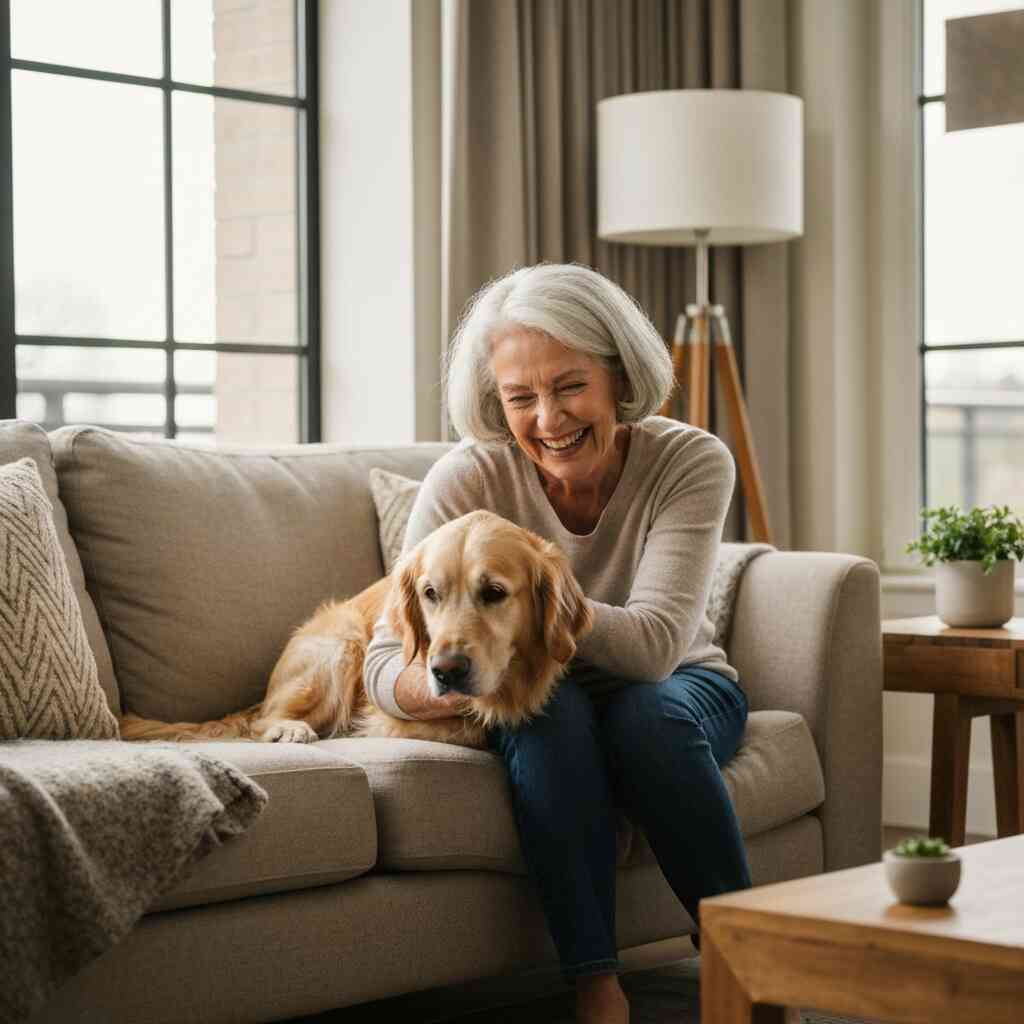
Choosing the right home for your golden years is a major life transition, especially when a beloved four-legged companion is involved. Your pet provides more than just company; they are a vital part of your emotional well-being and daily routine. Many families worry that moving into a senior living facility means leaving their furry friends behind. Fortunately, the landscape of retirement homes has evolved significantly to accommodate pets. Here are seven categories of facilities that prioritize both human comfort and the happiness of animal residents.
1) Luxury Senior Retirement Communities with On-Site Pet Spas
Finding a place that matches your lifestyle while welcoming your pets is easier than ever in modern luxury settings. These communities often go beyond standard pet policies by offering dedicated services like grooming, walking, and even on-site veterinary check-ins. When you prioritize pet-inclusive luxury senior retirement communities in the USA, you ensure that your lifestyle remains upscale and inclusive. These facilities provide an environment where your dog or cat is treated like a resident, not just a visitor. This is an effective way to maintain your standards while keeping your best friend by your side.
Elevating standards for aging in place with pets
Modern high-end facilities recognize that aging in place at residential communities is enhanced by the presence of a pet. You no longer have to sacrifice high-quality care or beautiful surroundings to have a dog or cat in your apartment. These communities often feature expansive grounds designed specifically for pet exercise and relaxation. Staff members understand the unique bond between an owner and their pet, ensuring that both thrive in their new home. This holistic approach helps you feel secure and truly at home from the day you move in.
Understanding the cost of assisted living in premium settings
Luxury retirement living comes with a higher price tag due to the premium amenities and high staffing ratios. When you review the cost of assisted living in these environments, factor in the added value of pet services. Many of these communities offer concierge-style pet care, which saves you the expense of hiring outside walkers or groomers. Always ask about bundled service packages to understand exactly what is covered under your monthly fee. Investing in this level of care often results in a higher quality of life for both you and your pet.
Accessing pet-inclusive amenities in high-end environments
Top-tier communities often feature custom-built pet spas, enclosed dog runs, and pet-friendly dining patios. These spaces allow for social interaction between residents who share a common love for their animals. You will find that staff members are trained to assist with daily pet needs, such as feeding or quick exercise sessions. Creating a seamless, worry-free environment where your pet is integrated into the daily fabric of the community is a priority. Having these amenities on-site means you spend less time managing logistics and more time enjoying your retirement.
2) Independent Living Communities Featuring Private Dog Parks
Staying active is a hallmark of independent senior living environments, and having a dog can be the perfect motivation. Many retirement communities for active seniors now incorporate private dog parks to facilitate regular exercise for both residents and their pets. These spaces provide a safe, fenced-in area where your dog can run off-leash under your supervision. It is a fantastic way to meet neighbors who are also fellow animal lovers, fostering a sense of community. The physical health benefits of daily walks are well-documented for both humans and their furry companions.
Social connection for active seniors and their companions
Shared interests, such as dog ownership, act as natural icebreakers in any new living arrangement. You will likely find that a dog park becomes the social hub of your community, allowing you to build lasting friendships. These connections often grow into regular walking groups or social outings, enhancing your overall experience. Being surrounded by like-minded people makes the transition to a new home feel much smoother and more inviting. The presence of pets in the community helps to create a vibrant, active social environment.
Evaluating senior apartment rentals with outdoor pet space
When searching for the perfect senior apartment rentals, look for units with ground-floor access or direct exits to outdoor areas. These features make it significantly easier to manage your pet’s routine, especially during early mornings or late nights. Ask the community management about the specific rules regarding dog sizes or breed restrictions to ensure your companion is welcome. Evaluating these details upfront prevents future stress and helps you make a confident decision. Your priority is to find a balance between interior comfort and accessible outdoor space for your friend.
Benefits of pets for seniors in community settings
The benefits of pets for seniors in community settings extend far beyond simple companionship. Research consistently shows that interacting with a pet can lower blood pressure, reduce feelings of loneliness, and increase physical activity. Having a sense of purpose-like feeding, grooming, and playing with your dog-adds structure to your day. This responsibility encourages engagement with the outside world and provides constant emotional support through life’s ups and downs. For many, a pet is the most important component of their daily mental and emotional health.
3) Continuing Care Retirement Communities with Comprehensive Pet Policies
Transitioning through different stages of care should not require you to rehome your pet. A continuing care retirement community (CCRC) is unique because it offers multiple levels of care on one campus. If your needs change from independent living to assisted living, your pet can often come with you. This stability is invaluable, as it prevents the trauma of separation during an already challenging health transition. Choosing a CCRC means planning for the long term and ensuring your pet remains a permanent member of your family.
Seamless transitions within a CCRC for you and your pet
One of the primary benefits of a CCRC is the continuity of your support system and living environment. When you understand the transition to continuing care retirement communities, you realize the importance of pre-planning for your pet. Inquire about their internal policies for moving a pet from one wing to another. Most well-managed communities have a clear policy that allows for this movement, provided your pet remains well-behaved. Knowing that your companion can stay by your side through every chapter of life provides immense peace of mind.
Reviewing pet guidelines during the search for housing options for seniors
When evaluating housing options for seniors, ask for a copy of the written pet policy. Some facilities might have weight limits, breed restrictions, or limitations on the number of pets allowed in an apartment. Do not rely on verbal agreements; ensure everything is documented in your housing contract before signing. This due diligence protects you and ensures that your pet is legally recognized as a resident. It is a vital step in the process of securing your future home.
Long-term stability for elderly pet owners
Long-term stability is a critical factor when selecting a senior living facility for a pet owner. You want a community that views your pet as an extension of your own identity and welfare. When you choose a facility that values the human-animal bond, you are choosing a partner in your long-term health. These facilities often have contingency plans for pet care if you are ever briefly hospitalized or unable to attend to them. This level of support ensures that you and your companion remain together for as long as possible.
4) Assisted Living Locations Offering Pet Therapy Programs
Assisted living locations that integrate professional pet therapy offer a unique and therapeutic environment. Even if you do not have your own pet, these programs allow you to interact with friendly animals regularly. This interaction is known to improve mood and cognitive function, especially for those living with chronic conditions. When choosing a facility, ask if they partner with local therapy dog organizations to visit their residents. These scheduled events often become the highlight of the week for many seniors.
Integrating animal companionship into assisted living plans
Developing an effective care plan often involves social and emotional stimulation, which pets provide in abundance. Some facilities allow you to keep your own pet while also offering community-wide pet therapy sessions. This dual approach ensures that you have the private comfort of your own companion and the communal joy of visiting therapy animals. It is a thoughtful way to promote wellness throughout the entire building. Such facilities often have a more vibrant, positive energy that fosters better overall health outcomes.
How to choose a nursing home that prioritizes pet-assisted wellness
When searching for the right nursing homes and long-term care, prioritize those that view wellness as a multi-faceted goal. Look for evidence of pet therapy in their monthly activity calendars and brochures. Observe how staff members interact with animals during your tours; a positive, welcoming attitude is a great sign. Facilities that truly prioritize wellness will be happy to explain how their programs benefit residents’ physical and mental state. Your choice should reflect a place that understands that emotional health is just as important as medical care.

Questions to ask assisted living coordinators about therapy animals
Always ask questions to ask assisted living coordinators about pets during your initial inquiry. Inquire about the training requirements for any therapy animals that visit the facility. You may also want to know if they provide “pet-sitting” or temporary care services for your personal pets if you have a planned outing or appointment. Understanding the facility’s culture toward animal interaction helps you determine if it is the right fit for your needs. Be specific about what you need for your own comfort and happiness.
5) Memory Care Near Me with Pet-Friendly Garden Courtyards
For those with cognitive decline, the presence of animals can be profoundly stabilizing. Memory care near me often utilizes secure, outdoor garden courtyards where pets can roam safely with residents. These spaces are designed to provide fresh air and sensory stimulation without the risk of wandering. Learning what is memory care for seniors with pets is a key step in ensuring your loved one remains connected and calm. Animal interactions in these settings have been shown to reduce agitation and promote a sense of groundedness.
Reducing anxiety in Alzheimer’s care facilities through animal interaction
Anxiety is a common challenge in Alzheimer’s care facilities, and structured animal interaction is a highly effective, non-pharmacological intervention. The soothing presence of a cat on a lap or a calm dog walking alongside a resident can work wonders. These moments of connection can bypass verbal barriers, providing comfort that words cannot offer. Staff members trained in dementia care know how to facilitate these interactions safely and effectively. The result is often a calmer, more peaceful environment for everyone living in the community.
Safety considerations for dementia care homes with pets
Safety is the top priority in any memory care environment, especially when animals are present. Communities must ensure that pets are properly screened for temperament and that their behavior is predictable. Garden courtyards should be securely enclosed to prevent both residents and pets from wandering away. Furthermore, hygiene protocols are strictly maintained to keep living areas clean and safe for all inhabitants. These layers of safety allow residents to enjoy the companionship of pets without unnecessary risk.
Understanding what is memory care regarding emotional support animals
Emotional support animals can play a significant role in a memory care resident’s daily experience. While they are not the same as service animals, they provide immense comfort to individuals struggling with confusion or memory loss. Work with facility administrators to ensure that having a support animal is integrated smoothly into the resident’s care plan. They can provide advice on how to manage the responsibilities of ownership while ensuring the resident’s medical needs are fully addressed. This collaborative effort helps maintain the highest possible standard of emotional support.
6) Affordable Senior Living with Pet-Inclusive Residential Care
Budget concerns should not automatically disqualify you from finding a home that welcomes your pet. There are many affordable senior living with pet-inclusive care options that cater to seniors with varying financial needs. These communities focus on providing essential care and socialization while keeping costs manageable. You might explore age-restricted housing for seniors that offers subsidized rent or assistance with monthly expenses. Finding the right balance between affordability and companionship is possible with the right resources.
Finding senior living for low-income seniors that welcomes pets
The search for senior living for low-income seniors often requires patience, but it is worth the effort. Look for communities that partner with local charities or nonprofit organizations to offer flexible payment plans. Some state-run facilities have dedicated pet-friendly units that are reserved for lower-income applicants. You may also want to investigate local housing authorities for information on subsidized units that allow pets. Being proactive and reaching out to specialized advisors can help you locate these hidden gems.
Navigating Medicaid senior housing and pet ownership rules
If you are planning to rely on Medicaid senior housing, keep in mind that pet policies can be more restrictive. Because these facilities operate under government guidelines, their rules on animal residence are often rigid to maintain health and safety standards. However, some facilities do allow small pets if the resident is able to care for them independently or with minimal help. Contact the facility directly to discuss the specifics of your situation and to see if a waiver or exception is possible. Clear communication with case managers is essential to ensure your pet can remain with you.
Balancing budget and companionship in residential care facilities
The goal is to find a community where your budget stretches to cover both your needs and those of your pet. Consider the overall cost of living, including pet food, insurance, and potential vet visits, when building your monthly budget. Some facilities offer “pet-friendly” status but charge extra fees for pet cleaning or waste management. Being fully aware of these costs upfront helps you avoid financial stress down the road. Focus on finding a balance that ensures both you and your pet can enjoy a dignified and stable life.
7) Skilled Nursing Facilities with Resident-Led Pet Visitation
While skilled nursing facilities are generally more clinical, many have evolved to include flexible pet visitation policies. Resident-led visitation means you can invite your pet to visit you regularly, even if they do not live in the facility full-time. This provides the emotional boost of seeing your companion without the burden of full-time pet care duties. It is a popular option for those who need medical monitoring but still crave the connection of an animal. These visits often take place in common areas or private, quiet rooms designed for family time.
Difference between skilled nursing and assisted living pet protocols
Understanding the difference between skilled nursing and assisted living is crucial for setting your expectations. Skilled nursing facilities have a much higher focus on medical care, so their pet policies are often designed to prevent any interference with medical equipment or sterile environments. Conversely, assisted living is more focused on residential support, offering more freedom for residents to keep pets in their personal apartments. If you are choosing a facility, clarify these distinct operational philosophies during your initial tour. Knowing what to expect allows you to choose the environment that best fits your medical and lifestyle requirements.
Ensuring quality of life in a long-term care facility
Quality of life in any long-term care environment is significantly improved by meaningful social connections, including those with animals. Whether it is a daily visit from a resident’s own dog or a weekly therapy animal program, these connections provide joy and normalcy. Staff members often report that residents are more cooperative and cheerful when they have regular contact with pets. This culture of warmth is a strong indicator of a facility that truly cares about the individual. When you see animals in a facility, it is usually a sign of a compassionate and forward-thinking administration.
Leveraging VA benefits for senior care in pet-welcoming environments
If you are a veteran, you may be able to use VA benefits for senior care to help cover the costs of your stay. Some facilities are specifically vetted for veterans and offer pet-friendly policies as part of their commitment to wellness. You can research local facilities that accept these benefits and inquire about their specific approach to integrating pets. Being a veteran can open doors to unique resources and support networks designed to make your life more comfortable. Utilizing these benefits effectively can help you secure a place in a high-quality, pet-friendly community.
Frequently Asked Questions
Question: Why should I use Senior Living Facilities to find a home from the Top 7 Pet Friendly Senior Living Facilities Across the USA?
Answer: Choosing a residence is a monumental decision, and our platform is designed to make this transition seamless for you and your companion. Senior Living Facilities acts as a dedicated senior living advisor, helping you navigate the complexities of pet-friendly assisted living and independent living communities. By utilizing our search tools, you gain access to vetted housing options for seniors that prioritize animal welfare, ensuring you do not have to compromise on your lifestyle or the bond you share with your pet. We take the stress out of your search by providing clear information on pet policies, amenities, and costs.
Question: Are there affordable senior living options for those of us with pets on a limited budget?
Answer: Absolutely. We understand that financial constraints are a primary concern for many families. On our platform, you can filter for affordable senior living with pet-friendly features that cater to your specific financial situation. We assist in identifying communities that may offer subsidized rent, accept Medicaid senior housing vouchers, or partner with local organizations to make your transition into a residential care facility for elderly pet owners both dignified and budget-conscious.
Question: What specific questions should I ask assisted living coordinators about pets before I sign a contract?
Answer: When you connect with a facility, ask about their specific pet policies regarding weight limits, breed restrictions, and the number of animals allowed in senior apartment rentals. Inquire if they offer services like pet walking, grooming, or on-site veterinary check-ins. Furthermore, ask how they handle pet care if you are temporarily hospitalized, and ensure that all rules are clearly documented in your lease. Our team at Senior Living Facilities can provide you with a full checklist of questions to ask assisted living coordinators to ensure your furry friend is legally welcomed and supported.
Question: Can my pet stay with me if I need to transition into a memory care facility or a nursing home?
Answer: Many of the communities we work with, including those featuring Alzheimer’s care facilities or dementia care homes, recognize the profound benefits of pets for seniors. While clinical settings like skilled nursing facilities may have more rigid rules, many now embrace resident-led pet visitation or pet therapy programs. If you are looking for memory care near me, we help you identify locations that offer secure, pet-friendly garden courtyards where your loved one can safely enjoy the company of an animal while receiving the highest standard of care.
Question: How does aging in place with pets benefit my long-term health and emotional well-being?
Answer: The presence of a pet significantly enhances your quality of life. Research shows that animal companionship reduces blood pressure, eases feelings of loneliness, and provides a structured routine that encourages physical activity. By choosing a continuing care retirement community or other residential options through our directory, you ensure that you can continue your journey of aging in place with pets by your side, maintaining your sense of purpose and joy throughout every chapter of your retirement.
Senior Living Facilities Editorial Team
Expert contributor specializing in senior living care. Dedicated to providing families with clear, actionable advice.