
Top 8 Board and Care Homes for California Seniors in 2026

You notice the changes in small moments first. The forgotten stove burner. The missed shower. The phone calls that sound more confused each week. If you are reading this late at night, trying to decide between care and independence, that stress is real. California families ask this question every day, and board and care homes often feel like the relief point.
1) The board and care home choice that feels like a relief when big facilities feel too overwhelming
Why California families start looking at board and care homes instead of larger assisted living locations
Families usually start here after one hard conversation. Mom is not safe alone, but she still does not want a huge campus. Dad hates crowded hallways and noisy dining rooms. A board and care home can feel less intimidating than larger assisted living locations because the setting is smaller and more residential. That calmer feel matters when emotions are already high.
In the context of a recent hospital discharge or a bad fall, families often turn to a senior living directory for a faster path to options. They are not shopping for lifestyle perks. They are trying to find steadiness fast. That is why Senior Living Facilities can be useful as a [senior living locator] when you need a quicker, clearer search path. You can compare board and care homes without sorting through a hundred oversized options.
What makes a residential care facility different from a nursing home or memory care near me search
A residential care facility is usually a smaller, home-like setting. It is not the same as a nursing home or a skilled nursing facility, which are built for higher medical needs and therapy. It is also not always the right answer for every memory care near me search. That distinction matters because families often use those terms interchangeably.
Here is the part most families miss. A board and care home can support daily living, but it may not replace a true medical setting. If your loved one needs frequent clinical monitoring, a long-term care facility may be more appropriate. If they mainly need supervision, meals, and personal help, a residential care setting may fit better. That is where a California assisted living and residential care facility options search becomes more practical than a broad national search.
When a smaller senior living facility is the better fit for aging in place with support
A smaller [senior living facility] can support aging in place when the goal is to keep life familiar. The kitchen feels like a kitchen. The living room feels like a living room. That can reduce resistance, especially for someone who becomes anxious in busy environments. Small settings also make routines easier to notice.
One family in Orange County told us their father stopped eating in a larger community because the dining room felt too loud. After moving to a smaller home, he relaxed enough to finish meals again. That was not a miracle. It was simply the right environment. The right fit often looks ordinary from the outside, but it changes the day-to-day experience in a meaningful way.
How California assisted living rules shape the kind of care a board and care home can safely provide
California rules shape what a board and care home may provide, and that is good for families. These homes are typically part of the broader California senior housing regulations framework for residential care. They are not allowed to promise care beyond what their license supports. That means you should always confirm the license type and the scope of help offered.
This is where careful comparison matters. A home may support medication reminders, bathing help, and supervision, but it should not blur into skilled medical care. If you are unsure, ask directly how the home handles nighttime checks, transfers, and changing needs. The safest choice is the one that matches the license, the staff skill set, and your loved one’s actual daily needs.
2) The quiet middle ground between independence and full-time care
How board and care homes compare with independent living communities and 55 plus apartments
Think of this as a spectrum. Independent living communities and 55+ apartments are best when someone wants less responsibility, not more help. Board and care homes add hands-on support. That middle space matters because many seniors are not ready for a nursing setting, but they are past total independence.
If you are comparing independent senior living and 55 plus apartments, ask yourself one simple question. Does Mom only need a lighter lifestyle, or does she need daily support? If she still cooks, manages medications, and moves safely, an apartment-style option may work. If she forgets meals or falls often, a board and care home may be safer.
What level of help families usually expect in communities for seniors 55 plus with daily support
In communities for seniors 55+ with daily support, families usually expect help with the basics. That may include meals, bathing assistance, reminders, and supervision. It may also include help with dressing, mobility, or transportation planning. The key is not luxury. It is consistency.
A good [senior living facility] should clearly explain what counts as assistance and what does not. That clarity protects everyone. It also helps avoid disappointment later. Families often arrive thinking “support” means the same thing everywhere, but it does not.
Why some seniors prefer senior apartment rentals with care nearby over a larger senior living directory option
Some people want privacy first. They like the idea of senior apartment rentals or [senior citizen housing] with care available nearby, not inside every moment of the day. That preference is common among older adults who still value choice. A larger [senior living directory] can show many options, but it may not reveal which ones feel calm and manageable.
That is why search strategy matters. If you are trying to balance independence with support, narrow the list by real needs. Look for housing options for seniors that match mobility, medication, and supervision needs. The right match should protect dignity, not just fill a bed.
Which signs suggest the move is about safety more than lifestyle
Safety usually becomes the issue when routines start slipping. Missed medications matter. Unexplained bruises matter. So do unpaid bills, repeated falls, and wandering outside at odd hours. These are not small things. They are signs that the current setup is wearing thin.
Aging in place is still possible in many situations. But if the home is becoming a hazard, the conversation shifts. You are no longer choosing between convenience and comfort. You are choosing between risk and support. That is a very different decision.
3) The daily care details that matter more than fancy brochures
How meals, medication reminders, and personal assistance usually look in a senior living facility
In a strong [senior living facility], daily care should be predictable. Meals should be served on schedule. Medication reminders should be documented carefully. Personal assistance should be respectful, not rushed. Those basics matter far more than polished brochures or staged photos.
Families sometimes focus on décor first. That is understandable, but it is not the main issue. Ask how meals accommodate dietary needs. Ask how staff handles missed doses. Ask what happens if someone needs help getting up during the night. Those details tell you much more than marketing ever will.
What questions to ask about staffing patterns when comparing senior living facilities
Staffing questions should be direct. Ask who is on site overnight. Ask how many residents each caregiver supports. Ask who steps in during illness, call-outs, or emergencies. You are not being difficult. You are doing due diligence.
Use this short checklist during tours:
- How many caregivers are awake at night?
- Is there a medication-trained staff member on site?
- How are falls documented?
- What happens if a resident declines care?
- Who handles urgent changes in condition?
These are the questions to ask assisted living before you sign anything. The answers should be plain and consistent. If they are vague, keep looking.
Why small home settings can feel more personal than a large senior citizen housing campus
A small home often feels more human. The dining table is closer. The staff learns preferences faster. The whole environment can feel less like an institution and more like a household. That is often a relief for someone who feels exposed in larger settings.
One family in the Bay Area told us their mother recognized the smell of breakfast coffee and felt calm immediately. That sounds minor, but it mattered. Familiar cues can reduce resistance. In a smaller setting, those cues are easier to create and maintain. That is one reason [senior citizen housing] can be so different from a board and care home.
What to confirm about supervision if your loved one has mobility limits or needs help at night
Night supervision is where many families get surprised. A resident may seem fine during a daytime tour, then struggle after dark. Ask about toileting help, fall response, and bathroom access at night. If your loved one uses a walker or has a history of nighttime confusion, these questions are essential.
Also ask how the home handles transfer help and emergency calls. That is especially important if your loved one needs regular assistance getting in and out of bed. A pretty home is not enough. Supervision must match the real pattern of need.
4) Why memory support changes the decision faster than most families expect
What is memory care and when a board and care home may or may not be enough
What is memory care is a common question, and the answer is simple. It is a specialized setting for people with dementia-related needs, especially safety, routine, and supervision. A board and care home may be enough if forgetfulness is mild and the person is still safe with reminders. It may not be enough if wandering, aggression, or major confusion is happening.
The decision changes quickly once memory loss affects daily safety. That is why families should not wait for a crisis. If your loved one leaves the stove on or gets lost nearby, the care level may need to rise. That is not failure. It is an adjustment.
How dementia care homes and Alzheimer’s care facilities differ from general residential care facilities
[Dementia care homes] and [Alzheimer’s care facilities] usually use a more specialized approach. Staff may be trained to redirect confusion, reduce triggers, and maintain predictable routines. General [residential care facilities] can still offer good support, but they may not be designed for memory-specific behaviors. The difference is practical, not just semantic.
If you are comparing options, ask how they handle repetition, exit-seeking, and agitation. Ask whether the environment is secured. Ask how they communicate with families when behavior changes. Those answers show whether the setting is truly suitable for memory needs.
What families should watch for if forgetfulness, wandering, or confusion is becoming daily
Daily memory problems usually show up in patterns. Repeated questions. Missed meals. Confusing day and night. Leaving doors open. Forgetting familiar routes. These are not quirks. They are warning signs.
If the behavior is becoming constant, write it down for a week. Note what happened, when it happened, and what followed. That record helps you compare memory care near me options with more general care settings. It also helps physicians and placement advisors understand the real need.
When to compare memory care near me results with assisted living plans that include added support
Sometimes families assume memory care is the only answer. Not always. Some assisted living plans include enough structure for early-stage cognitive changes. The question is not the label. It is whether the setting can keep your loved one safe and oriented.
That is where a side-by-side review helps. Compare room setup, staff presence, and routine consistency. If a home cannot support wandering risk or frequent redirection, move on. If it can, you may not need a more specialized option yet.
5) The money question every California family asks sooner or later
What drives the cost of assisted living and why board and care homes can vary so much
The cost of assisted living depends on care level, setting size, and location. Board and care homes can vary because some offer more hands-on attention than others. The home’s license, staffing, and room configuration also matter. In California, local housing pressure can push prices in very different directions. 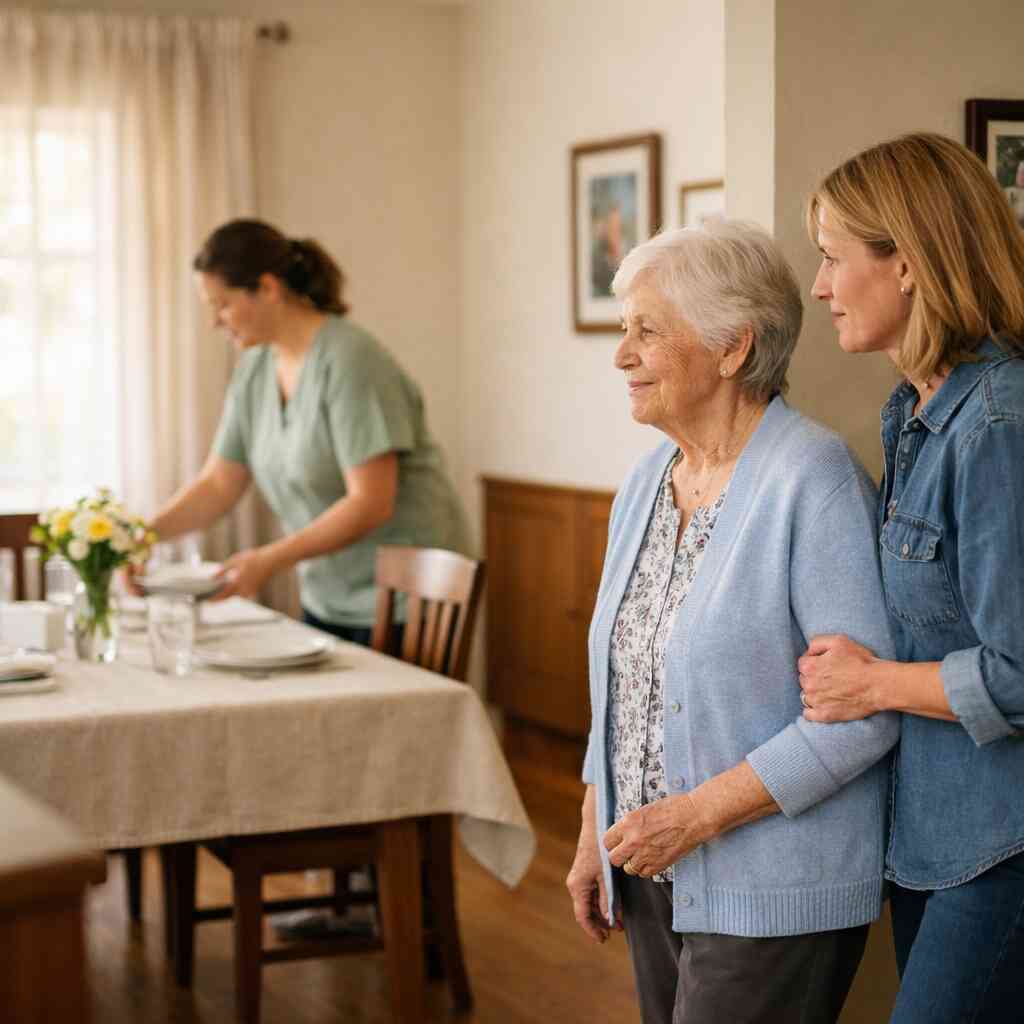
The 2023 Genworth Cost of Care Survey remains a useful benchmark for families comparing care types. Still, local quotes matter more than averages. Ask what is included, what is extra, and what happens if care needs increase. That is where surprises usually hide.
How to think about affordable senior living without assuming the lowest price is the safest choice
Affordable should mean sustainable, not bare-bones. Affordable senior living is only helpful if the care is stable. A very low quote can hide understaffing, limited supervision, or rushed routines. That is not a bargain.
This is especially important for senior living for low-income seniors. Families often start with the budget and end with fear. That tension is normal. The better question is, “What level of care can we truly rely on every day?” That answer matters more than the sticker number.
Where Medicaid senior housing, long-term care insurance, and VA benefits for senior care may fit
Funding options can help, but they are not automatic. Medicaid senior housing options for California families may apply in limited situations, depending on eligibility and setting. Long-term care insurance can help with qualifying care costs. VA benefits for senior care and housing options may also help eligible veterans and spouses.
Do not assume every board and care home accepts every funding source. Ask early. Confirm documentation needs. And if you are comparing multiple paths, consider using senior placement services and free senior referrals to save time and reduce mistakes.
Why it helps to compare California assisted living options with senior living costs by state
California is often priced differently from states like Texas or Florida. That is why statewide comparison matters. Senior living costs by state can show why one quote seems unusually high or unusually low. Regional rent, labor, and regulatory factors all play a role.
If you are comparing across states, use a trusted [assisted living locator] and keep the comparison consistent. Compare similar care levels. Compare similar room types. Compare similar staffing promises. Otherwise, the numbers will mislead you.
6) The paper trail that keeps a move from falling apart
Which California senior housing regulations families should verify before choosing a home
Before you choose a home, verify the license and the care category. California licensing rules can affect staff expectations, resident limits, and service boundaries. You should also ask how the home tracks incidents, medications, and care changes. Those systems protect residents more than any slogan ever could.
The best homes answer these questions plainly. They do not get defensive. If a provider cannot explain its compliance basics, move on. That is one of the clearest signs you should keep searching.
How to use CMS star ratings and state oversight carefully when comparing care settings
[CMS star ratings] are useful, but context matters. They are most familiar in nursing settings, and they should be read carefully when comparing care environments. A rating can help you spot patterns, but it should never be the only factor. Use it as one tool, not the whole decision.
State oversight also matters, especially for residential care. Review inspections, complaint history, and any corrective actions. If you are comparing CMS star ratings for nursing homes and care homes, keep the standards straight. Different settings follow different rules.
What documents and care notes make senior placement services and a free senior living referral more useful
Good paperwork speeds everything up. Bring medication lists, physician notes, mobility concerns, and behavior changes. Also include hospital discharge instructions if there was a recent stay. The more complete the record, the better the match.
That is why [free senior living referral] support can be so helpful. A [senior living advisor] can compare needs faster when the facts are organized. You do not need a perfect file. You just need honest, current information. That makes placement much more accurate.
Why licensing, complaint history, and inspection records matter more than marketing language
Marketing language is designed to reassure you. Records are designed to protect you. That is the difference. A beautiful website cannot tell you how a home responds to a fall, a medication error, or a family concern.
Use the facts first. Then visit. Then ask follow-up questions. This sequence keeps emotion from overriding judgment. It also helps you spot the homes that are actually stable.
7) The California neighborhoods where smaller care settings can feel more practical
Why board and care homes often appeal to families in Los Angeles, Orange County, and the Bay Area
In Los Angeles, Orange County, and the Bay Area, smaller care settings often make sense because space is tight. Families also value shorter drives and easier visitation. A board and care home can feel more reachable than a larger campus across town. That is practical, not sentimental.
You will also see more urgency in these markets. Families searching for [best senior living near me] often need options quickly after a decline or discharge. The right home is usually the one that is available, appropriate, and close enough to visit regularly. Geography can matter as much as the care plan.
How regional housing pressure affects senior living with no waitlist and urgent placement searches
High housing pressure affects everything. It can change availability. It can raise demand for senior living with no waitlist. It can also shrink the time families have to decide. That pressure is real in coastal California.
A rushed move should still be careful. Even if the need feels urgent, do not skip license checks or staff questions. If a placement must happen quickly, use a trusted search tool and compare only the homes that clearly fit the care level. Speed should not erase safety.
What to consider when comparing inland versus coastal senior living for low-income seniors
Inland areas may offer different access, different costs, and different family logistics. Coastal areas may be closer to adult children, specialists, and familiar communities. Neither is automatically better. The right choice depends on budget, support, and transportation.
For [senior living for low-income seniors], even small differences in distance can matter. A cheaper home that is impossible to visit may not actually serve the family well. Look at the total burden, not just the monthly quote. That includes time, gas, and stress.
How local climate, traffic, and family access can change the right assisted living locator result
California weather can help or complicate daily life. Heat in inland valleys. Fog on the coast. Traffic on the 405 or the 101. These details change how often family can visit and how easily appointments happen.
That is why an [assisted living locator] should not just sort by city name. It should help you think about access. If your family needs frequent visits, proximity matters. If weather sensitivity is an issue, climate matters too.
8) The decision frame that helps you choose with confidence instead of panic
How to compare board and care homes against assisted living vs nursing home options without getting lost
Start with function, not labels. If the person needs light support, compare board and care homes with independent living communities or retirement homes. If daily hands-on help is needed, compare board and care with assisted living vs nursing home options. If medical recovery is central, skilled nursing facilities may be the better fit.
Care typeBest forTypical concernBoard and care homeSmall-group support and daily helpLimited medical complexityAssisted livingMore structured personal careNot enough for heavy clinical needsNursing homeSkilled medical supervisionLess home-like and often more clinicalIf you want a deeper comparison, use this assisted living versus nursing home comparison before touring. It can keep the decision grounded. And it helps you avoid paying for care that does not match the need.
Which questions to ask assisted living before a tour so you can see past the sales pitch
Ask the hard questions early. What happens after a fall? Who handles medication changes? How are care increases handled? Can the home support changing mobility needs? Those answers tell you more than polished tours ever will.
A strong tour should feel specific, not scripted. Ask to see the medication process. Ask about overnight coverage. Ask how families are updated when needs shift. These are the questions to ask assisted living that reveal real quality.
When a senior living advisor or senior placement services partner can save time and stress
A good senior living advisor can save you from repeating the same calls ten times. They can narrow the list, flag mismatches, and explain tradeoffs. That is especially helpful when the move is urgent or emotional. You still decide. You just do not have to sort every detail alone.
This is where [senior placement services] and a [free senior living referral] can be practical. If your notes are organized and your questions are clear, the process moves faster. That matters when discharge dates, family schedules, or declining safety are already pressing.
What a calm short list looks like when you are ready to make the final choice
A calm short list is small. Three homes, not thirteen. Each one licensed. Each one able to explain staffing. Each one a reasonable fit for care level and budget. That is enough.
Then compare the details that matter most:
- Safety and supervision
- Care fit
- Location and family access
- Funding compatibility
- Communication style
You do not have to figure this out alone, and you do not have to solve every part today. Start with one call, one tour, and one honest comparison through Senior Living Facilities.
Frequently Asked Questions
Question: How can Senior Living Facilities help me compare board and care homes, California assisted living, and other housing options for seniors when I need care fast?
Answer: Senior Living Facilities helps families search, compare, and connect with senior living options across all 50 states, including California assisted living, board and care homes, residential care facilities, independent living communities, and other housing options for seniors. If you are feeling overwhelmed, our senior living directory and assisted living locator can help you narrow the search based on care needs, location, and support level. We understand that families often need more than just a list of assisted living locations; they need a clear way to compare real differences in daily support, supervision, and comfort. That is especially important when someone is moving after a hospital stay, facing mobility changes, or exploring senior living with no waitlist. Our goal is to make the process simpler, warmer, and more manageable so you can focus on the right fit rather than sorting through every option alone.
Question: What should I look for when comparing the Top 8 Board and Care Homes for California Seniors in 2026?
Answer: When comparing the Top 8 Board and Care Homes for California Seniors in 2026, focus first on care fit, supervision, and communication. A board and care home should feel residential and calm, while still offering the daily support your loved one actually needs. Ask how the home handles meals, medication reminders, bathing support, nighttime supervision, and changes in condition. It is also wise to compare the home’s license type and make sure the care level matches California senior housing regulations. Senior Living Facilities can help you organize those comparisons without getting lost in marketing language. We encourage families to use practical questions to ask assisted living and similar care settings so the final choice is based on safety, comfort, and reliability rather than appearance alone.
Question: How do I know whether my loved one needs board and care homes, memory care near me, or skilled nursing facilities?
Answer: The right choice depends on how much support your loved one needs day to day. Board and care homes are often a good fit for seniors who need supervision, meals, personal assistance, and a smaller setting. If memory loss, wandering, or confusion is becoming a daily safety issue, memory care near me may be more appropriate, especially if the person needs a more structured environment. If medical recovery, frequent clinical monitoring, or rehabilitation is the priority, skilled nursing facilities or a long-term care facility may be the better match. Senior Living Facilities helps families compare assisted living vs nursing home options, understand what is memory care, and sort through the difference between skilled nursing and assisted living without unnecessary stress. Our role is to make the search clearer so you can match care level to real needs.
Question: How does Senior Living Facilities support families looking for affordable senior living, senior living for low-income seniors, Medicaid senior housing, or VA benefits for senior care?
Answer: Many families begin their search with budget concerns, and that is completely understandable. Senior Living Facilities helps people explore affordable senior living, senior living for low-income seniors, Medicaid senior housing possibilities, long-term care insurance questions, and VA benefits for senior care when applicable. We also help families compare the cost of assisted living across different care settings and understand how senior living costs by state can vary. Because funding rules and eligibility can differ, it is important not to assume every board and care home accepts the same payment sources. Our team and directory make it easier to compare options, ask the right questions, and avoid surprises. We aim to support practical decisions that balance safety, comfort, and financial reality.
Question: Can Senior Living Facilities help me if I am comparing California assisted living with independent living communities, 55+ apartments, or senior apartment rentals?
Answer: Yes. Many families are not sure whether they need full daily help or just a lighter lifestyle with some support nearby. Senior Living Facilities can help you compare California assisted living with independent living communities, 55+ apartments, senior apartment rentals, retirement homes, and other elderly housing choices. This is especially helpful if your loved one still values independence but may need help with meals, medication reminders, transportation, or supervision. Our platform is designed to help families sort through housing options for seniors and rental housing for seniors based on actual needs, not just labels. If you are trying to support aging in place while staying safe, we can help you compare options that preserve dignity and daily routine.
Question: Why should I trust Senior Living Facilities instead of searching for assisted living locations on my own?
Answer: Searching on your own can be time-consuming and confusing, especially when every community sounds similar at first. Senior Living Facilities brings together a broad senior living directory, a helpful senior living advisor approach, and free senior living referral support so families can compare options more efficiently. We focus on helping you understand real differences between assisted living plans, board and care homes, memory care near me searches, and other senior living facility choices. Our process is built around Search, Compare, and Connect, so you can move from uncertainty to action with more confidence. We do not push one single solution. Instead, we help you find a match that feels realistic for care needs, budget, and family access. That kind of guidance can make the decision feel less overwhelming and more thoughtful.
Admin
Expert contributor specializing in senior living care. Dedicated to providing families with clear, actionable advice.