
When Should Families Consider Skilled Nursing in 2026
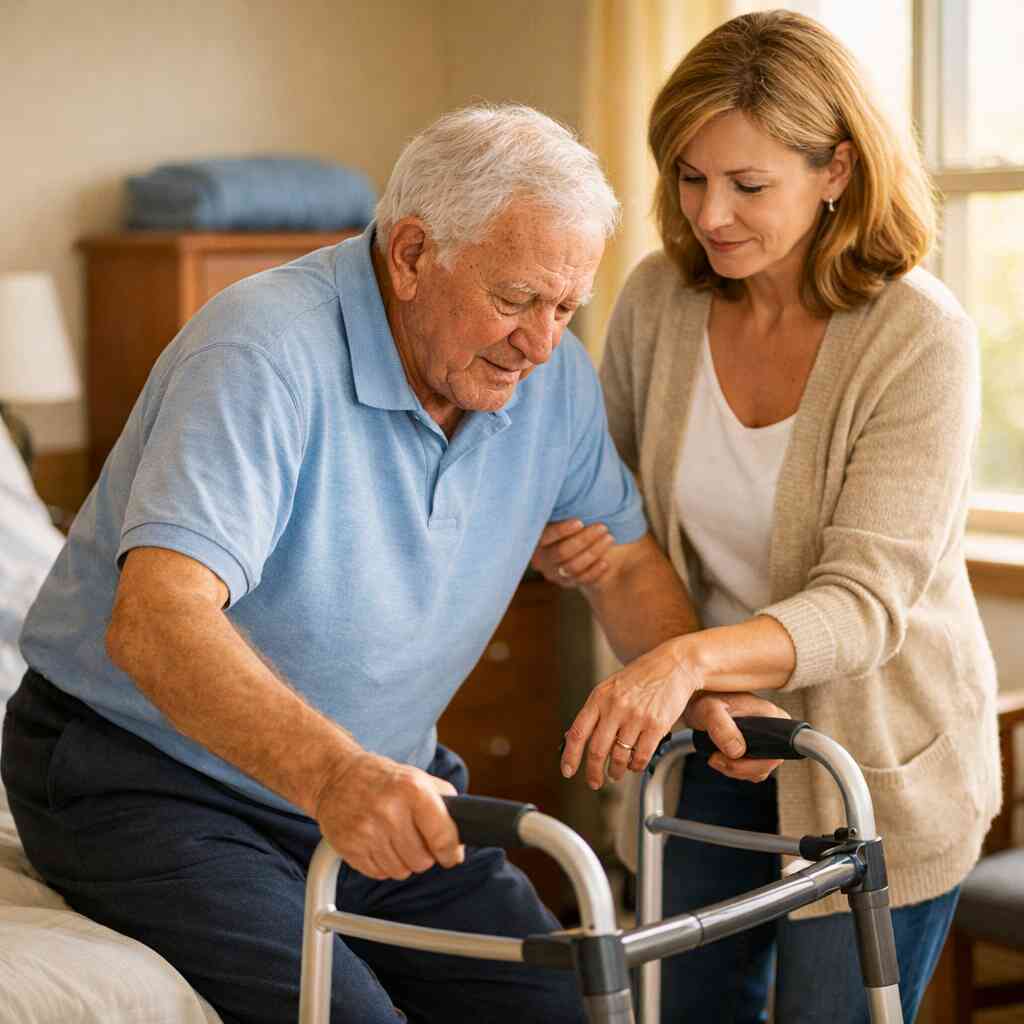
When a hospital discharge feels too soon and home feels no longer safe
If you are reading this after a rushed discharge call, your stomach may already be in knots. That feeling is real. Families often realize this is the moment when more help at home is not enough. The hard part is that “safe enough” can change quickly after a fall, surgery, or sudden illness.
The question is not whether your loved one wants to go home. Most do. The real question is whether home can now meet the level of care they need without constant worry. For many families, that is the point where when to consider skilled nursing becomes more than a search phrase.
The signs that a loved one needs 24-hour nursing supervision instead of more help at home
A need for 24-hour nursing supervision usually shows up in ordinary moments. You may notice missed medications, unsafe transfers, or a refusal to eat. You may also see a person who cannot explain what hurts, cannot follow directions, or becomes exhausted after a few steps. Those are not small concerns. They are signals.
Here is the part most families miss: needing help with bathing or meals is not the same as needing clinical oversight. When a person needs monitoring for oxygen, blood sugar, catheter care, wound changes, or sudden confusion, a regular home setup starts to strain. If you are comparing signs a loved one needs skilled nursing care, look closely at both safety and medical complexity.
One daughter in central Florida told us her father looked “fine” for two days after discharge. Then he missed two doses of medication, nearly fell in the bathroom, and forgot why he was home. That kind of pattern often means the discharge plan was thinner than the reality.
Why repeated falls, weakness, or confusion can point to a skilled nursing facility
Repeated falls are never just about clumsiness. They often point to weakness, balance loss, poor vision, side effects from medications, or a deeper medical issue. When falls keep happening despite walkers, grab bars, and help from family, you may be past aging in place support and into higher-care territory. At that stage, families often need a skilled nursing facility with close monitoring.
Confusion matters just as much. Sudden forgetfulness, nighttime wandering, or mixing up day and night can make a home unsafe in ways that are easy to underestimate. If cognition is changing, families often search for memory care near me before realizing the person may also need nursing support. The difference is not academic. It affects every hour.
What families often miss after surgery when recovery at home becomes a setback
After surgery, the danger is often not the incision itself. It is the chain reaction. Pain leads to less movement. Less movement leads to weakness. Weakness leads to falls, skipped meals, and more confusion. That is why post-hospital recovery support and discharge planning matters so much.
Families also miss how quickly one “good day” can hide a bad pattern. A senior may walk once with assistance and seem ready for home. Then fatigue, swelling, or dizziness hits at 7 p.m., when no one is scheduled to help. If the recovery plan needs round-the-clock attention, short-term rehabilitation care may be safer than a return to the house. In some cases, that means short-term rehabilitation care after hospitalization inside a nursing setting.
The line between assisted living and skilled nursing that changes everything
This is where families get stuck. The words sound close, but the care is not close at all. Assisted living plans focus on support with daily life. Skilled nursing adds licensed clinical care, monitoring, and rehabilitation services. That difference can change the whole care path.
If you want the simplest possible frame, think of it this way: assisted living helps a person live with support. Skilled nursing helps a person recover or live safely with medical complexity. When the gap between those two widens, the search shifts from a senior living community to a nursing setting. For a clear side-by-side, many families start with the difference between skilled nursing and assisted living.
Difference between skilled nursing and assisted living in plain English
Assisted living is built for people who need help with meals, bathing, dressing, reminders, and social structure. Skilled nursing is built for people who need licensed nursing care, wound checks, rehabilitation, or close medical supervision. That is the plain-English version. The details matter because the right setting protects dignity as well as health.
In assisted living, staff may help with personal care and supervision. In skilled nursing, nurses and therapy teams are part of daily life. That matters if you are sorting through assisted living plans and wondering why they suddenly feel too light. It also matters when nursing home vs assisted living is no longer a theoretical question. The answer should come from care need, not fear.
AreaAssisted LivingSkilled NursingMain purposeSupport with daily livingMedical care and rehabilitationClinical oversightLimitedOngoing, licensed supervisionBest fitMore independenceHigher medical complexityCommon focusMeals, reminders, personal helpRecovery, monitoring, therapy### When assisted living plans stop matching the level of care a senior now needs
Assisted living plans stop fitting when the care needs become unpredictable. Maybe your loved one now needs help every few hours, not just mornings and evenings. Maybe they cannot safely stand, cannot manage meds, or need checks for blood pressure swings. That is usually the moment assisted living starts to look thin.
Here is a common mistake we see: families wait for a crisis because the existing place feels familiar. Familiar is not the same as appropriate. If the person now needs wound dressing changes, frequent vitals, or swallowing precautions, a long-term care facility may be more realistic. In some cases, families compare skilled nursing facilities with residential care facilities and realize the medical layer is what matters most.
How memory care near me and dementia care homes fit into the decision when cognition is changing
Changing cognition can push a family toward several options at once. Some people need memory support, but not yet full nursing. Others need both dementia supervision and nursing oversight. That is why searches for memory care near me often lead families into deeper care decisions.
Memory care helps with safety, structure, and cueing. Nursing adds medication oversight, skin checks, and clinical monitoring. If your loved one is wandering, resisting care, or forgetting how to use the bathroom safely, the care mix matters more than the label. In that moment, dementia care homes and memory care options may be part of the conversation, but skilled nursing may still be the safer landing spot.
The medical and daily care signals that should move you toward nursing home level support
Some needs are too complex for a lighter setting. That sounds blunt, but families often ask for honesty. If a person needs repeated nurse visits, therapy coordination, wound support, or a high level of observation, a skilled setting is often the practical answer. The goal is not to label the person. The goal is to keep them stable.
What we see in 2026 specifically is more families trying to stretch home care one week too long. That extra week can bring a hospital return. It can also create caregiver burnout, which makes every decision harder. If the home picture is already fragile, long-term care facility support for complex medical needs deserves a serious look.
Complex medical care for seniors that usually needs a long-term care facility
Complex medical care often includes oxygen management, post-stroke monitoring, diabetes complications, heart failure symptoms, or multiple chronic conditions that interact badly. When those issues stack up, family help alone can become unreliable. A skilled setting can coordinate the moving parts better than a crowded kitchen table.
You may also hear clinicians mention Medicare, rehab goals, or discharge barriers. Those phrases matter. They often indicate the person needs more than supervision. They need a team. In that case, families should explore Medicare skilled nursing coverage explained and ask how treatment goals match the stay.
Wound care and recovery support when healing needs licensed clinical oversight
Wounds can look small and still carry big risk. A pressure injury, surgical incision, or diabetic foot issue may need regular assessment, sterile technique, and a fast response to changes. That is not a casual care task. It is clinical work.
Families often underestimate how much coordination wound care requires. Dressing changes, skin checks, infection watch, and nutrition all connect. If any one piece slips, healing can stall. For that reason, wound care and recovery support for seniors should be a direct question during every tour.
Medication management for seniors when missed doses or side effects become dangerous
Medication issues are one of the clearest warning signs. Double dosing, skipped doses, confusion about timing, or bad reactions can quickly turn unsafe. The more prescriptions a person has, the more fragile the system becomes.
Skilled nursing helps because staff can monitor patterns, not just bottles. They can see when a medication makes the person sleepy, dizzy, or agitated. They can also coordinate with doctors when changes are needed. That kind of [medication management for seniors] is especially important after hospitalization, when regimens often change three times a month.
Physical therapy after hospitalization and occupational therapy for older adults after a major decline
Therapy is often the bridge between hospital and home. But only if the person can participate safely. [Physical therapy after hospitalization] works best when the patient has enough strength, balance, and attention to engage. [Occupational therapy for older adults] helps with daily tasks like dressing, toileting, and transfers.
If a loved one cannot tolerate therapy at home, skilled nursing can provide a steadier setting. That matters after fractures, joint replacements, or a general decline. Therapy can then fit into a supervised routine rather than a rushed morning. Families in Texas, California, and Florida often discover that the right therapy pace is the difference between progress and another setback.
Speech therapy in senior care after stroke or other swallowing and communication concerns
Speech therapy is not only about speaking clearly. It also addresses swallowing, chewing, and safe eating. After a stroke, a person may need help preventing choking or aspiration. That is a serious safety issue, not a minor inconvenience. 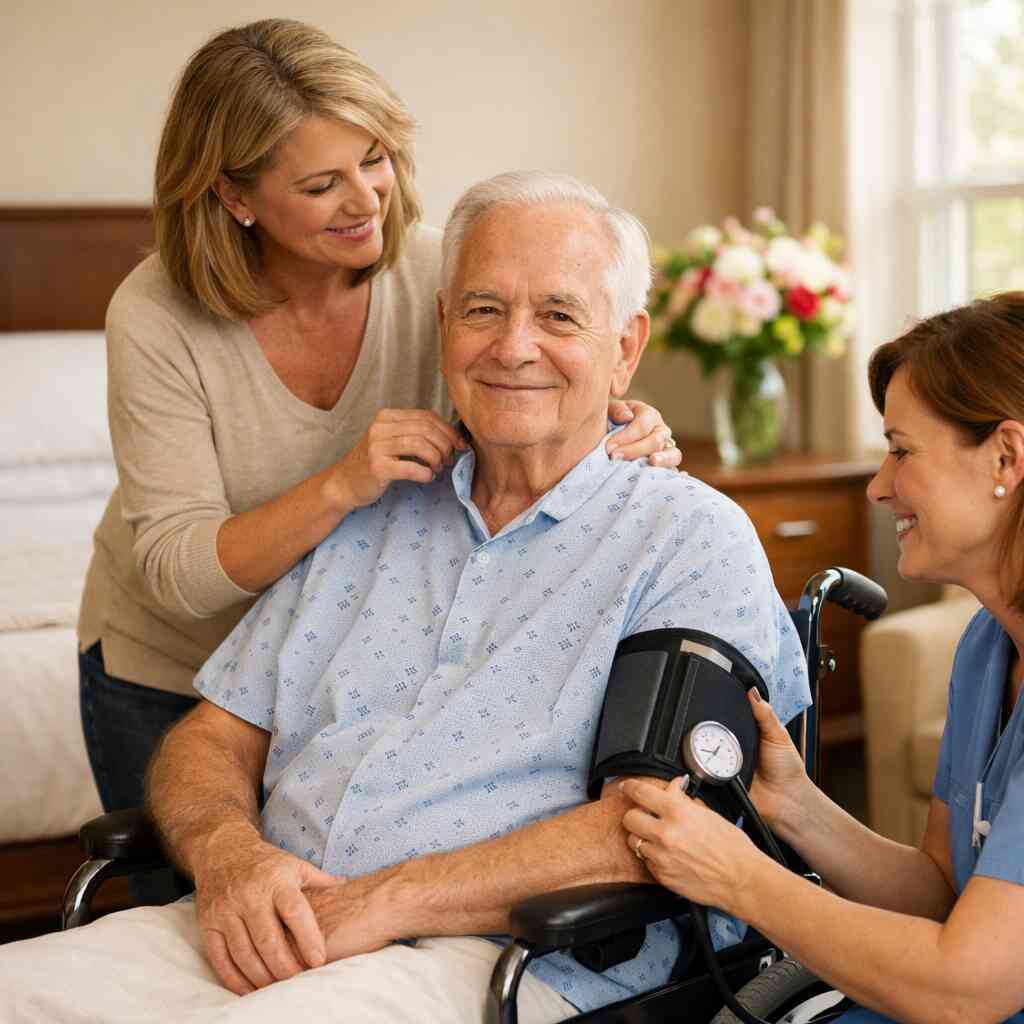
If your loved one coughs during meals, pockets food in the cheek, or struggles to follow simple instructions, do not brush it off. Those can be signs that speech therapy should be part of the care plan. In many skilled settings, [speech therapy in senior care] becomes one of the quiet but critical services that protects daily life.
What families need to ask before choosing a skilled nursing facility
This part is genuinely uncomfortable for most people. No one wants to sound suspicious when touring care communities. But asking better questions protects your family. A glossy brochure tells you almost nothing about how a place handles a bad night, a staffing shortage, or a medication delay. The good news is that the best facilities welcome informed questions. They understand that families are scared, tired, and under pressure. If you need a structured place to start, how to choose a nursing home should be more than a search. It should become a checklist. ### How to choose a nursing home without getting lost in glossy brochures and empty promises
Start with care needs, not décor. Ask what conditions the facility handles every week. Ask how often nurses are on site. Ask who responds when a resident declines after dinner or develops a fever overnight. Those answers matter more than the lobby.
You should also compare whether the place can handle post-hospital recovery support and discharge planning and longer-term needs. Families often get rushed into a choice because a bed is open. That is understandable. It is also risky. Use a senior living directory or senior living facilities platform to compare options calmly.
Which CMS star ratings matter most when comparing skilled nursing facilities
CMS star ratings are useful, but they are not the whole story. They reflect health inspections, staffing, and quality measures. The inspection history often tells you the most about how a facility handles real-world problems. Staffing trends can reveal whether the building has enough hands on difficult days.
Use the stars as a starting point, not a verdict. If a place has higher ratings but cannot answer your questions clearly, keep looking. Families should review the latest CMS star ratings for skilled nursing facilities and read the survey details behind them. In markets like Florida senior living, California assisted living, and Texas nursing homes, public data can help you narrow the field quickly.
Questions to ask about staffing, infection control in nursing homes, and care coordination for older adults
Ask who provides overnight coverage. Ask how the facility handles infections, especially during flu season. Ask whether the team coordinates with outside physicians, therapy providers, and pharmacies. Those are the basics.
A few direct questions can reveal a lot:
- How many residents does each nurse or aide support?
- How do you track changes in condition?
- What happens after a fall?
- How do you prevent and report infections?
- Who updates families, and how often?
Infection control in nursing homes is not just a policy binder. It is a daily habit. So is [care coordination for older adults]. If the answers sound vague, trust that instinct.
Why hospital discharge planning should include a real conversation about senior placement services
Hospital discharge planning often happens too fast. A social worker may have ten minutes. A family may have one exhausted decision-maker. That is not enough for a major care shift. This is exactly where senior placement services can help.
A good placement conversation does not pressure you. It clarifies what level of care is realistic. It can also reduce the stress of calling ten places during a crisis. Many families use a free senior living referral to compare options faster, especially when discharge deadlines are tight.
When a senior living advisor or free senior living referral can save precious time
A senior living advisor can save time when the family is overwhelmed and the care need is changing by the hour. That is not about selling a building. It is about narrowing choices that fit the medical picture. If you have one person in the hospital, one cousin calling from out of state, and one facility saying “maybe tomorrow,” speed matters.
This is also where best senior living facilities near me for a fast move becomes a useful search. Keep the contact list short. Keep the questions sharp. And keep one person in charge of notes, because memory gets messy under stress.
The clearest next move when the care needs are finally bigger than the house
Once the care need is clear, the plan gets simpler. Not easy. Simpler. You stop asking whether home can somehow stretch forever. Instead, you ask which setting protects health, dignity, and the family’s energy. That is a calmer question.
Funding often shapes the choice, but it should not be the only thing driving it. Medicare, long-term care insurance, VA support, and Medicaid each play different roles. Families in Florida, Texas, and California often need to compare benefits against local availability and state rules. That is where senior living costs by state comparison becomes practical.
Using Medicare skilled nursing, long-term care insurance, Medicaid senior housing, or VA benefits for senior care to shape the plan
Medicare can help with qualifying skilled nursing after a hospital stay, but coverage rules are specific. Long-term care insurance may help with broader custodial needs, depending on the policy. Medicaid can be essential for families with limited means, especially where state rules allow certain housing pathways. VA benefits may also help eligible veterans and surviving spouses.
Because these rules are complex, families should verify the details early. If the person lives in Florida, VA benefits for senior care in Florida may be worth reviewing. In Texas, Medicaid senior housing options in Texas can change the affordability picture. These programs do not solve everything, but they can shape a workable plan.
How affordability, senior living costs by state, and senior housing regulations affect your options
Affordability is not just about monthly bills. It is also about what level of care prevents future crises. A cheaper option that leads to another hospitalization may cost more in the long run. State rules matter too, because senior housing regulations vary.
If you are comparing affordable senior living choices in Florida, local oversight and availability can affect wait times and admissions. In every state, ask what is included and what is not. That includes therapy access, nurse coverage, and transportation. A clear budget conversation now can prevent panic later.
When respite care can buy your family time while you compare best senior living near me choices
Sometimes the family needs breathing room. That is where respite care helps. It gives caregivers a break while the loved one stays somewhere safe and supervised. It can also buy time to compare options without rushing.
Respite care is especially useful when everyone is exhausted and decision quality is slipping. If you need to compare best senior living near me choices, do not wait until the last ounce of energy is gone. Use that window to tour, ask questions, and confirm availability.
Why some families still consider independent living communities, continuing care retirement community CCRC options, or residential care facilities before choosing skilled nursing
Not every family ends up in skilled nursing. Some people still fit independent living communities, continuing care retirement community CCRC settings, or residential care facilities before they need nursing-level support. The key is honesty about function. If the person still manages most daily tasks, a lighter setting may work.
But if the person cannot walk safely, manage meds, or recover from illness, do not force a lower-care choice. I have seen families do that because they hoped to keep things “normal.” Normal is not the goal. Safe is the goal. Use the clearest fit, not the most comforting label.
The decision frame that turns fear into action and helps you transition from hospital to senior care with less chaos
Here is a simple frame. Ask three questions: Can the person be safe at home? Can the current setting handle the medical need? Can the family realistically maintain this level of care? If the answer to any of those is no, skilled nursing belongs on the table.
Start with one organized call today. Gather the discharge summary, the current medication list, and the latest therapy notes. Then contact Senior Living Facilities to compare options across the country without starting from zero. You do not have to solve every part today, but you do need one clear next move.
Frequently Asked Questions
Question: When Should Families Consider Skilled Nursing in 2026, and what signs a loved one needs skilled nursing should we watch for?
Answer: Families should start considering skilled nursing when home support or assisted living plans no longer feel safe or realistic. Common signs include repeated falls, missed medications, worsening confusion, wound care needs, trouble with transfers, oxygen monitoring, or a need for 24-hour nursing supervision. If recovery from surgery for seniors is getting off track, or if the person needs post-hospital recovery support with ongoing clinical oversight, a skilled nursing facility may be the better fit. Senior Living Facilities helps families compare senior living facilities and understand when a senior living facility is better suited than aging in place or a lighter care option.
Question: What is the difference between skilled nursing and assisted living, and how do I know if nursing home vs assisted living is the right question?
Answer: The difference between skilled nursing and assisted living comes down to medical complexity. Assisted living is typically for people who need help with daily routines, reminders, and some personal care. Skilled nursing facilities are designed for people who need licensed clinical oversight, medication management for seniors, wound care and recovery support, therapy services, or close monitoring after hospitalization. If a loved one can no longer safely manage medications, mobility, nutrition support for seniors, or confusion related to dementia care homes or memory care near me searches, then nursing home vs assisted living becomes an important care-level decision. Senior Living Facilities helps families review housing options for seniors, compare assisted living locations, and narrow down the right level of care.
Question: How can Senior Living Facilities help us choose a nursing home or skilled nursing facility without feeling overwhelmed?
Answer: Senior Living Facilities simplifies how to choose a nursing home by helping families search, compare, and connect with care communities across all 50 states. Our senior living directory makes it easier to review options side by side, whether you are looking at skilled nursing facilities, independent living communities, board and care homes, or a continuing care retirement community (CCRC). We encourage families to ask practical questions about staffing, infection control in nursing homes, care coordination for older adults, and how the facility supports physical therapy after hospitalization or occupational therapy for older adults. If you need a faster path, a senior living advisor can help guide the search and provide a free senior living referral based on your loved one’s needs.
Question: Can you help families compare Medicare skilled nursing, long-term care insurance, Medicaid senior housing, and VA benefits for senior care?
Answer: Yes. Many families need help understanding how Medicare skilled nursing coverage, long-term care insurance, Medicaid senior housing, and VA benefits for senior care may affect their options. These programs can be confusing, and the rules vary depending on eligibility, care type, and location. Senior Living Facilities helps families sort through senior living costs by state, affordability concerns, and the practical differences between short-term rehabilitation care and longer-term placement. If you are also comparing affordable senior living, senior living for low-income seniors, or rental housing for seniors, we can help you explore what may fit before you make a final decision. We always recommend confirming details directly with the community or program, since benefits and availability can change.
Question: What questions should we ask about CMS star ratings, senior housing regulations, and assisted living vs nursing home options before moving forward?
Answer: A strong first step is to ask how the facility uses CMS star ratings, how it follows senior housing regulations, and whether it can support the level of care your loved one truly needs. Families should also ask about medication management for seniors, fall risk and mobility assistance, dementia care homes, speech therapy in senior care, and how the team handles transitions from hospital to senior care. For lighter-care options, it can also help to ask about independent living communities, 55+ apartments, pet-friendly assisted living, senior citizen housing, and whether the community is a fit for aging in place support. Senior Living Facilities helps you compare senior living facilities, understand the assisted living vs nursing home distinction, and make a decision with more confidence.
Admin
Expert contributor specializing in senior living care. Dedicated to providing families with clear, actionable advice.