Winter Wellness at Senior Living Facilities Near You
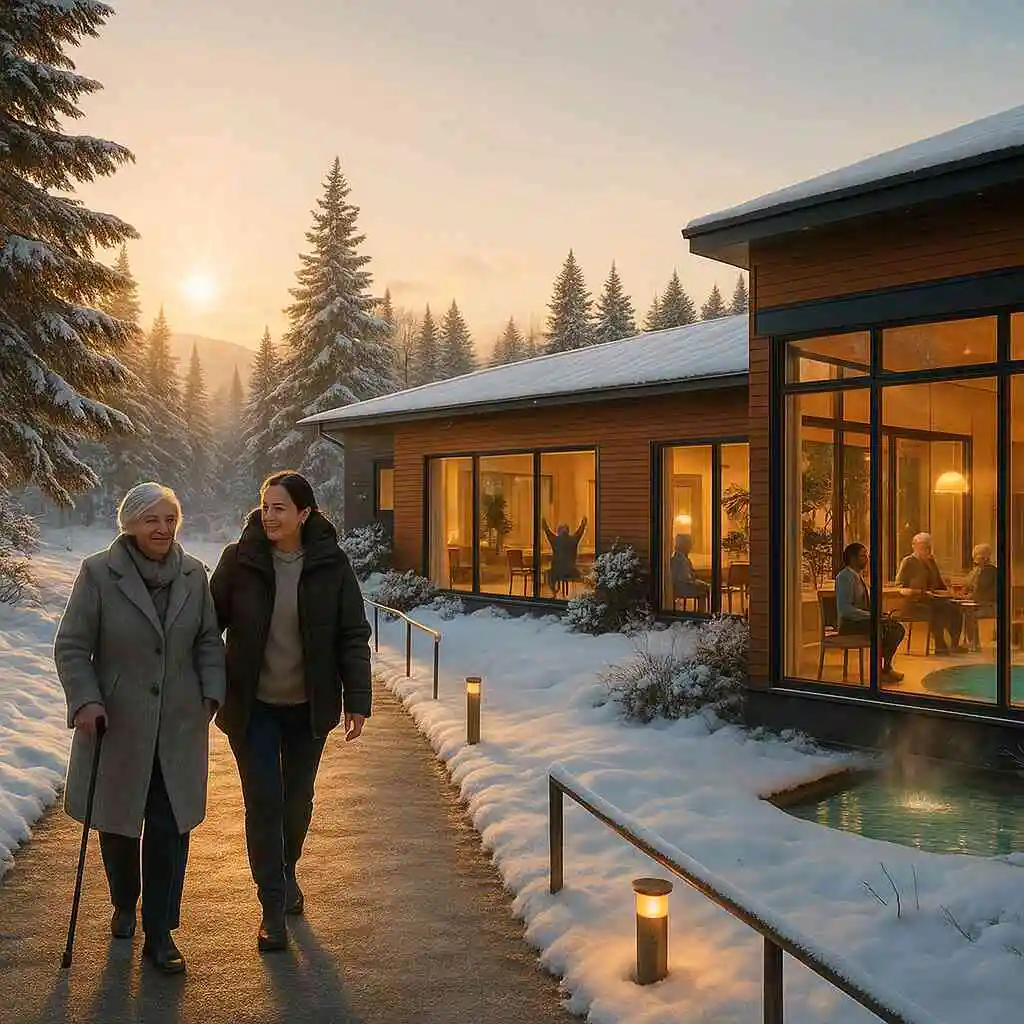
Embracing the Chill: Crafting a Blueprint for Winter Wellness in Senior Living Facilities
Why cold weather calls for specialized care plans in every senior living facility
Older adults often face reduced circulation, slower immune responses, and balance challenges, making cold months uniquely risky. Therefore, each senior living facility must adopt winter wellness programs for seniors that anticipate temperature drops, icy walkways, and viral surges. Practical steps include scheduling on-site vaccination clinics, promoting flu prevention in assisted living wings, and auditing HVAC systems before the first frost. Families researching care can explore comprehensive winter wellness resources for seniors to understand industry standards and resident expectations. These resources outline evidence-based checklists that communities use to keep infections low and spirits high.
Specialized care plans also address emotional resilience, because isolation can intensify when windows shut and daylight shortens. Multidisciplinary teams weave depression prevention during the winter months in senior communities into daily routines, combining telehealth counseling with uplifting group activities. Continuous hand hygiene campaigns, routine symptom screenings, and personalized medication reviews further reinforce safety. Facility leadership evaluates thermal comfort standards in retirement communities weekly, ensuring residents stay warm without overheating fragile lungs. By integrating these protocols, staff create an environment where health thrives despite the chill outside.
Aligning winter wellness goals with the diverse housing options for seniors
Senior housing today spans independent cottages, vibrant communities for seniors 55+, supportive assisted living plans, and high-acuity nursing homes for the elderly. Each model offers distinct amenities, so winter strategies must flex accordingly. Independent residents may desire coach-led cold weather exercise routines for older adults, while assisted living cohorts might prioritize medication adherence and routine vitals. Planners should study the latest wellness innovations for older adults to introduce technology like smart thermostats, fall-alert wearables, and UV air purification. Adapting innovations to every housing option for seniors ensures equitable protection and engagement.
Rental housing for seniors often features shared lounges, making them ideal hubs for indoor fitness classes at senior living facilities when sidewalks are icy. Conversely, senior apartment rentals with private kitchens can champion immune-boosting meal preparation kits and winter hydration reminders for seniors. Communities operating heated therapy pools in 55 plus complexes schedule arthritis-friendly aquatic sessions, while long-term care facilities tighten winter infection control protocols by revising staffing ratios. Aligning goals in this targeted manner preserves independence, extends functional capacity, and strengthens community cohesion.
Leveraging the Senior Living Facilities locator to find resources near you
Families and professionals looking to optimize cold-season care benefit from a streamlined digital compass. The Senior Living Facilities platform invites users to search, compare, and connect within minutes, providing side-by-side data on amenities, staffing, and winter preparedness. Entering a ZIP code instantly reveals communities offering fireplaces, indoor walking tracks, or doorstep pharmacy deliveries, simplifying the quest to find senior residences near me for cold-season care. Search results also highlight vaccination schedules, snow removal contracts, and transportation options for medical appointments.
After generating a shortlist, caregivers can download detailed brochures and inspection scores to verify heating efficiency, mobility aids, and respiratory health support in senior housing. The compare tool flags which providers excel at evaluating personalized care plans for flu season, empowering families to ask precise questions on tours. Because the database covers senior living in every state, users quickly locate senior living near you that pairs secure shelter with vibrant companionship. Finally, the platform’s live advisors offer insights into financial incentives for energy-efficient upgrades, ensuring residents remain warm without straining budgets.
Fortifying the Immune Fortress in Senior Living Near You
Vaccination clinics and flu prevention in assisted living locations
Routine vaccination clinics anchor every winter wellness program for seniors living in assisted living locations. Clinicians coordinate with pharmacies to deliver high-dose flu shots directly to residents’ doorsteps. Clear consent protocols, mobile carts, and color-coded scheduling prevent crowding and minimize anxiety. Families appreciate seeing staff explain side effects, hydration needs, and follow-up monitoring right after immunization. Such transparency builds trust while tightening flu prevention in assisted living wings before seasonal viruses circulate widely.
Education fuels participation, so care teams host lively question-and-answer forums in every senior living facility lounge. They display simple posters outlining vaccine myths, dosing timelines, and herd immunity benefits. For deeper insights, residents explore the seasonal health tips blog at senior living facilities with activity directors. Digital tablets magnify text, ensuring low-vision participants follow every prevention guideline with confidence. Finally, interdisciplinary teams audit vaccination records weekly, aligning doses with each resident’s assisted living plans and physician directives.
Hand hygiene campaigns and winter infection control protocols in long-term care facilities
Hand hygiene forms the frontline of winter infection control protocols in long-term care facilities. Administrators place sanitizer dispensers every 30 feet, mapping paths between dining rooms and therapy gyms. Bright motion-activated lights remind residents to sanitize without nagging, preserving dignity while boosting compliance. Weekly contests reward neighborhoods achieving the highest compliance scores using colorful progress charts. Such gamification keeps engagement high and pathogens low throughout the entire senior housing campus.
Staff training remains paramount because clean hands lose power when glove changes lag. Educators demonstrate proper lather duration with ultraviolet gel that glows under black light. Moreover, maintenance teams refill dispensers quickly, preventing downtime during busy meal services. Data from electronic badge scanners tracks staff sanitizing frequency, allowing targeted coaching when numbers dip. These metrics complement rigorous winter infection control protocols in long-term care facilities, creating a measurable safety culture.
Immune-boosting meal plans and nutritious comfort foods in senior dining
Comfort food gains healthy flair when dietitians design immune-boosting meal plans in senior living facilities. They replace heavy cream with pureed cauliflower, adding fiber without sacrificing warmth. Soup stations feature bone broth fortified with zinc, turmeric, and tender vegetables. Chefs label each entrée with icons noting protein, antioxidant, and hydration benefits. This transparency empowers residents to make choices aligning with personalized assisted living plans and medical recommendations.
Seasonal produce, such as citrus and dark greens, drives nutrient density during bleak months. Kitchen teams puree surplus oranges into bright vinaigrettes served over roasted root vegetables. Meanwhile, herbal teas with echinacea replace sugary cocoa, reducing inflammation without denying cozy rituals. Registered dietitians collaborate with speech therapists to adjust textures for residents managing dysphagia. Through this collaboration, nutritious comfort foods in senior dining remain delicious, safe, and immunity supportive.
Vitamin D strategies and respiratory health support in nursing homes for the elderly
Shorter days reduce sunlight exposure, so nursing homes for the elderly prioritize vitamin D strategies each winter. Physicians review lab values and prescribe supplements tailored to bone density and fall risk profiles. Staff schedule brief sun-lamp sessions during morning exercise classes, offering gentle warmth and serotonin boosts. Floor nurses log exposure minutes, ensuring consistent delivery across units. These actions reinforce respiratory health support in senior housing by reducing infection susceptibility linked to deficiency.
Respiratory therapists also adjust humidifier settings, maintaining airway moisture despite indoor heating. They teach pursed-lip breathing to clear secretions and strengthen diaphragm muscles. Portable spirometry devices track progress, alerting clinicians to early pneumonia warning signs. Additionally, mask fit checks guarantee oxygen tubing sits snugly during colder outdoor transfers. Together, vitamin D balance and airway maintenance create a holistic defense for vulnerable elders.
Telehealth services and chronic illness management during the cold season
Travel risks rise when snow piles, so telehealth services in senior living during the cold season flourish. Residents connect with cardiologists, endocrinologists, and mental health providers without slippery commutes. High-resolution cameras allow wound assessments, blood sugar reviews, and medication reconciliations in real time. Technical support teams ensure devices remain charged and Wi-Fi stays reliable during storms. Consequently, chronic illness management in cold climates continues uninterrupted, preserving stability and reducing hospital readmissions.
Data from Bluetooth blood pressure cuffs sync seamlessly with electronic health records. Pharmacists review trends and adjust dosages promptly, preventing dangerous fluctuations. Moreover, telebehavioral therapy sessions combat loneliness, supporting depression prevention during the winter months in senior communities. When acute issues arise, remote triage teams dispatch on-call nurses or arrange timely emergency transport. This layered system exemplifies how senior living near you leverages technology to fortify wellness year-round.
 Moving Bodies Heating Hearts Indoor Mobility and Fitness Strategies
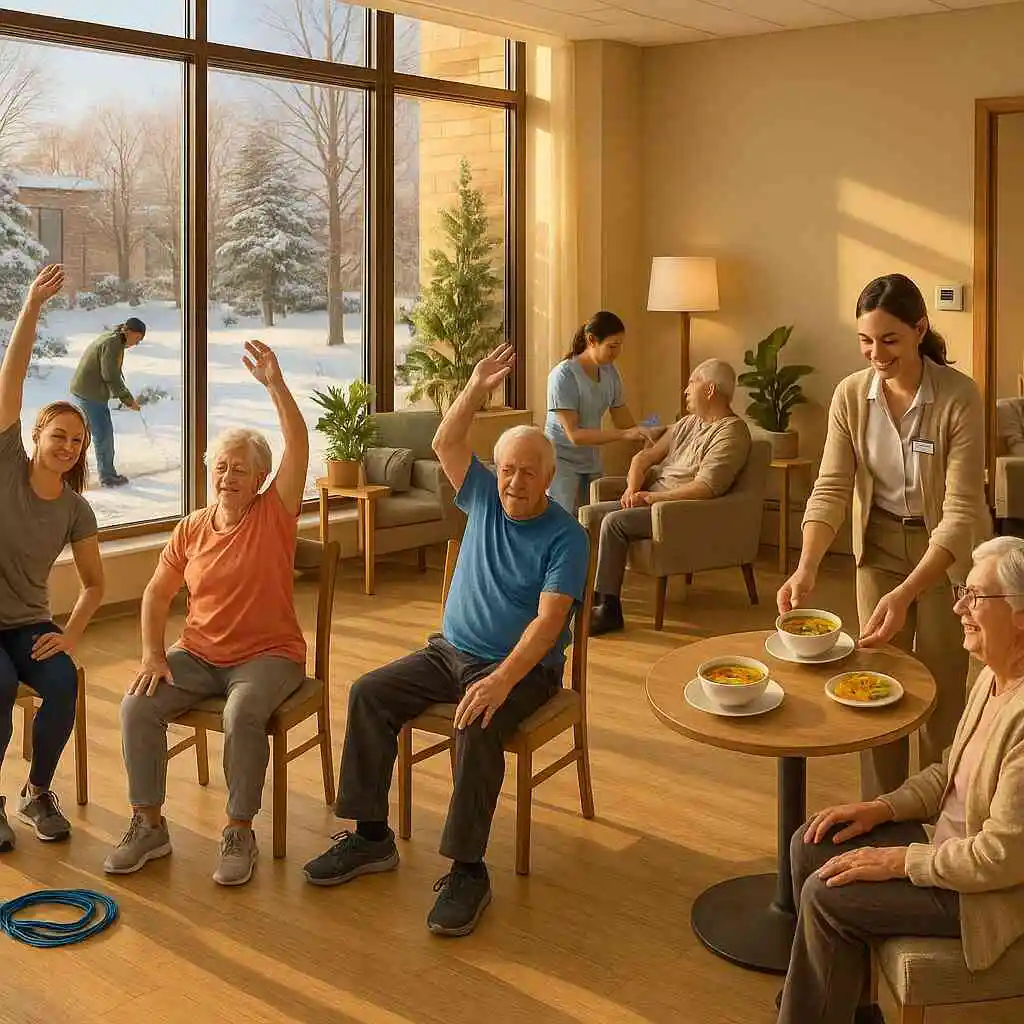 Moving Bodies Heating Hearts Indoor Mobility and Fitness Strategies
Cold weather exercise routines for older adults in senior housing
Staff design cold weather exercise routines for older adults that begin with joint-friendly dynamic warm-ups. Slow arm circles stimulate circulation without strain. Next, chair yoga increases flexibility while respecting fragile joints. Residents practice mindful breathing, syncing movement and lung capacity. These gentle starts prepare muscles for safe, meaningful exertion.
After warming up, trainers introduce low-impact strength circuits using resistance bands. Each set targets core stability to prevent slipping indoors. Wearable trackers display heart rates on wall screens, letting nurses intervene quickly. Families can read detailed guidance on what to expect in senior living during the winter months before visiting. Transparent planning reassures everyone that winter wellness programs for seniors remain evidence-based and personalized.
Heated therapy pools in communities for seniors 55 plus
Water heated to body temperature relieves arthritic joints more effectively than dry heat packs. Communities for seniors fifty-five plus schedule heated therapy pool sessions three mornings weekly. Buoyant resistance lets residents perform squats without painful compression. Physical therapists monitor gait patterns from poolside decks. Consequently, strength improves while fall risk drops.
Certain Midwestern campuses showcase glass-enclosed natatoriums overlooking snow-covered courtyards. Families exploring assisted and independent living in Michigan for chilly weather often prioritize these pools. Engineers maintain strict humidity controls to protect lungs and building materials alike. Staff conduct weekly chemical checks, ensuring safe chlorine levels for sensitive skin. These measures prove that luxury and safety can coexist.
Indoor fitness classes at senior living facilities and staying active when it snows
Blizzards may close roads, yet indoor studios pulse with energy. Zumba Gold classes keep participants staying active indoors at senior living near me without risking slick sidewalks. Lively music boosts endorphins, countering cabin fever in senior housing. Instructors modify choreography for wheelchairs, promoting inclusive participation. Residents track steps on communal leaderboards, sparking friendly competition.
Hallway walking clubs complement indoor fitness classes at senior living facilities. They start immediately after breakfast and use color-coded floor markers to encourage distance goals. Maintenance staff inspect surfaces daily, removing moisture that could become slick. This proactive care upholds winter infection control protocols in long-term care facilities by spreading walkers throughout the building. Wellness coordinators stream tai chi tutorials onto lobby screens during quieter afternoons.
Mobility aids and snow safety tips for elderly residents venturing outdoors
Eventually, many residents crave crisp air despite the ice. Occupational therapists fit mobility aids for icy conditions in nursing homes for the elderly, attaching adjustable ice-gripping tips onto canes. Battery-heated gloves maintain dexterity, enabling safe door handle use. Staff teach the penguin shuffle technique, emphasizing short steps and flat feet. Simple drills inside hallways build muscle memory beforehand.
Transportation teams coordinate with meteorologists, delaying outings until sidewalks are salted. Families unsure about gear can contact experts for cold-season senior care advice through Senior Living Facilities. Advisors explain choosing traction cleats and reflective outerwear. They also review community shuttle policies for unavoidable appointments. Such counseling transforms potential hazards into manageable adventures.
Energy-efficient heating and thermal comfort standards in senior apartment rentals
Thermal comfort standards in retirement communities demand consistent temperatures without excessive dryness. Energy-efficient heating in senior apartment rentals adopts heat-pump technology for superior efficiency. Smart thermostats adjust settings based on occupancy sensors, preventing drafty corridors. Residents receive winter hydration reminders for seniors when humidity dips. Balanced environments reduce respiratory irritation and support peaceful sleep.
Regulators increasingly tie utility incentives to performance metrics. Administrators studying state-wide wellness strategies in Texas senior housing have reported dramatic energy savings after retrofits. Savings fund further wellness initiatives, including subsidized yoga mats and ergonomic furniture. Transparent dashboards show residents real-time energy consumption, reinforcing shared stewardship. Ultimately, sustainable heat safeguards both budgets and bodies.
Nourishing Spirit and Mind: Beating the Winter Blues Together
Seasonal affective disorder therapies in rental housing for seniors
Darker days can dim motivation, so staff implement seasonal affective disorder therapies in rental housing for seniors immediately after the autumn equinox. Bright-white light boxes illuminate reading nooks before breakfast, giving circadian rhythms a gentle nudge. Wellness coaches lead visualization exercises that combine nature sounds with guided gratitude, allowing residents to “visit” sunny beaches without leaving their apartments. Routine mood screenings, performed by nurses trained in depression prevention during winter months in senior communities, identify early warning signs and trigger swift interventions. By blending technology, mindfulness, and continuous monitoring, facilities provide a safety net against seasonal gloom.
Nutrition complements illumination. Dietitians increase tryptophan-rich foods such as turkey roll-ups and fortified oatmeal, which naturally elevate serotonin. Residents receive winter hydration reminders for seniors on smart speakers, because proper fluid intake enhances medication absorption and cognitive clarity. Evening chair yoga sessions include lavender aromatherapy, encouraging restorative sleep without pharmaceuticals. Altogether, these multi-layered strategies keep spirits resilient even when skies remain gray.
Cognitive stimulation activities for cozy winter days in assisted living
Mental aerobics thrives indoors. Activity directors design cognitive stimulation activities for cozy winter days in assisted living, transforming lounges into “brain gyms.” Residents tackle collaborative jigsaw murals featuring local landmarks, sparking reminiscence and spatial reasoning simultaneously. Voice-controlled trivia tournaments test long-term memory while reducing the need for small print, supporting inclusive participation. Occupational therapists rotate bilingual crossword challenges, exercising language centers and celebrating cultural diversity.
Sensory enrichment deepens engagement. Craft workshops mix textured fabrics, scented herbs, and metallic paints to activate multiple cortical areas at once. Music therapists curate era-specific playlists that cue spontaneous storytelling, strengthening neural pathways linked to autobiographical memory. Even simple tasks like sorting colorful buttons by shape reinforce executive functioning and fine motor skills. Frequent mental workouts, paired with cold weather exercise routines for older adults, forge holistic vitality that persists beyond winter.
Holiday stress reduction and caregiver support during peak family times
Festive gatherings evoke joy yet can overwhelm older adults managing chronic illness management in cold climates. Social workers introduce holiday stress reduction and caregiver support toolkits packed with breathing cards, gratitude journals, and emergency contact magnets. Weekly reflection circles allow residents to voice worries about gift budgets, dietary restrictions, or absent loved ones. Trained facilitators convert concerns into actionable coping plans, replacing overwhelm with empowerment.
Care partners deserve relief too. Virtual workshops teach boundary-setting and time-blocking so family members avoid burnout while coordinating visits. Assisted living plans often include respite suites where exhausted caregivers can rest overnight without leaving the campus. Anonymous feedback kiosks collect real-time sentiments, enabling administrators to adjust staffing ratios during bustling holiday meals. Through mutual compassion, everyone enters the new year refreshed rather than depleted.
Social engagement events at senior living near me are fostering connection
Meaningful relationships bloom when calendars burst with purpose. Coordinators schedule themed social engagement events at senior living near me, such as indoor farmers markets where residents barter herb seedlings cultivated under grow lights. Intergenerational story hours invite local students to interview elders, bridging age gaps through shared narratives. These encounters, coupled with live-streamed concerts, cultivate belonging that shields against isolation.
Facilities also track participation data to personalize invitations, ensuring shy residents receive gentle encouragement. When metrics reveal a dip in attendance, teams consult the research on enhancing social connection to beat winter blues and adjust programming accordingly. Pop-up tea tastings, cultural fashion shows, and hallway art crawls keep engagement fresh without demanding outdoor travel. By valuing every voice, communities transform cold months into seasons of camaraderie.
Winter wellness newsletters and collaborative health partnerships within senior living in the state of
Communication cements consistency. Marketing departments craft winter wellness newsletters for senior residents filled with immune-boosting recipes, snow safety tips for elderly residents, and updates on indoor fitness classes at senior living facilities. Bite-sized articles explain how mobility aids for icy conditions in nursing homes for the elderly prevent falls, while QR codes link to tutorial videos. Residents can request large-print versions, guaranteeing accessibility across vision levels.
Collaboration elevates reach. Administrators forge collaborative health partnerships within senior living in the state of, aligning with hospital networks and university gerontology programs. Joint grand rounds bring pulmonologists on-site to discuss respiratory health support in senior housing, reinforcing evidence-based care. Community pharmacists host drop-in clinics for medication reconciliation, dovetailing with hand hygiene campaigns in assisted living locations. Finally, public health officials use the newsletter to share storm alerts, creating a seamless information loop that keeps every senior informed and empowered.
Sustaining Warmth Beyond Winter: Building Resilient Senior Communities
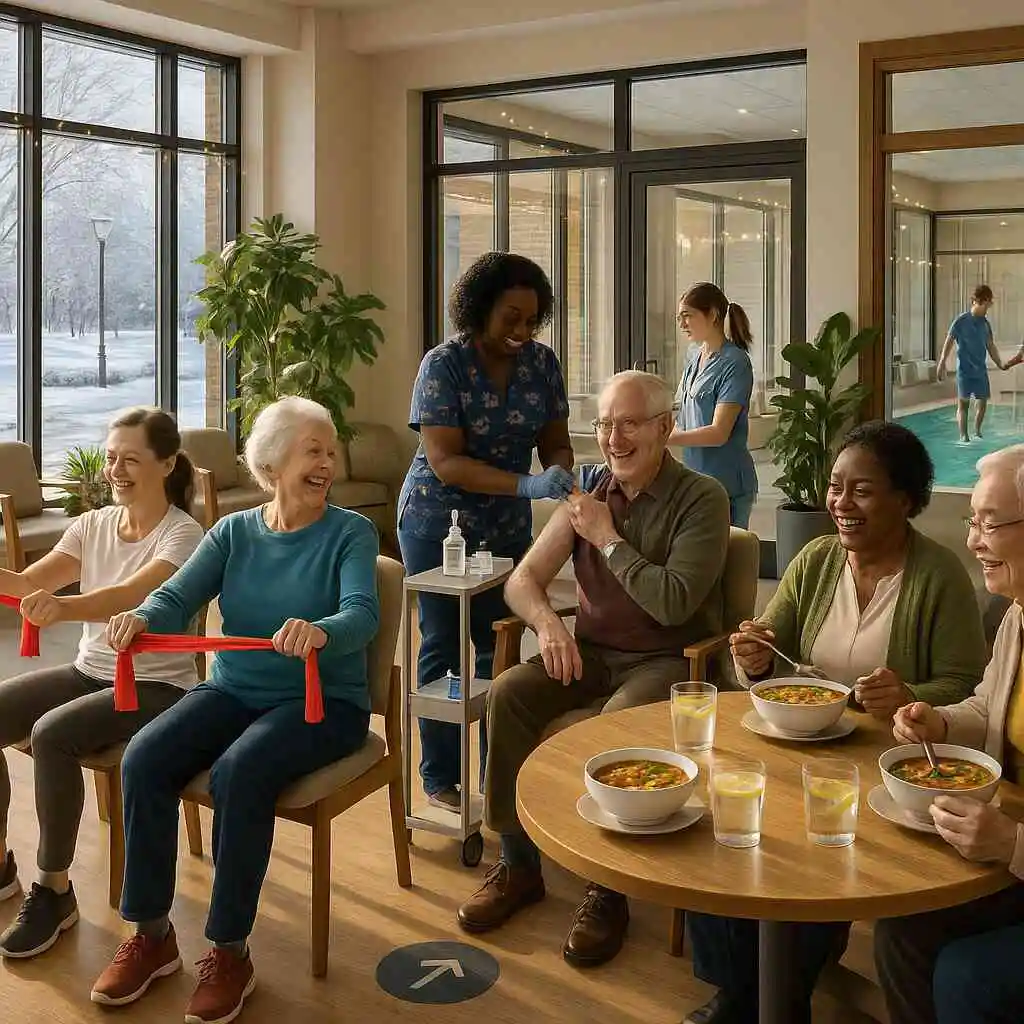 Sustaining Warmth Beyond Winter: Building Resilient Senior Communities
Emergency preparedness plans for senior apartments and icy conditions
Black ice can appear overnight, so emergency preparedness plans for senior apartments must remain proactive, not reactive. Administrators map designated warming areas, backup generators, and medication refrigeration zones before the first snowfall. Clear signage in large print guides residents and visiting clinicians during urgent evacuations. Teams coordinate with municipal plow schedules to guarantee ambulance access within minutes of a storm. These logistics align with principles of integrated health care for older adults, ensuring clinical support dovetails with environmental safety.
Stockpiles of water, blankets, and flashlights are audited monthly, preventing last-minute scrambles when forecasts turn extreme. Staff conduct tabletop drills that simulate power loss during dinner service, reinforcing calm decision-making under pressure. Residents practice shelter-in-place routines, including using battery lanterns to navigate hallways safely. After each exercise, supervisors benchmark outcomes against nursing home care standards to verify regulatory compliance. Transparent debriefings foster trust, keeping anxiety low even when winter headlines sound alarming.
Continuous improvement through resident feedback in every senior living community
Thriving programs evolve, and they evolve fastest when residents feel heard. Every senior living community under Senior Living Facilities circulates quarterly satisfaction surveys covering meals, lighting, and mobility pathways. Digital kiosks transform responses into color-coded dashboards viewable by staff and families. Comparative analytics highlight best practices across community-based retirement housing, encouraging healthy competition between campuses. When scores dip, interdisciplinary committees draft action plans within a week.
Focus groups add qualitative depth, revealing subtle obstacles like drafty reading corners or confusing thermostat instructions. Small, rapid changes-extra lap blankets or simplified signage-signal that feedback drives decisions, not surveys alone. This responsiveness strengthens resident engagement, which ultimately boosts adherence to winter wellness programs for seniors. Higher engagement translates into better health metrics, shorter recovery times, and fewer emergency transfers. Continuous improvement thus becomes the heartbeat of resilience, pulsing through hallways long after snow melts.
Encouraging year-round wellness journeys with the Senior Living Facilities platform
Cold seasons may spark vigilance, yet wellness deserves equal attention during blooming springs and sweltering summers. The Senior Living Facilities platform curates resource libraries that address hydration, allergy management, and heat-wave safety. Interactive checklists guide communities in upgrading HVAC filters, organizing farmers markets, and scheduling mindfulness workshops. Providers ready to showcase achievements can list their winter-ready senior community directly on the site within minutes. This visibility rewards excellence while helping families quickly locate senior living near you that aligns with holistic goals.
Residents benefit when their chosen campus embraces the platform’s ongoing education and peer benchmarking tools. Administrators download monthly webinars on telehealth services in senior living during the cold season and beyond. Caregivers receive push notifications about upcoming immunization drives, supporting flu prevention in assisted living wings. Combining information access with transparent quality metrics empowers consumers to make confident, informed decisions. Ultimately, year-round engagement transforms winter preparedness from a seasonal checklist into an enduring culture of safety.
Frequently Asked Questions
Question: How do Senior Living Facilities make sure every community listed offers truly comprehensive winter wellness programs for seniors across the full spectrum of housing options?
Answer: Our verification team reviews each senior living facility against a 40-point checklist that covers winter infection control protocols in long-term care facilities, cold weather exercise routines for older adults, emergency preparedness plans for senior apartments, and energy-efficient heating in senior apartment rentals. Because we feature communities for seniors 55+, assisted living plans, and high-acuity nursing homes for the elderly, we look for evidence-based policies tailored to each level of care. Listings must demonstrate on-site vaccination clinics, immune-boosting meal plans in senior dining, depression prevention during winter months in senior communities, and mobility aids for icy conditions before they earn our Winter-Ready badge. This rigorous process gives families confidence that whichever housing option for seniors they choose, consistent safety and wellness standards are already in place.
Question: What specific flu prevention measures in assisted living can I expect from the providers I find through your site?
Answer: Facilities featured on Senior Living Facilities host vaccination clinics at senior living near you using high-dose flu shots and updated COVID boosters, supported by color-coded scheduling that prevents hallway crowding. Hand hygiene campaigns in assisted living locations place motion-activated sanitizer stations every 30 feet, while electronic auditing tools track staff compliance. Communities also create personalized medication reviews to avoid drug interactions with antivirals and provide winter hydration reminders for seniors so mucous membranes stay protected. Coupled with telehealth services in senior living during the cold season for rapid symptom triage, these layered strategies reduce outbreak risk and keep flu prevention in assisted living wings consistently ahead of seasonal surges.
Question: How can my family use the Senior Living Facilities locator to discover senior living near me that blends vitamin D strategies in nursing homes with engaging indoor fitness classes at senior living facilities?
Answer: Simply enter your ZIP code on our homepage and filter results by Wellness Amenities. The compare tool will highlight nursing homes for the elderly that run physician-guided vitamin D strategies-such as sun-lamp lounges and supplement programs-alongside studios offering chair yoga, Zumba Gold, and heated therapy pools in 55 plus communities for year-round movement. You can sort by respiratory health support in senior housing, view photos of indoor walking tracks, and download inspection scores showing HVAC humidity levels. When you’re ready, click Connect to schedule virtual or in-person tours and ask how each campus supports chronic illness management in cold climates while keeping residents staying active indoors at senior living near me.
Question: In the recent blog Winter Wellness at Senior Living Facilities Near You, you discuss thermal comfort standards-how do senior apartment rentals on your platform maintain energy-efficient heating without sacrificing respiratory health support in senior housing?
Answer: Many senior apartment rentals featured on our site have upgraded to variable-speed heat-pump systems paired with smart thermostats that learn resident preferences and avoid abrupt temperature swings. Balanced humidity levels (30-50%) are monitored by integrated sensors, preventing the dry air that can irritate lungs during chronic illness management in cold climates. Maintenance teams perform quarterly filter changes using hospital-grade MERV ratings, and real-time energy dashboards allow residents to track savings that are reinvested into wellness programs like indoor fitness classes or cognitive stimulation activities for cozy winter days in assisted living. These measures ensure thermal comfort standards in retirement communities are met while promoting sustainable, healthy breathing environments.
Question: What holiday stress reduction and caregiver support during the winter season resources does Senior Living Facilities highlight so my loved one-and our family-can stay upbeat all winter long?
Answer: We spotlight communities that pair social engagement events at communities for seniors 55+-from indoor farmers markets to intergenerational concerts-with evidence-based seasonal affective disorder therapies in rental housing for seniors, such as light-box lounges and guided meditation. For families, many campuses offer respite suites and virtual workshops on boundary-setting, while our resource library provides downloadable caregiver support during the winter season toolkits filled with breathing exercises, gratitude prompts, and emergency contact checklists. Facilities also publish winter wellness newsletters for senior residents, ensuring everyone receives timely snow safety tips for elderly residents and invitations to holiday stress reduction circles. This holistic approach nurtures both resident joy and caregiver peace of mind.
Admin
Expert contributor specializing in senior living care. Dedicated to providing families with clear, actionable advice.