
How to Evaluate Dementia Care Homes Before You Move In



You can evaluate dementia care homes by looking past the polished tour and checking safety, supervision, staff training, and daily routines that support memory loss. Calm hallways can still hide real risks, so ask direct questions, observe closely, and compare more than the brochure.
Key Takeaways
- A good dementia care home should show secure exits, low-stimulation spaces, clear wayfinding, and consistent supervision before you ever sign anything.
- The strongest signs of quality are staff who understand person-centered dementia care, calm communication, and routines that reduce confusion and wandering.
- You should ask about staff training in dementia care, caregiver-to-resident ratio, medication management in memory care, and family involvement in care planning.
- If you are comparing memory care near me, use the visit to weigh assisted living vs nursing home and decide whether a long-term care facility or CCRC is a better fit.
- Use trusted tools like the National Institute on Aging, Medicare.gov, and a reputable senior living directory such as Senior Living Facilities to narrow the field before you tour.
What families miss when a dementia care home looks calm on the outside
A calm building does not automatically mean a safe one. The best dementia care homes pair a peaceful feel with strong memory safety, trained staff, and routines that reduce confusion. If you are visiting while worried and tired, that mix can be easy to miss unless you know exactly what to look for.
The small safety clues that reveal whether the building is truly memory safe
Look for details that protect residents without making the place feel locked down. You want dementia safety features such as secure but discreet exits, clear hall markings, uncluttered walkways, and lighting that reduces shadows. You also want doors that delay wandering without creating panic, especially in a secure memory care unit.
Pay attention to the edges of the building, not just the lobby. Are there wandering prevention measures at elevators, stairwells, and outdoor doors? Are staff positioned where they can actually see residents, or are they tucked behind a desk? One family we spoke with liked the cheerful decor in a memory care home near Tampa, but their concerns changed when they noticed an exit door that was easy to approach without staff noticing. Small things matter.
Why a polished tour can hide weak supervision, poor routines, and thin dementia training
A polished tour can be real, but it can also be staged. A quiet hallway means little if residents spend long stretches unsupervised or if staff rely on generic assisted living plans instead of true dementia support. Ask yourself whether the atmosphere feels structured, not just attractive.
This is where staff training in dementia care matters more than flowers in the lobby. Staff should know how to redirect, how to speak simply, and how to handle sundowning without agitation. The Alzheimer’s Association and the National Institute on Aging both stress that dementia care works best when communication, routine, and person-centered support are consistent. That is the difference between a place that looks good and a place that actually works.
The room by room walk through that tells you more than a brochure ever will
A room-by-room visit tells you how a community functions on an ordinary day. Watch how residents move, how staff respond, and whether the setting supports independence without creating avoidable risk. Brochures can tell you what a place offers. The walk-through tells you what it feels like to live there.
How to check wandering prevention measures, secure exits, and resident supervision without sounding intrusive
Start with simple observations. Are exit doors discreetly secured? Are there interior cues that help residents orient themselves, like color contrast, memory boxes, or clear room signs? Do staff appear nearby during busy moments like meal service or activity transitions? These are practical signs of resident supervision and engagement.
You can ask in a calm, normal tone: “How do you support residents who wander?” or “What happens if someone heads for an exit?” That keeps the conversation respectful. If you are comparing dementia care homes, assisted living locations, or board and care homes, this question matters even more because the staffing style can vary a lot. Here is the part most families miss: good safety should feel routine, not reactive.
What to watch for in daily routines, communication style, and whether staff use person-centered dementia care
Strong care shows up in ordinary moments. Do staff greet residents by name, make eye contact, and give one instruction at a time? Do they explain what is happening before touching a resident or moving them? That is communication strategies for dementia care in action. 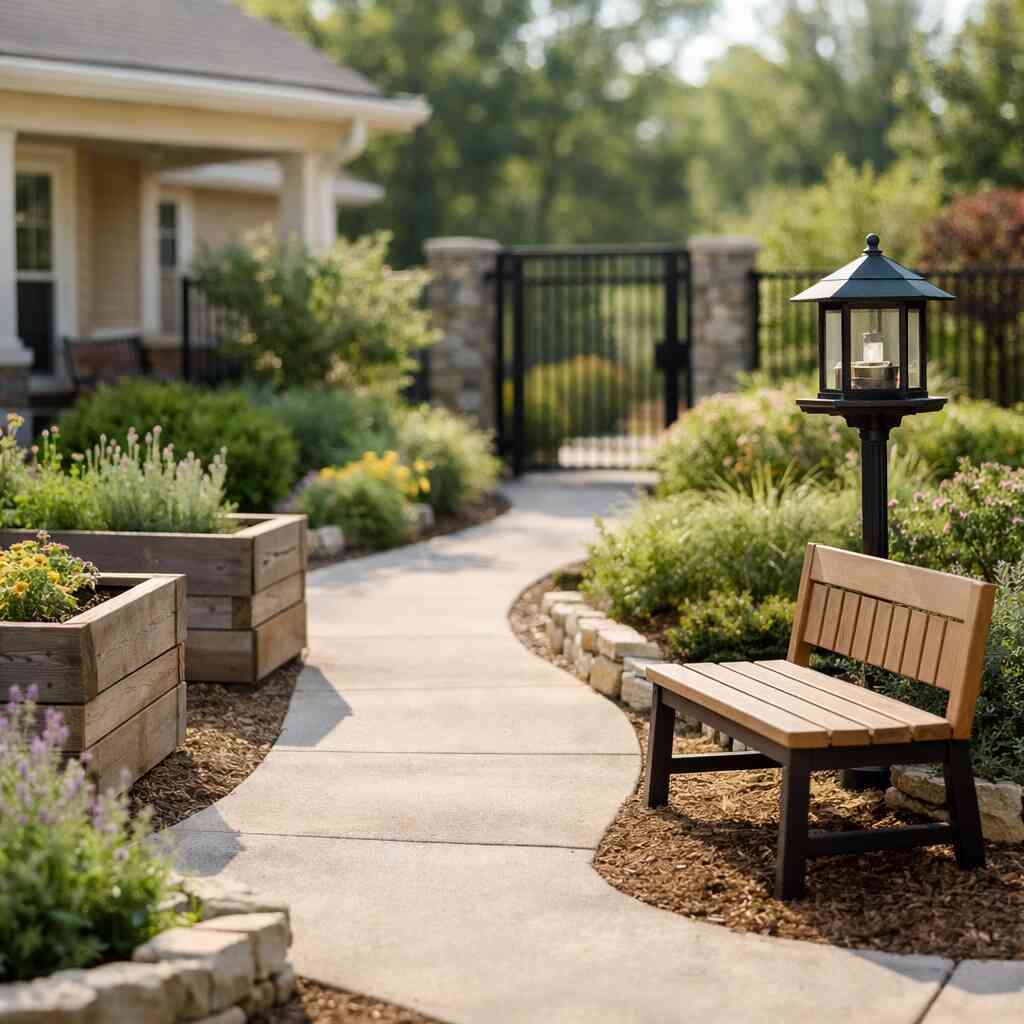
Also watch for structure. Are meals, bathing, and activities predictable enough to reduce anxiety? Are there meaningful choices, even small ones, like clothing selection or activity options? That is the heart of person-centered dementia care. In places that handle memory care well, the day feels steady but not rigid, and residents are encouraged rather than rushed.
A helpful comparison is how the community handles different levels of need:
Care settingBest fitMain watch-outMemory carePeople with dementia who need structured supervisionAsk how they prevent wandering and manage behaviorsAssisted livingPeople who need help with daily tasks but less oversightMay not be enough for unsafe wandering or advanced confusionNursing homePeople needing skilled medical care and higher nursing supportCan feel more clinical than necessary for some residentsCCRCPeople who want multiple care levels in one communityAsk how transitions between levels actually workIf you are still comparing memory care vs. assisted living, this walk-through gives you more truth than any sales page. For a broader comparison, a guide like The Difference Between Memory Care and Assisted Living can help you sort out the basic differences before you tour.
Questions that separate a caring memory care unit from a risky one
The right questions reveal how a community really operates. Ask about training, staffing, medications, and family communication in plain language. A thoughtful team will answer clearly and without defensiveness. If answers are vague, that is useful information too. ### What to ask about staff training in dementia care, caregiver to resident ratio, and medication management in memory care
Ask these directly:
- What training do caregivers receive in dementia care, and how often is it refreshed?
- What is the caregiver-to-resident ratio during the day, evening, and overnight?
- How do you handle medication management in memory care?
- What happens if a resident refuses medication or becomes upset?
- How do you involve families in care planning?
Those questions are especially important if you are evaluating Alzheimer’s care facilities, residential care facilities, or skilled nursing facilities. The answers should be specific enough to explain daily life, not just policy language. If you want a strong starting point, Top 7 Questions to Ask Before Touring a Nursing Home is a good companion to bring with you.
Also ask how the building handles behavior changes, falls, and transitions to a higher level of care. A good community should explain when it can still support someone and when it will recommend a different setting. That honesty is a good sign, not a warning sign.
How to compare memory care near me, assisted living vs nursing home, and when a long term care facility or CCRC may fit better
If you are searching for memory care near me, compare more than distance. Look at staffing, safety, activity structure, and whether the community feels able to support your loved one as needs change. A nearby place is only helpful if it can actually handle the level of care required.
Use this simple frame:
- Choose memory care if confusion, wandering, or behavior changes need daily supervision.
- Choose assisted living if help with dressing, meals, or bathing is the main need.
- Choose a nursing home if skilled medical care is needed around the clock.
- Consider a continuing care retirement community (CCRC) if you want room to move between levels of care later.
If you are comparing assisted living vs nursing home, remember that Medicare is generally for skilled medical care, not custodial long-term care, so it is wise to check coverage details early on Medicare.gov. Families also ask about Medicaid senior housing, VA benefits for senior care, and long-term care insurance when planning the move. For cost planning, a trusted senior living locator or senior living advisor can help you compare senior living costs by state without guessing.
If you want help comparing listings, Senior Living Facilities can be a practical next stop. Their senior living directory lets you compare independent living communities, assisted living locations, and memory care options side by side, which can make a hard search feel more manageable.
What to do after the tour so the right choice does not get lost in the pressure
After a tour, slow down and compare what you saw with outside sources. Look at licensing, inspection data, and fit. A friendly tour is only one data point. The best decision usually comes from matching what you observed with verified records and a clear understanding of care level.
How to compare senior living directory listings, CMS star ratings, and senior housing regulations before you sign anything
Start with the listing, then verify it. Compare the community on a senior living directory, check CMS star ratings where they apply, and review state senior housing regulations. If you are looking in Florida, California, or Texas, remember that state rules can differ on staffing, reporting, and licensing oversight. A clean website does not replace a clean record.
Use outside sources to validate what the tour suggested. The U.S. Census business data can help you understand local market concentration, while state licensing pages can confirm whether a community is in good standing. If you are looking at affordable senior living, ask how the community handles Medicaid senior housing or private-pay transitions. For cost context, compare the community against the Genworth Cost of Care Survey rather than relying on one quote.
When to use senior placement services, free senior living referral help, or state guides like Florida senior living and California assisted living to keep moving with confidence
Use extra help when the search starts to feel too large or too emotional. Senior placement services and a free senior living referral can save time if you are comparing several communities for seniors 55+, 55+ apartments, or senior citizen housing options across different care levels. They can also help you compare pet-friendly assisted living, senior living with no waitlist, or luxury senior retirement communities without making you sort through every listing alone.
State guides can help too. If you are weighing Florida senior living, California assisted living, or Texas nursing homes, a state-specific page can give you a better feel for local rules and typical care options. If you are trying to decide between independent living vs memory care, or if you are also considering aging in place with home support, a structured comparison can keep the process from becoming overwhelming.
Senior Living Facilities offers that kind of support nationwide, and it can be especially helpful when you want to compare several options quickly and then talk through the tradeoffs with a real person. If you want that help, call 1 (844) 203 4645 and speak with a free advisor who can help you compare verified communities without pressure.
Frequently Asked Questions
Question: What should families look for when evaluating dementia care homes and memory care near me options before moving in?
Answer: When evaluating dementia care homes, families should look beyond the tour and focus on signs of safety, supervision, and everyday structure. A strong community should have dementia safety features like secure memory care unit access, clear wayfinding, uncluttered hallways, and staff who are visible and attentive. It also helps to observe whether residents seem calm, supported, and engaged rather than rushed or left waiting.
Senior Living Facilities can help you compare memory care near me choices, assisted living locations, and other housing options for seniors so you can narrow the list before touring. Our senior living directory makes it easier to review communities side by side, and our advisors can help you think through whether memory care, assisted living vs nursing home, or another long-term care facility is the better fit for your loved one’s needs.
Question: In How to Evaluate Dementia Care Homes Before You Move In, what questions should I ask about staff training in dementia care and caregiver-to-resident ratio?
Answer: A helpful visit starts with direct questions about staff training in dementia care, caregiver-to-resident ratio, and how the team responds to changes in behavior. Ask how often training is refreshed, how staff use communication strategies for dementia care, and what support is available overnight, during meals, and during transitions. These details tell you much more than décor or marketing language ever could.
Senior Living Facilities encourages families to bring a list of questions to ask assisted living and memory care tours, because the best communities answer clearly and patiently. We help families compare independent living communities, residential care facilities, board and care homes, and Alzheimer’s care facilities so they can understand which setting offers the right level of resident supervision and engagement.
Question: How does Senior Living Facilities help families compare assisted living vs nursing home and what is memory care?
Answer: Senior Living Facilities helps families understand what is memory care and how it differs from assisted living vs nursing home care. Memory care is typically designed for people who need structured routines, wandering prevention measures, and consistent supervision because of dementia-related memory loss or confusion. Assisted living may work well when help with daily tasks is needed, while skilled nursing facilities are generally better suited for people who need a higher level of medical oversight.
We make these comparisons easier by offering a senior living locator, a senior living advisor, and a senior living directory that supports side-by-side review of communities. That way, families can look at assisted living plans, senior citizen housing, or a continuing care retirement community (CCRC) with a clearer understanding of care levels, daily routines for memory support, and family involvement in care planning.
Question: Can Senior Living Facilities help me compare cost of assisted living, affordable senior living, and Medicaid senior housing without pressure?
Answer: Yes. Senior Living Facilities is designed to help families compare cost of assisted living, affordable senior living, and Medicaid senior housing options without feeling rushed or pressured. We know that cost is only one part of the decision, so our guidance also considers care needs, safety, location, and whether the community is a good fit for the person moving in.
Our team can help you review senior living costs by state, compare communities for seniors 55+, and look at housing options for seniors that may include rental housing for seniors, senior apartment rentals, or senior living for low-income seniors. We can also help families explore funding questions like long-term care insurance, VA benefits for senior care, and Medicare skilled nursing when relevant, while keeping the conversation practical and easy to understand.
Question: What should I verify before choosing a dementia care home, and how can Senior Living Facilities help me trust the information?
Answer: Before choosing a dementia care home, families should verify licensing, review senior housing regulations, and compare any available CMS star ratings or state inspection information. It is also smart to ask about medication management in memory care, family involvement in care planning, and how the community responds to wandering, agitation, or behavioral changes. These are the details that reveal whether a place can truly support a loved one over time.
Senior Living Facilities helps by giving families a structured way to search, compare, and connect with communities in all 50 states. We are here to support people who are looking for best senior living near me, Florida senior living, California assisted living, Texas nursing homes, pet-friendly assisted living, senior living with no waitlist, or luxury senior retirement communities. If you want a free senior living referral or personalized help from a senior living advisor, our team can guide you toward verified options and make the search feel more manageable.

Senior Living Facilities Editorial Team
Expert contributor specializing in senior living care. Dedicated to providing families with clear, actionable advice.