
The Difference Between Memory Care and Assisted Living
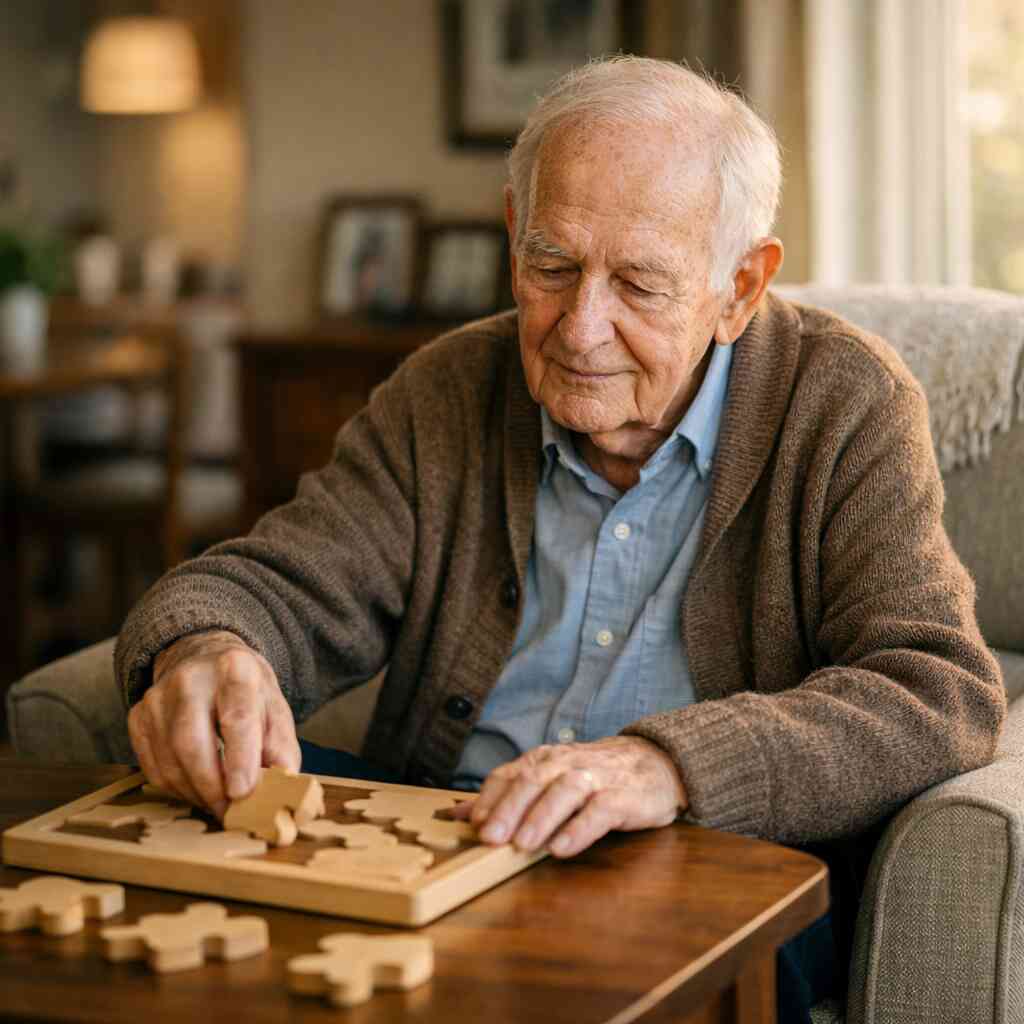
Memory care is designed for older adults with dementia-related needs, while assisted living supports people who need help with daily tasks but do not need secured, around-the-clock memory supervision. If you are trying to figure this out because Mom wandered outside once, or Dad is suddenly missing meals and medications, that worry is real. This is genuinely confusing for most families.
Key Takeaways
- Memory care vs assisted living comes down to supervision, structure, and safety. Memory care adds secured spaces, cueing, and dementia-focused routines.
- Assisted living usually helps with bathing, dressing, meals, housekeeping, and medication management in senior living, but it is not built for significant wandering or major cognitive decline.
- If your loved one is getting lost, leaving the stove on, or needs frequent redirection, what is memory care becomes the more urgent question.
- The right choice depends on current needs, future decline, budget, and the level of supervision the community can provide.
- A good senior living directory or senior living advisor can help you compare assisted living locations , memory care near me, and other housing options for seniors without pressure.
When forgetfulness turns into a safety question and the room starts asking for more than love
The everyday signs that point beyond normal aging and toward memory support services
Normal aging can mean misplaced keys, slower recall, or repeating a story. Memory support becomes a different conversation when forgetfulness starts affecting safety, judgment, or daily function. If you notice wandering, missed meals, confusion about familiar places, or trouble following simple routines, it may be time to compare memory care near me with assisted living. According to the National Institute on Aging, dementia symptoms can interfere with daily life in ways that need more than casual support.
A family in Georgia once told us their father could still chat warmly during visits, but he had begun opening the front door at night and forgetting why. That is the kind of detail that changes the decision. He did not need a hospital. He needed a safer environment with more structure, fewer choices, and staff who understood dementia behavior. Here is the part most families miss: a friendly atmosphere is not the same thing as a safe one.
What families usually mean by memory care vs assisted living when they start searching for memory care near me
Most people use these terms loosely at first. In practice, assisted living is for help with daily living tasks, while memory care is for people who need dementia-specific supervision, cueing, and a more controlled setting. If you are comparing a senior living facility to another, the real question is not the label. It is how much cognitive support the person needs every hour of the day.
FeatureAssisted livingMemory careDaily helpBathing, dressing, meals, light mobilitySame help, plus frequent cueing and redirectionSupervisionSupportive, but usually less intensiveMore structured and closely supervisedEnvironmentSocial and residentialOften secured, simplified, and dementia-friendlyBest fitMild to moderate help needsDementia-related safety and behavioral needsA useful way to think about it is this: assisted living helps with living. Memory care helps with living safely when memory loss is part of the picture. If you are looking at senior living facilities in Florida, California, or Texas, ask whether the community has a dedicated memory program or only general support. The answer matters more than the marketing brochure.
Why assisted living can feel right until dementia changes the rules
How assisted living plans handle assistance with activities of daily living, medication management in senior living, and social routines
Assisted living can be a very good fit when a person needs help with activities of daily living like bathing, grooming, dressing, meals, or transportation. Many communities also offer reminders and medication management in senior living, which can help with routines. For someone who is mostly independent but needs a hand, that support may be enough. It can also preserve dignity better than a more clinical setting.
That said, assisted living is usually built around choice and independence. Residents decide when to go to activities, what to eat, and how to spend the day. That works well until memory loss starts making those choices unsafe or impossible to manage alone. One daughter we spoke with thought her mother only needed a little extra help. Then staff started noticing skipped meals, confusion about the bathroom, and repeated attempts to leave the building. At that point, the care plan had to change.
Where assisted living vs nursing home and independent living communities stop being enough for progressive cognitive decline
This is where families often compare too many options at once. Independent living communities are best for older adults who do not need hands-on daily care. A nursing home or skilled nursing facility is for a much higher level of medical oversight and rehabilitation. Assisted living sits in the middle, but dementia can push a person past what it can safely handle.
SettingTypical needBest forIndependent living communitiesMinimal care, more lifestyle supportActive adults seeking communities for seniors 55+Assisted livingHelp with daily tasksPeople who need support but not intensive supervisionMemory careDementia-related supervisionPeople with wandering, confusion, or behavior changesSkilled nursing facilities24/7 medical careComplex health needs or post-acute recoveryIf your loved one is asking the same question every five minutes, getting lost in familiar rooms, or leaving the stove on, assisted living may no longer be enough. That does not mean they need a long-term care facility right away. It means you should compare memory care, residential care facilities, and, when medical needs are higher, nursing home options with a clear eye. For help comparing those paths, many families use a memory care guide or review the memory care vs assisted living breakdown before touring communities.
What memory care actually changes behind the doors and in the daily rhythm
Memory care changes the environment, the staffing rhythm, and the daily structure. It usually adds secured entrances, simplified layouts, consistent routines, and staff trained to work with dementia behaviors. The goal is not just supervision. It is to lower confusion, reduce wandering risk, and create calm, predictable days for people who need memory support services. 
Secured memory care unit design, wandering prevention, supervised daily activities, and personalized care plans
A good secured memory care unit is more than a locked door. It uses design to support orientation: clear hallways, fewer distractions, visible cues, and safe spaces for movement. Staff also use wandering prevention strategies, which may include scheduled check-ins, monitored exits, and activity planning that keeps residents engaged. Many families are surprised by how much this changes the day-to-day feel. Typical memory care features often include: – Supervised daily activities that are simple, familiar, and repetitive
- Personalized care plans based on cognition, habits, and triggers
- Support with eating, toileting, and grooming
- Cueing for transitions, such as getting ready for lunch or bedtime
- Staff who understand agitation, sundowning, and anxiety patterns
In a memory care setting near Phoenix, for example, the building layout may matter as much as the care itself. Quiet courtyards, enclosed walking paths, and a calmer traffic flow can reduce stress. In places like Scottsdale or Tampa, families should ask how the community handles outdoor access, heat, and safety during peak wandering times. Details like that tell you whether the space was truly built for dementia care or simply labeled that way.
How dementia care homes, Alzheimer’s care facilities, and skilled nursing facilities differ on supervision, medical support, and long-term care fit
People often use dementia care homes, Alzheimer’s care facilities, and memory care as if they mean the same thing. Often they overlap, but the level of medical support can differ. A board and care home or residential care setting may be smaller and more intimate. A skilled nursing facility is more medically intensive and can handle complex nursing needs. If you are unsure, a resource like the difference between skilled nursing and respite care can help you sort the categories.
The main difference is this: memory care is built around dementia support, while skilled nursing is built around medical care. That is why families should ask whether the person’s biggest need is supervision, behavior support, or treatment. If the answer is supervision and safety, memory care is usually the better fit. If the answer is wound care, injections, or post-hospital recovery, a nursing setting may be more appropriate.
For families comparing options with a tighter budget, it helps to review funding and location pages too. Some people search for affordable senior living, senior living for low-income seniors, or Medicaid senior housing when private pay is not realistic. Others use VA benefits for senior care, long-term care insurance, or a free senior living referral service to narrow choices without guesswork. If you need a place to compare regional options, the directories for Senior Living Facilities in Arizona or Senior Living Facilities in Alabama can be a practical place to start.
Why assisted living can feel right until dementia changes the rules
How assisted living plans handle assistance with activities of daily living, medication management in senior living, and social routines
Assisted living works best when the person can still participate in routines with light support. It often includes meals, housekeeping, transportation, social activities, and medication reminders. Many families choose it because it feels less clinical than a long-term care facility or skilled nursing facility, and because it supports aging in place longer than staying home alone. The key is matching the service level to the actual need.
A useful comparison is this:
QuestionAssisted livingMemory careCan the person follow a routine with reminders?Often yesOften needs repeated cueingIs wandering a concern?Sometimes, but not the focusA central safety issueIs the person socially engaged?Usually yesYes, but with more structured supportIs the environment secured?Not alwaysCommonly yesIf you are weighing assisted living plans, ask about staff response time, nighttime coverage, and how they handle confusion or refusal of care. Also ask whether the community can adjust as needs change, or whether a move would be required later. Those questions save families from painful surprises. When you are comparing assisted living locations, it can help to use a senior living advisor or a senior living directory that lets you compare care levels side by side.
Where assisted living vs nursing home and independent living communities stop being enough for progressive cognitive decline
Assisted living usually stops being enough when memory loss creates repeated safety risks. That might mean wandering, aggression, paranoia, inability to recognize family, or serious medication mistakes. Independent living communities reach their limit even sooner, because they are not designed for hands-on care. A nursing home becomes the next consideration when the medical side of the picture is the bigger issue than the cognitive one.
If you are stuck between choices, ask three blunt questions:
- Can my loved one be safe overnight?
- Can staff redirect them without escalating stress?
- Can the community still meet needs if memory loss progresses?
Those answers often tell you more than a brochure ever will. For a few families, a continuing care retirement community (CCRC) makes sense because it offers multiple levels of care in one place. For others, the better answer is a dedicated memory setting now, before a crisis forces a rushed move. If you want help comparing best senior living near me options, Senior Living Facilities offers a nationwide directory and confidential guidance. You can search, compare, and connect without pressure, then call 1 (844) 203 4645 if you want a real person to help sort the next move.
Frequently Asked Questions
Question: What is memory care, and how is it different from assisted living when I’m searching for memory care near me?
Answer: Memory care is a specialized type of senior living facility designed for people with dementia-related needs, especially when safety, supervision, and routine matter every day. Compared with assisted living, memory care typically includes a more secured environment, more frequent cueing, simplified daily structure, and staff trained to support memory loss-related behaviors. Assisted living is usually a better fit for someone who needs help with activities of daily living such as bathing, dressing, meals, and medication management in senior living, but does not need constant dementia supervision. If a loved one is wandering, getting confused in familiar places, or struggling to follow routines, memory support services may be the better match. Senior Living Facilities helps families compare memory care near me options with other housing options for seniors so they can find the right level of support without pressure.
Question: How can Senior Living Facilities help me compare assisted living locations, memory care, and assisted living vs nursing home options?
Answer: Senior Living Facilities is built to help families compare senior living facilities side by side, so the decision feels less overwhelming. Through our senior living directory, you can search assisted living locations, independent living communities, residential care facilities, board and care homes, and memory care communities in one place. That makes it easier to compare care levels, amenities, and general fit before you ever tour in person. If you are unsure whether your loved one needs assisted living vs nursing home care, our platform can help you narrow the field by focusing on the level of supervision, medical support, and day-to-day assistance they actually need. Families often use our service as a free senior living referral and senior living advisor resource when they want guidance without guesswork. We also help people explore best senior living near me options across all 50 states.
Question: What questions should I ask when touring a seniors living community that offers memory care vs assisted living?
Answer: When touring a seniors living community, the most helpful questions focus on safety, staffing, and how the community responds to changing needs. Ask whether the community offers a secured memory care unit, how it handles wandering prevention, and whether supervised daily activities are adapted for people with dementia. For assisted living, ask how staff support residents with bathing, dressing, meals, and medication reminders, and whether the community can adjust assisted living plans if needs increase. It is also smart to ask about nighttime coverage, response times, and how transitions are handled if a resident’s condition changes. Senior Living Facilities encourages families to use a thoughtful question list because the right senior living facility is not just about appearance or convenience. It is about whether the environment can truly support your loved one’s routines, comfort, and safety.
Question: Does Senior Living Facilities only list memory care, or can I also find housing options for seniors like 55+ apartments, rental housing for seniors, and aging in place support?
Answer: Senior Living Facilities is designed to support a wide range of housing options for seniors, not just memory care. Families can explore independent living communities, communities for seniors 55+, 55+ apartments, senior apartment rentals, senior citizen housing, retirement homes, elderly housing, and other senior living options that fit different levels of independence. If your loved one wants to age in place with a little more support, you may also want to compare assisted living plans, respite care, or residential care facilities depending on their needs. Our goal is to make the search easier whether you are looking for affordable senior living, luxury senior retirement communities, pet-friendly assisted living, senior living with no waitlist, or senior living for low-income seniors. We help families compare options in a way that feels practical, respectful, and centered on the person’s needs.
Question: How can The Difference Between Memory Care and Assisted Living help me decide between Medicaid senior housing, Medicare skilled nursing, long-term care insurance, or a continuing care retirement community (CCRC)?
Answer: The Difference Between Memory Care and Assisted Living is helpful because it clarifies what each level of care is designed to do, which makes it easier to match the right setting to the right need. If your loved one mainly needs supervision for dementia, memory care is often the more appropriate path. If they need stronger medical oversight, skilled nursing facilities or Medicare skilled nursing coverage may become more relevant. For families planning ahead, long-term care insurance, Medicaid senior housing options, or a continuing care retirement community (CCRC) may also be worth comparing depending on finances and future care needs. Senior Living Facilities helps families review these choices alongside cost of assisted living, senior living costs by state, and other practical considerations without making assumptions about pricing or outcomes. If you are still unsure, our team and directory can help you compare locations, understand the difference between skilled nursing and assisted living, and move forward with more confidence.
Senior Living Facilities Editorial Team
Expert contributor specializing in senior living care. Dedicated to providing families with clear, actionable advice.