Top 5 Fall Activities in Senior Living Communities for 2026
Why pumpkin decorating beats bingo when the days get shorter
If you are watching a parent or spouse pull back as the weather cools, that heaviness is real. The room feels quieter. The days feel smaller. Families often worry that social life will shrink right along with them, especially in seasonal activities in senior living communities where energy and comfort both matter.
Simple fall crafts can help. Pumpkin decorating, leaf collages, and fall craft workshops for seniors give residents a clear task without pressure. They also fit well inside indoor activities for seniors in assisted living, where weather, mobility, and fatigue can change quickly. In many senior living facilities, the best activities are the ones that feel familiar, not forced.
How simple fall crafts keep residents engaged without overwhelming memory or mobility
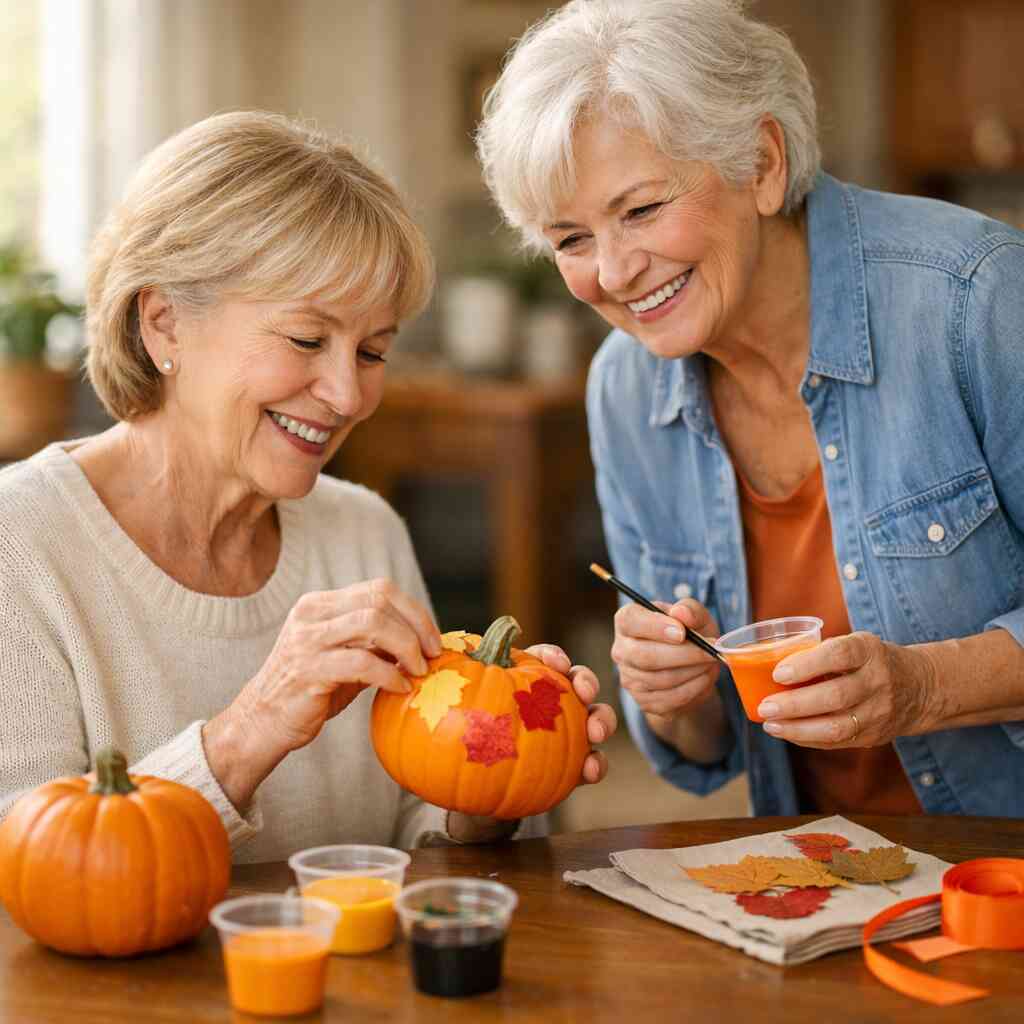
A craft works best when it feels successful within minutes. That matters in a senior living facility, because long instructions can create frustration fast. Pumpkin decorating, for example, lets residents choose paint, ribbon, stickers, or pressed leaves. That choice matters in memory care engagement ideas for seasonal programming, where confidence often grows from small wins.
Here is the part most families miss: the activity is not really about the craft. It is about control. A resident who used to host elaborate holiday dinners may light up simply because she can choose the color of a paper pumpkin. That moment can mean more than a full bingo card.
Which sensory touches make harvest themed social events feel familiar and comforting
Memory-friendly seasonal activities work when they tap the senses gently. The smell of cinnamon, the texture of burlap, and the sound of soft autumn music can make a room feel grounded. These details support sensory enrichment activities for memory care residents without overwhelming anyone. In senior living communities, comfort often starts with recognition.
One family in central Ohio told us their mother stopped joining events after a hospital stay. She rejoined when staff set out small gourds, warm cider scents, and a table with fabric leaves. No one pushed conversation. The room simply felt like fall. That was enough to get her seated, smiling, and talking again.
When indoor activities for seniors work better than outdoor recreation in cooler weather
Outdoor fall recreation has a place, but not every day supports it. Wind, damp ground, and shifting temperatures can create real barriers for older adults. In assisted living locations and independent living communities, indoor programs often keep participation higher once mornings turn crisp. The goal is not to avoid the outdoors forever. It is to match the day.
A strong program usually offers both. Residents may enjoy a brief courtyard stroll, then move inside for crafts or tea. In fall activities for older adults in senior living communities, that balance often works better than a single large outing. It gives choice without making anyone feel left behind.
How assisted living activity calendars can balance fun, structure, and choice
The best assisted living activity calendars do three things well. They create rhythm. They offer options. They leave room for a resident to say yes or no without guilt. That matters in assisted living plans, where daily structure supports residents, but over-scheduling can backfire.
A practical fall calendar might include:
- One creative activity
- One movement option
- One social hour
- One quiet sensory event
- One family-friendly gathering
That kind of structure supports resident engagement in assisted living while still respecting energy levels. It also helps communities for seniors 55+ serve residents with different interests. In larger senior housing settings, a thoughtful schedule often becomes the difference between attendance and isolation.
The chair yoga and gentle movement routine that actually gets people to show up
Cooler weather can make bodies feel stiffer. That is not a small thing. Joints ache more. Balance feels less certain. People start moving less, then moving less becomes the habit. In senior living communities, that is exactly where gentle movement earns its value.
The most successful fall wellness programs do not look intimidating. They feel safe, manageable, and social. Gentle exercise classes for seniors in assisted living can support strength without turning exercise into a performance. And in independent living communities, movement can be social first and fitness second.
Why balance and mobility activities matter more once the weather turns crisp
Fall changes how people move through the day. Wet leaves, dimmer light, and heavier shoes all raise fall risk. That is why balance and mobility activities deserve more attention in senior citizen housing and retirement homes. They help residents trust their own steps again.
A short standing routine, light resistance bands, or seated ankle circles can all help. These are not flashy exercises. They are practical ones. In fall safety for older adults in senior housing, small movements matter because they build daily confidence.
How chair yoga for older adults supports confidence without making exercise feel like a chore
Chair yoga for older adults works because it lowers the barrier to entry. Residents do not need special shoes or perfect flexibility. They need a stable chair, a calm instructor, and enough room to breathe. That is all. In chair yoga for older adults in independent living, the appeal often comes from how accessible it feels.
We have seen residents who refused “exercise class” show up for “stretch and breathe.” The label mattered. So did the pace. A warm-up, a seated reach, a gentle twist, and a pause can feel doable even on a tired day. That kind of success keeps people coming back.
Which indoor and outdoor fall recreation options fit independent living communities and assisted living locations
The best movement menu mixes indoor and outdoor choices. Independent living lifestyles often support longer walks, light gardening, and group stretching. Assisted living locations may need more seated options, shorter sessions, and clearer cues. Both can work beautifully when they respect the resident’s energy.
A good fall lineup might include:
- Chair yoga
- Short nature walks for seniors
- Seated dance
- Simple balance drills
- Light community gardening for seniors in retirement communities
That variety helps communities for seniors 55+ keep movement interesting. It also supports those comparing rental housing for seniors, senior apartment rentals, or continuing care retirement community (CCRC) options. The right setting should make movement feel possible, not mandatory.
How to adapt gentle exercise classes for residents in memory care near me and long term care facility settings
Residents in memory care need more than exercise. They need rhythm, familiar words, and visual cues. In a long-term care facility or memory care setting, instructors should keep directions short and predictable. Music helps. So does repetition.
In our experience, the biggest mistake is moving too fast. A resident may do better with two motions repeated slowly than eight motions rushed through. The same applies in skilled nursing facilities and residential care facilities. For anyone searching memory care near me, ask how staff adapt movement for different abilities. That question tells you a lot about resident-centered programming.
What every fall social hour gets wrong about connection in senior living communities
A lot of fall social hours look cheerful on paper and flat in practice. The snacks are fine. The decorations are fine. The problem is usually the same: the event asks people to perform connection instead of easing into it. Families feel that gap. Residents do too.
Real social connection in senior communities grows when events feel ordinary in the best way. That is why senior living fall events and social connection matter so much. People do not need a perfect party. They need a reason to sit down, stay awhile, and feel remembered.
How community engagement for older adults changes when the season shifts toward holiday preparation
Fall changes the emotional weather, not just the calendar. Some residents feel nostalgic. Others feel the absence of old routines more sharply. That is why community engagement for older adults should shift with the season. The best programs make room for both warmth and reflection.
Holiday preparation can help if it stays simple. Sorting recipe cards, folding napkins, or choosing table decorations gives residents a role. In community engagement for older adults in retirement communities, purpose often matters as much as entertainment. A person who helps set the room often stays in the room.
Why group games for seniors and memory friendly seasonal activities work best when they feel familiar
Group games for seniors should not feel like tests. They should feel like shared memory with no wrong answer. That is why familiar trivia, word games, and “name that scent” activities often work better than complicated contests. They create ease. 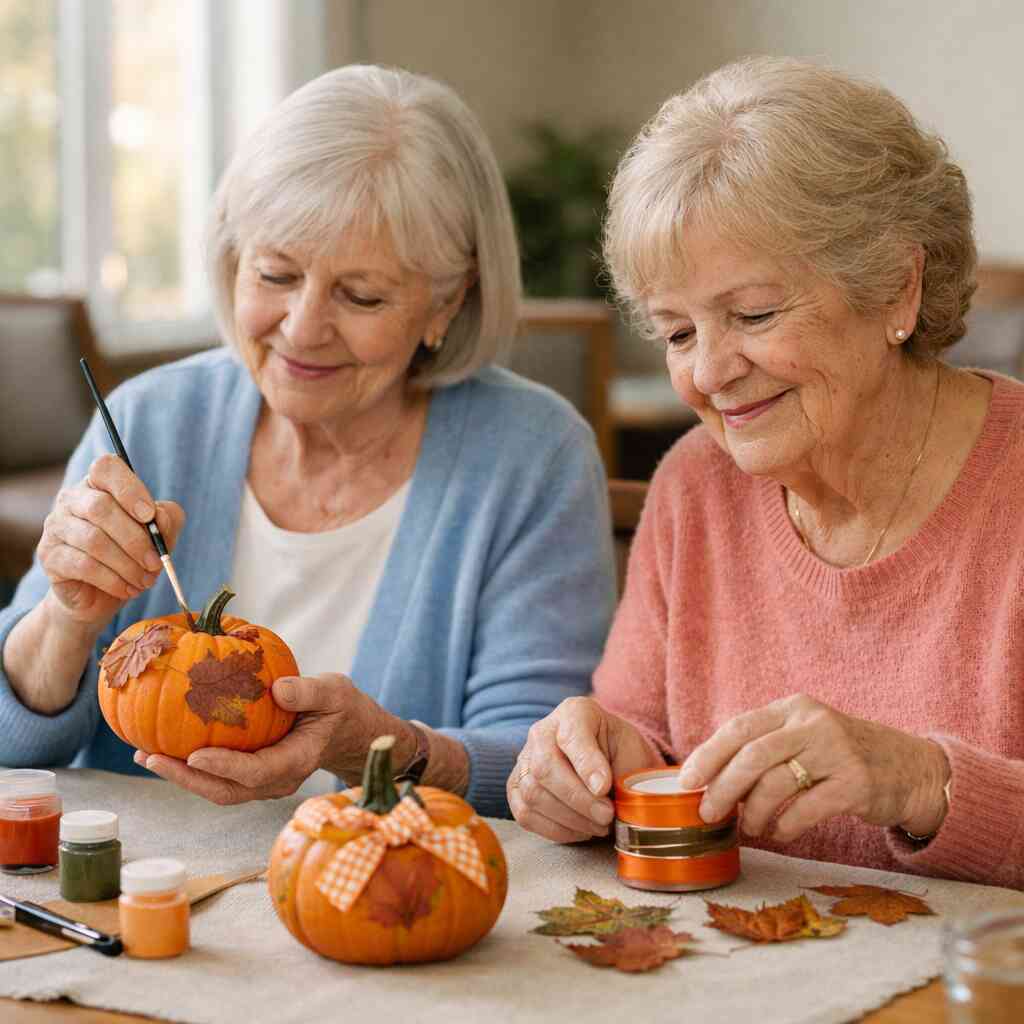
For residents with cognitive changes, keep the rules simple. Use one round at a time. Repeat the prompts. That approach supports sensory enrichment activities for memory care residents and helps reduce anxiety. Familiarity is the bridge. Complexity is the obstacle.
How intergenerational activities in senior living can make autumn events more meaningful
Intergenerational activities in senior living can turn a routine afternoon into something memorable. Children bring energy. Older adults bring stories. The mix can be lively without being noisy, if staff plan it well. Coloring leaves together or building a gratitude tree works better than forcing long conversations. One assisted living community in Arizona invited local grandchildren for a leaf-banner project. The residents did not need to lead the whole event. They only needed to share a table, a story, and a little patience. That was enough. It is often enough. ### What resident centered programming looks like in seniors living community settings and retirement homes
Resident-centered programming starts with listening. Ask what residents liked before they moved in. Ask what they miss. Ask what feels meaningful now. That is especially important in a retirement community setting, where the schedule should reflect people, not just logistics.
Strong programming in senior living communities usually includes:
- Small-group options
- Quiet and lively choices
- Cultural and faith-based events
- Family-inclusive gatherings
- Flexible timing
This is where the difference between a generic activity schedule and real care becomes visible. In retirement homes and independent senior living and age-restricted community options, residents should feel that the calendar was built for them, not pasted onto them.
When a harvest outing helps and when staying on campus is the wiser choice
Not every fall outing is worth the effort. That can be hard to admit. Families often want the “perfect” autumn memory, but energy, weather, and transportation can change the equation fast. The right choice is not always the biggest outing. Sometimes it is the safest and most enjoyable one.
Senior living facilities that understand this offer both outings and in-house alternatives. That flexibility matters in Florida senior living, California assisted living, and Texas nursing homes, where climate, traffic, and local access can vary widely. Good planning protects the experience before it becomes tiring.
How apple picking outings for seniors compare with community gardening for seniors
Apple picking outings for seniors sound charming, and sometimes they are. But the walking surface, distance, and weather can make them too demanding. Community gardening for seniors in retirement communities can offer a softer version of the same seasonal joy. Residents still touch soil, smell leaves, and see harvest colors up close.
A small raised-bed garden often works better than a bus trip. It is quieter. It is easier to access. It also supports aging in place by keeping meaningful activity close to home. For many residents, that is the real win.
What fall safety for seniors means for transportation, weather, and fall risk
Fall safety for seniors is broader than grab bars and handrails. It includes ride timing, footwear, hydration, and the size of the outing. A good planner checks the weather before loading the bus. That sounds basic, but basic is often what keeps the day going smoothly.
Transportation matters too. Longer rides can drain energy before the event even begins. Families comparing assisted living locations should ask about escort support, curb access, and backup plans. In fall safety for older adults in senior housing, those details are not minor. They are the event.
How pet friendly assisted living and pet friendly community events can support companionship in senior living facilities
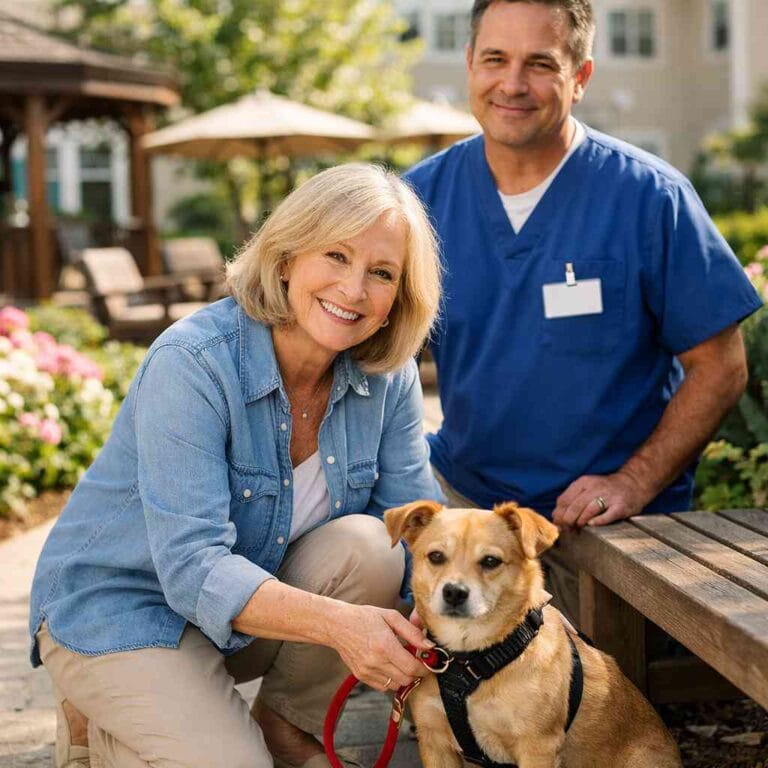
Pets change the mood of a room fast. A calm dog, a visiting cat, or a small pet-friendly event can create instant conversation. That matters in senior living facilities, especially for residents who miss animals from home. Pet friendly community events in senior living facilities can support companionship without demanding much from anyone.
A resident who rarely speaks in large groups may start talking to the dog handler. Another may remember a childhood pet. Those small moments build social connection in senior communities. They also help a new resident feel less like a visitor.
When aging in place support inside senior citizen housing or 55+ apartments is enough and when extra care is needed
Aging in place can work well when needs are light and support is nearby. In senior citizen housing or 55+ apartments, that might mean social calendars, ride services, and light wellness check-ins. It is a strong option for many people. It is not a universal one.
When falls increase, memory changes, or medication support becomes harder, families should look harder at assisted living plans, board and care homes, or a continuing care retirement community (CCRC). For some, the next fit may be a nursing home or skilled nursing facilities. If you are sorting through housing options for seniors, the key question is simple: does the current setting still match the actual care needs?
The fall menu and memory cues that turn dinner into an activity
Meals are not just meals in senior living. They are anchors. They mark the day. They spark conversation. They also bring back memories fast, which is why fall dining can become one of the best wellness tools in the building. Good food helps. Familiar food helps more.
This is where fall inspired dining experiences in senior communities matter. A warm meal, a seasonal scent, and a shared table can improve mood in ways that are hard to measure but easy to see. Families comparing senior living amenities should pay close attention to mealtimes. They reveal a great deal.
How fall inspired dining experiences can support appetite, routine, and social connection
Seasonal menus can boost interest without turning dinner into a special event every night. Soup, roasted vegetables, baked apples, and soft breads feel familiar. They also support routine, which matters in assisted living, independent living communities, and memory care homes. A predictable meal schedule can reduce confusion and improve comfort.
The best dining rooms do more than serve food. They invite lingering. They create conversation. They help residents notice the season without needing to leave campus. That is a small thing. It is also a powerful one.
Why music therapy activities and sensory enrichment activities often pair well with autumn wellness programs
Music and memory often travel together. A familiar song can steady a restless afternoon or open a conversation that seemed out of reach. That is why music therapy activities pair so well with autumn wellness programs. They create an emotional bridge without asking too much.
Add sensory layers, and the effect deepens. Soft lighting, cinnamon tea, a gentle rhythm, and tactile craft materials can support calm. In autumn wellness programs for seniors, these details help residents stay engaged longer. The atmosphere matters as much as the agenda.
How Thanksgiving gatherings in senior living can stay inclusive for residents across assisted living, independent living, and memory care
Thanksgiving gatherings in senior living should leave room for many histories. Some residents want a big table. Others want quiet. Some need memory support. Others are still highly independent. The best events respect all of that. Thanksgiving gatherings in assisted living and memory care work best when no one feels pushed into a version of the holiday that does not fit.
A thoughtful gathering might include:
- A shared meal
- A short gratitude circle
- Soft music
- Family visiting hours
- A separate quiet room
That flexibility matters across assisted living, independent living, and memory care. It also supports communities for seniors 55+ that want inclusion without overload.
What families should look for in senior living amenities and resident engagement before choosing the best senior living near me
If you are comparing the best senior living near me, look beyond the brochure photos. Watch how residents are greeted. Notice whether staff know names and preferences. Ask how often activities change with the season. These details tell you more than polished marketing ever will.
You should also ask about cost of assisted living, Medicaid senior housing options, Medicare skilled nursing limits, VA benefits for senior care, and long-term care insurance coverage. If money is part of the decision, compare senior living costs by state and ask for a free senior living referral from a trusted senior living directory. The right fit should feel humane, practical, and steady. Start with one call, then compare two more communities before the week ends. You do not have to solve everything today, and you do not have to do it without help.
Frequently Asked Questions
Question: What are the best fall activities for seniors in a senior living facility when the weather turns colder?
Answer: The best fall activities for seniors are the ones that feel warm, familiar, and easy to join. In many senior living facilities, that means pumpkin decorating activities, fall craft workshops, chair yoga for older adults, gentle group movement, sensory enrichment activities, and fall-inspired dining experiences. These options work especially well because they support social connection in senior communities without requiring too much energy or complicated instructions. At Senior Living Facilities, we help families compare communities for seniors 55+ that offer meaningful seasonal activities in senior living communities, so residents can stay engaged in ways that match their comfort, abilities, and preferences.
Question: How does Top 5 Fall Activities in Senior Living Communities for 2026 connect with resident-centered programming and memory care engagement ideas?
Answer: This topic is closely tied to resident-centered programming because the best fall activities are not one-size-fits-all. A strong senior living facility will offer choices like memory-friendly seasonal activities, group games for seniors, music therapy activities, and simple creative arts for older adults that can be adjusted for different levels of ability. For residents looking for memory care near me, these activities may be especially helpful when they include repetition, familiar scents, soft music, and easy-to-follow steps. Senior Living Facilities helps families compare assisted living locations, memory care homes, and other housing options for seniors so they can find a community that supports both comfort and cognitive stimulation programs in a thoughtful way.
Question: How can families use Senior Living Facilities to compare assisted living plans, independent living communities, and other housing options for seniors before fall events begin?
Answer: Families can start by using our senior living directory and assisted living locator to search by location and compare different types of senior housing. That makes it easier to review assisted living plans, independent living communities, continuing care retirement community (CCRC) options, board and care homes, residential care facilities, and other elderly housing choices side by side. When comparing communities, it helps to ask about assisted living activity calendars, outdoor fall recreation, indoor activities for seniors, and resident engagement in assisted living. Senior Living Facilities is designed to make that search simpler by helping families connect with a senior living advisor, compare communities, and find a fit that supports daily life and seasonal activities.
Question: What should families ask about fall safety for seniors and wellness-focused senior community life before choosing the best senior living near me?
Answer: Families should ask practical questions about fall safety for seniors, transportation, walking surfaces, staffing support, and how activities are adapted for different mobility levels. It is also smart to ask about senior living amenities, balance and mobility activities, gentle exercise classes for seniors, and how the community handles indoor activities for seniors when the weather changes. If memory care or skilled care may be needed later, ask about the difference between skilled nursing and assisted living, Medicare skilled nursing coverage, VA benefits for senior care, Medicaid senior housing, and long-term care insurance. Senior Living Facilities encourages families to compare communities carefully so they can make informed choices about senior citizen housing, retirement homes, or a long-term care facility that truly supports aging in place when possible.
Question: What fall activities in assisted living locations help build companionship in senior living facilities and keep residents socially connected?
Answer: The most successful fall activities are the ones that feel natural and welcoming. Harvest-themed social events, pet-friendly community events, intergenerational activities in senior living, community gardening for seniors, and Thanksgiving gatherings in senior living can all create opportunities for conversation and companionship. In assisted living locations, these events work best when residents are given choices and no one feels pressured to participate in a certain way. Senior Living Facilities values social connection in senior communities and helps families explore affordable senior living, luxury senior retirement communities, and senior living with no waitlist depending on what matters most. Our goal is to help each person find a community where meaningful activities for older adults are part of everyday life, not just a special occasion.
Question: How do I know whether aging in place support is enough, or whether I should look at a nursing home, skilled nursing facilities, or memory care homes instead?
Answer: That decision usually depends on how much support is needed day to day. Aging in place support can work well when a person still manages most routines and only needs light help, social opportunities, or transportation. But if falls increase, memory changes become more noticeable, or medical needs become more complex, it may be time to compare a nursing home, skilled nursing facilities, Alzheimer’s care facilities, dementia care homes, or a continuing care retirement community (CCRC). Senior Living Facilities helps families weigh these housing options for seniors with care, including senior living for low-income seniors, senior apartment rentals, 55+ apartments, and other senior citizen housing choices. We also encourage families to review CMS star ratings, senior housing regulations, and questions to ask assisted living so they can make a confident and informed decision.
Admin
Expert contributor specializing in senior living care. Dedicated to providing families with clear, actionable advice.