
Top Strategies for Choosing Senior Living Facilities Today

Stepping Into the Silver Horizon
The evolving landscape of senior living near you
The senior housing market has transformed from institutional halls into vibrant neighborhoods thriving right around the corner. Today’s senior living facilities mix wellness centers, art studios, and gourmet dining so residents feel inspired, not confined. Families can quickly search senior living options near me to see how many choices now sit within a short drive. This digital visibility encourages thoughtful comparison of independent living community features and assisted living plans before anyone schedules a visit. Consequently, older adults gain more control over their future because information no longer hides behind brochures.
Providers also compete on lifestyle, not merely medical care, pushing innovation at every price point. You will notice eco-friendly construction, smart home technology, and intergenerational events popping up across senior living near you. Such variety dissolves the myth that relocation equals surrendering independence. Instead, a senior living facility often boosts autonomy through maintenance-free housing and on-site health professionals. As options multiply, your selection strategy must balance personal goals with measurable quality indicators.
Debunking outdated stereotypes about senior housing
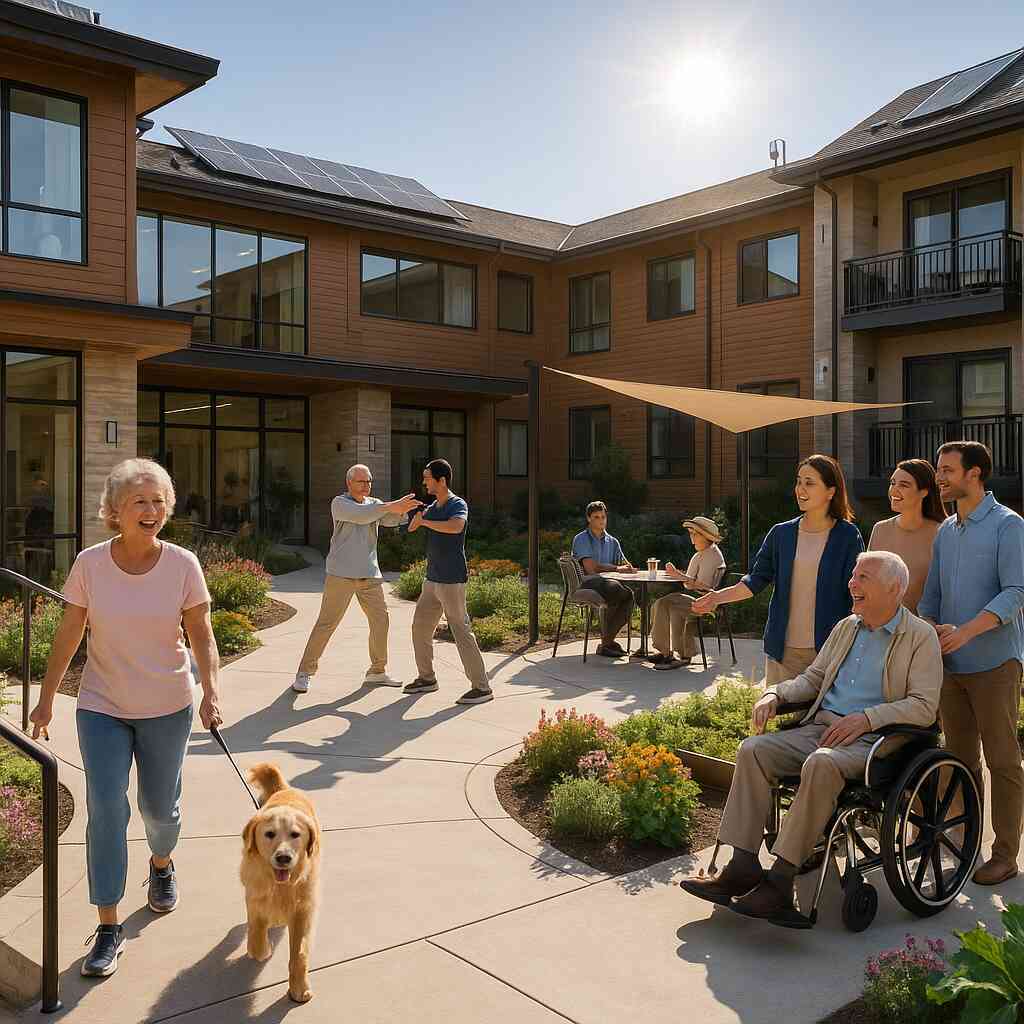
Many Americans still imagine nursing homes for the elderly packed with linoleum floors and strict visiting hours. That outdated image ignores modern long-term care facility standards emphasizing hospitality and continuous connection. Current housing options for seniors span stylish lofts, pocket neighborhoods, and high-rise senior apartment rentals above coffee shops. These settings invite grandchildren, pets, and community volunteers, reshaping the emotional narrative around aging. Residents often report improved self-esteem because purposeful design tells them they belong.
Stigma also fades when people tour communities for seniors 55+ that resemble boutique hotels. Professional chefs craft menus alongside dietitians, and wellness coaches personalize exercise routines. Residents may still receive help with activities of daily living essentials, yet the support blends seamlessly into everyday life. By challenging stereotypes directly, you will evaluate amenities and culture objectively rather than relying on old perceptions. Ultimately, that mindset leads to smarter, evidence-based decisions.
Aligning lifestyle goals with modern communities for seniors 55+
Before scheduling tours, articulate the experiences that make each day meaningful. Some adults crave maker spaces, while others prioritize meditation gardens or pickleball courts. Active adult community pros and cons shift depending on whether you value social calendars or serene privacy. List those preferences, then match them against specific independent living community amenities advertised on provider websites. The clearer your priorities, the easier it becomes to spot genuine alignment instead of clever marketing.
Financial and clinical circumstances must also fit within your broader continuum of care strategy. Ask whether rental housing for seniors remains flexible should functional needs increase. Inquire about seamless transfers to memory care community neighborhoods or on-site rehabilitation suites. Assess transportation services for older adults, because reliable shuttles keep social engagement opportunities for seniors flourishing. Finally, explore pet-friendly senior housing choices, ensuring furry companions can accompany you on this next chapter. Thoughtful alignment today prevents disruptive moves tomorrow.
Charting the Continuum of Care Compass
Independent living community perks and pitfalls
Independent living communities attract healthy adults who want comfort without constant oversight. Amenities such as housekeeping, flexible dining, and fitness studios replace routine chores. Yet every senior living community sets its rules, so verify transportation schedules, guest policies, and pet limits. Use the core factors in selecting senior living facilities articles to structure objective comparisons. That disciplined approach keeps marketing charm from overshadowing practical needs.
Price transparency also matters because rental housing for seniors often uses tiered service bundles. Clarify what the base rate covers, including utilities, wi-fi, and meal credits. Request a sample billing statement that shows additional fees for transportation or emergency response pendants. Touring several senior living facilities near you exposes hidden costs quickly. Comparing identical floor plans side by side reveals whether you pay for marble finishes or genuine value.
Assisted living plans versus assisted living locations
Assisted living plans bridge independence and support by offering help with the activities of daily living essentials. Communities design tiered service levels covering bathing, dressing, and medication reminders. Because needs evolve, flexible care packages protect both dignity and budget. However, assisted living locations differ in staffing models, with some outsourcing nursing while others employ full-time clinicians. Understanding that contrast prevents unwelcome transfers when health events escalate.
Evaluate culture alongside clinical depth. Observe meal times to gauge staff responsiveness and resident satisfaction. Speak with families to learn how leadership handles grievances and emergency communication. Reliable data sources, including state inspection reports, confirm whether advertised ratios reflect reality. Finally, keep an assisted living locator handy to cross-reference options across your preferred radius.
When memory care communities become essential
Cognitive decline can appear gradually, yet decision deadlines arrive suddenly. Early planning for memory care communities preserves choice and emotional stability. Specialized neighborhoods feature secured designs, color-coded hallways, and trained caregivers who redirect anxiety compassionately. Verify whether the program uses evidence-based therapies like music or aromatherapy. Also examine staff turnover because consistency stabilizes residents facing confusion.
Ask the admissions nurse about sensory profiles, wander management technology, and involvement of occupational therapists. Confirm that loved ones can visit freely without undermining safety protocols. Many memory care choices in New York showcase rooftop gardens, while rural counterparts offer farm animals for tactile engagement. Understanding those variations helps match personal history with stimulating surroundings. Early research suggests that families make rushed decisions during medical crises.
Long term care facilities and nursing homes for the elderly demystified
Long-term care facilities provide 24-hour nursing for residents with complex medical conditions. Unlike senior apartment rentals, these centers feature on-site physicians, rehabilitation gyms, and advanced wound care. They follow federal regulations that mandate infection control and resident councils. Despite myths, modern nursing homes for the elderly encourage personalized décor, social clubs, and virtual reality travel sessions. Touring units during different shifts shows how consistent that culture feels.
Financial commitment intensifies at this stage, so consult a geriatric care manager before signing contracts. Compare Medicare ratings, state inspection histories, and family satisfaction surveys. Investigate fall-prevention technology, such as sensor-embedded flooring or smart lighting. Strong rehabilitation outcomes indicate whether residents regain mobility or remain bedridden. By vetting these benchmarks, families secure dignity and clinical excellence simultaneously.
 Data Driven Decisions for Quality and Safety
 Data Driven Decisions for Quality and Safety
Evaluating staff to resident ratio importance
Selecting senior living facilities requires scrutinizing staffing numbers before décor or dining menus impress you. The industry measures competence through nurse hours per resident day and caregiver skill mix. Families can compare reported metrics against long-term care quality benchmarks to understand whether daily needs will be met. Ratios below professional guidelines often predict rushed assistance, medication delays, and resident frustration. Therefore, the staff-to-resident ratio’s importance should sit at the top of every evaluation checklist. A community that invests in people first usually excels in all other areas.
When touring, ask leaders to share shift assignments for weekdays, nights, and holidays. Confirm whether licensed nurses remain on-site or just on-call after dinner. Observe morning routines; adequate staffing means residents appear groomed, calm, and eager for breakfast. Speak with aides openly because candor often surfaces when managers leave the room. Taking these steps transforms abstract ratios into living proof of reliable care.
Safety and accessibility standards every senior living facility should meet
A trustworthy senior living facility meets rigorous safety and accessibility standards before marketing luxury perks. Look at grab bars, zero-threshold showers, contrasting floor colors, and emergency pull cords in every suite. During virtual comparisons, the step-by-step senior living options comparison tool highlights compliance features side by side. Communities must also maintain sprinkler systems, back-up generators, and non-slip outdoor paths to protect fragile joints. When these elements exist, residents move confidently and families sleep peacefully.
Accessibility extends beyond architecture into everyday protocols. Ask how often staff run fire drills and whether evacuation chairs sit near stairwells. Investigate infection control logs, especially if your loved one is immunocompromised. Review inspection citations; a pattern of hazards signals leadership neglect. Finally, verify that elevators receive quarterly maintenance, because a broken lift can isolate wheelchair users instantly.
Technology enabled senior care innovations to look for
Digital innovation now bolsters health, safety, and independence across progressive senior living near you. Wearable sensors track hydration, sleep, and gait, alerting nurses before falls occur. Families comparing options can consult the methods to evaluate senior living in the 2025 guide to decode these technical claims. Ask whether Wi-Fi supports telehealth visits and if apartments include voice-activated lighting for arthritis friendly control. Smart tools should enhance, not replace, compassionate human touch.
Investigate platforms that integrate electronic health records with pharmacy systems to reduce medication errors. Prompt alerts tell caregivers when vital signs drift outside personalized thresholds. Virtual reality programs combat loneliness by transporting residents to familiar hometowns or scenic beaches. Additionally, robotic pets soothe dementia-related anxiety without allergy concerns. Facilities adopting such solutions prove a willingness to invest in life-enriching progress.
Measuring social engagement opportunities for seniors
Loneliness undermines cognitive health faster than many chronic illnesses, so social programming must rank high during senior living facility selection. Review activity calendars for variety, cultural relevance, and resident input. Use the compare independent vs assisted living planning resource to judge whether offerings match functional ability levels. A balanced schedule blends fitness classes, educational lectures, volunteer outings, and intergenerational events. Rich engagement options cultivate purpose, reduce depression, and encourage lifelong learning.
During tours, observe participation rather than decorations. Are residents chatting eagerly or staring at televisions? Ask staff how they encourage newcomers to break the ice within the first week. Investigate transportation services for older adults that connect them to off-site concerts, faith communities, and nature trails. Finally, confirm that programs adapt seasonally so enthusiasm never fades.
Counting the Cost Without Compromising Care
Budgeting for senior living costs and hidden fees
Smart budgeting begins by mapping stable income sources against projected monthly service fees. Create a spreadsheet that lists base rent, tiered care, dining credits, and optional wellness subscriptions. Compare advertised rates with real invoices to uncover seasonal surcharges and linen service upgrades. Regional costs vary, so study senior housing affordability in Illinois to understand Midwestern benchmarks before negotiating locally. That benchmark anchors expectations and prevents sticker shock when touring premium properties.
Hidden fees often lurk in wellness packages, parking assignments, and guest meal tickets, so demand a complete line-item estimate. Consult the comprehensive senior living facilities guide to cross-reference typical cost ranges and identify outliers quickly. This due diligence reflects elite senior living facility selection tips that prioritize transparency over marble lobbies. Also calculate annual percentage increases, which may be capped or waived during promotional periods. By forecasting five years of expenses, families protect both lifestyle dreams and legacy savings.
Rental housing for seniors and senior apartment rentals comparison
Rental housing for seniors advice always starts with location, yet finishes with utility inclusions. A coastal zip code may charge more, but bundled internet and security offset the premium. When comparing communities for seniors 55+ benefits, look beyond poolside photos and audit lease flexibility during health changes. For example, retirement communities on Florida’s coast often let residents upgrade to assisted living plans without relocation, preserving social circles. Such policies embody a seamless continuum of care strategy that minimizes stress.
Next, use a senior apartment rentals checklist to evaluate square footage, soundproofing, and accessible storage. Gather seniors living community comparisons in a single chart showing pet deposits, shuttle routes, and parking ratios. Active adult community pros and cons become clear when identical metrics sit side by side. Prioritize communities offering month-to-month options if relocation to family remains possible. Clear data prevents emotional marketing from distorting financial reality.
Understanding contracts in a seniors’ living community
Contracts define rights, responsibilities, and refund paths, yet many families skim legal pages. Ask counsel to translate residency agreements into plain language before signing with any seniors living community. In states with different disclosure laws, terms shift, so examine regional samples like assisted and independent living in Texas for comparison. Confirm how care tier shifts alter monthly charges and whether unused meal credits roll over. Clarifying these clauses safeguards retirement community lifestyle analysis against unpleasant surprises.
Beyond pricing, review arbitration requirements, visitor rules, and emergency transfer procedures. Questions to ask senior living staff include cancellation timelines, interest earned on deposits, and liability for personal property. Meticulous scrutiny aligns with elder care quality metrics that emphasize autonomy and informed consent. Families should also document any verbal promises regarding renovations or staffing levels. Written addendums protect residents long after sales teams change.
Leveraging assisted living locator tools and benefits programs
Digital assisted living locator tools shrink research time by filtering communities through budget, care level, and amenity preferences. Seniors who prefer the West Coast can explore senior living communities in California without leaving the couch, then request side-by-side cost sheets. These platforms also highlight veterans’ benefits, Medicaid waivers, and state grant opportunities that offset monthly fees. Matching eligibility rules with community acceptance criteria maximizes every dollar.
After narrowing choices, call benefits counselors to bundle pharmaceutical discounts, long-term care insurance, and local tax rebates. Integrate transportation services for older adults into the cost equation because medical shuttles prevent hidden ride-share expenses. Finally, maintain a file of acceptance letters, wait-list statuses, and benefit approvals to streamline future transitions. Organized documentation ensures personalized care coordination stays affordable as needs evolve. Continuous review keeps financial plans aligned with life’s changes.
Crafting Your Personalized Senior Living Roadmap
 Crafting Your Personalized Senior Living Roadmap
Key questions to ask senior living facility staff
First, arrive with a written list because nervous energy can erase critical thoughts once you sit in the lobby. Ask about staff-to-resident ratio importance during every shift, including holidays, and request real schedules, not marketing averages. Follow that with questions regarding emergency response times, evacuation procedures, and infection control audits to verify elder care quality metrics. Then, explore how the community measures resident satisfaction and how quickly leadership addresses maintenance or dietary concerns. Ending the conversation with these pointed inquiries shows you value transparency and refuse to rely on glossy brochures.
Next, shift toward lifestyle specifics that differentiate one senior living facility from another. Clarify which independent living community amenities are already included versus à-la-carte upgrades, so hidden costs never derail retirement community lifestyle analysis. Discuss pet policies, guest-suite availability, and transportation services for older adults that keep social calendars thriving. Probe how the property adapts assisted living plans if residents eventually need help with the activities of daily living essentials. Finally, request policy copies on grievance resolution to guarantee promises will outlast personnel changes.
Family involvement and personalized care coordination
Ongoing success depends on a transparent partnership between family advocates and interdisciplinary caregivers. Start by asking how often care plan meetings occur and whether virtual attendance is available for out-of-state relatives. Determine who coordinates medical appointments, pharmacy refills, and laboratory follow-ups, because fragmented tasks can weaken personalized care coordination. Investigate whether residents may choose preferred physicians or therapists rather than accepting only in-house providers. When families participate meaningfully, residents feel supported and decisions stay aligned with individualized goals.
Equally important, explore the continuum of care strategy that will guide future transitions. Does staff proactively notify families before functional changes demand a higher support level? Are social workers available to navigate benefits programs, insurance approvals, and long-term care facility decision factors? Ask whether memory care staff offer education sessions so loved ones understand cognitive decline and coping tools. Clear communication channels let relatives celebrate milestones instead of worrying about overlooked details. This collaborative culture fosters trust, stability, and emotional peace.
Timing the move based on health and lifestyle indicators
Recognizing the ideal moment to relocate prevents crises from forcing rushed decisions. Monitor whether daily tasks like meal prep, medication management, or housekeeping feel unsafe or exhausting. When fatigue or repeated falls appear, a senior living community with supportive services often restores confidence faster than scattered home aids. Also track social engagement opportunities for seniors, because isolation quietly erodes mental health and motivation. Timely relocation preserves autonomy rather than symbolizing surrender.
Lifestyle aspirations matter just as much as clinical triggers. Enthusiastic travelers may choose independent settings with concierge transport, while gardeners might prioritize ground-floor patios and communal greenhouses. Consider recurring hospitalizations, weight fluctuations, or missed bills as signals that assistance with activities of daily living essentials could enhance well-being. Evaluate local weather patterns, too, since extreme temperatures can limit mobility and outdoor enjoyment. By weighing both practical and aspirational indicators, families select the right environment before health declines dictate urgency.
Next steps to connect with senior living facilities near me
Begin by gathering your comparison notes, budget ranges, and priority amenities, then perform a focused senior living near me search. Use interactive filters to narrow results by care level, dining style, and pet-friendly senior housing choices. Touring several communities back-to-back sharpens observations and helps you see subtle differences in culture or cleanliness. If warm winters and desert vistas appeal, explore active adult communities in Arizona to blend sunshine with vibrant programming. Whether you venture far or stay local, deliberate fieldwork converts online research into confident action.
Finally, schedule follow-up calls within a week so impressions remain fresh and momentum continues. Request draft contracts, sample invoices, and current activity calendars for deeper review at home. Share findings with trusted advisors who can spot overlooked contract clauses or excessive fee structures. When a clear front-runner emerges, place a refundable deposit to secure your preferred floor plan while the medical forms process. This organized, step-by-step approach ensures your chosen senior living facilities align perfectly with health goals, lifestyle dreams, and financial stewardship.
Frequently Asked Questions
Question: How do Senior Living Facilities help me compare senior living facilities near me and avoid hidden costs?
Answer: Our platform aggregates real invoices, staff-to-resident ratio importance data, and safety inspection scores for every senior living community we list. When you search for seniors living near you, side-by-side charts instantly reveal what the base rate covers-utilities, dining credits, transportation services for older adults-and flag any à-la-carte or seasonal fees. You can download sample bills, ensuring your budgeting for senior living costs is grounded in real numbers rather than marketing estimates.
Question: What are the key factors Senior Living Facilities analyze when recommending assisted living plans and locations?
Answer: We evaluate more than 50 elder care quality metrics, including staff credentials, medication-error rates, safety and accessibility in senior living, and social engagement opportunities for seniors. Our assisted living locator tools also weigh community culture-matching hobbies, pet-friendly senior housing choices, and preferred dining styles-so the assisted living locations you tour already fit your lifestyle and clinical needs.
Question: In the blog Top Strategies for Choosing Senior Living Facilities Today, you stress planning ahead; how early should I start using the Senior Living Facilities database?
Answer: Ideally, families begin a senior living near me search 12-24 months before a potential move. Early exploration lets you lock in wait-list positions at high-demand communities for seniors 55+ and gives you time to align a continuum of care strategy-from independent living community amenities today to memory care community considerations tomorrow-without the pressure of a medical crisis.
Question: Do senior Living Facilities verify technology-enabled senior care claims, such as fall-detection sensors and telehealth suites?
Answer: Yes. Before a senior living facility is featured, our reviewers request maintenance logs, software certifications, and resident outcome data. Only communities that demonstrate reliable, privacy-compliant technology make it into our housing options for seniors guide, so you can trust claims about smart lighting, electronic health-record integration, and virtual reality programs.
Question: How can my family stay involved after we select a community through Senior Living Facilities?
Answer: Every listed seniors living community shares its personalized care coordination schedule on our platform-detailing how often care-plan meetings occur, whether virtual conferencing is available, and whom to contact 24/7. We also provide questions to ask senior living staff, downloadable grievance-policy summaries, and reminders to review contracts annually. This toolkit keeps your family engaged, informed, and confident that your loved one’s needs stay front and center.
Admin
Expert contributor specializing in senior living care. Dedicated to providing families with clear, actionable advice.