Understanding Senior Living Facilities Safety Protocols
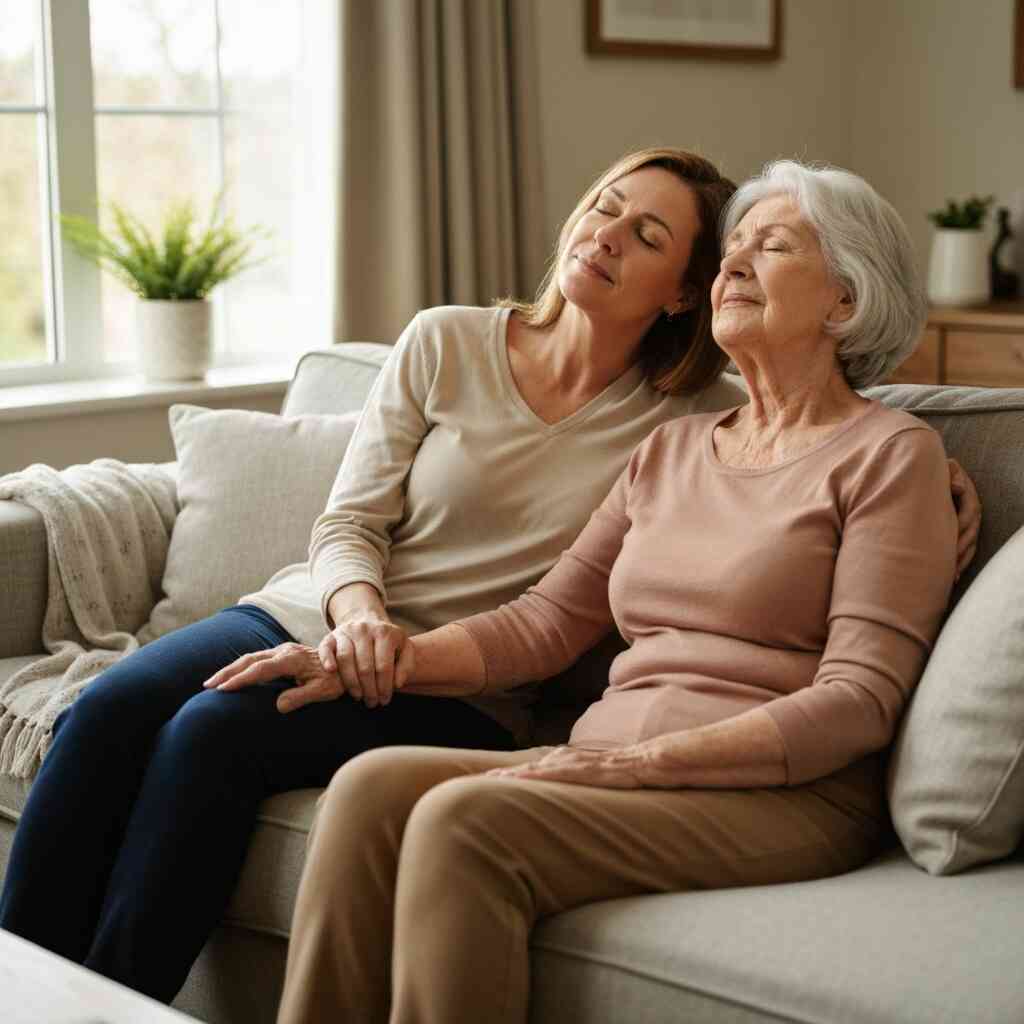
Selecting a new home for an aging parent or loved one is an emotional task. You notice small changes in their daily routine, like a missed meal or an unkempt room, and realize they need more support than they currently have at home. This realization brings worry about their physical wellbeing, social connection, and overall health. Safety is the central pillar that supports every decision you make during this process. You want to know that when you leave your loved one for the night, they are protected, supported, and cared for with compassion. Understanding the safety protocols within these communities helps you move from anxiety to genuine confidence.
The Invisible Pillars of Peace of Mind
Ensuring the safety of seniors involves more than just locked doors or well-lit hallways. It requires a deep commitment to maintaining an environment where residents can thrive without the constant fear of accidents or health complications. When you research standard protocols for senior living environments, you begin to see how these facilities structure their daily operations to prioritize resident health. These invisible pillars include rigorous staff training, emergency preparedness, and a culture that values transparent communication. By focusing on these elements, communities for seniors 55+ create a foundation where residents feel empowered to live their lives fully. Every policy and procedure serves as a protective layer, allowing families to breathe easier knowing their loved ones are in capable, caring hands.
Recognizing the weight of safety when choosing a home for your loved one
When you begin searching for housing options for seniors, the volume of information can feel overwhelming. You might be looking for assisted living locations or checking out rental housing for seniors, but the primary factor remains the same: physical and emotional security. Safety is the baseline requirement that allows for other benefits like social engagement and personalized medical care. Without a secure environment, the transition to a retirement home becomes a source of stress rather than a positive life step. Families often look for clues during their visits, such as the cleanliness of the building or the genuine warmth of the staff members interacting with residents. These indicators reflect the underlying commitment to safety that you will rely on every day.
Understanding how senior living facilities build a foundation of trust
Building trust between a senior living facility and the families it serves is a continuous process that involves radical transparency. Trust grows when administrators prioritize open dialogue regarding resident safety monitoring technology and health outcomes. A reputable senior living advisor will tell you that the most successful communities are those that involve families in the care planning process. When a facility holds regular town hall meetings or sends out clear updates about safety measures, it demonstrates a commitment to the entire community. This foundation of trust allows for better collaboration between staff and family members, ensuring that the resident’s specific needs are met. When you feel heard and respected, the decision to choose a particular facility becomes much easier to justify and embrace.
Why regulatory compliance for long-term care matters for your family
Regulatory compliance for long-term care in retirement homes is the backbone of industry standards that keep our older adults safe. State and federal agencies establish strict guidelines that cover everything from building codes to the handling of sensitive medical information. These regulations ensure that all long-term care facilities, including nursing homes and residential care facilities, are held accountable for their actions. You should never feel shy about asking a community manager about their most recent survey results or compliance reports. When a facility adheres strictly to these standards, it minimizes risks associated with medication errors or environmental hazards. Understanding these requirements gives you the necessary tools to compare different communities objectively and prioritize those that consistently meet or exceed legal benchmarks.
Decoding the Layers of Protection in Senior Communities
Protection in the context of senior living is multi-faceted, involving physical, clinical, and environmental strategies. Facilities utilize complex systems to ensure that resident wellness and safety oversight are maintained throughout every hour of the day. From advanced fire suppression systems to staff training on emergency procedures, these communities are built to mitigate risk. Understanding these layers helps you recognize that safety is an ongoing activity that involves constant evaluation and improvement. Whether you are investigating assisted living plans or comparing nursing homes, knowing what to look for will sharpen your focus. By prioritizing communities that treat safety as a core value, you protect your loved one from avoidable harm and provide them with a high quality of life.
Infection control protocols and medication management safety standards
Effective infection control protocols in assisted living facilities have become a focal point for families looking for peace of mind. Communities maintain strict sanitation schedules and staff health checks to ensure that illnesses do not spread within the resident population. Alongside hygiene, medication management safety standards are crucial for seniors dealing with chronic conditions. Staff members must be trained to administer prescriptions with high precision, avoiding dangerous interactions or missed doses. You should ask about the automated systems that these facilities use to track and dispense medication for residents. This level of oversight ensures that your loved one’s health regimen is handled with the same care and professional attention they would receive in a clinical setting.
The role of resident safety monitoring technology in daily life
Modern technology has revolutionized how facilities keep track of their residents, providing subtle but effective layers of protection. From motion-sensing floor tiles that alert staff to falls to integrated emergency call system reliability, these tools are essential in today’s care environments. How technology improves safety in senior living is a key question to ask when you tour potential communities for your parents. Wearable devices, such as pendants or smartwatches, allow residents to call for help instantly from anywhere on the campus. This technology provides freedom to the senior while giving family members the assurance that professional help is always a button press away. It creates a balance where independence is preserved through the quiet, watchful presence of advanced safety systems.
Fire safety compliance and emergency evacuation planning for seniors
When assessing the physical infrastructure of senior apartments or nursing homes, fire safety compliance for nursing homes is a non-negotiable metric. Every community must have robust fire suppression systems, including sprinklers and smoke detectors, that meet local building code requirements for elderly housing. Beyond the equipment, there must be a clear and practiced emergency evacuation planning for seniors that accounts for varying levels of mobility. You should ask to see evidence of regular fire drills and staff training on emergency procedures. A safe community is one that treats these drills with the same seriousness as daily care tasks, ensuring everyone knows their role when time is of the essence. This level of preparedness is exactly what separates high-quality facilities from the rest of the market.
Staff-to-resident ratio safety and the importance of quality assurance in nursing care
The staff-to-resident ratio safety is perhaps the most significant indicator of the quality of care provided in any senior living facility. Adequate staffing levels ensure that employees are not stretched too thin, allowing them to provide personalized attention and quick response times. Quality assurance in nursing care is reflected in how staff interact with residents, from helping with basic needs to managing complex health issues. You want to see staff members who are attentive, calm, and well-trained in identifying subtle changes in a resident’s condition. When you are evaluating potential homes, look for facilities that prioritize staff retention, as happy employees are more likely to provide consistent, high-quality care. This human element is the ultimate factor in keeping your loved one safe, comfortable, and truly respected in their new home.
Empowering Your Decision Through Vigilance
Making the final decision about where to move a loved one requires a mix of emotional intelligence and practical research. You are looking for a place that feels like home but operates with the professionalism of a medical facility. Using resources like the CMS star ratings and local health department reports can provide an objective view of a facility’s track record. No facility is perfect, but those that value safety will welcome your questions and provide honest, documented answers. Being an advocate for your loved one means staying engaged even after the move, keeping an eye on their wellbeing and the environment they live in every day. Your vigilance is a powerful tool that complements the efforts of the community staff.
Using CMS star ratings and health and safety audits to compare options
When you are trying to find the best senior living near me, data-driven tools are incredibly helpful. CMS star ratings offer a snapshot of a nursing home’s performance, including health inspections and quality measures. However, these ratings are just one part of the picture; you should also look at health and safety audits from your state’s licensing agency. When comparing different options, like finding senior living facilities in Texas, look for consistency across these reports. If a facility shows a history of recurring issues, it might be a red flag regardless of the price or the amenities. Using these official resources allows you to cut through marketing language and see the reality of how a facility functions behind the scenes.
Asking the right questions about incident reporting and safety management
Communication is essential when evaluating a community’s commitment to incident reporting and safety management. Don’t be afraid to ask, “What happens if a resident falls?” or “How do you handle changes in a resident’s health status?” A transparent community will explain their clear protocols for documentation, family notification, and follow-up care. You want to see that they learn from every incident to improve their overall environment. Ask about their resident fall prevention strategies, as these are a common concern for families concerned about aging in place. A facility that can walk you through their process for analyzing accidents and implementing corrective steps demonstrates a high level of accountability and professional management.
Ensuring a secure memory care environment for those living with dementia
For families dealing with Alzheimer’s or other forms of dementia, finding a secure memory care environment is the top priority. These facilities must go beyond standard safety, implementing specific protocols to prevent wandering while keeping the atmosphere dignified and comfortable. Safety protocols for dementia care in residential facilities should be customized to the individual, balancing security with personal freedom. Look for communities that offer secured courtyards, specialized staff training, and life-enriching activities that cater to cognitive needs. It is important to ask how the facility balances necessary locks and alarms with an environment that feels welcoming and home-like. Proper memory care focuses on supporting the person while managing the risks inherent in dementia, ensuring a sense of security for everyone involved.
Final thoughts on finding a safe place to call home
Finding the right community for your loved one is a journey of love, patience, and careful investigation. Whether you are exploring luxury senior retirement communities or looking for affordable senior living options, safety must always be the guiding principle. By understanding the layers of protection that exist in these facilities, you can make an informed choice that brings peace of mind to your entire family. You are not just choosing a building; you are choosing a partner in your loved one’s care. Use the resources provided by Senior Living Facilities to help you gather the information you need to make the best possible decision. When you focus on safety, you create the best possible conditions for your loved one to enjoy their golden years with dignity, comfort, and deep social connections.
Frequently Asked Questions
Question: How can I use the resources on Senior Living Facilities to better understand safety protocols like resident fall prevention strategies and medication management safety standards?
Answer: At Senior Living Facilities, we empower families to make informed decisions by providing access to comprehensive data and expert insights. When you use our platform, you can compare how different communities implement resident fall prevention strategies, such as motion-sensing technology, and evaluate their specific medication management safety standards. Our goal is to help you move from anxiety to confidence by connecting you with communities that prioritize transparency, allowing you to review their commitment to resident wellness and safety oversight before you ever step foot on the campus.
Question: Why is Understanding Senior Living Facilities Safety Protocols so important when evaluating options like memory care near me or assisted living locations?
Answer: Understanding Senior Living Facilities Safety Protocols is the foundation of ensuring your loved one resides in a secure, dignified environment. Whether you are searching for memory care near me or various assisted living locations, recognizing the importance of regulatory compliance for long-term care and fire safety compliance for nursing homes is vital. By leveraging our senior living directory, you can identify facilities that not only meet state and federal building code requirements for elderly housing but also foster a culture of quality assurance in nursing care, ensuring your loved one is protected around the clock.
Question: What should I look for regarding staff-to-resident ratio safety and infection control protocols in assisted living during my search for the best senior living near me?
Answer: When looking for the best senior living near me, staff-to-resident ratio safety is one of the most critical indicators of the quality of care provided. Adequate staffing ensures that employees can provide personalized attention, while rigorous infection control protocols in assisted living demonstrate a commitment to health and cleanliness. Through our platform, we help you connect with high-quality communities where staff training on emergency procedures and incident reporting and safety management are daily priorities, ensuring a safe environment for aging in place.
Question: How does the technology integrated into senior living communities, such as resident safety monitoring technology and emergency call system reliability, impact my loved one’s daily life?
Answer: Modern senior living communities utilize advanced tools to preserve independence while providing peace of mind. Features like resident safety monitoring technology and high emergency call system reliability allow residents the freedom to live fully while knowing that help is always a button press away. When you work with a senior living advisor from our team, we help you prioritize facilities that invest in these protective layers, ensuring that environmental safety in senior housing remains a core value that supports your loved one’s comfort and security.
Question: How can I use CMS star ratings and official health and safety audits to compare luxury senior retirement communities and other housing options for seniors?
Answer: Comparing luxury senior retirement communities alongside other housing options for seniors requires looking beyond aesthetics to objective data. We encourage families to use our tools to review CMS star ratings and official state-led senior living health and safety audits. These reports provide a transparent look at a facility’s track record regarding disaster response in retirement communities and emergency evacuation planning for seniors. By utilizing these resources, you can objectively compare how different long-term care facilities perform, ensuring that your choice is backed by evidence-based care standards.
Admin
Expert contributor specializing in senior living care. Dedicated to providing families with clear, actionable advice.