What Services Do Senior Living Facilities Offer in 2026
When You Notice Mom’s Forgetfulness Isn’t Just Normal Aging
You notice Mom’s forgetfulness isn’t just normal aging. She left the stove on again, and the checkbook is a confusing mess. Your worry grows as you wonder if she is safe at home. The search for senior care services has changed completely. You need clear answers, not brochures full of buzzwords.
The Search for Senior Care Services Has Changed
Families no longer settle for a building with a nursing station and a weekly card game. Today, you expect a full-spectrum approach that blends housing, health care, and genuine human connection. Modern communities design every service to protect dignity, encourage independence, and respond to shifting health needs. The best providers offer individualized care coordination that wraps around a person, not a diagnosis. You will find everything from medication management systems to brain-stimulating creative arts programs in one connected environment. This shift moves senior living far beyond the institutional model of decades past. Families now compare senior living amenities and services as carefully as they evaluate a university or a new hometown.
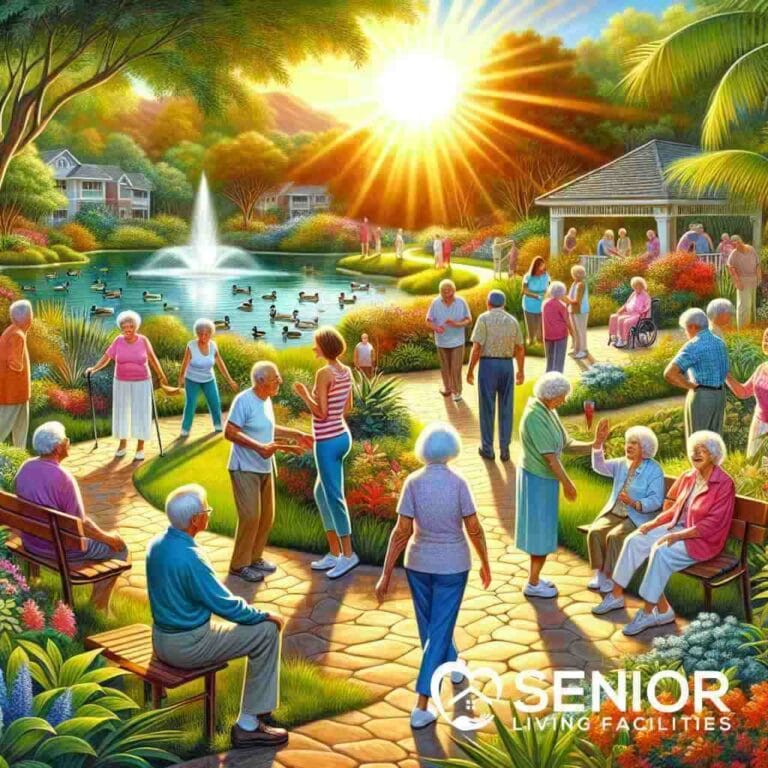
Searching for the right community now involves mapping a senior’s lifelong rhythm to the daily rhythms of a community. You look for nutritious dining experiences that taste like home, not a hospital cafeteria. You look for housekeeping and linen services that restore the quiet gift of free time. You look for scheduled transportation assistance that keeps medical appointments and Sunday outings equally stress-free. The search has moved from “where will we place her” to “what kind of life does she want to live next.” An engaging social activities calendar and on-site physical therapy are no longer extras; they are the heartbeat of a thriving community. This is the new expectation, and it raises the bar for every senior living option you will consider.
Why the Breadth of Services Matters More Than Ever
A single missing service can unravel a carefully built daily routine. When a community does all things a little bit, loneliness, falls, and medication mistakes creep in quietly. A wide span of services means a resident never has to out-migrate from the place they call home. Skilled nursing care specialties sit next door to memory care therapy programs designed for early-stage cognitive change. Chronic disease management happens in the same building as fitness and balance classes that rebuild the confidence to walk to dinner. This continuum lets a couple stay together even when their health paths diverge. The breadth ensures that a crisis does not trigger a frantic, overnight relocation.
A broad service menu also protects the family caregiver from burnout. When you trust that spiritual care and chaplaincy, telehealth consultations for seniors, and smart home safety technology are built into daily life, you can rest. You are no longer the only safety net. The community becomes the safety net, woven from many trained hands. This collective support prevents the small cracks that turn into hospital admissions. The most valued senior living facility features for families include layered support that respects a person’s ability to choose. It is the difference between merely existing and truly living within a protected circle of care.
The Quiet Revolution in Medical and Cognitive Care
Medical care inside senior living communities no longer resembles a doctor’s office plopped into a residential hallway. It has evolved into a coordinated, proactive system that catches health shifts before they become emergencies. This quiet revolution is visible in the way medications are managed, chronic conditions are stabilized, and memory care is delivered. Families can finally exhale knowing that a clinical team works alongside the dining staff and the life enrichment coordinator. The result is a seamless blend of hospitality and health care that respects the whole person.
Medication Management Systems That Prevent Harmful Errors
Medication errors among older adults remain a leading cause of preventable hospital stays. A robust medication management system inside a community eliminates guesswork and kitchen-counter pill sorters. Trained staff follow strict protocols for ordering, delivering, and documenting every dose. They use electronic health records to flag interactions between a new antibiotic and a long-standing blood thinner. The system also sends automatic alerts when a resident misses a dose or shows a pattern of refusal. This high-touch approach removes the crushing burden from family members who used to drive over each evening to fill the weekly pillbox. It replaces fear with a calm, reliable rhythm.
Beyond simply handing out pills, the best systems include education and gentle coaching. A resident who understands why they take a statin becomes a partner in their own care. Regular medication reviews eliminate unnecessary drugs that cloud thinking and sap energy. This process often reveals that a person was over-medicated for years, leading to a remarkable awakening. Families report seeing their loved one’s personality return once the fog lifts. When medication management systems integrate with on-site primary care, the safety net tightens beautifully. The result is fewer falls, clearer mornings, and a stronger sense of control.
Memory Care Therapy Programs and Dementia-Specific Support
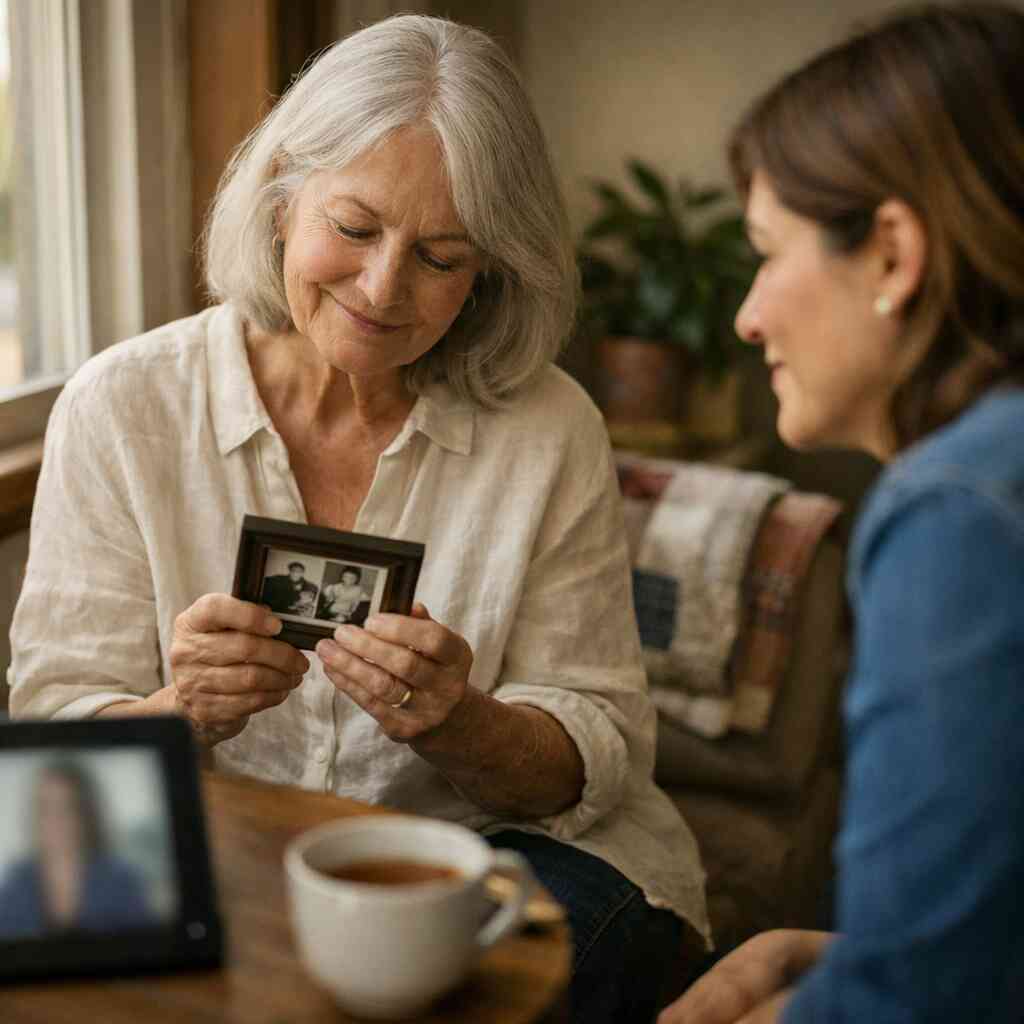
Memory care therapy programs have moved light-years beyond the old “memory station” with dried-out markers. Communities now use life-story work, music therapy, and reminiscence tools rooted in neuroscience. A resident who no longer recognizes a daughter’s face may still light up when holding a familiar-smelling kitchen towel from her farm days. Dementia-specific support focuses on the remaining capacities, not the losses. Staff members receive deep training in understanding behavior as communication, not as a behavior to extinguish. This mindset transforms agitation into connection and wandering into purposeful movement. The approach preserves dignity at every single stage of the disease.
The physical environment also serves as a silent therapist. Circular floor plans, color-coded doors, and secure garden loops reduce anxiety naturally. Dementia support and memory care beyond GUIDE model now includes family coaching and caregiver support groups as core services. Communities partner with local Alzheimer’s Association chapters to provide ongoing education. Technology, such as unobtrusive motion sensors, alerts staff when a resident’s sleep pattern changes, which often signals a looming infection. This layered, kind-hearted vigilance keeps residents safe while honoring their freedom. The quiet revolution in memory care is, at its heart, a revolution in compassion.
Skilled Nursing Care Specialties Within the Community
Skilled nursing care specialties now sit at the center of many communities, not in a separate wing with a separate name. A resident recovering from a hip replacement can receive daily wound care and physical therapy without leaving the building. Nurses with certifications in gerontology manage complex conditions like congestive heart failure or Parkinson’s disease. The clinical team communicates directly with the resident’s cardiologist or neurologist through shared health records. This tight coordination prevents the dangerous information gaps that happen when a person travels between six different providers. It also creates a sense of stability that accelerates healing and reduces rehospitalization rates.
The integration of skilled nursing inside a community transforms a hospital discharge from a cliff edge into a gentle slope. A short-term rehabilitation stay can happen in the same apartment where the resident will live long-term, just with an elevated level of care. This continuity allows the dining team to adjust meals for renal restrictions without a long checklist. It lets the life enrichment staff adapt activities for someone who cannot yet raise their arm. Skilled nursing specialties also support residents who choose to age in place with serious medical conditions. Families often say they never imagined such seamless care could exist outside a hospital.
Chronic Disease Management and On-Site Physical Therapy
Chronic conditions like diabetes, COPD, and arthritis require daily, not episodic, attention. A community with a dedicated chronic disease management program embeds monitoring into the normal rhythm of life. Blood sugar checks happen before breakfast, not after a 40-minute drive to a clinic. Weight and blood pressure trends are tracked weekly, and small changes trigger early interventions. On-site physical therapy then steps in to keep joints mobile and lungs as clear as possible. A therapist might walk with a resident to the dining room, using the real-world route as a treatment session. This kind of practical, embedded care keeps people functioning at their peak much longer.
The combination of chronic disease management and on-site rehabilitation shifts the focus from crisis to prevention. A resident with early heart failure learns to self-manage fluid intake with coaching from the wellness staff. The physical therapist designs a seated exercise routine that strengthens legs without risking a fall. This partnership makes every day a small victory. Families can finally stop the exhausting cycle of separate appointments, pharmacy runs, and conflicting advice. Instead, they receive a monthly update that shows stability, fewer medications, and a parent who smiled more. This quiet, consistent care is what transforms a senior living facility into a true health partner.
Telehealth Consultations for Seniors and Coordinated Healthcare Navigation
Telehealth consultations for seniors have moved from a pandemic workaround to a permanent pillar of good care. In a community, a resident can sit in a private, connected suite while a nurse from a top geriatric practice appears on screen. The staff helps position the camera, checks vital signs beforehand, and stays to summarize the plan afterward. This eliminates disorienting travel and long waits in crowded lobbies. The technology also allows specialists, such as movement-disorder neurologists, to tune in from hundreds of miles away. Families can join the call from their own kitchen table, turning a fragmented system into a warm, three-way conversation. The result is better adherence and far fewer missed red flags.
Coordinated healthcare navigation is the human soul behind the telehealth screen. A designated care navigator, often a nurse or social worker, ensures that nothing falls through the cracks. They confirm referrals, chase lab results, and translate medical jargon into plain language for the resident and their adult children. This role acts as a bridge between the community’s own care team and the wider health system. When a new diagnosis appears, the navigator arranges the follow-up cascade within hours, not weeks. The model respects the older adult’s time, energy, and emotional reserves. It is proactive care coordination that feels like a family member with a medical degree is on your side.
Palliative and Comfort Care That Honors Personal Dignity
Palliative and comfort care is not synonymous with giving up. It is a philosophy that wraps relief around a person regardless of prognosis. Communities that offer embedded palliative services manage pain, shortness of breath, nausea, and anxiety early, long before a hospice discussion feels necessary. A nurse practitioner with palliative training meets with the resident and family to clarify what a good day looks like and what trade-offs are acceptable. This honest, gentle conversation often uncovers wishes that were never spoken aloud. The care plan then becomes a living document, updated as the person’s definition of comfort shifts. The result is deeper peace and fewer frantic emergency room visits at 3 a.m.
When curative treatments no longer serve their purpose, the same team can transition seamlessly into comfort-focused hospice support. The resident stays in their familiar apartment, surrounded by their own furniture and the staff who know how they take their tea. Families receive bereavement support that extends well beyond the final goodbye. This model rejects the old pattern of sudden transfer to a cold, unknown facility at the very end. Instead, it wraps the whole family in a quiet, sacred space where dignity remains the last word. It is the deepest expression of a community that claims to care for the whole person.
Life Enrichment Goes Beyond Bingo and Bus Trips
Life enrichment in modern senior living communities is a deliberate, evidence-based effort to fuel meaning, movement, and joy. Today’s programs recognize that isolation is as damaging as any chronic disease. They replace passive entertainment with active engagement that touches creative, physical, spiritual, and social dimensions all at once. A person who has never painted in sixty years may discover a late-life talent for watercolor. The entire atmosphere shifts from a waiting room to a living room. This is where community becomes a true home.
Personalized Care Coordination That Flexes With Changing Needs
Personalized care coordination begins with a deep question: “What matters to you?” The answer shapes everything from meal choices to the time of a preferred shower. A resident recovering from a stroke may need morning assistance with dressing but walk independently by evening. The plan bends to that reality without drama. Weekly huddles between the care team, dining staff, and activities team ensure that changing needs stay visible. A slight increase in shuffling gait might trigger a physical therapy referral before a fall happens. This fluid coordination keeps a resident in the sweet spot of just-enough support. It avoids the common trap of over-helping, which steals strength and confidence.
The care coordinator also serves as the family’s primary point of contact, simplifying a web of different roles. When a son notices his dad seems more withdrawn, he knows exactly whom to call. The coordinator will observe, gather input from the dining team, and potentially arrange a telehealth consultation for seniors to rule out a silent infection. This rapid, human-centered loop cuts through the isolation that often hides depression or pain. It also ensures that the resident’s voice stays at the center, even when cognition begins to fade. The whole system is designed to flex, not to fracture at the first sign of change.
Nutritious Dining Experiences That Spark Joy and Connection
Dining in a senior living community today is a sensory, social experience far removed from steam-table trays. Chefs plan menus with veterans of the local food scene who understand the science of aging taste buds. They brighten flavors with fresh herbs, citrus, and slow-roasted techniques that don’t rely on excess salt. The top dining programs in senior living communities now feature open-action stations, flexible meal hours, and private dining rooms for family celebrations. A resident can enjoy a made-to-order omelet at 11 a.m., a practice that restores the simple dignity of choice. The dining room becomes the emotional heart of the community, where friendships are forged over coffee and a shared dessert.

Nutrition teams also act as silent members of the clinical staff. A pureed diet for a person with swallowing difficulties can be shaped and plated to look identical to the regular meal. This thoughtful presentation reduces stigma and encourages adequate intake. Dietitians track weight and hydration patterns as closely as the medical team tracks blood pressure. For a resident with diabetes, a specially labeled corner of the menu offers carbohydrate-counted choices that feel indulgent, not restrictive. The integration of dining and health turns each meal into an act of care. When food sparks joy, isolation loses its grip, and the entire community grows stronger.
Housekeeping and Linen Services That Give You Time Back
Housekeeping and linen services may seem like a small perk, but they represent a profound restoration of time and energy. A resident no longer has to wrestle with a vacuum cleaner or stand on a step stool to dust a ceiling fan. Instead, the morning opens up for a watercolor class, a walk with a friend, or a quiet phone call with a grandchild. Crisp, clean sheets appear weekly without any effort, bringing a sense of order that grounds the spirit. This shift from chore to choice is one of the quietest gifts a community offers. It also eliminates the hidden danger of a senior trying to clean a bathroom floor and slipping in the process.
Beyond the practical relief, housekeeping staff often form deep bonds with the residents they serve. They notice when a favorite photograph has been turned facedown or when the wastebasket is suddenly full of tissue. These small observations feed directly into the care coordination loop. A housekeeper’s gentle comment, “Mrs. Parker seemed a little quiet today,” can trigger a well-being check that catches a brewing infection. The service becomes more than clean floors. It becomes a web of watchful, kind eyes that wrap around a resident’s daily life. For families, this means trusting that someone always notices.
Engaging Social Activities Calendar and Creative Arts Life Enrichment
An engaging social activities calendar looks nothing like a dusty bulletin board with a single bingo time slot. Communities now build programming around resident-led interest groups, lifelong learning partnerships with local universities, and intergenerational volunteering. A retired engineer might mentor a high school robotics team that meets in the community’s maker space. A group of veterans might launch an oral history podcast recorded in the on-site studio. These purpose-driven activities replace loneliness with identity and belonging. They prove that a person never stops needing to contribute and to be seen.
Creative arts and life enrichment programs unlock parts of the brain that words can no longer reach. A woman with advanced dementia may struggle to name her daughter yet paint a recognizable field of sunflowers from memory. Dance and movement therapy invite rhythm into stiff joints and anxious minds. Drama workshops let residents try on other lives, sparking laughter and vulnerable conversation. These experiences are not “busywork”; they are legitimately therapeutic. They build new neural pathways and flood the brain with dopamine. Families often weep when they see their loved one shine in a gallery show or a short play. This is enrichment that heals.
Fitness and Balance Classes Designed for Older Bodies
Fitness and balance classes in senior living communities are designed by professionals who understand osteoporosis, joint replacements, and postural hypotension. A chair yoga session might begin with deep breathing and end with seated spinal twists that improve digestion and reduce anxiety. Tai Chi on a sunny patio trains the vestibular system, cutting fall risk by nearly half. Water-based classes in a warm, accessible pool relieve arthritic pain while building core strength. Every movement is modifiable, and every instructor watches for the subtle signs of fatigue. The goal is not a six-pack abdomen. The goal is the confidence to walk unaided to a granddaughter’s wedding.
Consistency is the secret ingredient. Because the class happens just down the hall, resistance to exercise melts away over time. A resident who attended his first balance class clutching a walker might, six months later, walk with a single cane and a steadier gaze. The physical transformation is obvious, but the mental shift is even greater. He reclaims a sense of agency and control over his body. Group classes also provide a social scaffold that keeps people coming back when motivation dips. The laughter shared during a gentle dance warm-up can be just as therapeutic as the movement itself. This is whole-person fitness that changes how a person feels inside their own skin.
Pet-Friendly Community Policies and Intergenerational Programming
Pet-friendly community policies acknowledge that a senior’s dog or cat is not just a pet, but a lifeline. The routine of feeding, walking, and stroking a warm fur coat reduces cortisol and lifts oxytocin in ways no pill can match. Many communities now feature dog runs, pet-washing stations, and even staff volunteers who help with walks when a resident feels tired. A cat curled on a sunny windowsill makes an apartment feel instantly like a real home, not a unit number. This policy also removes the painful ultimatum that left many older adults stranded: “You can have our care, but you must give up your companion.” The new model says, “Bring your whole life, including the one who purrs.”
Intergenerational programming adds a complementary layer of purpose and delight. An on-site daycare or a partnership with a nearby elementary school brings children’s voices into hallways that once held only silence. A resident who rarely speaks may light up when reading a picture book to a kindergartner. Cooking projects, garden planting, and simple art sessions bridge the decades with astonishing ease. Children learn that older faces are not scary; older adults remember the joy of being needed. Research consistently shows that such interactions reduce depression and improve cognitive engagement in seniors. The community becomes a multigenerational village, not a segregated last chapter. That is a transformative service that no spreadsheet can fully capture.
Spiritual Care and Chaplaincy for Gentle Whole-Person Support
Spiritual care and chaplaincy address the deep questions that surface in later life: “What was my purpose? Am I forgiven? What comes next?” A board-certified chaplain walks alongside residents of any faith, or no faith at all, without an agenda. They listen for the stories that a person needs to tell before they can rest. A veteran might need to finally speak an unspeakable memory from decades ago. A former choir director might find solace in a bedside hymn, voice cracking but spirit soaring. This presence provides a sacred, non-judgmental space for life review. It does not preach; it accompanies. That distinction makes all the difference.
The chaplain also supports families tangled in guilt, grief, or unresolved conflict. A daughter who has not spoken to her mother in ten years may find a gentle bridge through the chaplain’s quiet skill. End-of-life rituals, blessings, and legacy projects become collaborative acts of love rather than rushed, panicked moments. Spiritual care integrates with the clinical team, alerting them when a resident’s spiritual distress might be amplifying physical pain. The service becomes another layer of the whole-person safety net. When a community invests in spiritual care, it declares that this place values the soul as much as the body. Families often cite this service as the reason they finally felt at peace with their choice.
The Future-Proof Senior Living Model
The future-proof senior living model does not chase trends; it builds adaptable infrastructure that responds to whatever tomorrow brings. It recognizes that a resident’s needs will shift, sometimes weekly, and the environment must shift with them. Smart technology, safety systems, transportation, and rehabilitation services are woven into one responsive fabric. The community is designed so a person can stay through rehabilitation, hospice, and everything between. This is not a fixed menu. It is a living ecosystem.
Smart Home Safety Technology and Aging in Place Modifications
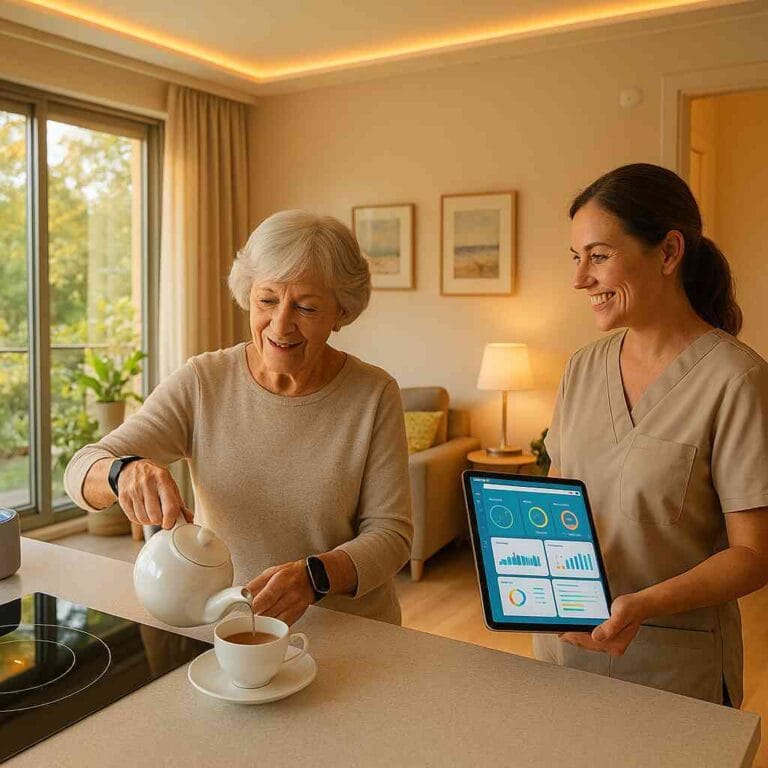
Smart home safety technology now hums quietly in the background of senior apartments. Motion sensors learn a resident’s typical pattern and silently alert staff when morning movement is delayed. Stove shut-off devices prevent fires without making the person feel watched. Voice-activated assistants allow a resident with arthritic hands to call a grandchild or turn on a lamp without touching a switch. These tools are not meant to replace human interaction; they are meant to preserve independence for as long as safely possible. True aging in place modifications go beyond grab bars to include adjustable countertops, zero-threshold showers, and color-contrasted floor edges that reduce falls.
Technology also supports the night hours when fear and confusion often peak. A bed sensor can detect restlessness and gently raise the room’s pathway lighting, guiding a person to the bathroom without a full-brightness blast. If a resident exits but does not return within a few minutes, a care partner receives a quiet alert to check in. This responsive environment prevents the undignified practice of bed alarms that frighten and disorient. Instead, it creates a home that adjusts itself around the resident’s own rhythm. Families gain the priceless reassurance that safety never sleeps, yet neither does privacy disappear. The result is a home that feels both smarter and kinder.
24-Hour Security Monitoring That Feels Like a Neighbor, Not a Guard
Twenty-four-hour security monitoring in a well-run senior living community is woven so seamlessly into daily life that it feels invisible. Staff at the front desk know every resident by name, their visitors, and their usual schedule. Cameras watch public areas, never private apartments, for slip-and-fall events that require immediate response. Emergency call systems are worn as pendants or discreet wristbands that a resident can press with ease. When a call comes, a familiar voice answers within seconds, not a distant monitoring center two states away. This immediate, human-voiced response makes pressing the button feel like calling a trusted friend.
The real power of the system is its predictive capacity. When a resident who normally rises at 7 a.m. has not moved by 8 a.m., a wellness check happens automatically. The system analyzes patterns without violating dignity. This proactive monitoring drastically reduces the “lie on the floor” window that leads to rhabdomyolysis and long hospital stays. It also prevents the wandering-related tragedies that haunt families of those with dementia. For family members who live hours away, a secure mobile app can share a simple “all is well” indication each morning. They can finally sleep through the night. The monitoring acts like a quiet, ever-present neighbor who never intrudes but always notices.
Scheduled Transportation Assistance and Concierge Hospitality Offerings
Scheduled transportation assistance transforms a doctor’s appointment from an exhausting all-day ordeal into a simple mid-morning trip. A community bus, or a contracted sedan service, picks up residents at the front door and delivers them directly to the medical office. A care partner can accompany a resident who needs help navigating the check-in process. Afterward, the driver might swing by a favorite coffee shop, turning a clinical chore into an outing. This door-through-door service respects the fragile energy of an older body. It also eliminates the stress on adult children who would otherwise have to take a half-day off work.
Concierge and hospitality offerings extend far beyond a package reception. A concierge may arrange a private chef for a wedding anniversary dinner inside the resident’s apartment. They might secure tickets to a matinee, book a grandchild’s flight home, or simply walk a dog while a resident recovers from a fall. These services restore the small luxuries and conveniences that make life feel, well, like life. They also send a powerful message: you are a valued guest, not a patient. When a community invests in concierge-level attention, it honors the resident’s entire identity. Families notice the difference immediately and say it feels like a five-star hotel with a heart.
Rehabilitation and Recovery Services for Short-Term Stays
Rehabilitation and recovery services for short-term stays turn a hospital discharge into a bridge rather than a cliff. A person arrives with a personalized therapy schedule that may include physical, occupational, and speech therapy all on the same day. The therapists work in a dedicated gym equipped with parallel bars, stationary bikes, and a practice kitchen for relearning real-life skills. The goal
Frequently Asked Questions
Question: With so many senior living options, what essential assisted living facility services should a family prioritize when searching for a community in 2026?
Answer: Families should start by looking for a community that wraps personalized care coordination, medication management systems, and 24-hour security monitoring into everyday life. Personalized care coordination means one consistent professional listens deeply, then orchestrates everything from daily assistance to dietary adjustments as needs change, so you never have to repeat your story. Robust medication management systems do far more than hand out pills; they use electronic tracking to prevent errors, eliminate unnecessary drugs, and alert staff if a dose is missed, which reduces hospitalizations. Silent but ever-present 24-hour security monitoring-through discreet motion sensors, emergency call pendants answered by staff who know your name, and pattern recognition that triggers a wellness check if morning movement is late-creates a safety net that feels like a caring neighbor, not a surveillance camera. At Senior Living Facilities, our free platform lets you search and compare communities by exactly these kinds of assisted living facility services, so you can prioritize what matters most and connect directly with those that deliver them.
Question: In your blog post ‘What Services Do Senior Living Facilities Offer in 2026,’ you talk about holistic wellness for older adults. How can I find a community that truly integrates that philosophy, from fitness and balance classes to spiritual care and chaplaincy?
Answer: Holistic wellness in 2026 means a community intentionally weaves physical, creative, spiritual, and social nourishment into each day. Look for a calendar that lists fitness and balance classes designed specifically for older bodies-things like chair yoga, Tai Chi on a patio, or water-based movement that reduces fall risk and builds real confidence. Then look deeper for creative arts and life enrichment programs that may include painting, drama workshops, or intergenerational mentoring, because these activities open parts of the brain that medication cannot touch. Spiritual care and chaplaincy services, available for any faith or no faith, provide a compassionate presence for life review, grief, or simply the quiet questions that arise with age. Senior Living Facilities helps you locate communities that embed all of these together. Our directory allows you to filter by amenities like holistic wellness for older adults, and our senior living advisors can point you toward places where the dining program, activities, and clinical support all treat the whole person-body, mind, and spirit-without silos.
Question: My father has early-stage Alzheimer’s and I’m worried about his safety. Can your platform help me find memory care therapy programs and smart home safety technology in one community?
Answer: Absolutely. Today’s dementia-specific support goes far beyond a locked door. The most effective memory care therapy programs use life-story work, music, and reminiscence grounded in neuroscience to engage remaining strengths, not just manage symptoms. These programs are complemented by cognitive stimulation programs that build new neural pathways through art, conversation, or sensory experiences. On the safety side, smart home safety technology works invisibly: motion sensors that learn his typical pattern and alert staff if something changes, stove shut-off devices that prevent fires without making him feel surveilled, and pathway lighting that guides him gently at night without a jarring alarm. These aging in place modifications keep him safe while preserving his dignity. Senior Living Facilities lists communities with exactly these layered offerings. You can search for memory care therapy programs and filter for those that also feature smart home safety technology, all through our free tool, so you don’t have to compromise between clinical expertise and a secure, homelike environment.
Question: What kind of comprehensive medical support can families expect from today’s senior living facilities, particularly when it comes to chronic disease management and on-site physical therapy?
Answer: Families can expect a proactive, integrated medical ecosystem that turns a senior living community into a true health partner. Chronic disease management programs embed monitoring into the daily rhythm-blood sugar checks before breakfast, weekly weight and blood pressure tracking-and then couple that data with on-site physical therapy that uses real-world routes, like walking to the dining room, as therapeutic sessions. The same building often houses skilled nursing care specialties for complex conditions like heart failure or Parkinson’s, plus rehabilitation and recovery services for short-term stays after a hospital discharge, all coordinated through a single care team. Telehealth consultations for seniors bring specialists to a private suite while a staff nurse assists, eliminating grueling travel. Coordinated healthcare navigation ensures nothing falls through the cracks: a nurse or social worker chases referrals, translates jargon, and updates the family. Senior Living Facilities makes it simple to compare communities based on these medical services. Our platform lets you search by on-site physical therapy, chronic disease management, and skilled nursing care specialties, and our advisors can zero in on places where a cardiologist’s plan and a daily lunch menu are seamlessly aligned for your loved one.
Admin
Expert contributor specializing in senior living care. Dedicated to providing families with clear, actionable advice.