Understanding Wellness Innovations at Senior Living Facilities
Opening the Wellness Spectrum within Senior Living Near You
Shifting from basic care to holistic wellness programs for seniors
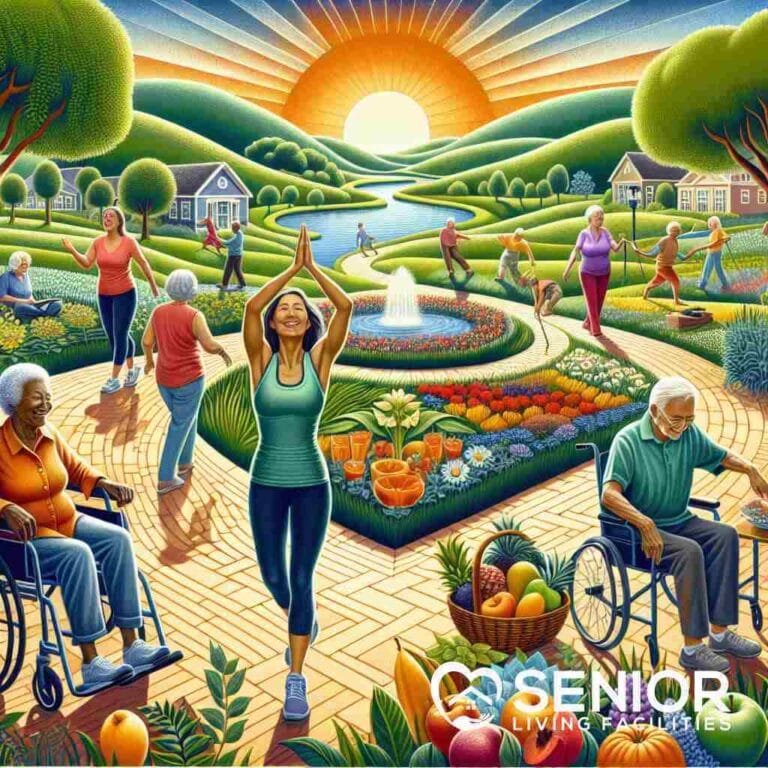
Ten years ago, many senior living facilities measured success mainly by medication schedules and meal deliveries. Today, forward-thinking communities for seniors 55+ pursue holistic wellness programs for seniors that integrate body, mind, and spirit. This philosophical leap brings preventive health, social connection, and lifelong learning into equal balance with clinical care. A care team might now include fitness coaches, culinary dietitians, and meditation instructors besides registered nurses. Families seeking guidance can explore the core hub for senior living facilities online to compare wellness philosophies before touring campuses.
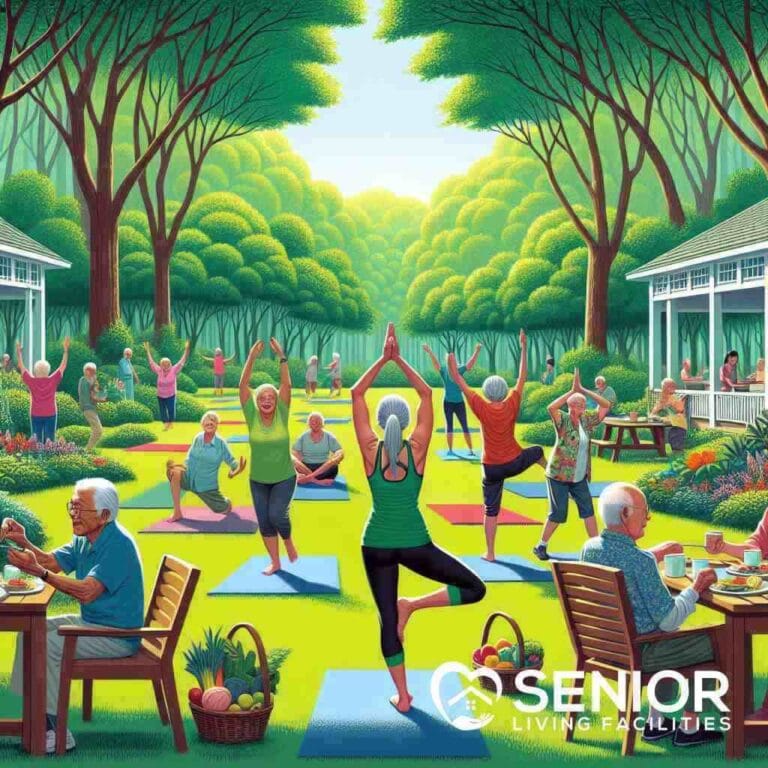
Holistic approaches resonate because aging is multidimensional, influencing mobility, cognition, relationships, and purpose. Independent residents join meditation classes, while assisted living neighbors practice chair yoga and resistance band routines. Both groups gain confidence, reduce fall risk, and report brighter moods in satisfaction surveys. By aligning programming with personal motivations, senior living facility staff inspire consistent engagement instead of compulsory attendance. That behavioral change ultimately lowers hospital visits and demonstrates value to families monitoring loved ones’ well-being.
How senior living facilities leverage community based preventive health screenings
Preventive screenings used to require offsite clinic appointments, complicated transportation, and long waitlists. Modern senior housing organizes community based preventive health screenings directly in the clubhouse or wellness suite. Nurses and local hospital partners rotate through, providing blood pressure checks, bone density scans, and vaccination clinics without extra fees. Residents appreciate the familiar environment, while data flows into secure electronic records for immediate trend analysis. Caregivers who search senior living options near you often prioritize such proactive communities because early detection extends independence.
Tech-enabled health monitoring in senior living complements these events by flagging subtle changes between visits. Wearable devices adoption in retirement communities allows continuous heart rate and sleep quality monitoring for elderly residents. When thresholds trigger alerts, clinicians schedule additional screenings, preventing minor concerns from evolving into emergencies. Families receive secure dashboards, granting peace of mind that someone is always watching the numbers. Integrating community outreach with continuous metrics exemplifies how collaborative care models inside nursing homes for elders evolve toward prevention.
The rise of evidence based wellness metrics in assisted living plans
Evidence based wellness metrics transform assisted living plans from static paperwork into dynamic performance scorecards. Communities now track gait speed, hydration adherence, cognitive screening scores, and social engagement frequencies. Software dashboards visualize trends, compare cohorts, and suggest personalized fitness plans for older adults when benchmarks dip. This data-driven method supports chronic disease management programs onsite, ensuring interventions arrive before health spirals. Families can explore modern wellness strategies adopted by senior facilities to see case studies showing measurable gains.
Importantly, metrics never replace human intuition; instead, they sharpen it. Caregivers discuss results with residents during monthly wellness conferences, aligning numbers with personal narratives. If an active walker suddenly logs fewer steps, staff might ask about shoe comfort, emotional stress, or new medications. By merging quantitative evidence with stories, locator tools highlight senior living near you that practices genuine person-centered care. Such transparency builds trust, empowers seniors, and cements a culture of continuous improvement inside every long-term care facility.
 Innovating Daily Life in Communities for Seniors 55 Plus
 Innovating Daily Life in Communities for Seniors 55 Plus
Personalized fitness plans for older adults supported by wearable devices adoption
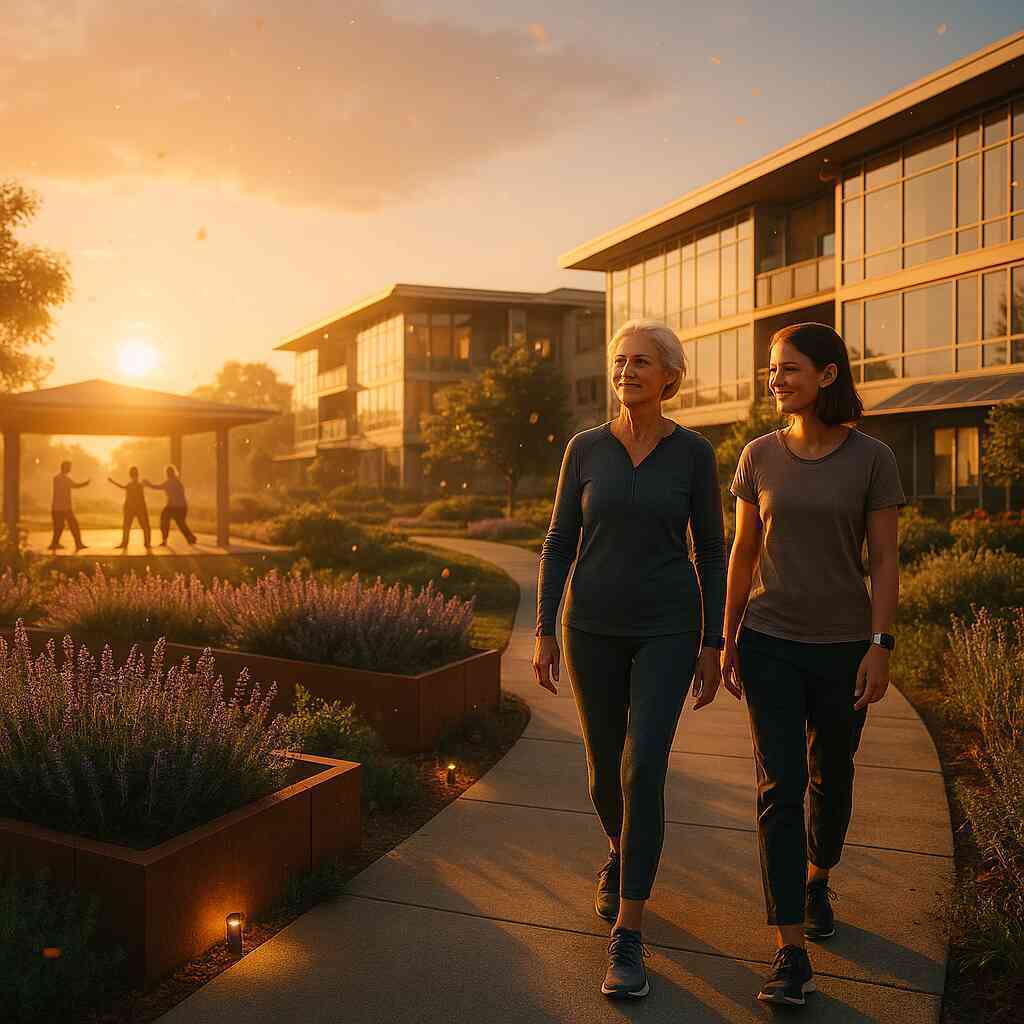
Personalized fitness plans for older adults now begin with a small sensor on the wrist, not a clipboard in an office. Coaches pair the wearable’s data with mobility screenings to craft weekly movement goals that feel achievable rather than overwhelming. When steps decline, push notifications remind residents to join a low-impact walking club before stiffness sets in. Continuous numbers motivate seniors because progress appears in colorful charts posted near the gym’s entrance. Curious families follow the same dashboard through a secure portal, reinforcing accountability and celebration.
Staying current with best practices demands ongoing education for professionals and relatives alike. Therefore, many families bookmark the platform offering expert blog insights on senior community trends to compare regional success stories. Articles break down gait-speed research, resistance band protocols, and heart-rate zones tailored to older metabolism. Facility directors then translate those insights into group classes, ensuring every resident benefits from nationwide knowledge streams. This cycle of learning, applying, and refining keeps wellness programs fresh and evidence driven.
Cognitive health activities at senior communities including art and music therapy offerings
Cognitive health activities at senior communities turn everyday hobbies into powerful brain workouts. Residents paint vibrant landscapes, recalling subtle color names that sharpen word retrieval. Meanwhile, rhythmic drumming circles synchronize neural pathways involved in memory consolidation. Occupational therapists track participation frequency alongside standardized cognition screens, linking creative engagement with slower decline. Because sessions feel playful, attendance remains high even among residents who previously avoided mental exercises.
Moreover, art and music therapy offerings for elders foster meaningful social bonds. When a watercolor class critiques finished pieces, constructive praise boosts self-esteem and empathy. Songwriting groups invite personal storytelling, which encourages reminiscence and emotional processing. Staff photograph finished canvases and record melodies, later sharing them with families through private channels. These tangible outputs document progress better than test scores alone, portraying a holistic snapshot of each resident’s intellectual vitality.
Telehealth integration in assisted living for remote vital signs tracking
Telehealth integration in assisted living has evolved from quarterly video calls into continuous remote vital signs tracking for caregivers. Bluetooth blood pressure cuffs and connected glucometers transmit readings directly to nurses stationed on the same campus. When anomalies appear, clinicians review medication regimens and hydration logs before scheduling a bedside visit. This rapid loop prevents minor fluctuations from snowballing into hospital admissions, preserving independence and confidence.
Crucially, virtual consults also address emotional concerns often hidden during hallway greetings. Residents speak with psychologists privately, discussing sleep quality or grief without scheduling external trips. Because transportation barriers dissolve, appointment adherence rises, and clinical notes update care plans instantly. Families value the transparency, knowing the platform complements rather than replaces warm, in-person relationships cultivated by dedicated staff.
Smart home safety features for senior apartments enhancing fall prevention technology
Smart home safety features for senior apartments now include floor-level radar sensors that detect motion trajectory, not just sudden impact. When the system predicts instability, ambient lighting brightens and a gentle voice cue advises residents to steady themselves. This proactive fall prevention technology in nursing homes moves intervention earlier, transforming reactive alarms into predictive guardianship. Technologists collaborate with occupational therapists to fine-tune sensitivity, reducing false positives that might erode trust.
Desert climates amplify dehydration risk, which directly affects balance and cognitive clarity. Therefore, communities such as those offering desert senior living in Arizona that enhance tech-enabled care integrate humidity sensors and smart water dispensers into apartments. When intake falls below target, the kitchen faucet flashes a calming blue, nudging residents to sip more. These subtle cues respect autonomy while supporting safety, illustrating how environment design and technology merge for holistic protection.
Nutrition focused dining in senior housing and chronic disease management programs onsite
Nutrition-focused dining in senior housing starts long before the entrée reaches the table. Registered dietitians analyze aggregated biometric data, identifying residents who need lower sodium or higher protein menus. Chefs then craft visually appealing plates that accommodate individual restrictions without sacrificing flavor. Aroma stations placed near the entrance stimulate appetite, countering the common sensory decline that reduces caloric intake in later years. Furthermore, interactive cooking demonstrations empower residents to recreate healthy snacks in apartment kitchens.
Chronic disease management programs onsite coordinate closely with dining teams. Diabetic residents receive carbohydrate counts printed on menu cards, and hypertension support groups meet weekly to discuss grocery strategies. A recent Florida case study on wellness innovation in senior living highlighted how swapping refined grains for ancient grains lowered communal blood pressure averages within months. Such tangible outcomes prove that culinary creativity can rival pharmaceuticals in maintaining stable health.
Meditation and mindfulness classes for residents fostering proactive mental health support
Meditation and mindfulness classes for residents provide quiet sanctuaries amid bustling campus schedules. Guided breathing sessions activate the parasympathetic nervous system, lowering cortisol and enhancing immune response. Instructors encourage residents to practice gratitude journaling, which rewires focus toward positive daily moments. Regular attendees often report reduced insomnia, proving that proactive mental health support in 55+ communities influences physical well-being too. Importantly, sessions are tiered for cognitive diversity, using sensory prompts for those with memory challenges.
Group reflection circles follow each practice, allowing participants to share insights and reinforce social cohesion. Because vulnerability feels safer in collective silence, many residents reveal anxieties they once hid. Counselors note these themes and, when appropriate, integrate them into individualized counseling plans. This seamless bridge between group wellness and personal therapy exemplifies a truly holistic wellness program for seniors seeking balanced lifestyles.
Green spaces and therapeutic gardens in senior living promote emotional well-being
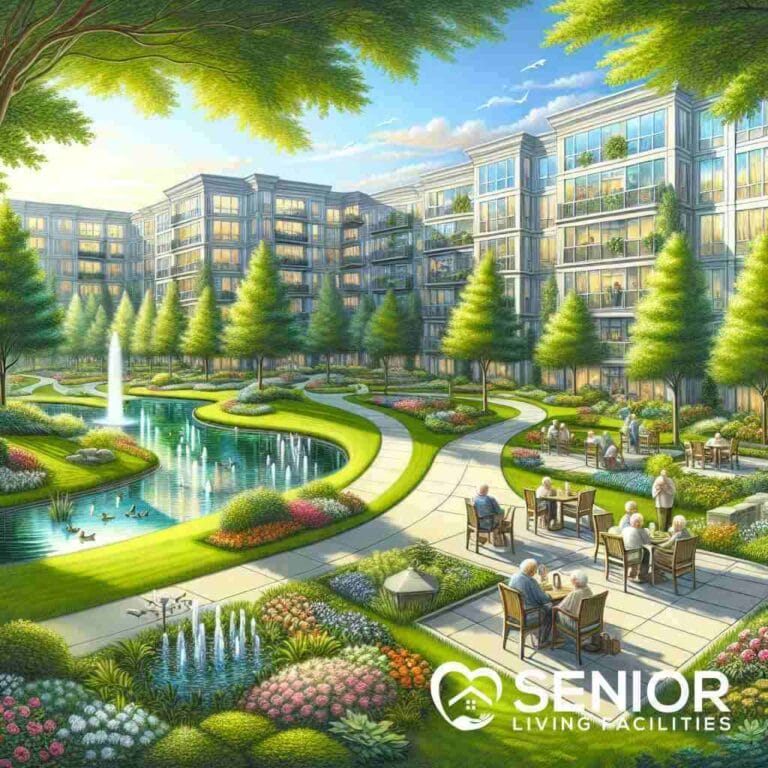
Green spaces and therapeutic gardens in senior living transform idle courtyards into restorative ecosystems. Horticultural therapists guide residents through seed planting, stimulating fine motor skills and offering immediate sensory gratification. Research shows soil contact triggers serotonin release, easing symptoms of mild depression. Benches positioned near fragrant herbs create informal meeting spots, where spontaneous conversation offsets loneliness. Even residents with mobility aids participate through raised beds designed at wheelchair height.
Communities nestled near mountain trails extend this philosophy further. For instance, many mountain region senior facilities in Colorado emphasize an outdoor health schedule gentle alpine walks that pair nature immersion with cardiovascular conditioning. Staff carry portable pulse oximeters, ensuring altitude adjustments remain safe. Back at home, indoor botanical walls purify air, providing consistent biophilic benefits regardless of the weather. This continuous exposure to greenery sustains emotional resilience and fosters an enduring connection to the natural world.
Social connectivity platforms for aging adults and on demand transportation for active aging lifestyles
Social connectivity platforms for aging adults merge community calendars, video chat, and interest groups into one intuitive tablet interface. Residents join virtual book clubs with peers across the campus, expanding friendships beyond immediate neighbors. The platform automatically populates reminders, reducing missed events due to memory lapses. Additionally, integrated translation features support multicultural inclusion, ensuring language is never a barrier to belonging.
However, digital engagement means little without real-world mobility. Therefore, on-demand transportation for active aging lifestyles partners with ride-hailing services that specialize in senior assistance. Residents simply tap a button or speak a request; vehicles arrive with trained drivers who understand mobility aids. Urban campuses like those promoting urban senior living in New York for connected lifestyles showcase how seamless transit encourages museum trips, volunteer work, and family visits. Together, digital platforms and flexible transit weave a dynamic social fabric that keeps purpose alive every single day.
Future Forward Wellness Pathways in Senior Living Facilities
Rehabilitation robotics in long term care redefining adaptive physical therapy equipment for seniors
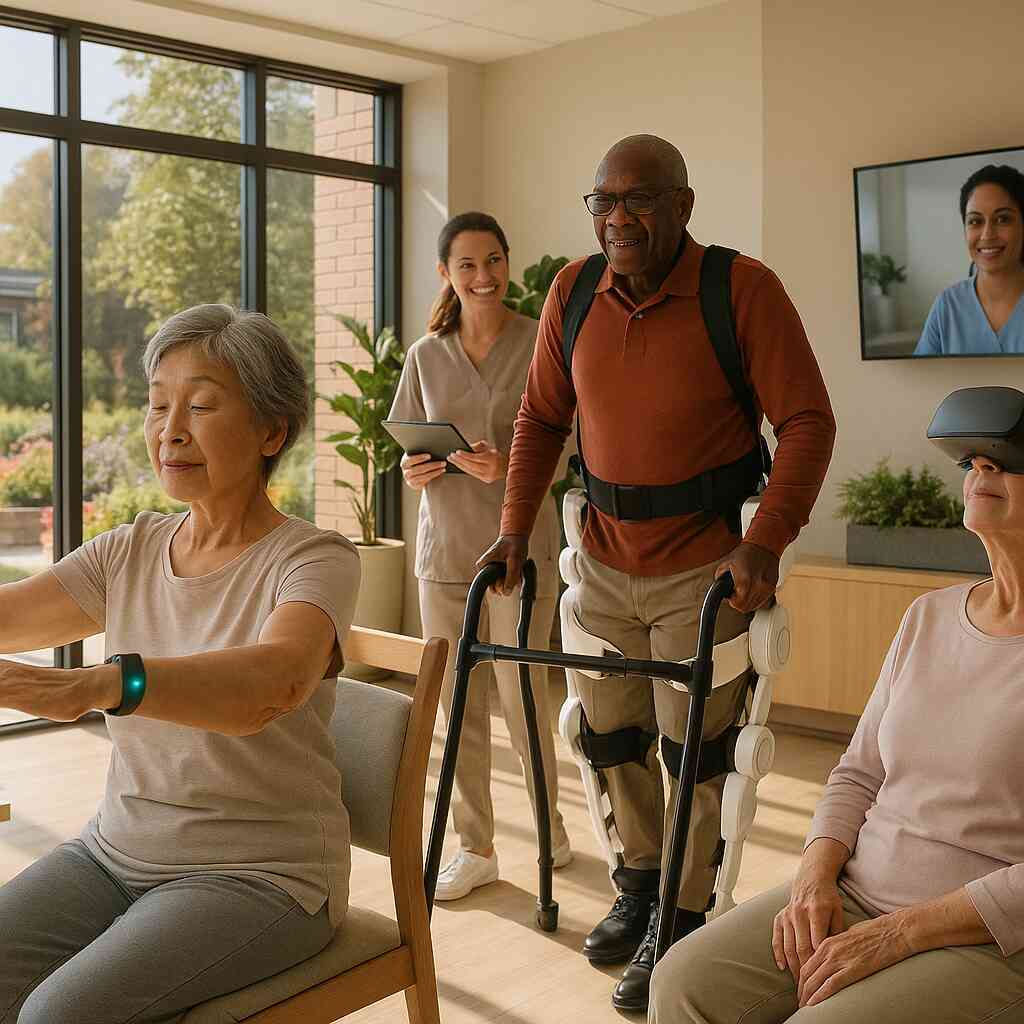
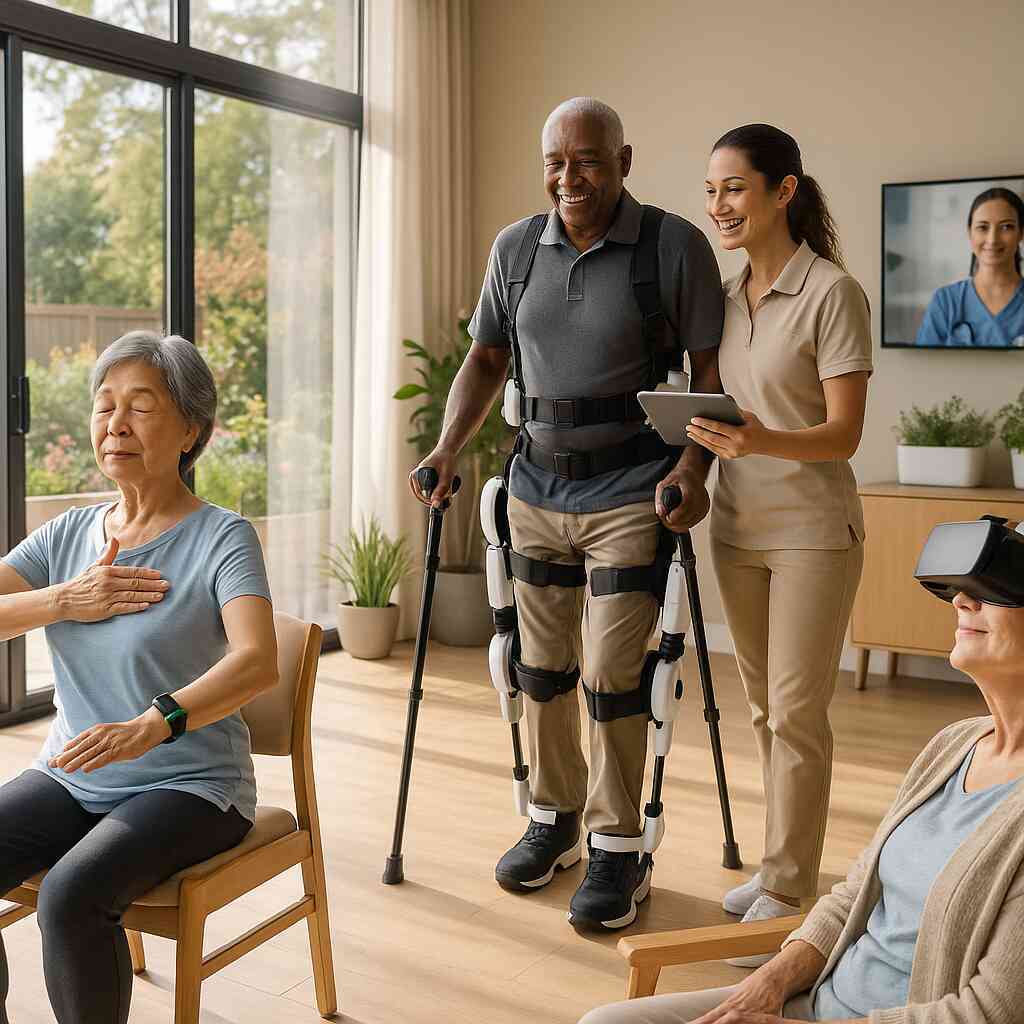
Robotic exoskeletons now assist residents who thought walking again was impossible. These adaptive physical therapy equipment for seniors provide calibrated support, letting muscles relearn correct patterns without strain. Therapists adjust resistance in real time while data dashboards record joint angles and gait speed. Because sessions feel empowering, compliance rates soar compared with traditional elastic bands. Early studies also show reduced rehospitalization, underscoring the value of rehabilitation robotics in long-term care.
Communities adopt small robotic gloves for hand arthritis, too. The devices amplify grip strength during puzzles, meals, and grooming tasks. Residents gain confidence handling utensils, which enhances activities of daily living and elder independence. Staff celebrate each milestone on community screens, motivating peers to join therapy lounges. When insurance questions arise, wellness directors share outcome statistics that justify continued investment.
Virtual reality therapy for dementia care and cognitive engagement
Virtual reality therapy for dementia care transports residents to familiar hometown streets or calming ocean scenes within seconds. The immersive environment triggers memory recall, reducing agitation and wandering tendencies. Clinicians integrate cognitive engagement quizzes during each session, turning exploration into measurable therapy. Family members can preload personal photos, deepening emotional resonance for loved ones who struggle with recognition. Early adopters report shorter sundowning episodes and stronger mood stability.
The technology also supports proactive mental health support in 55+ communities. Guided meditation apps inside the headset teach breathing techniques accompanied by tranquil visuals. Physiologic sensors track heart rate variability, allowing caregivers to adjust programs based on stress markers. Because sessions require minimal space, even compact senior apartments can host powerful brain fitness labs. Ongoing content updates keep experiences fresh and culturally inclusive.
Intergenerational wellness initiatives nurturing resilience training programs for older adults
Intergenerational wellness initiatives pair retirees with local students for shared projects like podcast production or vegetable gardening. These collaborations cultivate resilience training programs for older adults by challenging outdated stereotypes and stimulating new skill learning. Seniors mentor on life wisdom, while students teach digital shortcuts, forming reciprocal growth loops. Research links such exchanges to better executive function and lower loneliness indices.
Communities schedule structured workshops where mixed-age teams practice fall prevention technology in nursing homes through interactive obstacle courses. Younger participants cheer for elders navigating balance beams equipped with smart sensors. The supportive atmosphere transforms risk drills into celebratory events. Afterwards, participants gather for reflection circles, reinforcing emotional bonds that continue beyond campus walls.
Eco friendly design for senior wellness environments enhancing sleep quality monitoring for elderly residents
Sustainable architecture now influences circadian rhythms as much as it protects the planet. Eco friendly design for senior wellness environments integrates skylights that track daylight cycles, prompting melatonin release at optimal times. Low-VOC materials eliminate irritants that might disturb breathing during sleep. Embedded acoustics dampen hallway noise, creating hotel-level quiet in resident suites.
Smart mattresses complement the architecture by delivering non-intrusive sleep quality monitoring for elderly residents. Pressure sensors map tossing patterns, while temperature regulation layers maintain thermal comfort. Care teams review nightly dashboards to spot emerging issues like restless leg syndrome or apnea. By correcting environmental triggers first, clinicians often reduce medication reliance, illustrating how green engineering and tech-enabled health monitoring in senior living converge.
Pet therapy integration in senior care facilities enriching emotional wellbeing workshops in senior apartments
Golden retrievers may seem low-tech, yet their impact rivals any gadget. Pet therapy integration in senior care facilities reduces cortisol and sparks spontaneous social interaction. Certified handlers schedule apartment visits, ensuring even mobility-limited residents experience tactile comfort. During group sessions, therapists weave emotional well-being workshops in senior apartments around animal themes, encouraging storytelling and gratitude journaling.
Some campuses expand the concept with robotic companion pets for allergy-sensitive residents. These responsive devices purr, bark, and mimic breathing, offering calm without veterinary tasks. Data chips record interaction length, helping staff identify residents who might benefit from deeper counseling. Whether furry or mechanical, the companions remind everyone that wellness innovations honor the heart as much as the body.
Journey ahead is empowering residents families and caregivers with senior living facilities expertise
Navigating emerging choices can feel overwhelming, yet guidance exists at every click. The Senior Living Facilities platform curates research, community reviews, and an assisted living locator that filters by amenities and care philosophy. Detailed explainers translate complex science, like remote vital signs tracking for caregivers, into actionable questions families can ask on tours. Resource specialists stand ready to match budgets, locations, and personal passions with ideal housing options for seniors.
As breakthroughs accelerate, transparency and education remain the compass. Families revisit saved profiles, compare evidence-based wellness metrics in assisted living plans, and schedule virtual walkthroughs with one tap. This continuous loop of information, reflection, and informed decision-making ensures that each resident’s next chapter feels both adventurous and secure. The journey ahead is bright, and trusted guidance lights the way.
Frequently Asked Questions
 Frequently Asked Questions
Question: How do Senior Living Facilities ensure holistic wellness programs for seniors are highlighted when helping families compare communities?
Answer: Our platform profiles every senior living facility in all 50 states with more than 100 wellness data points, from meditation and mindfulness classes for residents to community-based preventive health screenings. By using the filters inside our assisted living locator, you can instantly surface communities for seniors 55+ that feature green spaces and therapeutic gardens, cognitive health activities at senior communities, and nutrition-focused dining in senior housing. We even show evidence-based wellness metrics in assisted living plans so you know which seniors living community actively tracks gait speed, hydration, and social engagement. This level of detail lets families choose a rental housing for seniors that truly supports body, mind, and spirit.
Question: The blog Understanding Wellness Innovations at Senior Living Facilities discusses tech-enabled health monitoring in senior living; what specific technologies should families look for, and how can your team help verify they are in place?
Answer: Key innovations include wearable devices in retirement communities, remote vital signs tracking for caregivers, and sleep quality monitoring for elderly residents through smart mattresses. Senior Living Facilities confirms whether a property has Bluetooth blood-pressure cuffs, telehealth integration in assisted living suites, and dashboard access for families. When you request information, our advisors contact the community directly, validate the tech stack, and share comparison sheets so you can see how each senior housing option scores on fall prevention technology in nursing homes, smart home safety features for senior apartments, and eco-friendly design for senior wellness environments.
Question: Can you explain how personalized fitness plans for older adults work inside senior living near me and how Senior Living Facilities evaluate their effectiveness?
Answer: Communities with strong wellness cultures start each resident with a mobility screening, then use step counters or wrist sensors to build personalized fitness plans for older adults. Coaches adjust goals weekly and upload results to a secure portal that residents and families can view. Our database flags these programs and displays outcome metrics such as improved gait speed or reduced fall incidents. During the selection process, we provide virtual tours of gyms, sample resistance-band classes, and testimonials so you can feel confident that the senior apartment rentals you are considering support active aging lifestyles.
Question: How do nutrition-focused dining in senior housing and chronic disease management programs onsite work together, and what information do Senior Living Facilities supply to help families judge meal quality?
Answer: A top-tier senior living facility pairs registered dietitians with nursing staff to sync biometric data-like blood glucose or sodium levels-directly with daily menus. Residents receive individualized meal cards, while chronic disease management programs onsite track outcomes such as lower A1C or blood pressure. On our website you will see sample menus, chef credentials, and case studies, including the Florida community that lowered communal blood pressure by introducing ancient grains. This transparency allows you to choose a long-term care facility that treats dining as preventive medicine, not just meal service.
Question: What role do smart home safety features for senior apartments and fall prevention technology in nursing homes play when selecting senior living near you through Senior Living Facilities?
Answer: Safety tech is a cornerstone of independence. We spotlight communities that install floor-level radar sensors, predictive lighting, and voice cues that alert residents before a fall occurs. Listings also indicate whether units include humidity sensors, automated hydration reminders, and adaptive physical therapy equipment for seniors, such as robotic exoskeletons. By comparing these details side by side, families can pick senior living near that maximizes autonomy while minimizing risk, ensuring loved ones thrive in a secure, innovation-forward environment.
Admin
Expert contributor specializing in senior living care. Dedicated to providing families with clear, actionable advice.