
Senior Living Facilities Safety Standards for Seniors 2026
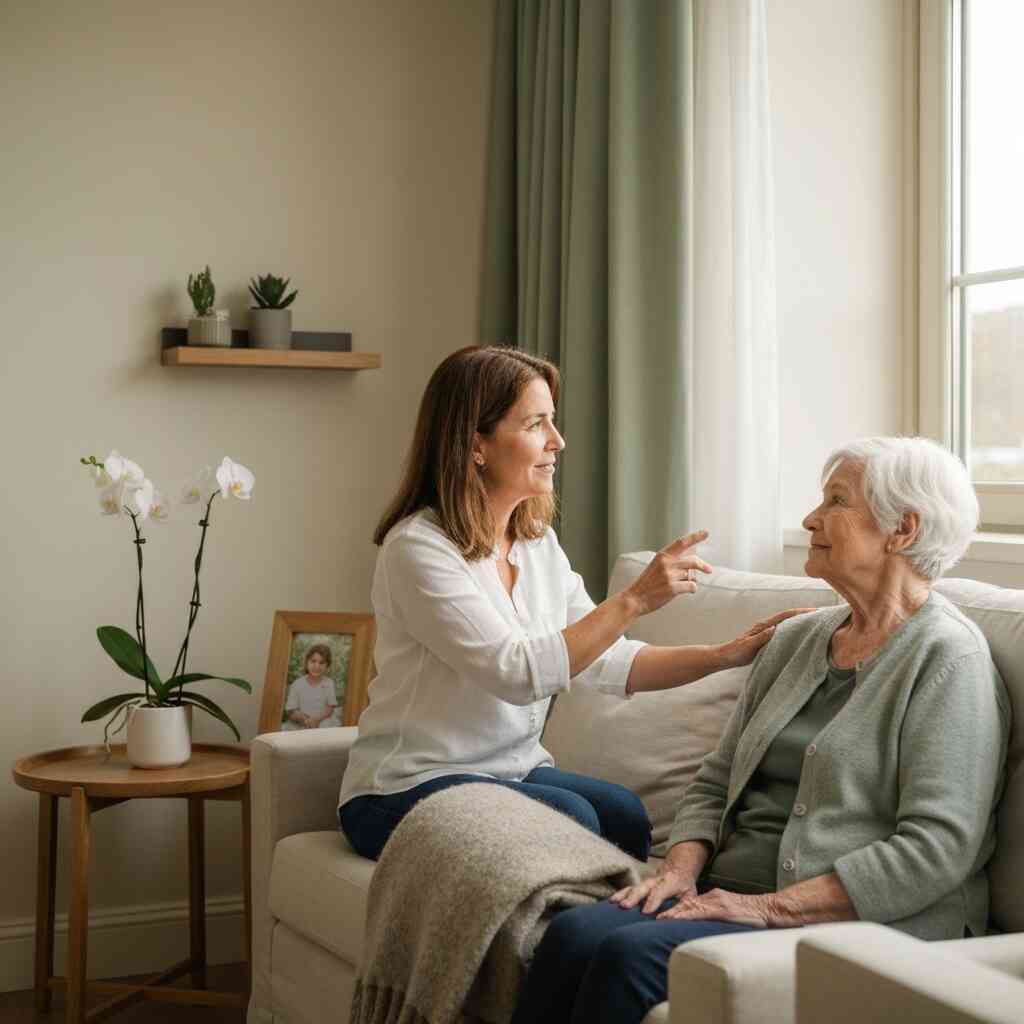
The Foundation of Peace of Mind for Your Loved Ones
Choosing the right home for a parent or spouse is a deeply personal task that requires careful attention to detail. You notice Mom’s forgetfulness isn’t just normal aging, and you start to wonder if her current home is still the best place for her. Transitioning to a new environment brings up questions about protection, health, and well-being. Families often feel overwhelmed by the housing options available in the market. Our goal is to provide clarity so you can prioritize the safety and happiness of your loved ones. By focusing on fundamental standards, you can find a space that feels like a genuine home while offering professional support.
Understanding the core of safety in senior living facilities
Safety in any senior living facility starts with a culture of awareness and proactive care from the entire team. It is not enough to simply have locked doors or clear hallways; the staff must be trained to identify potential risks before they become accidents. Residents in independent senior living communities deserve an environment where they can remain active while knowing help is always reachable. Every community for seniors 55+ should emphasize regular assessments of the resident’s physical capabilities and mental health. Observe how the staff interacts with the residents throughout the day. A secure, caring atmosphere is built on consistent communication and respect for the individual needs of every person.
The best communities prioritize a balance between personal freedom and professional oversight. Whether you are considering a small board and care home or a sprawling retirement community, the priority remains the same. Families should ask about the specific training programs provided to caregivers to ensure they understand how to handle emergencies. Understanding safety protocols for residents allows you to see beyond the brochure and get a sense of how the facility operates daily. Consistent safety is a reflection of leadership commitment and the quality of the team members on the floor. Take note of the energy of the staff and how comfortable the residents appear in their shared spaces.
Why building accessibility and safety features matter most
When aging in place becomes difficult, moving to a community designed with accessibility in mind is a smart choice. Modern senior apartment rentals now incorporate features like wider doorways, grab bars, and zero-entry showers to prevent common injuries. These building accessibility for seniors features are crucial because they promote independence while reducing the physical strain on residents. Flooring materials must be non-slip to prevent falls in high-traffic common areas. Even in luxury retirement communities, the aesthetic design must never come at the expense of necessary safety infrastructure.
Proper lighting throughout the facility plays a role in preventing confusion and trips, especially for those with vision impairments. Hallways should feature soft, non-glaring lights that are bright enough to clearly delineate walkways and exit signs. Elevators and stairwells should have clear markings and intuitive controls to make maneuvering between floors simple. If you are exploring rental housing for seniors, ensure you check that the outdoor areas are as accessible as the interior. Well-maintained ramps and level pathways enable residents to enjoy the fresh air without worrying about uneven pavement or obstacles. Accessibility is the silent partner of safety, ensuring every resident can navigate their home with confidence.
The role of regulatory compliance in long-term care
Regulatory oversight provides the baseline for the quality of care that every family should expect. In the United States, nursing homes and other residential facilities must adhere to strict state and federal guidelines to maintain their licenses. Understanding long-term care regulatory compliance is essential for families who want to ensure their loved ones are protected by law. These rules govern everything from the cleanliness of the kitchen to the frequency of health screenings for every resident. Facilities that prioritize these standards demonstrate that they value accountability and transparency in their daily operations.
When researching assisted living locations, verify the facility’s record with local health departments or relevant agencies. You can often find information about past inspections and whether the facility has addressed any identified concerns promptly. It is also helpful to ask about their internal quality assurance programs, which go beyond the minimum requirements of the law. A reputable senior living advisor can help you understand how these regulations protect against negligence. By selecting a facility that consistently meets or exceeds these benchmarks, you provide a safer, more stable environment for your relative. These regulations exist to protect the dignity and health of seniors across every state.
Advanced Protection Systems for Modern Senior Communities
Technology has transformed how we approach safety in residential settings, providing tools that help prevent incidents before they occur. In modern senior housing, it is common to see integrated digital solutions that support caregivers without being intrusive. These systems provide a safety net, especially during the quiet hours of the night. By using advanced tools, communities can respond faster to emergencies and manage potential risks with greater precision. This shift in the industry offers extra layers of security for those living in assisted living plans or nursing homes.
Fall prevention technology for elderly residents
Falls are one of the most significant risks for seniors, but today’s fall prevention technology for elderly residents is making a real difference. Many facilities now use sensors that detect motion patterns and alert staff if a resident remains in an unusual position for too long. These systems are especially helpful in memory care, where residents might not be able to call for help themselves. Wearable devices, such as pendants or wristbands, also provide immediate location tracking and one-touch alerts for emergencies. By investing in these tools, communities show a dedication to reducing preventable injuries and improving overall quality of life.
Beyond sensors, many retirement homes implement physical assessments that include strength and balance training for their residents. Physical therapists often work on-site to help seniors maintain their mobility and confidence, which naturally reduces fall risks. Even in a simple senior apartment, the addition of smart sensors can provide families with relief. These technologies act as a second set of eyes, ensuring that help is on the way the moment an incident occurs. Discussing how a facility uses these tools can be one of the most important questions to ask assisted living administrators. When you see a community embracing these solutions, it is a clear sign that they prioritize proactive safety measures.
Resident safety monitoring systems and emergency response
Quick and accurate response times are the hallmark of a secure long-term care facility. Modern communities utilize sophisticated resident safety monitoring systems that track health metrics and movement within private suites. These systems can be customized based on the level of care a person needs, from independent living to skilled nursing facilities. If a resident wanders away from a safe area or if there is an unexplained change in movement, the system alerts the staff immediately. This level of oversight is vital for families of residents with cognitive decline, such as those in Alzheimer’s care facilities.
Emergency communication systems go hand-in-hand with these monitoring tools, ensuring staff can coordinate effectively during a crisis. When an alert is triggered, internal networks provide the precise location of the resident to the team members nearest them. This efficiency ensures that help arrives in seconds, which can be life-saving in serious situations. Many communities also conduct regular drills to ensure that every employee knows exactly how to use these systems under pressure. When looking for the best senior living, ask how they manage these responses and whether they have backup systems in place. Knowing that a facility is fully equipped to handle emergencies will provide you and your loved ones with peace of mind.
Advanced fire suppression systems in residential care
Fire safety is a non-negotiable standard for any reputable senior living facility. Modern facilities are required to have advanced fire suppression systems in residential care, such as automatic sprinkler systems and smoke detection grids in every room. These systems are carefully engineered to activate instantly, suppressing flames before they can spread through common areas or resident apartments. Because many seniors may have limited mobility, fire safety protocols must account for swift and organized evacuation procedures. This involves regular testing of alarms and maintaining clear, illuminated paths to all emergency exits.
In addition to technology, the physical structure of the building is designed with fire-resistant materials to further increase safety. Doors are often equipped with self-closing mechanisms to prevent the spread of smoke between hallways and individual living units. Staff members are thoroughly trained in fire drills and know how to assist residents who may need extra help or specialized equipment to evacuate safely. When you tour a facility, it is appropriate to ask how often they perform fire drills and what their specific evacuation plan includes. A facility that communicates clearly about its fire prevention strategies is demonstrating a clear commitment to resident protection.
Clinical Standards and Daily Wellness Oversight
Maintaining wellness is just as critical as preventing physical accidents in a senior living environment. When you look at different housing options for seniors, the quality of their clinical support should be a primary concern. Whether your loved one requires help with medication or more intensive medical services, understanding how the facility monitors health is essential. Many communities provide a range of care levels, allowing seniors to age in place even as their health needs evolve. By keeping a close watch on daily wellness, staff can intervene early to manage chronic conditions or catch minor health issues before they escalate.

Medication management safety protocols in assisted living
One of the most frequent challenges for seniors is keeping track of complex medication schedules. Reputable medication management safety protocols in assisted living ensure that every dose is tracked, administered on time, and recorded correctly. This eliminates the risk of missed doses or harmful drug interactions, which are significant concerns for older adults. Many facilities use specialized electronic medication administration records to ensure complete accuracy and accountability for every resident. Trained medication technicians oversee the process, providing families with assurance that their loved ones are receiving the care they need according to doctor instructions.
These protocols often include regular reviews by a consulting pharmacist to ensure that all prescriptions remain appropriate for the resident’s current health status. As needs change, the staff coordinates closely with the resident’s primary care physician to adjust dosages or medications as required. You might notice that some facilities offer a more hands-on approach for those with memory care needs, while others encourage residents in independent living to manage their own medications. Regardless of the level of care, the underlying system must be robust, reliable, and strictly managed by qualified professionals. When you visit a potential facility, ask to see how they keep these records and who oversees the staff responsible for dispensing medications.
Staff to resident ratios and safety impacts
The number of caregivers available on a shift directly impacts the quality and safety of the care provided to residents. Appropriate staff-to-resident ratios and safety are a key indicator of a community that truly cares about its residents. When staff members are not spread too thin, they have more time to observe subtle changes in a resident’s behavior or physical health. This attention allows them to address needs such as hygiene, nutrition, and socialization with the care and patience that seniors deserve. In a setting with a low ratio, you will often notice a more vibrant and attentive atmosphere where residents feel seen and valued.
Understanding the staffing model is vital when comparing a small residential care facility to a larger skilled nursing facility. Some states have specific laws that dictate minimum staffing levels, but many high-quality communities choose to provide even higher levels of support. Ask the facility manager how they determine their staffing levels and how they handle high-demand periods like weekends or holidays. It is also helpful to ask about staff turnover, as low turnover often suggests a supportive work environment that leads to better resident care. A dedicated and stable staff team is one of the most important components of safety and wellness in any senior living setting.
Infection control standards for assisted living environments
Protecting residents from common infections is a core pillar of maintaining a healthy community. Infection control standards for assisted living involve strict hygiene practices, regular sanitation of common areas, and clear policies for handling outbreaks. Staff are trained in proper handwashing techniques, the use of personal protective equipment, and the safe handling of linens and food. These protocols have become even more sophisticated to ensure that vulnerable residents remain safe from seasonal illnesses. When you walk through a well-managed facility, you should notice that the common areas are clean and that hand sanitizer stations are readily available for visitors and staff.
Beyond daily cleaning, communities have clear plans for how to manage a potential illness to prevent it from spreading through the population. This includes isolating areas if necessary and providing clear communication to families about any changes in health status or facility policy. These practices show that the community is not only focused on day-to-day comfort but is also thinking about long-term resident health. When evaluating nursing homes or assisted living centers, don’t hesitate to ask about their infection control procedures and how they keep residents safe during flu seasons. A proactive approach to wellness and hygiene is a strong indicator of a facility that puts the residents’ physical well-being at the heart of their mission.
Ensuring Long Term Security and Disaster Resilience
Planning for the unexpected is a major part of choosing a safe environment for your aging relative. Disasters, whether natural or infrastructure-related, require a community to have a clear, tested plan to keep everyone safe. Families should feel confident that the facility they choose has the capacity and the equipment to handle emergencies, from power outages to major weather events. Secure environments provide peace of mind not just for the residents, but for their families who live elsewhere. Looking for a community with strong disaster resilience is a smart way to ensure your loved one stays safe under all circumstances.
Emergency evacuation planning for seniors
Having a solid emergency evacuation planning for seniors is a requirement for every reputable senior living facility. This plan must account for the varying mobility levels of residents, ensuring everyone can be moved quickly and safely if needed. Staff undergo regular training to learn how to assist those who use wheelchairs, walkers, or other mobility aids during an evacuation. These plans also include designated meeting areas and clear communication strategies to inform families about the status and location of their loved ones during a crisis. Regular drills are conducted to ensure that these procedures become second nature to the team on the ground.
The effectiveness of these plans often hinges on the partnerships the facility has with local emergency responders. Communities typically coordinate with the local fire and police departments to ensure they have the latest information and support when a situation arises. If you are looking at facilities in specific regions, such as those prone to hurricanes or fires, ask specifically how they handle evacuations in those situations. You want to see that they have reliable transportation resources ready and a clear plan for how to move residents to a safe, temporary location. Clear, tested emergency plans are a hallmark of a professional and responsible senior living community.
Secure memory care environments and perimeter standards
Safety takes on a special meaning in secure memory care environments where residents may experience wandering or confusion. These specialized areas are designed with secure perimeters that allow residents to explore their space safely without the risk of leaving the property unnoticed. Staff in these areas are specifically trained to provide compassionate support while maintaining a watchful eye on each resident’s location. You will often find features like circular floor plans that prevent dead ends, helping to reduce anxiety and disorientation for those with dementia. These spaces are carefully balanced to remain welcoming and residential while providing the security that is essential for the well-being of the residents.
The design of the interior also plays a role in security, with lighting and colors used to help residents orient themselves. Everything, from the furniture layout to the signage, is intentionally planned to create a calm and secure environment. When considering dementia care homes, look for communities that prioritize both safety and the freedom of the resident to enjoy their daily life. A well-designed memory care wing provides an environment where residents can thrive without the need for restrictive measures. If you are a family member looking for support, these secure, thoughtfully designed spaces offer the best of both safety and comfort for your loved one.
Safety audits for senior living facilities and quality assurance
Regular safety audits for senior living facilities are the final piece of the puzzle in maintaining long-term security and standards. These audits cover every aspect of the facility, from the physical structure to the documentation of care provided to each resident. Internal teams and outside experts review the facility to identify any potential risks and ensure that every protocol is being followed. These inspections encourage continuous improvement, as facilities strive to exceed the basic requirements for safety and comfort. This commitment to quality assurance is what separates average communities from truly outstanding ones.
When you research your options, you can often find information about the facility’s standing in these audits through public databases or reports from government agencies. Don’t be afraid to ask the administration about how they conduct their internal reviews and what improvements they have made based on recent findings. Seeing a facility that is open about their audit results and their plans for future enhancements is a great sign. It demonstrates a culture of transparency and accountability that should give you confidence in your choice. Ultimately, these safety audits are about protecting the dignity and health of residents, ensuring that the community remains a safe, secure, and supportive home.
Frequently Asked Questions
Question: What are the most important building accessibility and safety features I should look for when touring senior living facilities?
Answer: When touring, look for universal design elements that promote safety and independence. Essential features include wide, unobstructed hallways, zero-entry showers, and high-traction, non-slip flooring. Proper lighting is critical to preventing trips, so ensure there is consistent, non-glaring illumination throughout all common areas. Furthermore, check for intuitive controls in elevators and clearly marked, accessible emergency exits. At Senior Living Facilities, we guide families to identify these vital infrastructure components, ensuring your loved one resides in a secure, thoughtfully designed environment.
Question: How does the Senior Living Facilities Safety Standards for Seniors 2026 report influence the way you vet a potential long-term care facility for my parent?
Answer: Our commitment to the Senior Living Facilities Safety Standards for Seniors 2026 means we prioritize facilities that excel in proactive risk management. We vet communities based on their integration of advanced technologies like resident safety monitoring systems and fall prevention technology for elderly residents. We also rigorously evaluate their regulatory compliance in long-term care and their ability to maintain optimal staff-to-resident ratios and safety. By using these standards as a benchmark, we ensure that the housing options for seniors we recommend are not just compliant with law but are leaders in safety, wellness oversight, and emergency response.
Question: What specific protocols should I inquire about regarding medication management safety protocols in assisted living settings?
Answer: You should ask about the facility’s use of electronic medication administration records to ensure accuracy and reduce human error. Inquire about the training levels of the staff members who handle medication, and ask if they undergo regular competency assessments. A high-quality community will also have a pharmacist consultant review prescriptions to prevent harmful drug interactions. Senior Living Facilities connects you with communities that maintain these rigorous clinical standards, ensuring that every dose is tracked, recorded, and administered exactly according to doctor instructions to safeguard resident health.
Question: How do secure memory care environments differ from other residential care facilities regarding safety?
Answer: Secure memory care environments are specialized to support residents experiencing cognitive decline. These areas utilize secure perimeter standards to prevent wandering while still allowing residents the freedom to navigate their space safely. Design elements often include circular floor plans that eliminate dead ends to reduce anxiety and disorientation. Staff in these settings receive additional training in dementia care, ensuring they can provide compassionate support while maintaining constant vigilance. Through our senior living advisor services, we can help you find memory care near you that balances these advanced security needs with a warm, homelike atmosphere.
Question: In the event of a natural disaster, how can I be sure a facility has adequate emergency evacuation planning for seniors?
Answer: A reputable facility must demonstrate disaster resilience by maintaining a comprehensive, tested plan that accounts for varying levels of mobility. During your visit, ask to see their emergency communication systems and inquire about their partnership with local emergency responders. They should be able to explain how they assist residents who use wheelchairs or walkers during a crisis and provide details about their designated safe meeting areas. We assist families in vetting these emergency preparedness protocols for seniors, providing you with peace of mind knowing that the facility is fully equipped to handle unpredictable situations with swift, organized action.
Senior Living Facilities Editorial Team
Expert contributor specializing in senior living care. Dedicated to providing families with clear, actionable advice.