
Top 7 Senior Living Facilities For Pet Friendly Living

Transitioning into a new home can be an overwhelming experience for any senior. You might notice that your loved one is hesitant about moving because they cannot imagine life without their faithful companion. Finding the right pet-friendly senior living communities in 2026 is a vital step in ensuring their comfort and happiness. It is not just about finding a space; it is about finding a place that welcomes every member of the family, including those with four legs. Our team at Senior Living Facilities is here to help you evaluate your options so you can focus on what matters most. By prioritizing environments that support the human-animal bond, you help your loved one maintain their identity and emotional well-being during this major life change.
1) Luxury Independent Living Communities with Pet Concierge Services
Finding the right environment for a vibrant, active senior often involves looking at upscale options that cater to personal preferences. Luxury retirement homes understand that for many, a dog or cat is an integral part of their family structure. These independent senior living options provide the perfect backdrop for residents who want to maintain their autonomy while enjoying resort-style perks. By choosing a community that offers pet concierge services, you ensure that your loved one has the support they need to care for their pet. This peace of mind allows residents to focus on social connection, hobbies, and enjoying their golden years in style.
Elevated housing options for seniors with pets
Luxury independent living communities offer far more than just a place to sleep. Many of these features of a retirement community include spacious floor plans that allow plenty of room for both the senior and their pet to thrive. You will find that these facilities prioritize high-end finishes, modern kitchens, and private outdoor spaces like balconies or patios. Because they understand the importance of pet ownership, these communities often have clear, resident-friendly policies regarding pet breeds and sizes. When evaluating these housing options for seniors, always check the specific pet weight limits to ensure your companion is a perfect match.
Amenities that define luxury senior retirement communities
When you explore luxury senior retirement communities with dog parks, you are looking for more than just a walking path. These communities often feature dedicated pet spa stations, professional dog walking services, and on-site pet waste management systems. Such amenities are designed to reduce the stress of pet ownership for seniors who may have mobility limitations. The concierge staff can even assist in scheduling veterinary visits or grooming appointments on behalf of the resident. This level of support ensures that the senior stays active, engaged, and free from the logistical burdens of maintaining their pet’s health.
Benefits of pet companionship in upscale environments
The social connection benefits in senior living are significantly amplified when a pet is part of the daily routine. Pets encourage residents to step outside, walk around the grounds, and interact with fellow pet owners in the community. This shared interest naturally builds a social network, reducing feelings of isolation that can sometimes occur in retirement. Furthermore, the companionship of a pet provides consistent emotional support, lowering blood pressure and enhancing mood. In an upscale environment, this bond becomes a cornerstone of a high quality of life.
2) Assisted Living Locations Featuring Dedicated Pet Therapy Programs
When a senior requires more hands-on help, it is common to worry that their pet might no longer be welcome. Fortunately, many assisted living locations now recognize the immense therapeutic value of animals. These facilities offer structured programs that allow residents to continue living with their beloved companions. By integrating pet therapy, these communities foster a sense of joy and routine that is deeply healing. As you compare different facilities, look for those that view pets as residents themselves rather than as an afterthought.
Integrating animal companions into assisted living plans
When navigating assisted living plans in 2026, it is important to confirm how pets fit into the daily care schedule. Many facilities require an initial assessment to ensure the pet is well-behaved and current on all vaccinations. Once approved, the staff can assist with pet care tasks like feeding, medication administration, or walking, provided these services are part of the agreement. This integration allows the senior to receive assistance with daily activities without having to sacrifice the relationship with their pet. Having a clear plan in place prevents future conflicts and helps the senior transition smoothly.
How pet-friendly assisted living improves resident wellness
Research consistently shows that pet-friendly assisted living environments lead to improved mental and physical health outcomes. Residents who care for a dog or cat often experience higher levels of physical activity and greater emotional stability. These pets act as a source of unconditional love, which is particularly beneficial for those adjusting to the changes of assisted living. The presence of animals in common areas also creates a more homelike atmosphere that feels less institutional. You will notice that staff members often engage more deeply with residents who have pets, creating more opportunities for meaningful connection.
Evaluating assisted living vs nursing home pet policies
While both care types offer professional support, the assisted living vs nursing home pet policies can differ significantly. Assisted living communities typically have more flexibility regarding personal pets living in the resident’s private space. In contrast, a care in a nursing home facility may focus more on animal visitation programs rather than allowing a permanent pet. Because nursing homes provide a higher level of medical care, regulations regarding hygiene and safety are often more rigid. Always consult with a professional advisor to understand the specific rules for any facility you are considering for your loved one.
3) Continuing Care Retirement Communities with On-Site Dog Parks
For many, the goal is to find a home that can support them as their health needs evolve over time. This is where a continuing care retirement community, or CCRC, becomes an attractive option. These communities are unique because they offer multiple levels of care on a single campus. Because residents often stay for decades, the community culture is usually very welcoming to long-term companions like dogs and cats. When choosing a CCRC retirement community, prioritizing outdoor space is a smart move for pet owners.
Understanding CCRC pet policies for long-term stability
The benefit of a CCRC is the promise of continuity, and that extends to your pet’s life as well. Most continuing care retirement community pet policies are designed to be stable and predictable. Before signing an agreement, verify how the policies might change if the resident moves from independent living to assisted living on the same campus. You want to ensure that your loved one will not be forced to rehome their pet due to a change in their health status. Transparency during the initial contract phase is key to long-term peace of mind for the whole family.
Aging in place with animal companions in a CCRC
Aging in place with animal companions is a goal for many families who want to maintain a sense of normalcy for their senior loved ones. In a CCRC, the familiar presence of a pet can make the transition between care levels much less traumatic. Because the environment remains consistent, the pet is less likely to experience the anxiety that comes with moving to new, unfamiliar locations. This stability is equally important for the senior, who can rely on the consistent companionship of their pet throughout their later years. It is a powerful way to preserve independence and emotional well-being within a supportive structure.
Green space requirements for active seniors and their pets
An active lifestyle is easier to maintain when there is ample green space available. Many CCRCs invest in beautiful, well-maintained dog parks that serve as a social hub for pet-loving residents. These areas are designed with safety in mind, featuring secure fencing and accessible paths that are easy for seniors to navigate. When touring these communities for seniors 55+, look for the cleanliness and accessibility of the outdoor areas. Proper green space ensures that the senior can enjoy fresh air and gentle exercise alongside their pet every single day.
4) Memory Care Near Me with Specialized Pet-Friendly Dementia Care
When a loved one is diagnosed with Alzheimer’s or another form of dementia, the search for the right best memory care facilities in 2026 often becomes a priority. Many people worry that a memory care environment might be too restrictive for a family pet. However, specialized pet-friendly dementia care homes are increasingly common because of the profound calm that animals can provide. These facilities are built with safety and comfort as the foundation for every interaction. Selecting the right facility requires a focus on how they manage pet interactions while protecting the health of all residents.
The role of emotional support animals in memory care
Emotional support animals play a vital role in Alzheimer’s care facilities by providing tactile comfort and sensory stimulation. Residents experiencing confusion or agitation often find that interacting with a calm, well-behaved animal helps them ground their thoughts. This non-verbal form of communication bridges the gap where language might fail. Many memory care professionals have observed that the mere presence of a pet can significantly reduce sundowning symptoms in many residents. It is a gentle, natural way to enhance daily life without relying solely on medical intervention.
Pet-friendly dementia care homes and safety protocols
Safety is always the primary concern in any dementia care setting. When you explore facilities, ask about their pet-friendly senior housing regulations regarding animal health, temperament, and supervision. High-quality memory care homes have clear protocols for how pets are handled to ensure they do not become a tripping hazard or a source of stress for other residents. Staff are often trained to monitor interactions closely and facilitate positive experiences for everyone involved. This balance ensures that the benefits of pet companionship are realized in a secure and monitored environment.
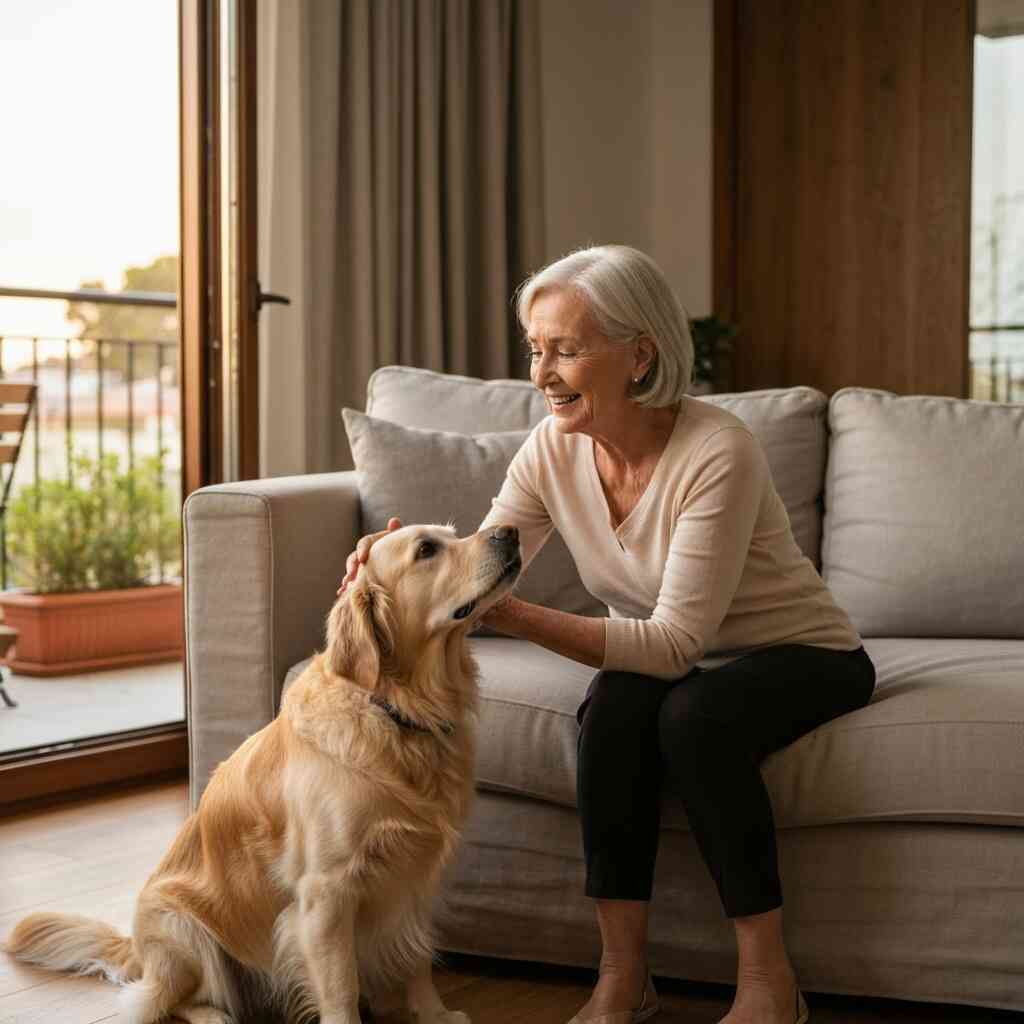
Selecting Alzheimer’s care facilities that welcome pets
When you are finding senior living facilities near me, it is helpful to start with a list of communities that have explicit pet policies. Do not be afraid to ask specific questions about how they manage pet-related hygiene and resident comfort. You want to see that the community has a thoughtful plan that includes regular cleaning and a dedicated space for pets to rest. If a facility has a resident dog or a visiting therapy animal program, that is often a sign of a high-quality community. Your goal is to find a place that treats your loved one and their companion with the dignity they deserve.
5) Senior Apartment Rentals with Inclusive Pet Policies
If your loved one is still highly independent, senior apartment rentals for older adults offer a wonderful balance of freedom and community. These apartments are typically located in 55-plus communities that emphasize social connection rather than medical oversight. Finding one that allows cats and dogs is usually simpler than in other types of senior housing. These rentals provide a great opportunity to downsize while maintaining a vibrant, active lifestyle. When searching for these properties, keep an eye out for communities that offer group activities and pet-friendly amenities.
Finding 55 plus apartments that allow cats and dogs
Many 55-plus communities have developed their reputations specifically because they are pet-friendly. When browsing for housing options for seniors with pets, check the community rules for any breed or size restrictions that might affect you. Some communities are perfectly happy with large dogs, while others prefer smaller pets or cats only. It is worth taking the time to tour these apartments, as you want to ensure the atmosphere matches your loved one’s energy level. A community that hosts regular “yappy hours” or pet-themed social gatherings is a great sign that they value animal companions.
Navigating pet-friendly housing regulations in senior rentals
Every rental community has its own set of rules, and these can change based on local regulations. It is essential to read the lease agreement carefully to understand any pet fees, deposits, or insurance requirements. Some communities may require a pet interview or proof of temperament training to ensure the safety of all neighbors. Understanding these senior housing regulations beforehand prevents unexpected surprises after you move in. By being prepared, you can advocate for your loved one and their pet, ensuring they stay together in their new home.
Affordable senior living with reasonable pet accommodations
Finding affordable senior living with pet accommodations is possible if you know where to look. Some communities offer tiered pricing or rent-stabilized units that are still open to residents with pets. It is a good idea to speak with a senior living advisor who can help you identify properties that fit both your budget and your pet requirements. Many of these communities offer excellent value, including maintenance-free living and shared common areas. You do not have to sacrifice quality to find a home that welcomes your furry friend.
6) Residential Care Facilities and Board and Care Homes for Pet Lovers
For seniors who prefer a smaller, more intimate setting, board and care homes for pet lovers are an excellent alternative to larger institutions. These are typically residential homes that have been converted to accommodate a small group of residents. Because of the smaller size, the staff can often offer more personalized care and a home-like environment that is inherently pet-friendly. These facilities are perfect for individuals who want a sense of family and community in their day-to-day life. The relaxed atmosphere makes it easier for a resident to keep their pet by their side.
Personalized care in smaller board and care homes
In a smaller home, the staff to resident ratio is typically much higher than in larger facilities. This allows for more attention to detail, including the specific needs of a resident’s pet. Whether your loved one needs help with mobility or simple daily check-ins, the care is tailored to their unique preferences. These residential care facilities with pet policies that emphasize flexibility are often the most successful. You will find that the staff members are much more involved in the residents’ daily lives, which creates a warm and supportive environment.
Residential care facilities with flexible pet policies
Flexibility is the hallmark of a good board and care home. Because the owner is often on-site, you can have direct conversations about how to best integrate your pet into the home. These senior living facilities in Alabama or across other states often have a “yes” attitude toward pets, provided the pet is non-aggressive. It is a wonderful way to ensure that your loved one feels truly at home rather than just like another resident. The intimacy of the setting also makes it easier to monitor the pet’s well-being and ensure they remain happy and healthy.
Balancing individual care needs with pet ownership
It is entirely possible to balance high-quality care with the joy of owning a pet. The secret is to communicate your needs clearly to the home’s management from the very beginning. You might ask about how they handle pet exercise or whether they have a preferred local vet for emergencies. Many of these homes are already set up to welcome pets, so they may have their own internal protocols for success. When you visit, pay attention to the overall vibe of the home and how the residents interact with the house pets or each other’s animals.
7) Skilled Nursing Facilities with Animal Visitation Programs
Even when a resident requires skilled nursing facilities for medical reasons, the need for animal companionship does not diminish. While it might not be possible for a permanent pet to live in a room due to strict health and safety codes, many facilities have robust visitation programs. These programs bring the love and joy of animals directly to the residents. This is a critical service for those who have spent a lifetime with animals and would otherwise feel a significant void in their lives.
How to choose a nursing home that welcomes pets
When evaluating facilities, look for senior living facilities in California or other regions that host regular therapy animal visits. You want to see that the facility values the emotional connection provided by these interactions. Ask about the frequency of these visits and whether they are conducted by certified professional therapy groups. A facility that goes the extra mile to invite animals in is one that genuinely cares about the holistic well-being of its residents. These senior living facilities in Texas and elsewhere often use these programs to enhance social interaction and improve mood across the facility.
Difference between skilled nursing and assisted living pet access
The primary difference lies in the level of medical oversight and the strictness of the regulations. In assisted living, the environment is geared toward community living and higher levels of independence, allowing for more pet flexibility. Skilled nursing, however, is a clinical environment designed to provide heavy medical support and what services do senior living facilities offer. Consequently, permanent residency for a pet is rarely feasible in skilled nursing, but visitation is almost always encouraged. Understanding these distinctions helps you manage expectations when exploring your options for a loved one.
Managing long-term care facility regulations for visiting animals
Facilities that allow visitation must follow strict hygiene protocols to maintain their status and keep residents safe. This means that visiting pets must be up-to-date on all vaccinations and typically must be bathed and groomed before arrival. Many facilities have specific entry points for animals to ensure they do not disrupt the clinical environment. By following these rules, you help ensure the longevity of the program for all residents to enjoy. Remember that even when a permanent pet isn’t possible, these visits offer immense comfort and a vital, lasting connection to the world outside the facility.
Frequently Asked Questions
Question: How does Senior Living Facilities help me find the best pet-friendly assisted living options for my loved one?
Answer: Senior Living Facilities acts as your dedicated partner in navigating the complexities of finding a new home. We understand that pets are family, which is why our platform specializes in connecting you with communities that offer pet-friendly assisted living. By using our comprehensive directory, you can compare various assisted living locations, filter for specific amenities like on-site dog parks or pet concierge services, and review the latest pet-friendly senior housing regulations to ensure your companion is welcome. Our team removes the stress of the search so you can focus on the emotional well-being of your loved one as they transition into their next chapter.
Question: I am interested in the Top 7 Senior Living Facilities For Pet Friendly Living; what should I look for in terms of apartment size and green space?
Answer: When exploring the top options mentioned in our guide, we recommend prioritizing communities for seniors 55+ that offer spacious floor plans and accessible outdoor areas. Many luxury senior retirement communities with dog parks provide secure, well-maintained green space for pets, which is essential for aging in place with animal companions. Our senior living advisor team can help you identify properties that not only offer high-end, comfortable living quarters but also provide convenient access to walking paths and pet spa stations, ensuring that both you and your pet enjoy a high quality of life.
Question: Are there differences in pet policies when comparing assisted living vs nursing home settings?
Answer: Yes, there are significant differences in how these care types handle animal residents. While many assisted living plans are designed to be flexible, allowing residents to keep their own pets, a long-term care facility or a nursing home often has more rigid health and safety codes that may restrict permanent pet ownership. However, many of these facilities embrace animal visitation programs to provide the therapeutic benefits of pets. At Senior Living Facilities, we help you understand these nuances so you can choose a setting-whether it is a residential care facility or a memory care home-that aligns with your specific needs and the welfare of your pet.
Question: Can I find affordable senior living with pet accommodations through your platform?
Answer: Absolutely. We believe that financial constraints should not prevent you from finding a home that welcomes your furry friend. Our platform showcases a wide range of senior apartment rentals allowing cats and dogs, including options for low-income seniors and communities with tiered pricing. By connecting with our expert team, you can explore various housing options for seniors with pets that fit your budget while still providing the social connection and maintenance-free lifestyle you desire. We are committed to transparency in costs, helping you evaluate everything from monthly rent to pet-specific deposits.
Question: What should I ask about when touring pet-friendly dementia care homes?
Answer: When evaluating memory care near me, it is crucial to ask about safety protocols and staff training regarding animal interactions. You should look for facilities that recognize the benefits of pet companionship in memory care, as these interactions can significantly reduce anxiety and sundowning symptoms. Important questions to ask include how the staff monitors the health and temperament of the pet, what the specific pet-friendly senior housing regulations are, and if there is a plan to assist with pet care tasks if your loved one requires more support. Senior Living Facilities can help you arrange tours and ensure you have a checklist of essential questions to ask during your visit.
Senior Living Facilities Editorial Team
Expert contributor specializing in senior living care. Dedicated to providing families with clear, actionable advice.